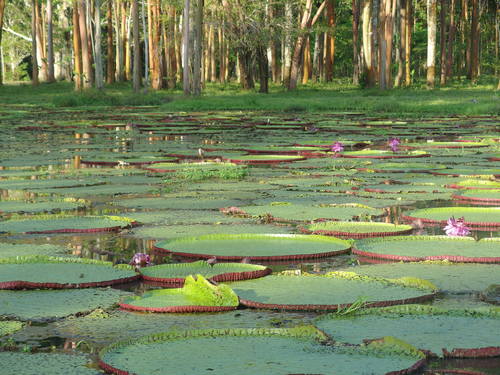
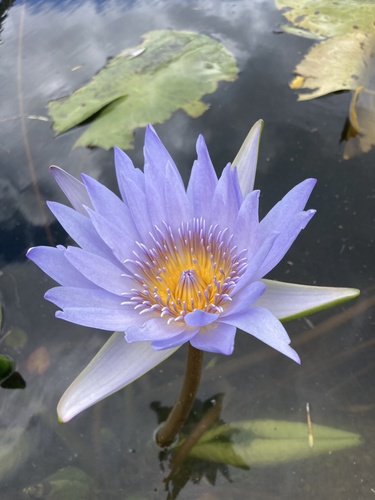
Pygmy Water Lily
nymphaea tetragona
Also known as: ["Pygmy Water Lily","Dwarf Water Lily"]
Overview
A small aquatic plant with floating leaves and delicate flowers, native to temperate and subtropical regions.
Benefits & Perks
["long-flowering","wildlife attractant (bees, butterflies, birds)","shade tolerant"]
Botanical Classification
| Phylum: | Magnoliophyta |
| Class: | Magnoliopsida |
| Order: | Nymphaeales |
| Family: | Nymphaeaceae |
| Genus: | Nymphaea |
| Botanical Name: | Nymphaea tetragona |
Plant Characteristics
Basic Information
- Category: Flowers
- Suitable Location: Pond or water garden with still or gently flowing water
- Suitable For:
- Is Weed: No
- Allergenicity: low
Environmental Needs
- Climate: {"temperatureRange":"10–30°C"}
- Hardiness: {"zones":"4–10"}
- Misting: Not required; natural pond or water garden humidity sufficient
- Drainage: Slow-draining to waterlogged, as the plant is aquatic.
- Soil Type: Heavy loam or aquatic plant soil with organic matter.
Maintenance Level
- Maintenance Level: moderate
- Toughness Level: moderate
- Pruning Frequency: As needed, typically every 2–4 weeks during growing season.
- Pruning Intensity: Light to moderate; focus on removing only dead or damaged parts.
Care Details
Ideal Sunlight Coverage:
Full sun (6–8 hours/day) for optimal flowering; partial shade in intense summer heat to prevent leaf scorch.
Sunlight Tolerance Tips:
Acclimate plants gradually to full sun; provide shade during peak afternoon heat; adjust placement based on seasonal light intensity.
Care Requirements
Care Difficulty
moderatemoderate
Sunlight
Full sun to partial shade
Avoid direct midday sun in summer; rotate plants for even light exposure; use shade cloth if needed.
Watering
Consistent water level maintenance, ensuring the crown remains submerged 15–30 cm below the water surface
Water deeply to reach the root zone; avoid waterlogging the crown; adjust based on seasonal temperature and evaporation rates.
Soil
Rich loamy soil or aquatic planting medium
pH: Slightly acidic to neutral (6.0–7.5).
Use heavy soil to prevent floating; avoid sandy mixes that drain too quickly; enrich with compost if needed.
Temperature
Warm to hot (70–85°F / 21–29°C) for growth; tolerates cooler water (50–60°F / 10–15°C) in winter dormancy.
Monitor water temperature; avoid sudden temperature changes; adjust care based on seasonal shifts.
Fertilizing
Every 4–6 weeks during active growing season (spring to early autumn) with aquatic plant fertilizer
Insert tablets near roots, not directly into them; dilute liquid fertilizer to half strength; avoid over-fertilization.
Propagation
Methods
Division of rhizomes or seed propagation.
Step-by-Step Propagation Guide
- Divide rhizome into sections with at least one bud.
- Plant in aquatic soil.
- Maintain water level.
- For seeds, scatter on soil surface and cover lightly.
Best Time: Spring or early summer when the plant is actively growing.
Environment
Warm, stable water temperature; bright light; still or gently moving water.
Medium
Aquatic soil or heavy loam with water covering the base.
Hormone
Not typically required for rhizome division; optional for seeds.
Timeline
Rhizome division: immediate growth; seeds: 2–4 weeks for germination, 3–6 months to establish.
Tools Needed
Sharp knife, aquatic soil, container, water source.
Quick Tips
Ensure each division has a bud; keep water clean; provide consistent light.
Pruning & Repotting
Pruning Guide
Method
Cut or pinch off dead leaves and flowers at the base; trim overgrown stems to encourage bushier growth.
Pruning Plan
Remove dead or decaying leaves and flowers to maintain plant health and aesthetics.
Tools
Sharp scissors or pruners, gloves.
Checklist
Check for dead foliage; sanitize tools; dispose of clippings away from the plant.
Repotting Guide
Best Season
Spring, before active growth begins.
Pot Size
Increase pot size by 2–3 inches in diameter.
Method
Remove plant carefully; trim roots if necessary; place in a larger container with aquatic soil; ensure water level is correct.
Suggestions
Repot every 2–3 years or when the rhizome outgrows its container; promotes healthier growth and flowering.
Checklist
Prepare new container; trim roots if needed; use appropriate soil; adjust water level.
Advanced Care Tips
Watering Mastery
Watering Checklist
Check water level daily; adjust for evaporation; monitor for stagnant water; ensure roots remain submerged.
How to Apply Water Properly
Apply water directly to the root zone, ensuring even coverage; maintain water level above the rhizome but below the crown; water early morning or late evening to minimize evaporation.
Watering Schedule Tips
Water consistently to maintain 6–12 inches of water above the rhizome; reduce frequency slightly in winter but ensure roots remain submerged.
Soil Improvement
Mix in peat moss for acidity; add clay for weight; ensure soil is fine enough to anchor roots.
Temperature Stress Management
Signs of Temperature Issues
Chlorosis or leaf drop in excessive heat; stunted growth or rot in cold water.
Cold Stress
Slows metabolic processes; may cause leaf discoloration or dieback if water temperature drops below 50°F (10°C).
Solution: Move to a warmer location if possible; insulate the container or pond; reduce feeding during cold periods.
Hot Stress
Leaves may wilt, scorch, or show signs of dehydration in excessive heat or intense sunlight.
Solution: Provide shade during peak heat; increase water circulation; mist foliage lightly if necessary.
Fertilizing Guide
Fertilizing Checklist
Check fertilizer type; follow dilution instructions; apply during active growth; avoid winter feeding.
Fertilizing Method
Use aquatic plant fertilizer tablets or liquid fertilizer; apply every 4–6 weeks during growing season (spring/summer); reduce or stop in winter.
Common Problems & Solutions
Toxicity Warning
Cats
Non-toxicNymphaea tetragona is not known to be toxic to cats. There are no documented cases of adverse effects from ingestion or contact with this plant.
⚡ Toxic If:
Generally non-toxic to cats
Dogs
Non-toxicNymphaea tetragona is not known to be toxic to dogs. There are no documented cases of adverse effects from ingestion or contact with this plant.
⚡ Toxic If:
Generally non-toxic to dogs
Humans
Non-toxicNymphaea tetragona is generally considered non-toxic to humans. There are no significant toxic effects or physiological impacts reported from exposure to this species.
⚡ Toxic If:
Generally non-toxic to humans
Frequently Asked Questions
Q: How deep should the water be for Nymphaea tetragona?
A: The water depth should be between 15-30 cm (6-12 inches) for optimal growth.
Q: Does Nymphaea tetragona require full sun?
A: Yes, it thrives in full sun to partial shade, with at least 4-6 hours of direct sunlight daily.
Q: Can Nymphaea tetragona be grown in a container?
A: Yes, it can be grown in a container as long as the container is water-tight and provides adequate space for root growth.
Quick Reference
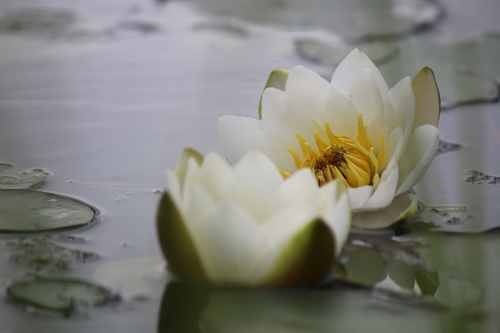
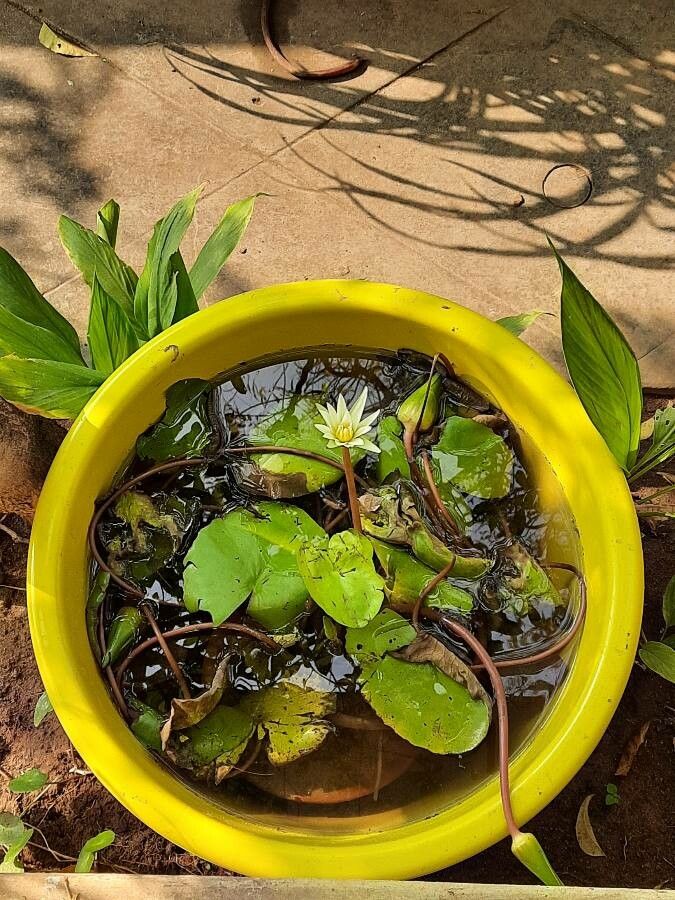
| Family: | Nymphaeaceae |
| Care: | moderate |
| Light: | Full sun to partial shade |
| Water: | Consistent water level mainten |
Get Expert Care Tips
Download the Plantious app for personalized care reminders and plant identification!
Google Play App Store