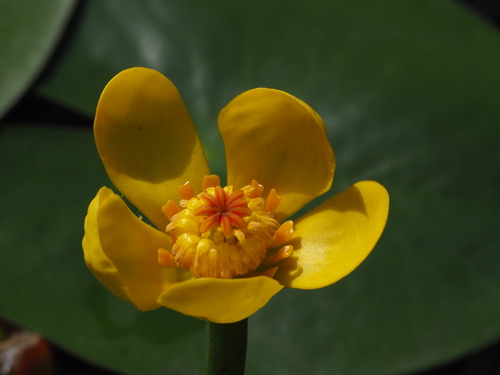
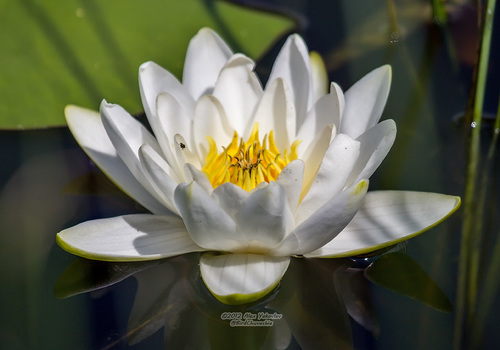
Giant Water Lily
victoria amazonica
Also known as: ["Amazon Water Lily","Royal Water Lily"]
Overview
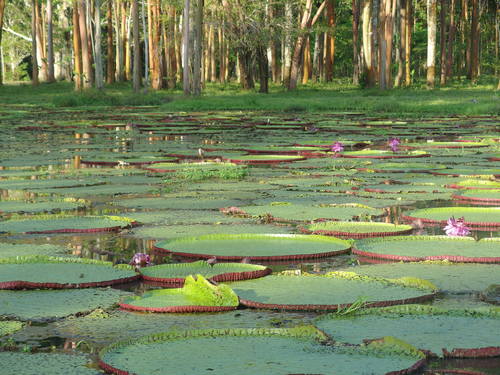
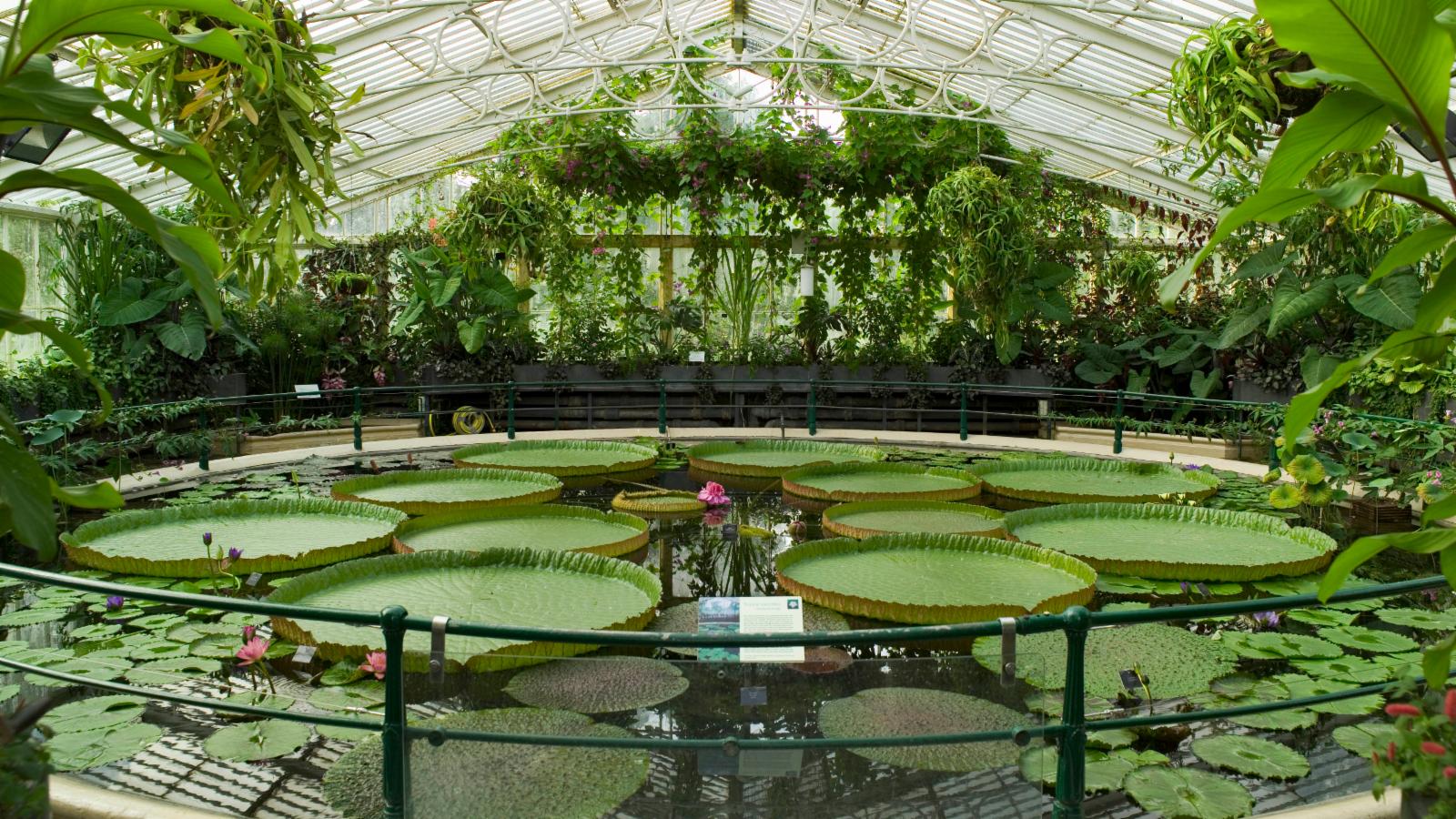
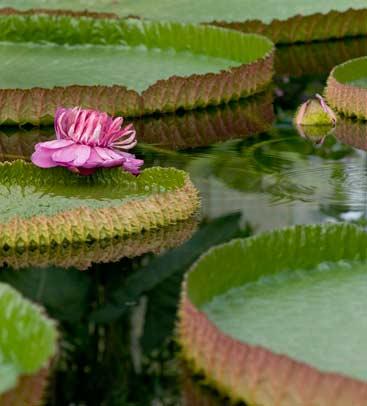
A large aquatic plant native to the shallow waters of the Amazon basin, known for its massive, floating leaves and stunning night-blooming flowers.
Benefits & Perks
["aesthetic foliage","wildlife attractant (bees, butterflies, birds)","rare/collector’s item"]
Botanical Classification
| Phylum: | Magnoliophyta |
| Class: | Magnoliopsida |
| Order: | Nymphaeales |
| Family: | Nymphaeaceae |
| Genus: | Victoria |
| Botanical Name: | Victoria amazonica |
Plant Characteristics
Basic Information
- Category: Flowers
- Suitable Location: Tropical or subtropical water gardens, large ponds
- Suitable For:
- Is Weed: No
- Allergenicity: low
Environmental Needs
- Climate: {"temperatureRange":"20–30°C"}
- Hardiness: {"zones":"10–12"}
- Misting: Not required
- Drainage: Moderate drainage; waterlogged but not stagnant.
- Soil Type: Rich, loamy soil with high organic matter; requires still water for root stability.
Maintenance Level
- Maintenance Level: very high
- Toughness Level: very low
- Pruning Frequency: As needed; typically every 1–2 months during growing season.
- Pruning Intensity: Light to moderate; focus on removing only damaged or spent parts.
Care Details
Ideal Sunlight Coverage:
Full sun (6–8 hours/day); tolerates partial shade in intense summer heat.
Sunlight Tolerance Tips:
Acclimate gradually to full sun to prevent leaf burn; provide shade during peak midday heat in summer; ensure consistent light exposure for optimal growth.
Care Requirements
Care Difficulty
expert onlymoderate
Sunlight
Full sun
Rotate plant for even light exposure; use sheer curtains to filter intense light; avoid sudden light changes.
Watering
N/A (aquatic plant, submerged in water)
Water thoroughly until runoff occurs; ensure proper drainage; avoid wetting foliage to prevent fungal issues.
Soil
Not applicable (grows in water)
pH: Slightly acidic to neutral (6.0–7.0).
Use nutrient-rich soil; maintain still water; avoid compacted soil.
Temperature
Warm temperatures (25–30°C); intolerant of frost; prefers stable conditions above 20°C.
Avoid drafts; maintain stable temperatures; protect from sudden temperature drops.
Fertilizing
Every 4–6 weeks during growing season with aquatic plant fertilizer
Fertilize during active growth; dilute to prevent root burn; stop in dormant periods.
Propagation
Methods
Seeds or rhizome division.
Step-by-Step Propagation Guide
- Collect mature seeds or divide rhizome.
- Plant in prepared medium.
- Maintain warm, humid conditions.
- Wait for germination or new growth.
Best Time: Spring or early summer when temperatures are warm and stable.
Environment
Warm (25–30°C), humid, and still water environment.
Medium
Silty loam with organic matter; requires still, warm water for seed germination.
Hormone
Not required for rhizome division; optional for seed germination.
Timeline
Seeds: 2–4 weeks to germinate; rhizome division: immediate establishment.
Tools Needed
Sharp knife, seed tray, warm water container, organic soil mix.
Quick Tips
Use mature seeds for better germination; divide rhizomes carefully to avoid damage; maintain consistent water temperature.
Pruning & Repotting
Pruning Guide
Method
Cut back dead leaves at the base; trim spent flowers to encourage new blooms.
Pruning Plan
Remove dead or decaying leaves and flowers to maintain plant health and aesthetics.
Tools
Pruning shears, gloves, disinfectant.
Checklist
Inspect plant; remove dead parts; sanitize tools; dispose of clippings properly.
Repotting Guide
Best Season
Spring, before active growth begins.
Pot Size
Increase pot size by 2–3 inches in diameter.
Method
Carefully lift the plant; trim any damaged roots; place in a larger pot with fresh soil; ensure proper drainage.
Suggestions
Repot every 2–3 years or when roots outgrow the container; essential for growth and health.
Checklist
Prepare new pot; trim roots if necessary; use fresh soil; water thoroughly after repotting.
Advanced Care Tips
Watering Mastery
Watering Checklist
Check soil moisture; water thoroughly; ensure drainage; avoid foliage wetting
How to Apply Water Properly
Water directly at the root zone, ensuring even moisture distribution; water early in the morning to minimize evaporation and fungal growth; allow excess water to drain completely.
Watering Schedule Tips
Water deeply once the soil surface feels dry to the touch; reduce frequency in winter to prevent root rot.
Soil Improvement
Add compost or peat moss for fertility; ensure water is still but not stagnant.
Temperature Stress Management
Signs of Temperature Issues
Leaf curling or yellowing; stunted growth; bud drop; wilting.
Cold Stress
Growth cessation; leaf damage or necrosis; potential death in prolonged cold.
Solution: Provide supplemental heat; move to a warmer location; use frost cloth for outdoor plants.
Hot Stress
Leaf scorch; wilting despite adequate water; reduced vigor.
Solution: Increase humidity; provide shade during peak heat; ensure consistent watering.
Fertilizing Guide
Fertilizing Checklist
Check fertilizer type; dilute correctly; apply during growing season; avoid winter feeding.
Fertilizing Method
Use liquid fertilizer diluted to half strength every 4–6 weeks during growing season; avoid fertilizing in winter.
Common Problems & Solutions
Toxicity Warning
Cats
Non-toxicVictoria amazonica is not toxic to cats. The plant does not produce any known toxins that would pose a risk to felines upon ingestion.
⚡ Toxic If:
if eaten
Dogs
Non-toxicVictoria amazonica is not toxic to dogs. The plant does not contain any known substances that are harmful to canines when ingested.
⚡ Toxic If:
if eaten
Humans
Non-toxicVictoria amazonica, commonly known as the Amazon water lily, is not considered toxic to humans. The plant is primarily ornamental and does not produce any known toxic compounds that would cause adverse effects upon ingestion.
⚡ Toxic If:
if eaten
Frequently Asked Questions
Q: How big do the leaves of Victoria amazonica grow?
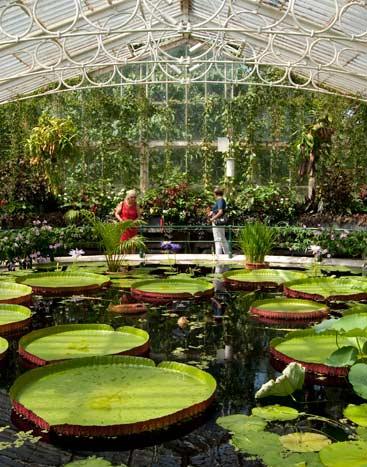
A: The leaves can grow up to 3 meters in diameter, making them the largest of any water lily species.
Q: Are the flowers of Victoria amazonica fragrant?
A: Yes, the flowers are fragrant and change color from white to pink over two nights.
Q: Can Victoria amazonica be grown in home ponds?
A: It requires a large, warm, and stable aquatic environment, making it suitable only for specialized or large-scale water gardens.
Quick Reference

| Family: | Nymphaeaceae |
| Care: | expert only |
| Light: | Full sun |
| Water: | N/A (aquatic plant, submerged |
Get Expert Care Tips
Download the Plantious app for personalized care reminders and plant identification!
Google Play App Store