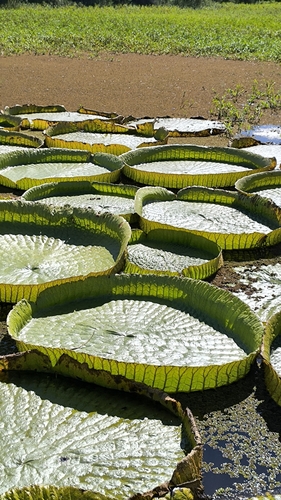
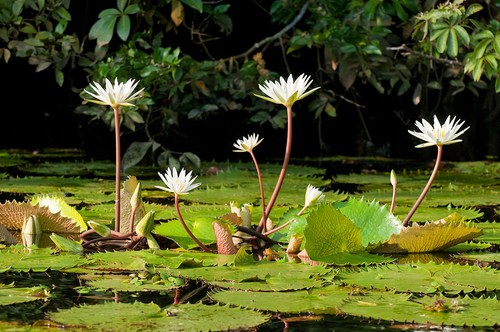
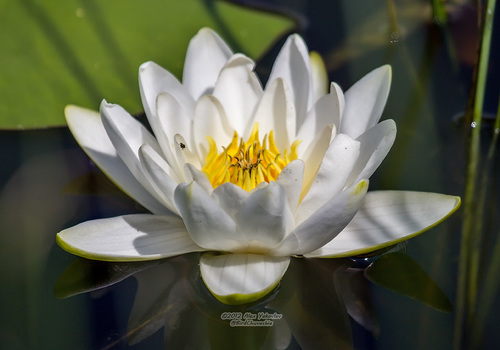
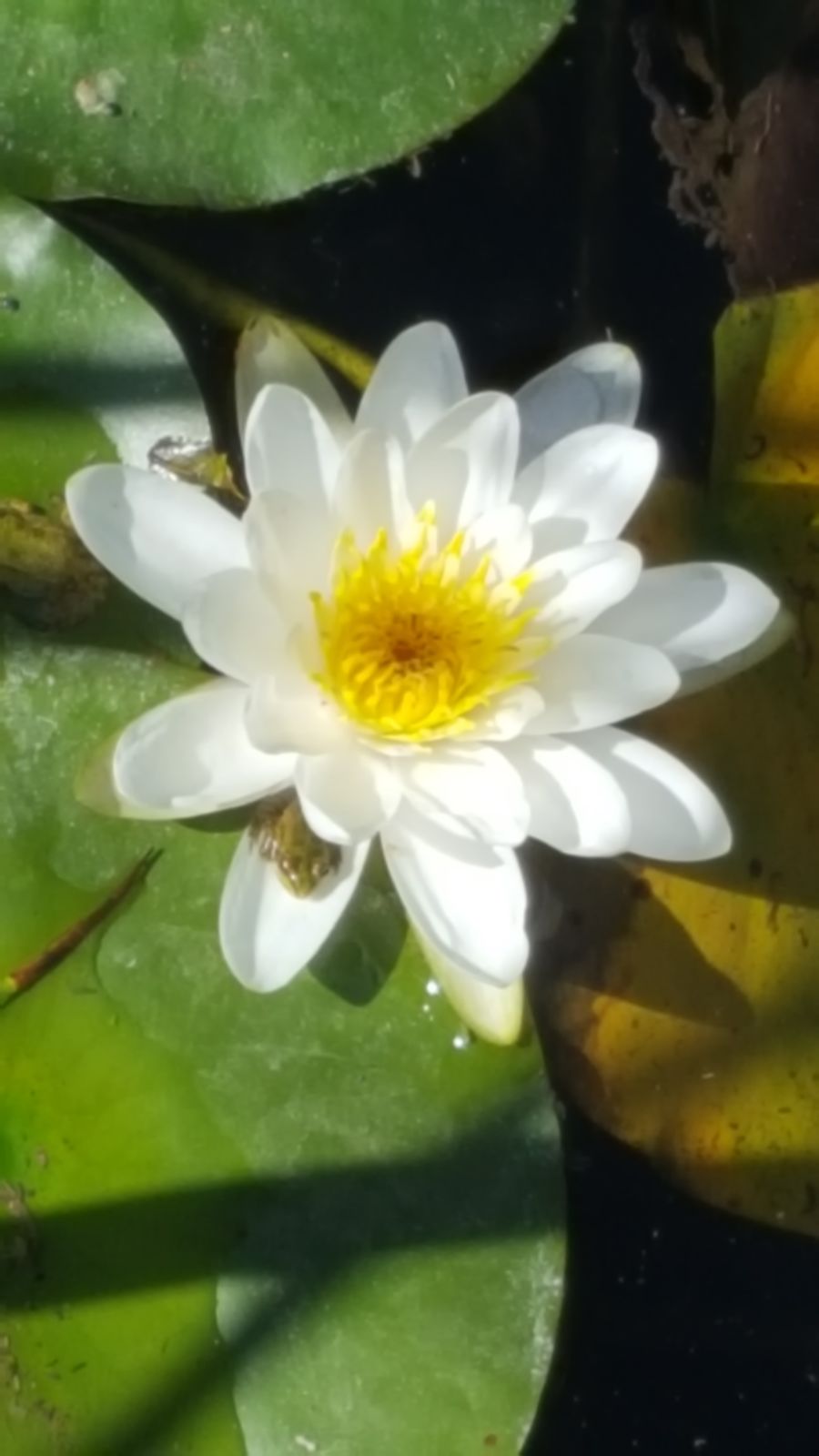
White Water Lily
nymphaea alba
Also known as: ["European White Water Lily","White Nymphaea"]
Overview
A large aquatic plant with floating leaves and fragrant white flowers, native to Europe and parts of Asia and Africa.
Benefits & Perks
["fragrant flowers","wildlife attractant (bees, butterflies, birds)","shade tolerant"]
Botanical Classification
| Phylum: | Magnoliophyta |
| Class: | Magnoliopsida |
| Order: | Nymphaeales |
| Family: | Nymphaeaceae |
| Genus: | Nymphaea |
| Botanical Name: | Nymphaea alba |
Plant Characteristics
Basic Information
- Category: Flowers
- Suitable Location: Pond, water garden, or large container with still or slow-moving water
- Suitable For:
- Is Weed: No
- Allergenicity: low
Environmental Needs
- Climate: {"temperatureRange":"10–30°C"}
- Hardiness: {"zones":"4–10"}
- Misting: Rarely required, as natural aquatic environment provides sufficient humidity
- Drainage: Slow-draining to waterlogged; roots must remain constantly moist.
- Soil Type: Heavy loam or aquatic plant-specific soil; must be heavy enough to stay submerged.
Maintenance Level
- Maintenance Level: moderate
- Toughness Level: moderate
- Pruning Frequency: As needed, typically every 2–4 weeks during growing season.
- Pruning Intensity: Light to moderate; focus on removing only dead or damaged parts.
Care Details
Ideal Sunlight Coverage:
Full sun (6–8 hours/day) for optimal blooming; partial shade in extreme heat to prevent leaf burn.
Sunlight Tolerance Tips:
Acclimate new plants gradually to full sun; avoid placing in direct midday sun during peak summer; ensure water surface is calm to maximize light absorption.
Care Requirements
Care Difficulty
moderatemoderate
Sunlight
Full sun to partial shade
Rotate container-grown plants for even growth; use shade cloth in intense heat; clean water surface regularly.
Watering
Maintain water level at 30–60 cm above rhizomes, ensuring consistent hydration
Ensure water depth remains stable; avoid water stagnation; use rainwater or dechlorinated water for optimal health.
Soil
Aquatic substrate or loamy soil at the bottom of a pond or container
pH: Slightly acidic to neutral (6.0–7.5).
Use soil specifically for aquatic plants; avoid fertilizers with high nitrogen content; top-dress with gravel for stability.
Temperature
Warm to hot (20–30°C / 68–86°F); tolerates cooler water (15°C / 59°F) but blooms best in warmth.
Monitor water temperature; adjust shade as needed; protect from frost in cooler climates.
Fertilizing
Every 4–6 weeks during growing season with aquatic plant fertilizer
Insert tablets near roots, not directly into them; dilute liquid fertilizer to half strength; stop fertilizing in fall/winter.
Propagation
Methods
Division of rhizomes; seed propagation is possible but less reliable.
Step-by-Step Propagation Guide
- Divide rhizome into sections with at least one bud.
- Plant in aquatic soil.
- Submerge in water.
- Maintain stable conditions.
Best Time: Early spring before active growth begins.
Environment
Warm, still water (20–25°C / 68–77°F); high humidity; partial shade for seedlings.
Medium
Aquatic soil or heavy loam with water coverage; avoid lightweight mixes that float.
Hormone
Not required for rhizome division; optional for seeds to improve germination.
Timeline
Rhizome division: immediate establishment; seeds: 2–4 weeks for germination, 6–12 months to mature.
Tools Needed
Sharp knife, aquatic soil, container, water source.
Quick Tips
Ensure each division has a viable bud; use clean tools to prevent disease; maintain consistent water level.
Pruning & Repotting
Pruning Guide
Method
Snip stems at the base; avoid tearing to prevent water contamination.
Pruning Plan
Remove dead or decaying leaves and flowers to maintain water quality and aesthetics.
Tools
Aquatic shears, gloves, net for debris removal.
Checklist
Check for decaying matter; use clean tools; dispose of clippings away from water.
Repotting Guide
Best Season
Early spring before new growth emerges.
Pot Size
Increase pot size by 2–3 inches in diameter; ensure depth remains consistent.
Method
Lift rhizome, trim roots if necessary, replant in fresh aquatic soil, submerge to original depth.
Suggestions
Repot every 2–3 years or when rhizome outgrows container; prevents overcrowding and nutrient depletion.
Checklist
Prepare new soil; clean tools; maintain water level; acclimate plant post-repotting.
Advanced Care Tips
Watering Mastery
Watering Checklist
Check water level daily; ensure circulation; use appropriate water source; monitor for stagnation.
How to Apply Water Properly
Water directly into the pond or container, ensuring the rhizome is submerged; avoid splashing foliage to prevent fungal issues; maintain water clarity for photosynthesis.
Watering Schedule Tips
Water consistently to maintain 6–12 inches of water above the rhizome; adjust based on evaporation rates and seasonal temperature changes.
Soil Improvement
Mix clay-based soil with organic matter; avoid sand-heavy mixes that can cloud water.
Temperature Stress Management
Signs of Temperature Issues
Stunted growth, reduced flowering, yellowing leaves (cold); wilting, leaf edge burn (hot).
Cold Stress
Slows metabolic processes, reduces flowering, may cause rhizome damage in prolonged cold.
Solution: Move container-grown plants to warmer areas; use pond heaters for in-ground plants; insulate rhizomes with mulch or aquatic-safe covers.
Hot Stress
Accelerates water evaporation, causes leaf scorch, and may lead to premature bud drop.
Solution: Increase water circulation; provide partial shade during peak heat; mist foliage sparingly to cool.
Fertilizing Guide
Fertilizing Checklist
Use aquatic-specific fertilizer; apply at correct depth; follow seasonal schedule; avoid contact with foliage.
Fertilizing Method
Use aquatic plant fertilizer tablets or liquid fertilizer; apply every 4–6 weeks during growing season (spring–summer); avoid over-fertilization.
Common Problems & Solutions
Toxicity Warning
Cats
Slightly ToxicCats may experience mild gastrointestinal irritation if they ingest the roots or seeds of Nymphaea alba. The toxic compounds in these parts can cause digestive upset, though severe reactions are rare.
⚠️ Symptoms:
🌿 Toxic Parts:
⚡ Toxic If:
if eaten
Dogs
Slightly ToxicIn dogs, ingestion of Nymphaea alba roots and seeds can lead to mild gastrointestinal upset due to the presence of alkaloids and other irritant compounds. The effects are generally not life-threatening but can cause discomfort.
⚠️ Symptoms:
🌿 Toxic Parts:
⚡ Toxic If:
if eaten
Humans
Slightly ToxicNymphaea alba, commonly known as the white water lily, contains compounds that can cause mild gastrointestinal distress when ingested. The roots and seeds are the primary toxic parts, containing alkaloids and other secondary metabolites that may irritate the digestive tract.
⚠️ Symptoms:
🌿 Toxic Parts:
⚡ Toxic If:
if eaten
Frequently Asked Questions
Q: Is Nymphaea alba suitable for small garden ponds?
A: Yes, but it requires sufficient space and sunlight to thrive.
Q: How deep should the water be for Nymphaea alba?
A: It prefers water depths between 30-90 cm (12-36 inches).
Q: Does Nymphaea alba need special care during winter?
A: In colder climates, the rhizomes should be protected from freezing.
Quick Reference

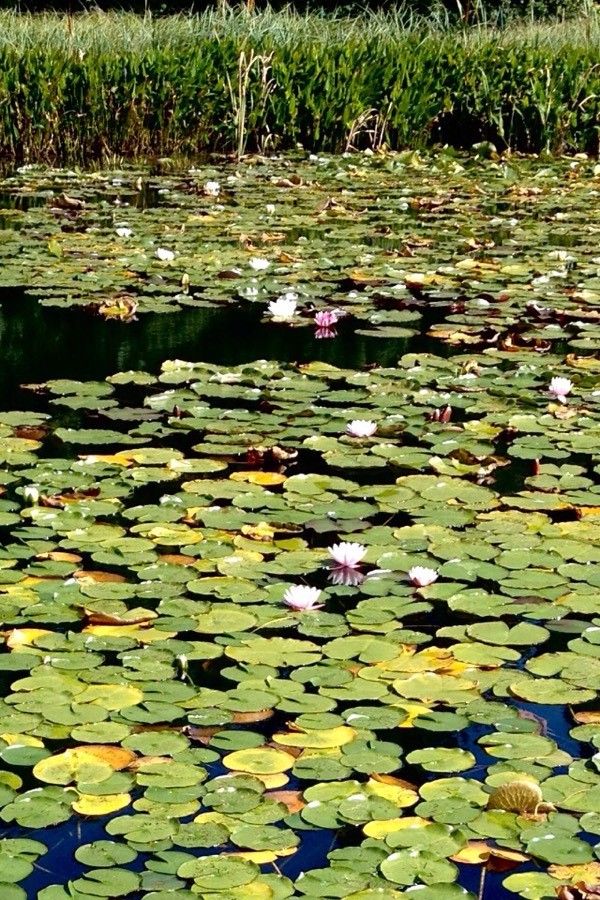


| Family: | Nymphaeaceae |
| Care: | moderate |
| Light: | Full sun to partial shade |
| Water: | Maintain water level at 30–6 |
Get Expert Care Tips
Download the Plantious app for personalized care reminders and plant identification!
Google Play App Store