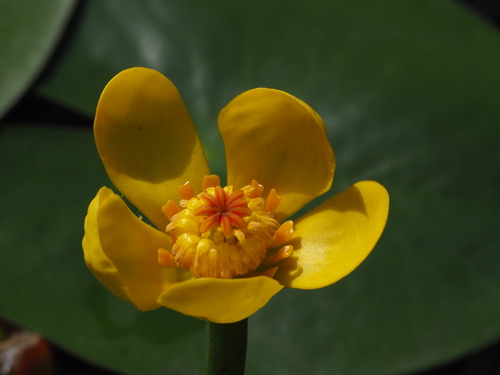
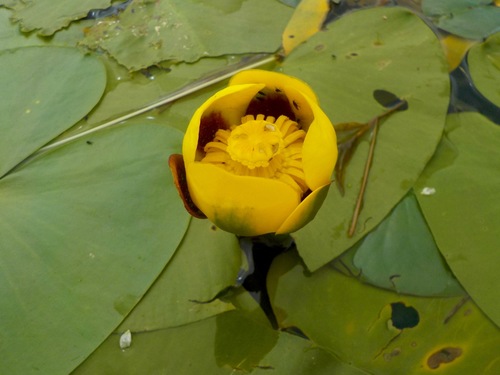
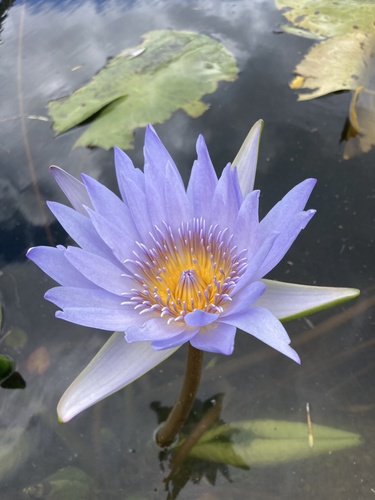
Blue Water Lily
nymphaea nouchali
Also known as: ["Star Lily","Star Water Lily","Blue Lotus"]
Overview
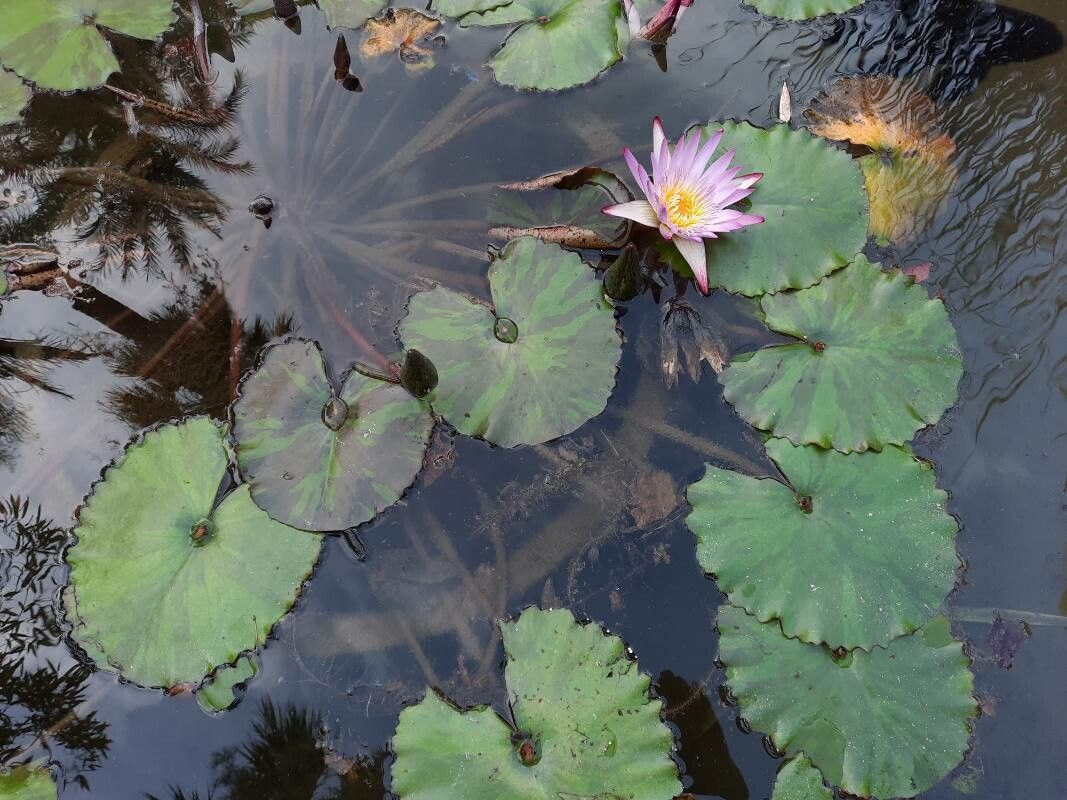
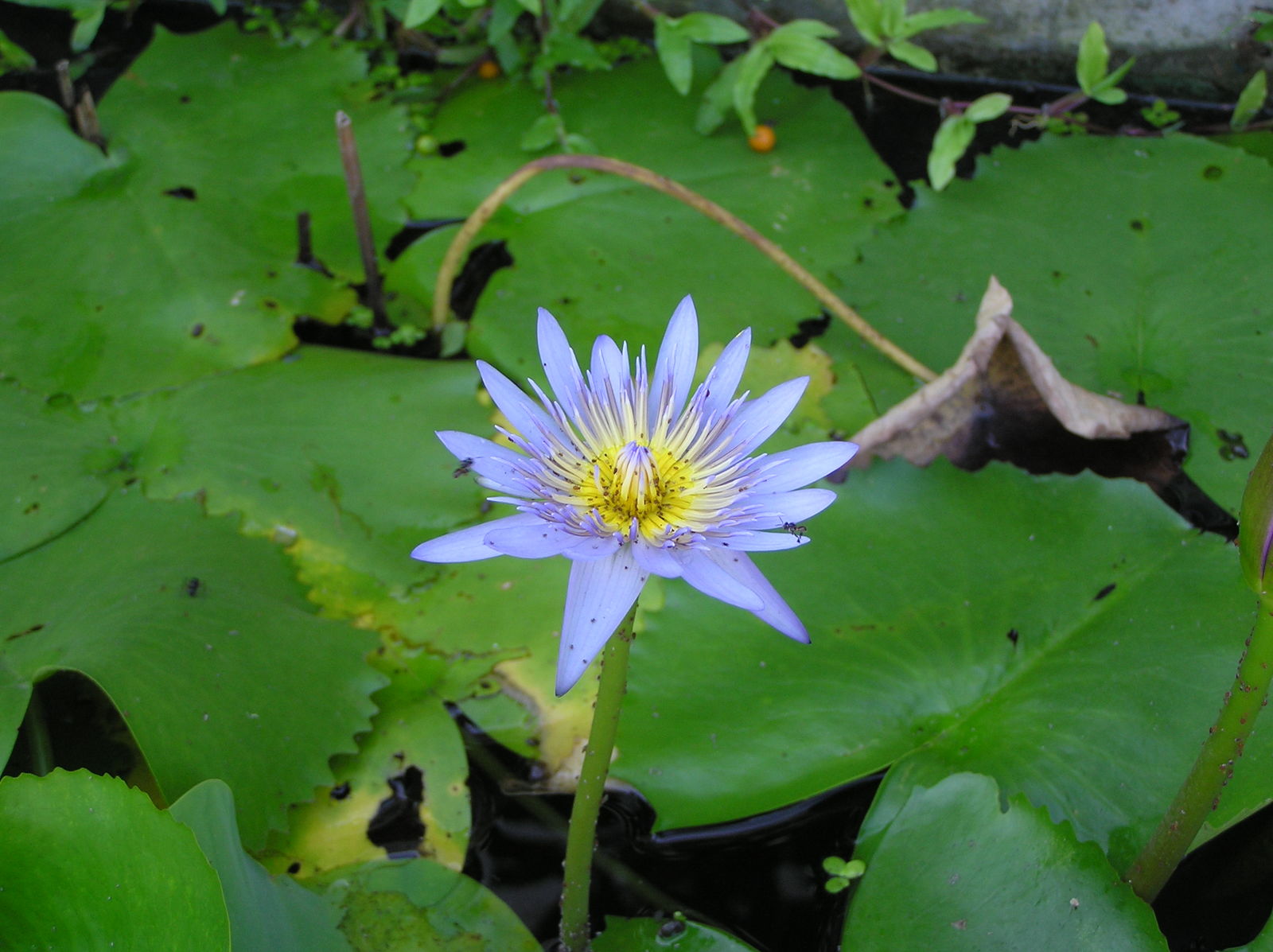
A species of water lily native to South Asia and Southeast Asia, known for its vibrant blue flowers.
Benefits & Perks
["long-flowering","wildlife attractant (bees, butterflies, birds)","aesthetic foliage"]
Botanical Classification
| Phylum: | Magnoliophyta |
| Class: | Magnoliopsida |
| Order: | Nymphaeales |
| Family: | Nymphaeaceae |
| Genus: | Nymphaea |
| Botanical Name: | Nymphaea nouchali |
Plant Characteristics
Basic Information
- Category: Flowers
- Suitable Location: Pond or water garden with still or slow-moving water
- Suitable For:
- Is Weed: No
- Allergenicity: low
Environmental Needs
- Climate: {"temperatureRange":"15–30°C"}
- Hardiness: {"zones":"9–11"}
- Misting: Not required; natural pond humidity sufficient
- Drainage: Slow-draining to waterlogged, as it thrives in still water.
- Soil Type: Heavy loam or aquatic soil mix with organic matter.
Maintenance Level
- Maintenance Level: moderate
- Toughness Level: moderate
- Pruning Frequency: As needed, typically every 2–4 weeks during growing season.
- Pruning Intensity: Light to moderate; focus on removing only dead or damaged parts.
Care Details
Ideal Sunlight Coverage:
Full sun (6–8 hours/day); partial shade in intense summer heat to prevent leaf scorch.
Sunlight Tolerance Tips:
Acclimate new plants to full sun gradually; provide shade during peak afternoon heat; ensure outdoor placement in open water bodies.
Care Requirements
Care Difficulty
moderatemoderate
Sunlight
Full sun to partial shade
Rotate container-grown plants for even growth; use shade cloth in extreme heat; avoid deep shade for flowering.
Watering
Maintain water level at 30–60 cm above rhizomes, ensuring consistent hydration
Water early morning to minimize evaporation; ensure water level covers the rhizome; avoid splashing foliage to prevent fungal issues.
Soil
Aquatic planting medium or heavy loam
pH: 6.0–7.5; slightly acidic to neutral.
Use heavy soil to anchor rhizome; avoid sandy mixes that float; maintain water clarity.
Temperature
Warm to hot (20–30°C); tolerates seasonal fluctuations but thrives in stable warm conditions.
Protect from frost; avoid sudden temperature drops; maintain stable water temperature.
Fertilizing
Every 4–6 weeks during growing season with aquatic plant fertilizer
Insert tabs near roots, not directly into them; reduce feeding in winter; avoid over-fertilization to prevent algae.
Propagation
Methods
Division of rhizomes or seed propagation.
Step-by-Step Propagation Guide
- Divide rhizome into sections with buds.
- Plant in aquatic soil.
- Cover with water.
- Maintain warmth and light.
Best Time: Spring or early summer when actively growing.
Environment
Warm, humid, with full sun and still water.
Medium
Aquatic soil or heavy loam with water coverage.
Hormone
Not required for rhizome division; optional for seed germination.
Timeline
Rhizome division: immediate growth; seeds: 2–4 weeks to germinate, 6–12 months to establish.
Tools Needed
Sharp knife, aquatic soil, container, water source.
Quick Tips
Ensure each division has a bud; keep water clean; provide consistent warmth.
Pruning & Repotting
Pruning Guide
Method
Snip stems at the base; trim decaying leaves underwater to prevent disturbance.
Pruning Plan
Remove dead or decaying leaves and flowers to maintain plant health and water quality.
Tools
Aquatic scissors, gloves, net for debris removal.
Checklist
Check for dead leaves; trim carefully; remove debris from water; disinfect tools.
Repotting Guide
Best Season
Spring, before active growth begins.
Pot Size
Increase pot size by 2–3 inches in diameter.
Method
Lift rhizome; trim roots if necessary; place in larger container with fresh aquatic soil; cover with water.
Suggestions
Repot every 2–3 years or when rhizome outgrows container; prevents overcrowding and nutrient depletion.
Checklist
Prepare new container; trim roots if needed; use fresh soil; ensure proper water level.
Advanced Care Tips
Watering Mastery
Watering Checklist
Check water level daily; adjust for evaporation; ensure rhizome coverage; monitor for stagnant water.
How to Apply Water Properly
Water directly into the pond or container, ensuring the rhizome remains submerged; avoid overfilling that could displace the plant.
Watering Schedule Tips
Water daily to maintain 2–3 inches of water above the rhizome; adjust for evaporation rates in hot or windy conditions.
Soil Improvement
Add clay-based soil for weight; incorporate compost for nutrients; ensure water coverage.
Temperature Stress Management
Signs of Temperature Issues
Leaf curling or yellowing in cold; wilting or stunted growth in excessive heat.
Cold Stress
Slows growth; may cause dormancy or leaf damage below 15°C.
Solution: Move containers indoors or to a greenhouse below 15°C; use water heaters in ponds if necessary.
Hot Stress
Leaf scorch, reduced flowering, and potential algae growth in stagnant water.
Solution: Provide partial shade; ensure water circulation; mist foliage during extreme heat.
Fertilizing Guide
Fertilizing Checklist
Use aquatic-specific fertilizer; apply during growing season; avoid winter feeding; monitor for nutrient burn.
Fertilizing Method
Use slow-release aquatic fertilizer tabs every 4–6 weeks during growing season; liquid fertilizer monthly at half strength.
Common Problems & Solutions
Toxicity Warning
Cats
Slightly ToxicCats may experience mild gastrointestinal discomfort if they consume the roots or seeds of Nymphaea nouchali. The toxic compounds can cause irritation to the digestive system.
⚠️ Symptoms:
🌿 Toxic Parts:
⚡ Toxic If:
if eaten
Dogs
Slightly ToxicIn dogs, ingestion of the roots and seeds of Nymphaea nouchali can lead to mild gastrointestinal upset. The alkaloids present may cause irritation to the stomach and intestines.
⚠️ Symptoms:
🌿 Toxic Parts:
⚡ Toxic If:
if eaten
Humans
Slightly ToxicNymphaea nouchali contains compounds that can cause mild gastrointestinal distress when ingested in significant quantities. The roots and seeds are the primary toxic parts, containing alkaloids that may irritate the digestive tract.
⚠️ Symptoms:
🌿 Toxic Parts:
⚡ Toxic If:
if eaten
Frequently Asked Questions
Q: How deep should the water be for Nymphaea nouchali?
A: The water depth should be between 30-90 cm (12-36 inches) for optimal growth.
Q: Does Nymphaea nouchali require full sun?
A: Yes, it thrives in full sun, requiring at least 6 hours of direct sunlight daily.
Q: Can Nymphaea nouchali be grown in a pond?
A: Yes, it is well-suited for pond cultivation, provided the water is still and the soil is nutrient-rich.
Quick Reference
| Family: | Nymphaeaceae |
| Care: | moderate |
| Light: | Full sun to partial shade |
| Water: | Maintain water level at 30–6 |
Get Expert Care Tips
Download the Plantious app for personalized care reminders and plant identification!
Google Play App Store