Introduction
Apartment living often means limited sunlight, but many houseplants adapt beautifully to lower light. This guide shows you how to evaluate your space and spot species that thrive with indirect or low illumination.
1) What “low light” really means
In practical terms, low light is bright enough to read comfortably near a window but not bright enough for hard shadows. Technically, it is often under ~200 foot-candles (≈2,000 lux) for much of the day, and sometimes as low as 50–100 fc (≈500–1,000 lux) away from windows.
Know More: Measure Low Light with a Phone — and When It’s Enough2) Apartment window orientation & layout cues
North-facing windows (in most regions) and rooms shaded by neighboring buildings typically provide low light. Deep rooms set back from any window also create low-light zones, as do windows with heavy tinting, sheer curtains, or balcony overhangs.
Know More: Apartment Window Orientation & Room Layout for Low Light3) Species groups that tolerate low light
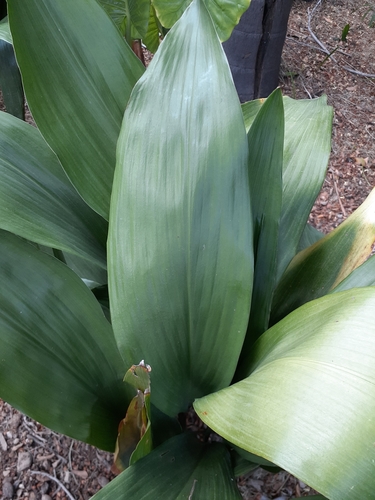
- Cast Iron Plant (Aspidistra elatior) — famous for tolerating dim corners.
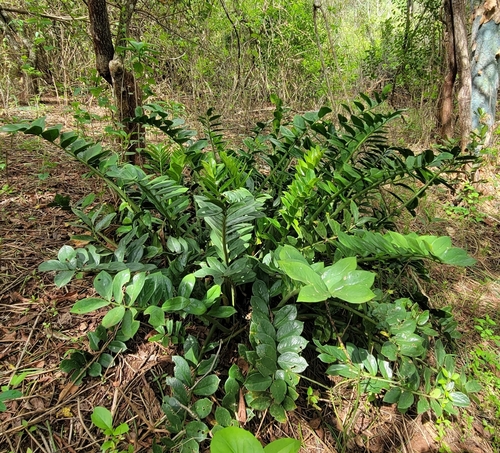
- ZZ Plant (Zamioculcas zamiifolia) — stores water in rhizomes, copes well with low light.
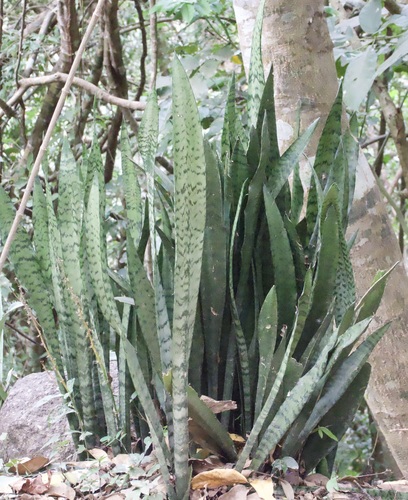
- Snake Plant (Dracaena trifasciata, syn. Sansevieria trifasciata) — architectural leaves; accepts low light.
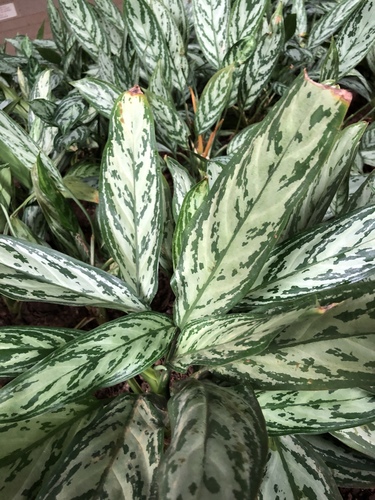
- Chinese Evergreen (Aglaonema commutatum and cultivars) — broad, often variegated leaves.
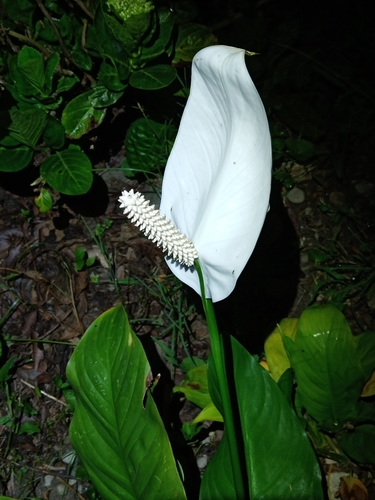
- Peace Lily (Spathiphyllum wallisii) — tolerates low light, may still bloom in bright-indirect.
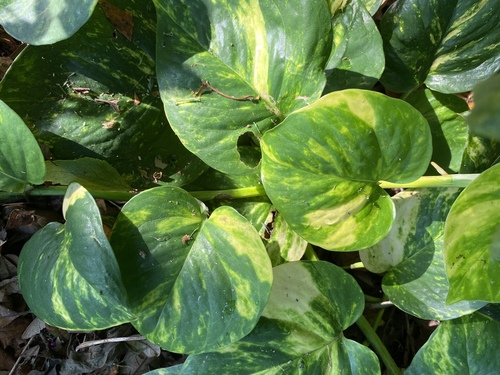
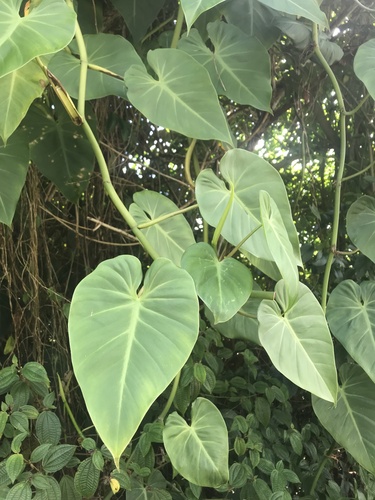
- Pothos/Devil’s Ivy (Epipremnum aureum) and Heartleaf Philodendron (Philodendron hederaceum) — reliable trailers for dimmer spots.
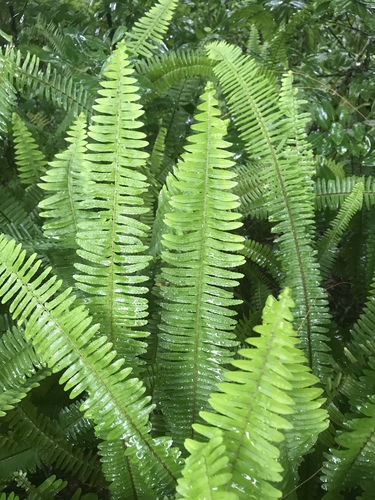
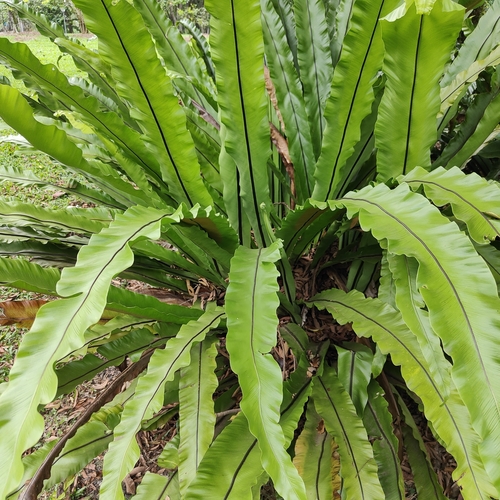
- Ferns (e.g., Nephrolepis exaltata, Asplenium nidus) — prefer steady moisture and humidity.
4) Watering strategy for low light
Plants in low light use water slowly. Choose airy, well-draining mixes and water only when the top 2–4 cm (about an inch) is dry for aroids and vines; allow deeper dry-down for ZZ and Snake Plant. Overwatering is the #1 cause of decline in dim rooms.
Know More: Watering & Potting Mix Strategy for Low-Light Houseplants5) Quick visual ID hints
- Thick rhizomes or canes (ZZ, Snake Plant) often signal slower metabolism and lower light tolerance.
- Broad, dark-green leaves (Aglaonema, Peace Lily, Aspidistra) capture light efficiently.
- Trailing vines with heart-shaped leaves (Pothos, Philodendron) adapt well a bit away from windows.