Introduction
Leaf curl or droop is your plant’s SOS. The usual culprits are watering imbalance, environmental stress (light, heat/cold, low humidity, drafts), or pests damaging leaf tissue. Read the signs below to pinpoint the cause in minutes.
1) Watering diagnostics
Underwatering: leaves curl inward, edges feel crisp, pot feels very light. Overwatering: leaves droop soft, stems feel mushy at the base, soil stays wet and smells sour. Check moisture at depth, not just the top.
Know More: Watering Diagnostics for Curling & Drooping Leaves2) Environment stress (light, heat/cold, humidity, drafts)
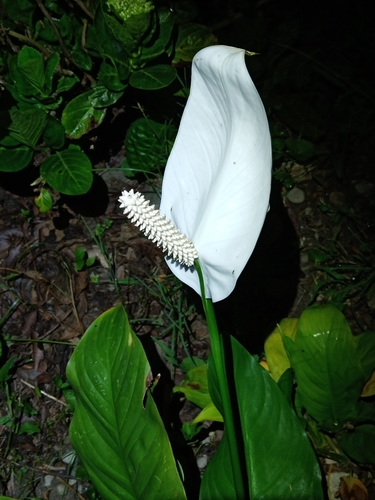
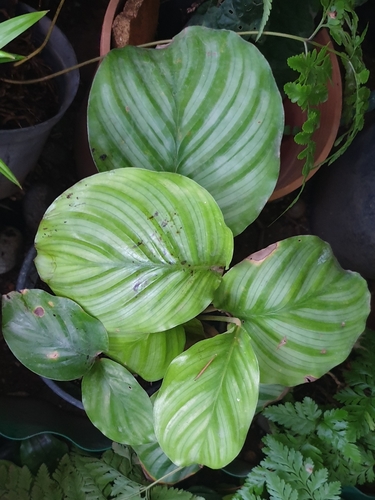
Too much sun/heat: taco-curling with scorched tips. Low light: limp petioles and stretched internodes. Cold or AC drafts: sudden droop or cupping after exposure. Low humidity: edges roll and brown (common in Calathea and Peace Lily).
Know More: Environment Stress — Light, Temperature, Humidity & Drafts3) Pests that cause curl and sag
Spider mites: fine webbing, stippled leaves that curl. Thrips: distorted new leaves, silvery scars. Scale/mealybugs: sticky honeydew, droop from sap loss. Always inspect undersides and leaf axils.
Know More: Pest Scan for Curling or Drooping Leaves4) Rootbound or recent repot shock
Severely rootbound plants dry too fast and curl between waterings; a fresh repot can cause temporary droop while roots re-establish. Check root circling and adjust pot size by 2–3 cm only.
5) Quick decision checklist
- Probe moisture 5–10 cm deep; compare to leaf feel (soft vs crisp).
- Review last week’s light/heat and any drafts or AC exposure.
- Inspect for pests with a flashlight under leaves and along stems.
- Trim worst damage, correct the cause, and monitor new growth.