Ladies' Tresses
neottia cordata
Also known as: ["Heart-leaved Twayblade","Small Twayblade"]
Overview
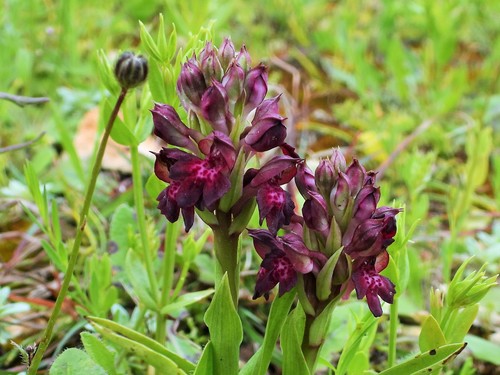
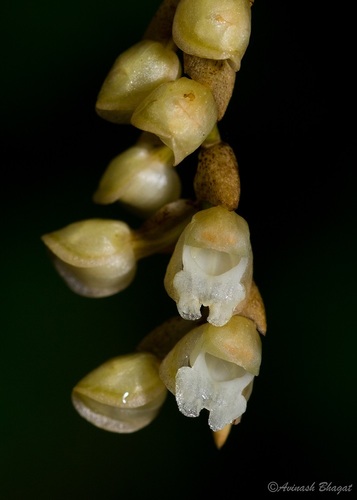
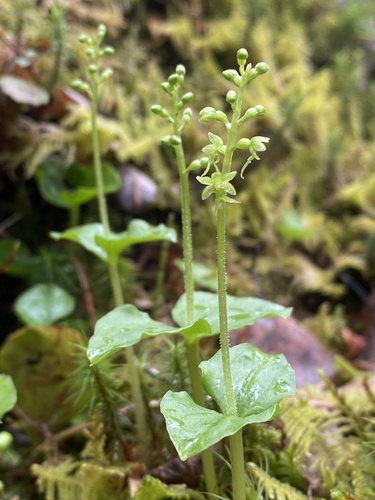
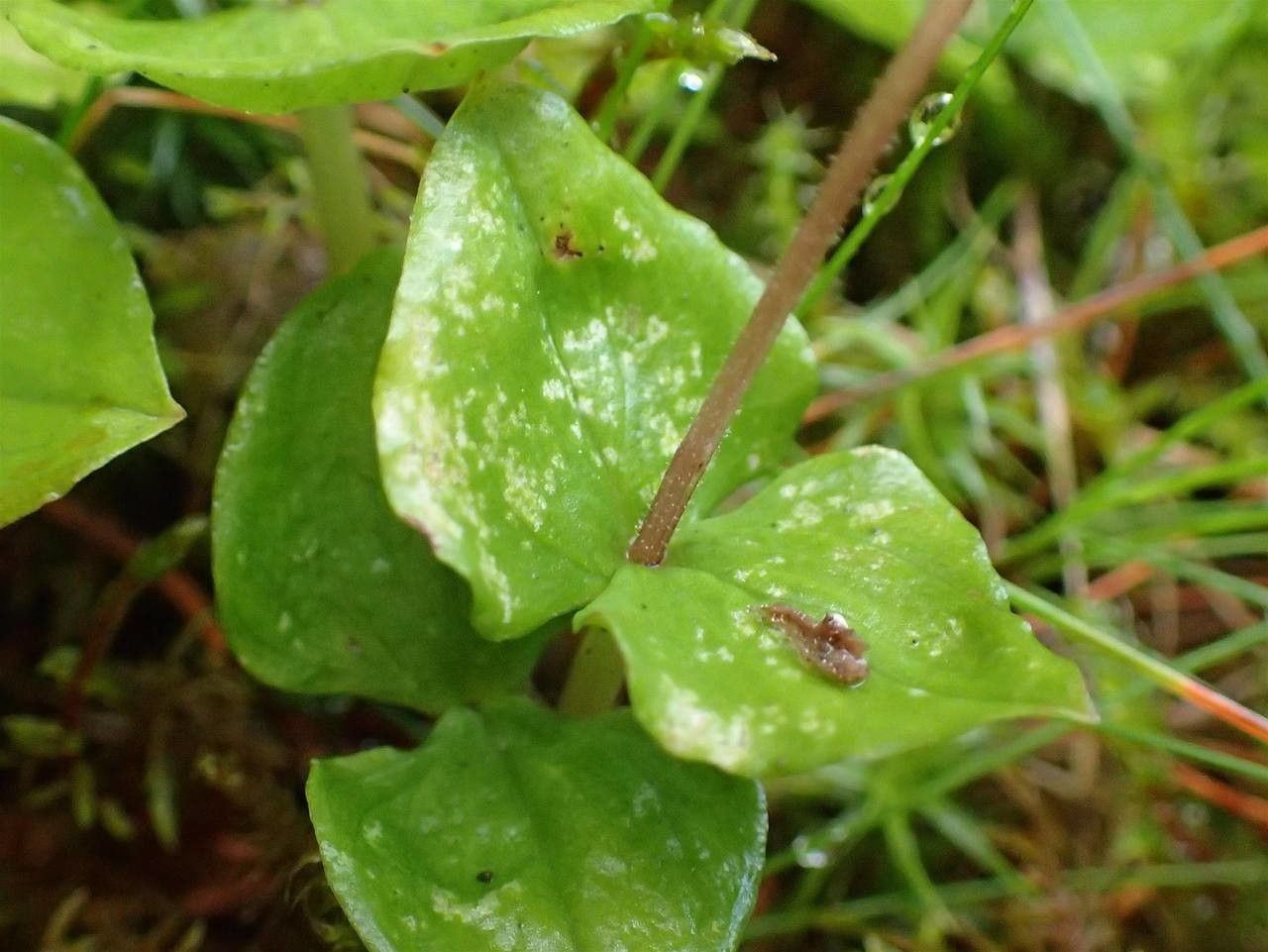
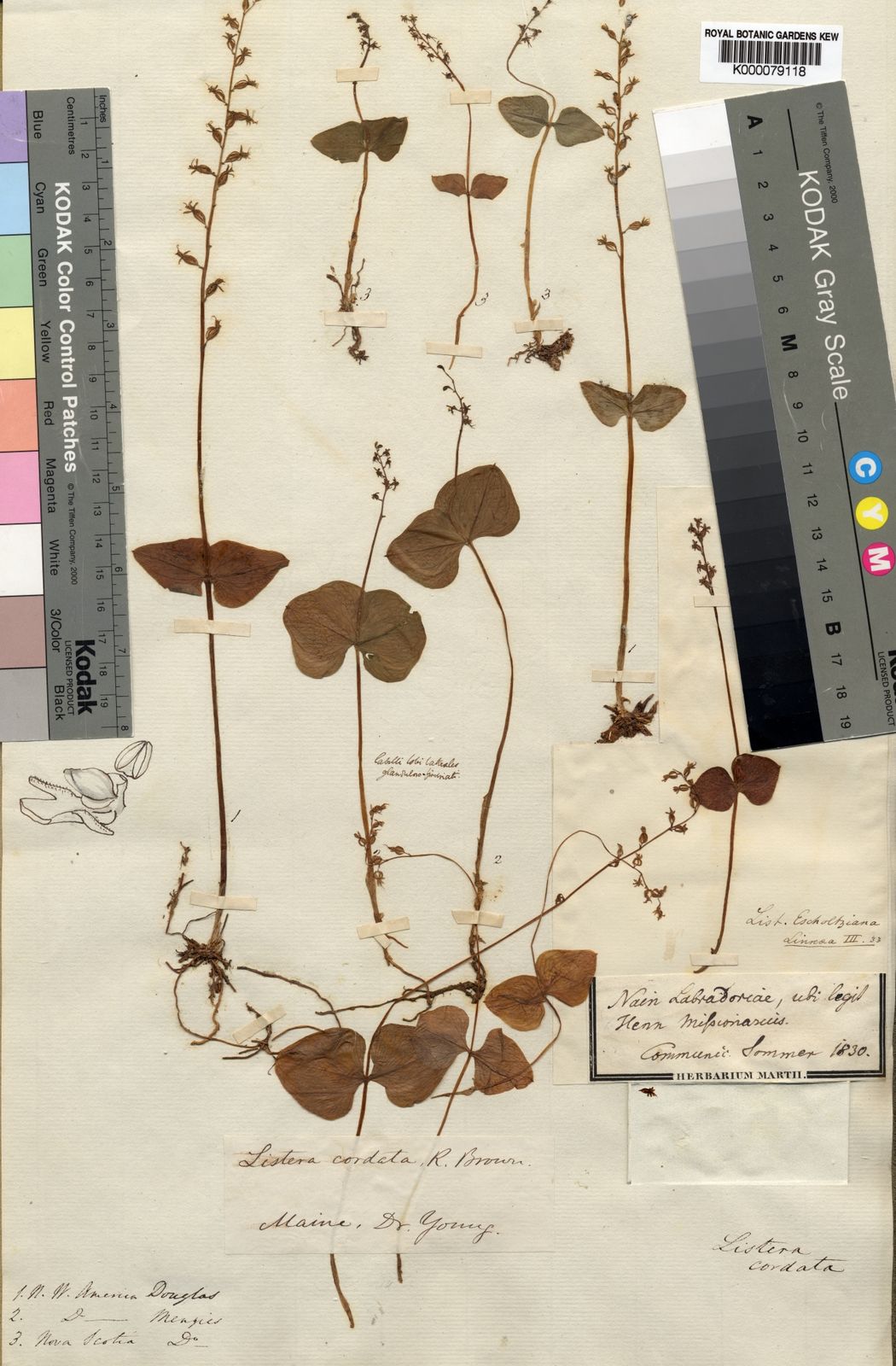
A small terrestrial orchid with heart-shaped leaves and tiny greenish-yellow flowers arranged in a spiral pattern on a slender stem.
Benefits & Perks
["rare/collector’s item","wildlife attractant (bees, butterflies, birds)"]
Botanical Classification
| Phylum: | Magnoliophyta |
| Class: | Liliopsida |
| Order: | Asparagales |
| Family: | Orchidaceae |
| Genus: | Neottia |
| Botanical Name: | Neottia cordata |
Plant Characteristics
Basic Information
- Category: Flowers
- Suitable Location: shaded woodland garden or shaded container
- Suitable For:
- Is Weed: No
- Allergenicity: low
Environmental Needs
- Climate: {"temperatureRange":"0–25°C"}
- Hardiness: {"zones":"3–7"}
- Misting: every 2–3 days in dry conditions
- Drainage: Well-draining but moisture-retentive.
- Soil Type: Humus-rich, acidic soil with good organic matter content.
Maintenance Level
- Maintenance Level: moderate
- Toughness Level: moderate
- Pruning Frequency: As needed, typically in early spring or after flowering.
- Pruning Intensity: Light pruning.
Care Details
Ideal Sunlight Coverage:
Shade to partial shade; 2–4 hours of indirect light per day, especially during peak growing season.
Sunlight Tolerance Tips:
Acclimate slowly to brighter light if moving from deep shade; protect from direct sunlight to prevent scorching; place in a sheltered location outdoors.
Care Requirements
Care Difficulty
challengingmoderate
Sunlight
partial shade to full shade
Avoid direct sun; provide dappled light; monitor for signs of stress.
Watering
every 7–10 days during active growth, reduce in winter
Water sparingly; avoid waterlogged soil; ensure good drainage.
Soil
moist, acidic, humus-rich soil
pH: Acidic, pH 4.5–6.0.
Use acidic amendments; ensure good drainage; maintain moisture balance.
Temperature
Cool to moderate temperatures, ideally 50–65°F (10–18°C). Prefers cooler conditions during dormancy.
Keep cool in summer; protect from frost; maintain stable temperatures.
Fertilizing
every 4–6 weeks during spring and summer, none in winter
Use sparingly; avoid over-fertilization; fertilize only when actively growing.
Propagation
Methods
Division of rhizomes or seed propagation (challenging).
Step-by-Step Propagation Guide
- Divide rhizomes carefully.
- Plant in prepared medium.
- Maintain moisture and humidity.
- Wait for new growth.
Best Time: Early spring when new growth begins.
Environment
High humidity, indirect light, and cool temperatures (50–60°F or 10–15°C).
Medium
Humus-rich, well-draining soil with added perlite or sand.
Hormone
Not typically required for rhizome division; optional for seeds.
Timeline
Rhizome division may establish in 1–2 months; seeds can take 1–2 years to germinate and establish.
Tools Needed
Clean knife, small trowel, humidity dome (optional).
Quick Tips
Divide gently; keep moist; provide consistent conditions.
Pruning & Repotting
Pruning Guide
Method
Snip dead or yellowing leaves at the base; avoid cutting into healthy growth.
Pruning Plan
Minimal pruning required; focus on removing dead or damaged foliage to maintain plant health.
Tools
Clean scissors or small pruning shears.
Checklist
Check for dead foliage; sanitize tools; prune carefully; dispose of clippings.
Repotting Guide
Best Season
Early spring before active growth begins.
Pot Size
One size up; increase pot diameter by 1–2 inches.
Method
Gently remove the plant; trim any dead roots; repot in fresh, well-draining soil with a slightly larger pot.
Suggestions
Repot only when the plant becomes root-bound or the soil degrades, typically every 2–3 years.
Checklist
Check root health; prepare new pot; use fresh soil; water lightly after repotting.
Advanced Care Tips
Watering Mastery
Watering Checklist
Check soil moisture; water lightly; ensure drainage; avoid wetting foliage.
How to Apply Water Properly
Water directly at the root zone, ensuring the soil is moistened without saturating it. Water early in the morning to allow foliage to dry before nightfall.
Watering Schedule Tips
Water lightly and infrequently, allowing the soil to dry out between waterings. Reduce watering during dormancy in winter.
Soil Improvement
Add peat moss, leaf mold, or fine bark to improve acidity and structure; ensure good aeration.
Temperature Stress Management
Signs of Temperature Issues
Wilting, yellowing leaves, or cessation of growth in response to extreme heat or cold.
Cold Stress
Prolonged exposure to temperatures below 40°F (4°C) can damage roots and inhibit growth.
Solution: Provide insulation with mulch; move potted plants to a sheltered location; avoid drafts.
Hot Stress
Excessive heat can cause leaf scorch, dehydration, and reduced flowering.
Solution: Increase humidity; provide shade; water carefully to avoid overheating the roots.
Fertilizing Guide
Fertilizing Checklist
Check growth phase; dilute fertilizer; apply to soil; avoid foliage contact.
Fertilizing Method
Use a weak, balanced liquid fertilizer diluted to half strength every 4–6 weeks during the growing season. Avoid fertilizing during dormancy.
Common Problems & Solutions
Toxicity Warning
Cats
Non-toxicNeottia cordata is not known to be toxic to cats. There are no documented cases of adverse effects from ingestion or contact with this plant.
⚡ Toxic If:
if eaten
Dogs
Non-toxicNeottia cordata is not known to be toxic to dogs. There are no documented cases of adverse effects from ingestion or contact with this plant.
⚡ Toxic If:
if eaten
Humans
Non-toxicNeottia cordata is not known to exhibit toxic properties to humans. It is generally considered safe for handling and consumption, though it is not typically used as a food source.
⚡ Toxic If:
if eaten
Frequently Asked Questions
Q: How do I grow Neottia cordata?
A: It requires specific conditions, including cool temperatures, partial shade, and a well-draining, humus-rich soil.
Q: Is Neottia cordata toxic to pets?
A: No, it is non-toxic to dogs and cats.
Q: Why are the leaves turning yellow?
A: Yellow leaves may indicate poor drainage, overwatering, or insufficient light.
Quick Reference
| Family: | Orchidaceae |
| Care: | challenging |
| Light: | partial shade to full shade |
| Water: | every 7–10 days during activ |
Get Expert Care Tips
Download the Plantious app for personalized care reminders and plant identification!
Google Play App Store