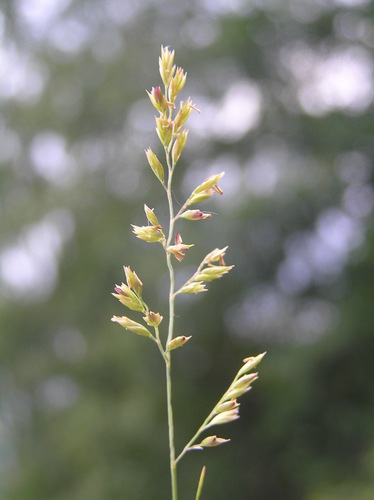
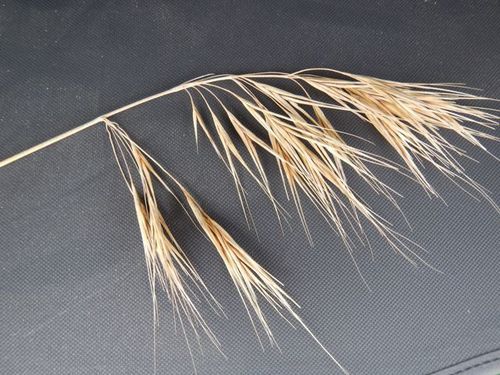
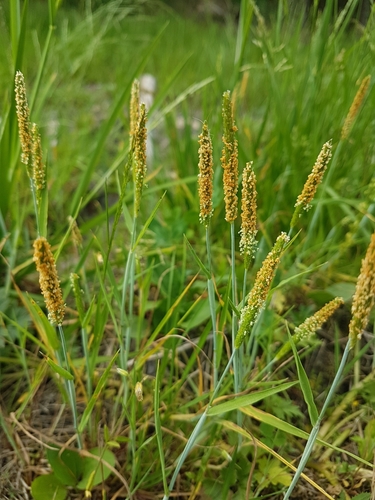
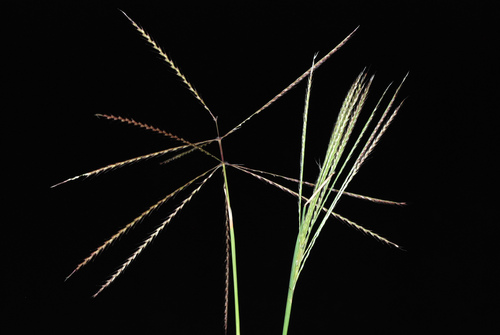
Finger Millet, Ragi
eleusine coracana
Also known as: ["Ragi","Korra","Nachni"]
Overview
A hardy annual grass cultivated for its nutritious grain, widely used in traditional diets in parts of Africa and Asia.
Benefits & Perks
["edible fruits","drought tolerant","wildlife attractant (bees, butterflies, birds)"]
Botanical Classification
| Phylum: | Magnoliophyta |
| Class: | Liliopsida |
| Order: | Poales |
| Family: | Poaceae |
| Genus: | Eleusine |
| Botanical Name: | Eleusine coracana |
Plant Characteristics
Basic Information
- Category: Grains
- Suitable Location: outdoor garden bed in full sun
- Suitable For:
- Is Weed: No
- Allergenicity: low
Environmental Needs
- Climate: {"temperatureRange":"15–35°C"}
- Hardiness: {"zones":"8–11"}
- Misting: rarely required
- Drainage: Fast-draining; susceptible to root rot in waterlogged soils.
- Soil Type: Well-draining loamy soil with added organic matter; tolerates poor soils but yields better in fertile conditions.
Maintenance Level
- Maintenance Level: low
- Toughness Level: very high
- Pruning Frequency: As needed; typically after harvest or if plants become overgrown.
- Pruning Intensity: Light; focus on tidying rather than shaping.
Care Details
Ideal Sunlight Coverage:
Full sun (6–8 hours of direct sunlight daily); tolerates partial shade but may produce fewer grains.
Sunlight Tolerance Tips:
Acclimate seedlings gradually to full sun to avoid scorching; in hot climates, provide some afternoon shade to prevent heat stress; ensure good air circulation to reduce humidity-related diseases.
Care Requirements
Care Difficulty
easyeasy
Sunlight
full sun
Rotate plants for even sun exposure; use shade cloth in extreme heat; avoid placing in drafty areas.
Watering
every 7–10 days during active growth, reduce in winter
Water thoroughly but infrequently; ensure soil dries between waterings; avoid overhead watering to prevent fungal issues.
Soil
well-draining, loamy soil with moderate organic matter
pH: Slightly acidic to neutral (pH 5.5–7.0).
Ensure good drainage; amend with organic matter; avoid compacted soil.
Temperature
Warm temperatures (20–30°C or 68–86°F); thrives in tropical and subtropical climates; sensitive to frost.
Avoid sudden temperature fluctuations; protect from frost; ensure good air circulation in hot weather.
Fertilizing
every 4–6 weeks during growing season
Avoid over-fertilizing to prevent lodging (stem breakage); apply fertilizer evenly around the base; water after fertilizing to activate nutrients.
Propagation
Methods
Seeds; direct sowing is preferred for rapid establishment.
Step-by-Step Propagation Guide
- Prepare soil.
- Sow seeds 1–2 cm deep.
- Thin seedlings to 10–15 cm apart.
- Water gently.
- Maintain warmth and light.
Best Time: Spring, after the last frost when soil temperatures are warm.
Environment
Warm, sunny conditions with consistent moisture; protect seedlings from strong winds.
Medium
Well-draining soil mix with compost or aged manure; can be sown directly in garden beds.
Hormone
Not required for seeds.
Timeline
Germination in 7–14 days; reaches maturity in 60–90 days.
Tools Needed
Garden trowel, watering can, seed tray or garden bed.
Quick Tips
Sow seeds in groups for better germination rates; keep soil consistently moist but not waterlogged; thin seedlings early to prevent competition.
Pruning & Repotting
Pruning Guide
Method
Snip off dead or diseased stems at the base; avoid cutting healthy growth.
Pruning Plan
Minimal pruning needed; remove dead or damaged stems if necessary.
Tools
Hand pruners or sharp scissors.
Checklist
Inspect for dead/damaged stems; use clean tools; make clean cuts; dispose of pruned material.
Repotting Guide
Best Season
N/A; grown directly in garden soil.
Pot Size
N/A; grown in garden beds or large containers if space is limited.
Method
N/A; direct sowing is standard practice.
Suggestions
Not typically repotted; grown as an annual crop in garden beds.
Checklist
N/A; focus on soil preparation and direct sowing.
Advanced Care Tips
Watering Mastery
Watering Checklist
Check soil moisture before watering; water deeply at the base; ensure proper drainage; adjust frequency based on season and growth stage.
How to Apply Water Properly
Water directly at the base of the plant, ensuring moisture reaches the root zone; allow excess water to drain freely; water early in the morning to minimize evaporation and fungal growth.
Watering Schedule Tips
Water deeply once the top inch of soil is dry; reduce frequency in winter to prevent root rot.
Soil Improvement
Add compost or well-rotted manure to enhance fertility; incorporate sand or perlite for drainage; avoid heavy clay soils.
Temperature Stress Management
Signs of Temperature Issues
Chlorosis or wilting in excessive heat; stunted growth or browning in cold stress; delayed flowering in suboptimal temperatures.
Cold Stress
Low temperatures slow growth and can cause leaf damage or death; may lead to reduced grain yield.
Solution: Plant in frost-free areas; use row covers or cloches in cooler climates; ensure good soil drainage to prevent cold waterlogging.
Hot Stress
Excessive heat can cause wilting, reduced photosynthesis, and grain abortion; may lead to premature flowering.
Solution: Provide afternoon shade in extreme heat; maintain consistent soil moisture; use mulch to retain soil coolness.
Fertilizing Guide
Fertilizing Checklist
Use balanced fertilizer; apply during active growth; avoid late-season fertilization; water after application.
Fertilizing Method
Use a balanced, slow-release fertilizer at planting; side-dress with nitrogen-rich fertilizer during active growth; reduce fertilization in late summer/autumn.
Common Problems & Solutions
Toxicity Warning
Cats
Non-toxicEleusine coracana is not toxic to cats. The seeds are safe for feline consumption in small quantities, though they are not a natural part of a cat's diet and should not replace meat-based nutrition.
⚠️ Symptoms:
🌿 Toxic Parts:
⚡ Toxic If:
if eaten
Dogs
Non-toxicFinger millet is not toxic to dogs when consumed in moderation. It is a gluten-free grain that can be included in a balanced canine diet, though excessive consumption may cause digestive upset due to its high fiber content.
⚠️ Symptoms:
🌿 Toxic Parts:
⚡ Toxic If:
if eaten
Humans
Non-toxicEleusine coracana, commonly known as finger millet, is generally considered safe for human consumption when properly processed. However, raw or improperly processed seeds may contain low levels of antinutritional factors such as phytates and tannins, which can interfere with nutrient absorption but are not considered toxic.
⚠️ Symptoms:
🌿 Toxic Parts:
⚡ Toxic If:
if eaten raw or improperly processed
Frequently Asked Questions
Q: Is Finger Millet suitable for gluten-free diets?
A: Yes, Finger Millet is naturally gluten-free and is a staple in gluten-free diets.
Q: How does Finger Millet compare to other grains in terms of nutrition?
A: Finger Millet is exceptionally high in calcium and iron, and has a low glycemic index compared to many other grains.
Q: Can Finger Millet be grown in arid regions?
A: Yes, Finger Millet is highly drought-tolerant and thrives in arid and semi-arid regions.
Quick Reference
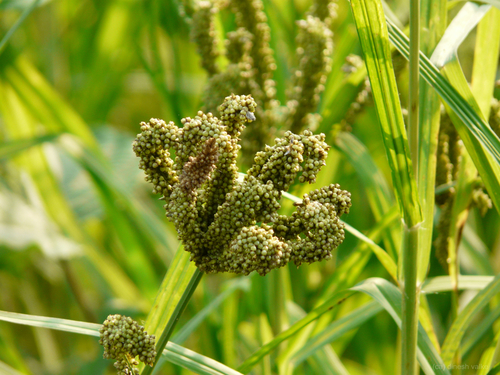
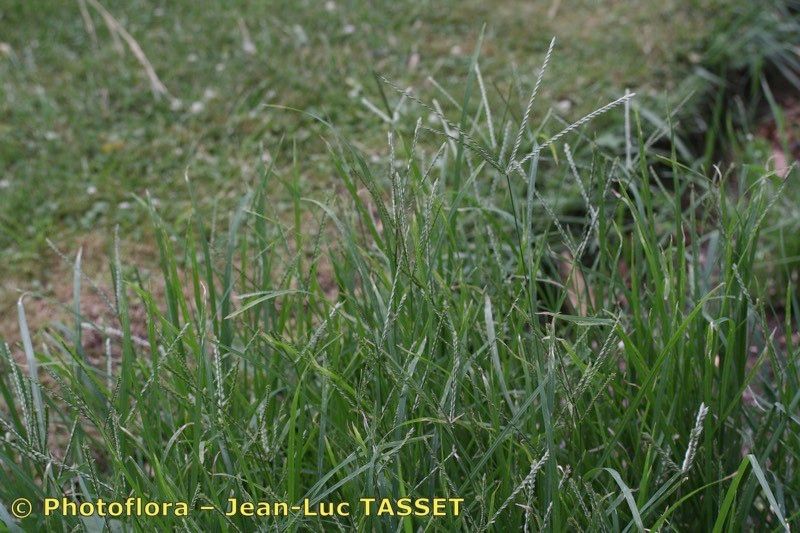

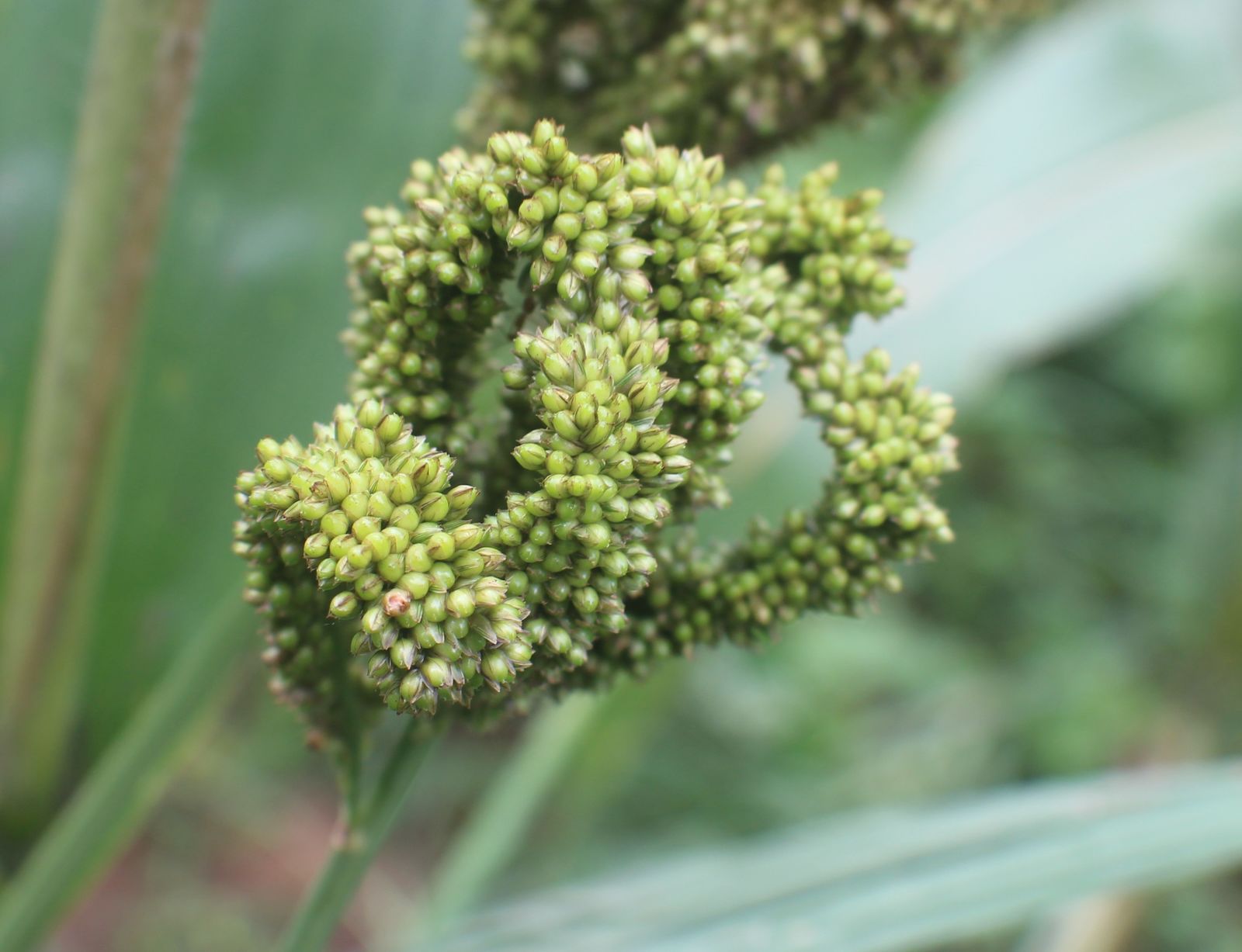
| Family: | Poaceae |
| Care: | easy |
| Light: | full sun |
| Water: | every 7–10 days during activ |
Get Expert Care Tips
Download the Plantious app for personalized care reminders and plant identification!
Google Play App Store