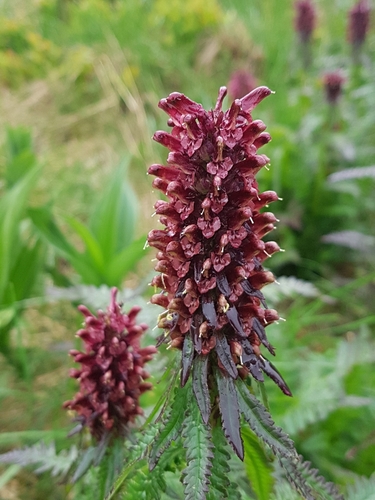
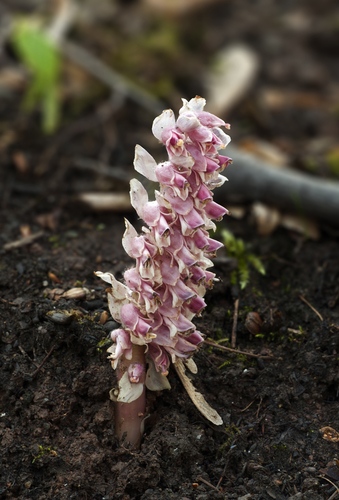
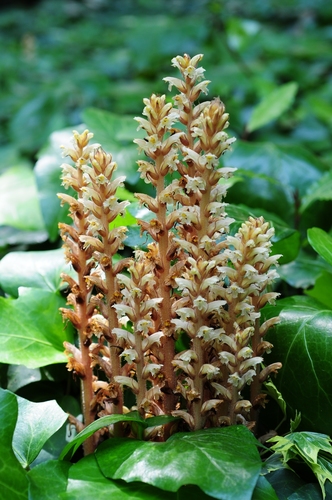
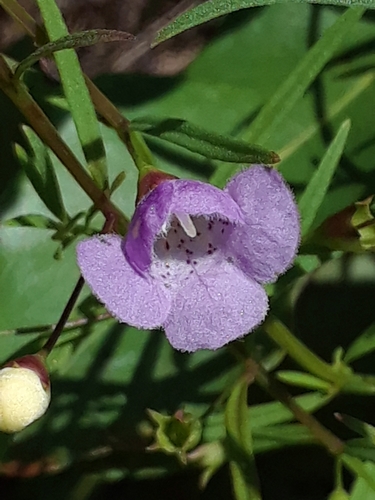
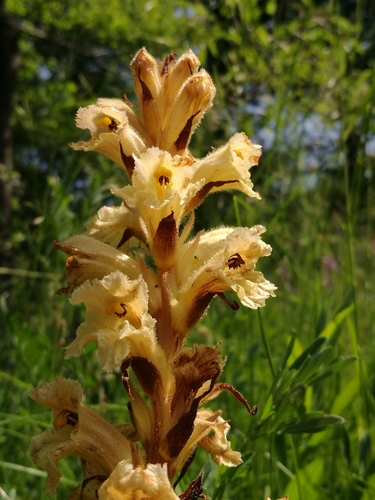
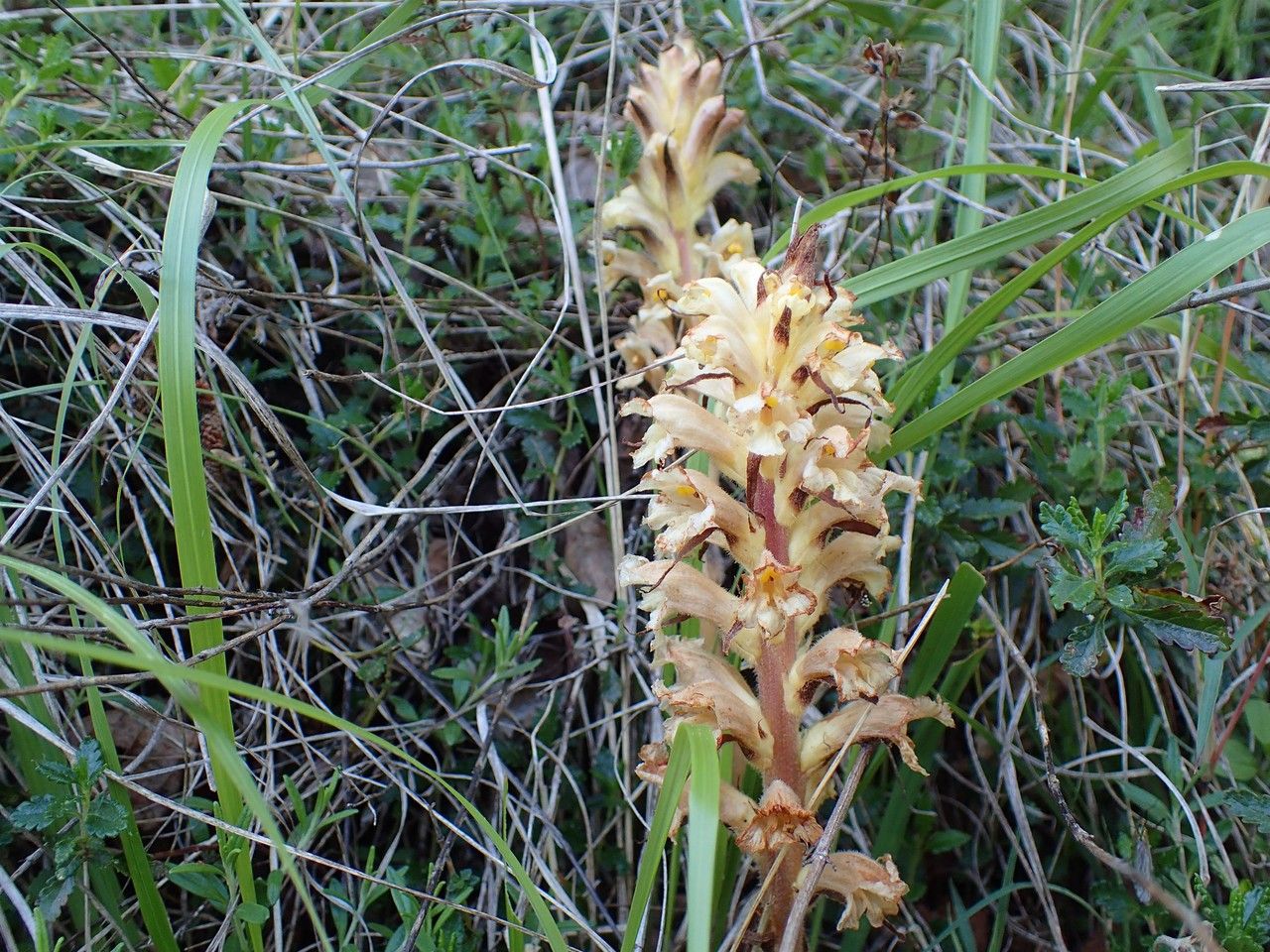
Yellow Broomrape
orobanche lutea
Also known as: ["Yellow Broomrape"]
Overview
A parasitic herbaceous plant lacking chlorophyll, typically found attached to the roots of host plants.
Benefits & Perks
["rare/collector’s item"]
Botanical Classification
| Phylum: | Magnoliophyta |
| Class: | Magnoliopsida |
| Order: | Lamiales |
| Family: | Orobanchaceae |
| Genus: | Orobanche |
| Botanical Name: | Orobanche lutea |
Plant Characteristics
Basic Information
- Category: Herbs & Weeds
- Suitable Location: open ground, often found as a parasitic plant on host species
- Suitable For:
- Is Weed: No
- Allergenicity: low
Environmental Needs
- Climate: {"temperatureRange":"10–30°C"}
- Hardiness: {"zones":"5–8"}
- Misting: not required
- Drainage: Fast-draining to prevent waterlogging.
- Soil Type: Well-draining soil mix for the host plant (e.g., cactus mix with organic matter).
Maintenance Level
- Maintenance Level: very low
- Toughness Level: very low
- Pruning Frequency: N/A
- Pruning Intensity: N/A
Care Details
Ideal Sunlight Coverage:
Host plant should receive bright indirect light for 6–8 hours daily; Orobanche itself does not require direct sunlight.
Sunlight Tolerance Tips:
Acclimate the host plant gradually to sunlight changes; avoid placing in direct scorching sun; ensure indoor placement mimics natural light conditions.
Care Requirements
Care Difficulty
expert onlychallenging
Sunlight
full sun to partial shade
Rotate host plant for even light exposure; use sheer curtains to filter intense light; monitor for signs of sunburn.
Watering
rarely required, only when soil is completely dry
Water only when the host plant shows signs of stress; ensure the host's soil is well-drained to prevent waterlogging.
Soil
well-drained, sandy or gravelly soil
pH: Slightly acidic to neutral (pH 6.0–7.0) for the host plant.
Use a mix that doesn't retain excess moisture; avoid heavy clay soils; ensure pH balance.
Temperature
Host plant ideal range: 65–75°F (18–24°C); Orobanche tolerates the same range as its host.
Monitor host plant temperature; adjust placement seasonally; avoid drafts.
Fertilizing
not required
Use a balanced fertilizer for the host; dilute to half strength; apply every 4–6 weeks.
Propagation
Methods
Seed propagation is the primary method; host plant health is critical for successful germination.
Step-by-Step Propagation Guide
- Sow seeds near host roots.
- Maintain moisture.
- Protect from direct light.
- Monitor for germination.
Best Time: Spring, when host plant is actively growing and temperatures are mild.
Environment
High humidity, consistent warmth, and indirect light near the host plant.
Medium
Sphagnum moss or sterile seed-starting mix around the host plant's roots.
Hormone
Not applicable for seed propagation.
Timeline
Germination may take several weeks to months; establishment depends on host plant health.
Tools Needed
Seed trays, sterile soil, humidity dome, labels.
Quick Tips
Ensure seeds are in close contact with host roots; maintain consistent moisture; be patient with germination.
Pruning & Repotting
Pruning Guide
Method
N/A
Pruning Plan
Not applicable to Orobanche; focus on managing the host plant's growth.
Tools
N/A
Checklist
N/A
Repotting Guide
Best Season
Spring, before active growth begins.
Pot Size
One size up from current pot; ensure adequate drainage.
Method
Carefully transfer host plant to a new pot with fresh soil; ensure minimal disturbance to Orobanche attachments.
Suggestions
Repot the host plant if roots are crowded or soil is depleted; Orobanche will follow the host.
Checklist
Prepare new pot; gently remove host plant; preserve Orobanche connections; use fresh soil.
Advanced Care Tips
Watering Mastery
Watering Checklist
Check host plant moisture; water sparingly; ensure drainage; monitor Orobanche health.
How to Apply Water Properly
Water the host plant at the root zone, ensuring even moisture without saturation. Avoid overhead watering to prevent fungal issues.
Watering Schedule Tips
Water sparingly, as Orobanche lutea is a parasitic plant and relies on a host for moisture. Avoid direct watering unless the host plant requires it.
Soil Improvement
Add perlite or sand for drainage; incorporate compost for fertility; ensure aeration.
Temperature Stress Management
Signs of Temperature Issues
Chlorosis, wilting, or bud drop in the host plant; Orobanche may fail to thrive if host is stressed.
Cold Stress
Low temperatures can slow host plant growth, reducing Orobanche's ability to parasitize effectively.
Solution: Move host plant to a warmer location; use a heat mat if necessary; ensure minimal temperature fluctuations.
Hot Stress
Excessive heat can cause host plant wilting or leaf scorch, stressing Orobanche.
Solution: Provide shade during peak heat; increase humidity around the host plant; ensure adequate watering.
Fertilizing Guide
Fertilizing Checklist
Fertilize host only; use diluted solution; avoid contact with Orobanche.
Fertilizing Method
Fertilize the host plant lightly during growing season; avoid fertilizing Orobanche directly.
Common Problems & Solutions
Toxicity Warning
Cats
ToxicOrobanche lutea is toxic to cats, with alkaloids and other compounds capable of inducing severe gastrointestinal and systemic reactions.
⚠️ Symptoms:
🌿 Toxic Parts:
⚡ Toxic If:
if eaten
Dogs
ToxicOrobanche lutea poses a toxic risk to dogs due to its alkaloid content, which can cause significant gastrointestinal upset and other systemic effects.
⚠️ Symptoms:
🌿 Toxic Parts:
⚡ Toxic If:
if eaten
Humans
ToxicOrobanche lutea is considered toxic due to the presence of various alkaloids and other secondary metabolites that can have adverse physiological effects on humans. Consumption can lead to gastrointestinal distress and other systemic issues.
⚠️ Symptoms:
🌿 Toxic Parts:
⚡ Toxic If:
if eaten
Frequently Asked Questions
Q: Is Orobanche lutea toxic to humans?
A: The toxicity of Orobanche lutea to humans is unknown.
Q: How does Orobanche lutea grow?
A: It is a parasitic plant that grows by attaching to the roots of host plants and lacks chlorophyll.
Q: Is Orobanche lutea considered a weed?
A: Yes, it is considered a weed due to its parasitic nature and potential to harm host plants.
Quick Reference


| Family: | Orobanchaceae |
| Care: | expert only |
| Light: | full sun to partial shade |
| Water: | rarely required, only when soi |
Get Expert Care Tips
Download the Plantious app for personalized care reminders and plant identification!
Google Play App Store