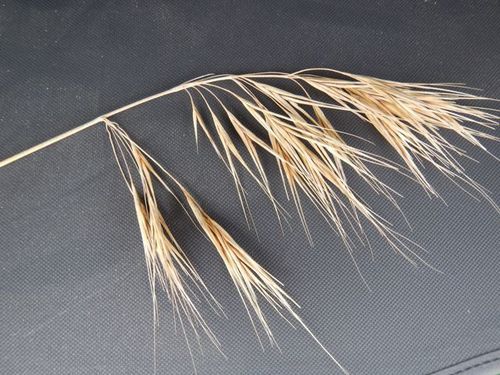
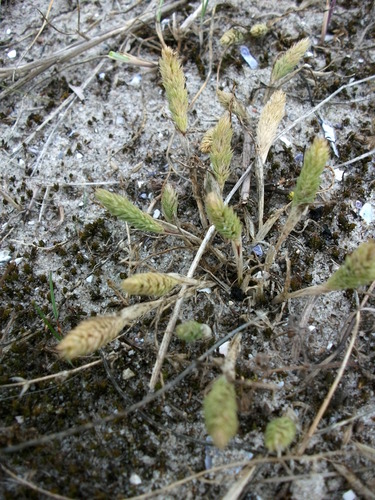
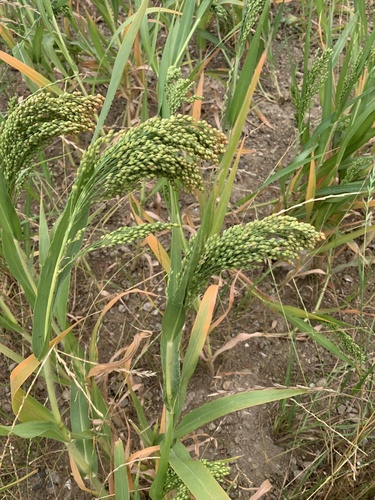
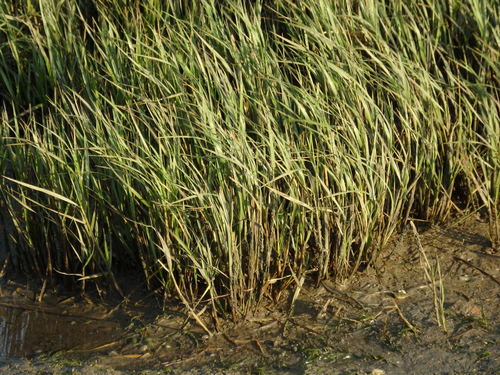
Barley
hordeum vulgare
Also known as: ["Barley grass","Brewer's barley"]
Overview
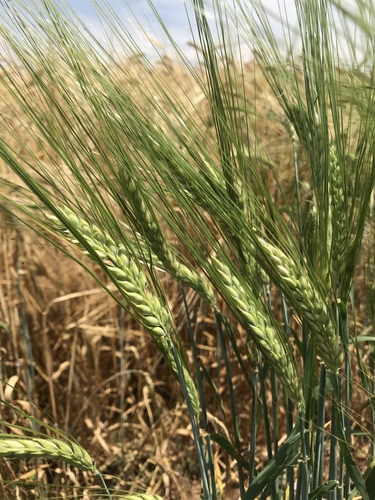
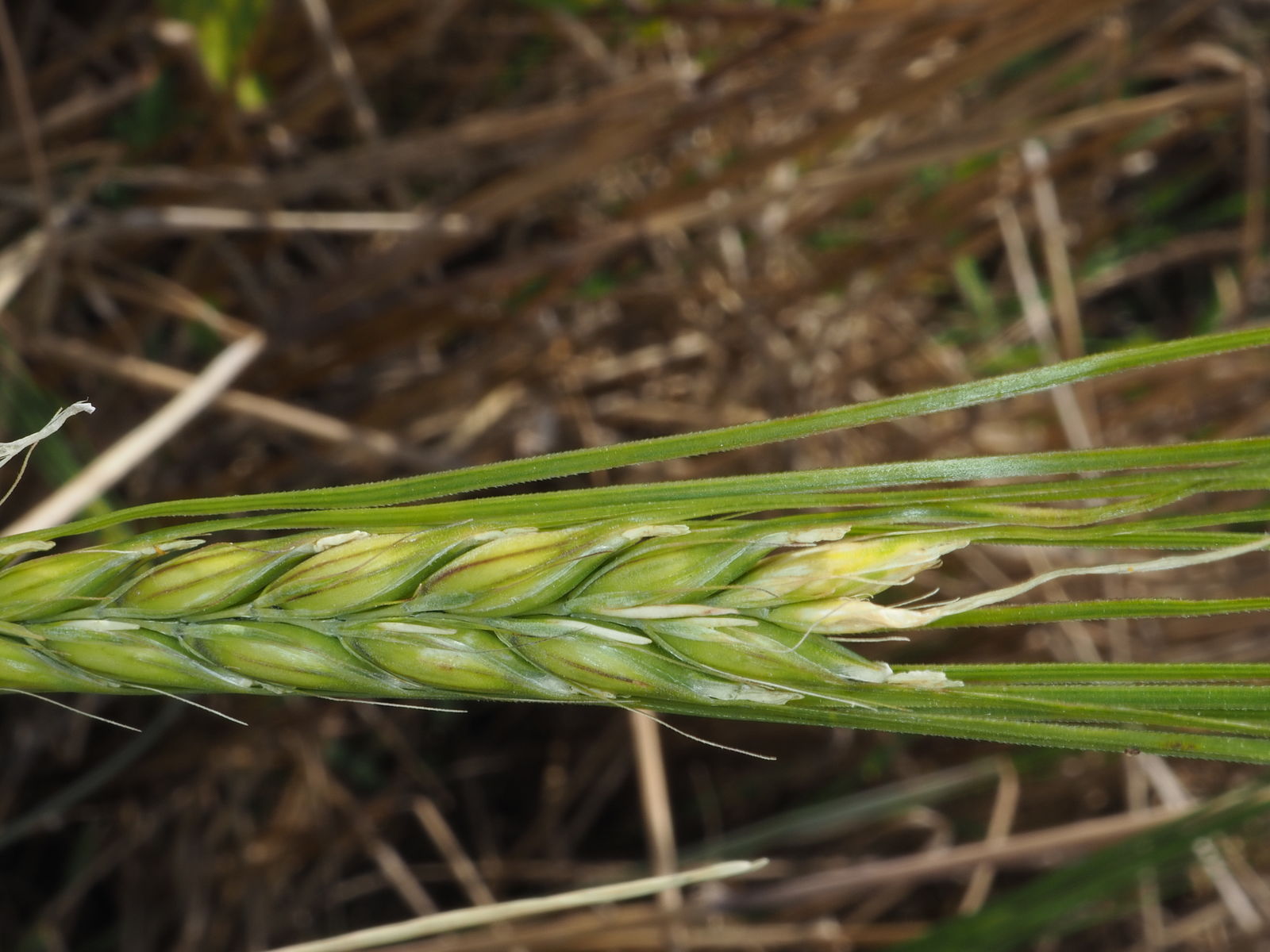
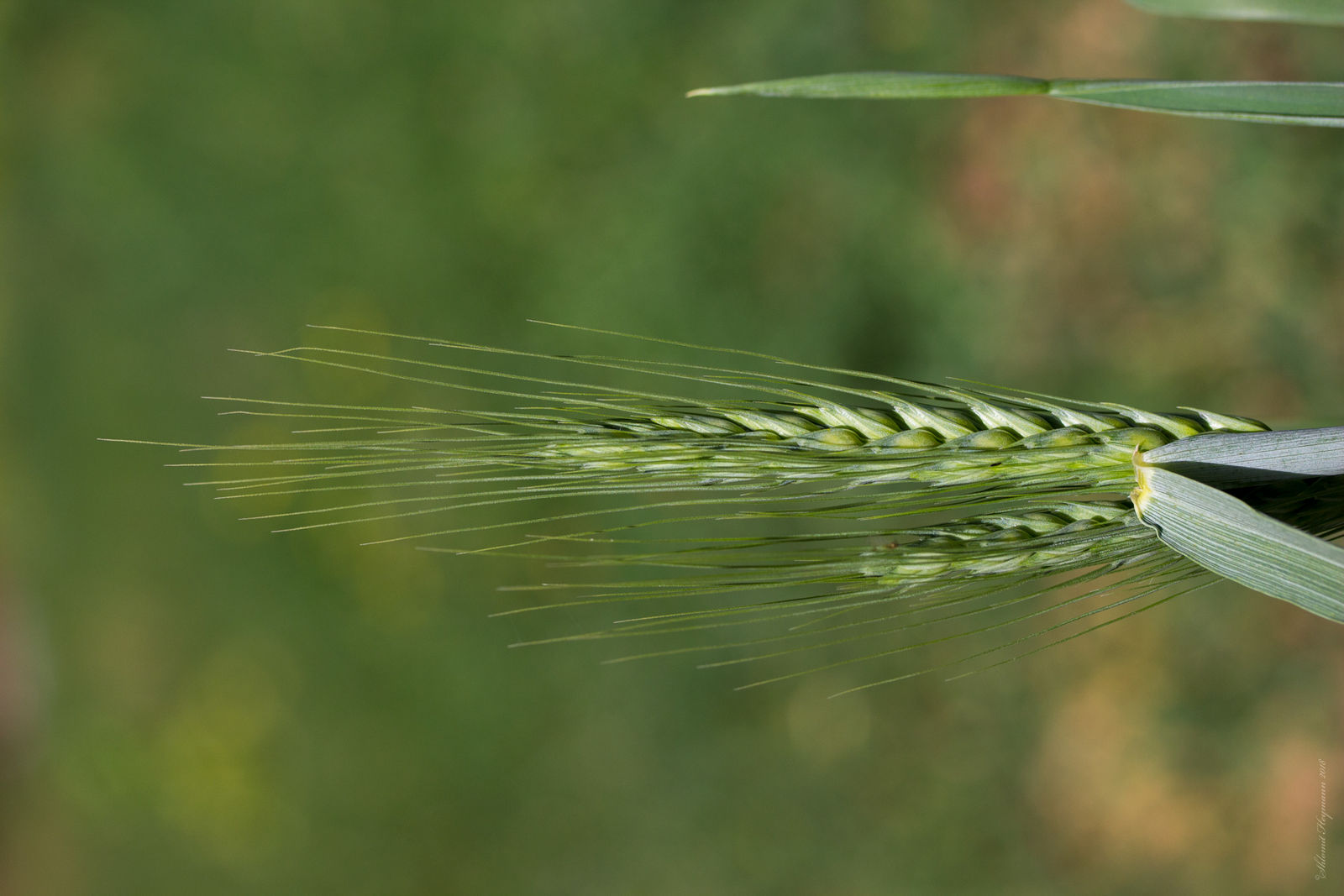
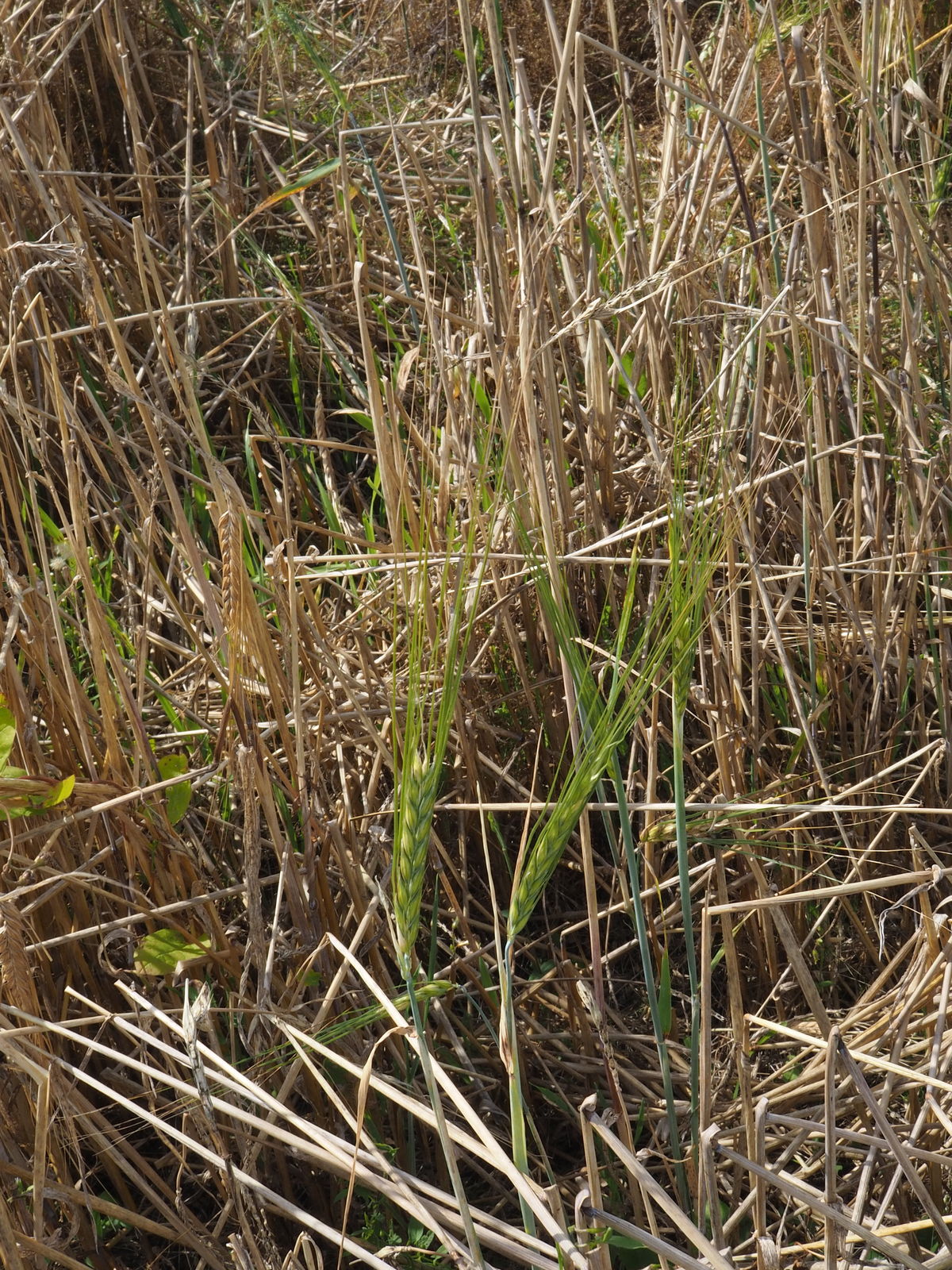
A widely cultivated cereal grain, Hordeum vulgare is a major component of human and animal diets, particularly in the production of beer and animal feed.
Benefits & Perks
["edible fruits","drought tolerant","wildlife attractant (bees, butterflies, birds)"]
Botanical Classification
| Phylum: | Magnoliophyta |
| Class: | Liliopsida |
| Order: | Poales |
| Family: | Poaceae |
| Genus: | Hordeum |
| Botanical Name: | Hordeum vulgare |
Plant Characteristics
Basic Information
- Category: Fruits
- Suitable Location: outdoor garden bed in open field
- Suitable For:
- Is Weed: No
- Allergenicity: low
Environmental Needs
- Climate: {"temperatureRange":"5–30°C"}
- Hardiness: {"zones":"4–9"}
- Misting: rarely required
- Drainage: Fast-draining to prevent waterlogging.
- Soil Type: Loamy, well-draining soil with added organic matter.
Maintenance Level
- Maintenance Level: moderate
- Toughness Level: high
- Pruning Frequency: As needed, typically after flowering or when deadheading is required.
- Pruning Intensity: Light pruning; remove only dead or diseased parts.
Care Details
Ideal Sunlight Coverage:
Full sun (6–8 hours of direct sunlight daily); adjust for seasonal changes to prevent scorching in peak summer.
Sunlight Tolerance Tips:
Acclimate plants gradually to intense sunlight; provide shade during extreme heat; ensure proper ventilation for indoor plants.
Care Requirements
Care Difficulty
easyeasy
Sunlight
full sun
Rotate plants for even light exposure; use sheer curtains to filter intense sunlight; avoid placing near heat sources.
Watering
every 7–10 days during active growth, less frequently in dormant periods
Water evenly to avoid dry patches; ensure soil dries slightly between waterings; avoid overhead watering to prevent fungal issues.
Soil
well-drained, loamy soil with moderate fertility
pH: Slightly acidic to neutral (pH 6.0–7.0).
Avoid heavy clay soils; ensure pots have drainage holes; test soil pH annually.
Temperature
Optimal range 60–75°F (15–24°C); tolerates cooler temperatures but thrives in moderate warmth.
Monitor temperature fluctuations; use a thermometer to track conditions; adjust care based on seasonal changes.
Fertilizing
every 4–6 weeks during growing season with balanced fertilizer
Fertilize in early morning or evening; avoid fertilizing dry soil; flush soil occasionally to prevent salt buildup.
Propagation
Methods
Seed propagation is most common; stem cuttings can also be used for some varieties.
Step-by-Step Propagation Guide
- Prepare medium.
- Sow seeds or take cuttings.
- Maintain consistent moisture.
- Transplant once established.
Best Time: Spring or early summer when temperatures are mild and growth is active.
Environment
Warm (70–75°F), high humidity (70–80%), and bright indirect light.
Medium
Well-draining seed starting mix or a mix of peat and perlite.
Hormone
Not typically required for seeds; rooting hormone can aid stem cuttings.
Timeline
Seeds germinate in 7–14 days; stem cuttings root in 2–4 weeks.
Tools Needed
Seed trays, pots, rooting hormone, misting spray bottle, heat mat.
Quick Tips
Use sterile tools to prevent disease; maintain consistent moisture; provide gentle air circulation.
Pruning & Repotting
Pruning Guide
Method
Snip off dead or yellowing leaves at the base; trim back flowering stems after bloom.
Pruning Plan
Minimal pruning needed; focus on removing dead or damaged foliage to maintain health.
Tools
Pruning shears, scissors, or sharp knife.
Checklist
Clean tools before use; prune during dry conditions; dispose of pruned material properly.
Repotting Guide
Best Season
Spring, before the active growing season begins.
Pot Size
Choose a pot one size larger (1–2 inches wider) than the current one.
Method
Remove plant gently; trim any circling roots; repot in fresh soil with improved drainage.
Suggestions
Repot only if the plant becomes root-bound or outgrows its container; typically every 2–3 years.
Checklist
Prepare new pot with drainage holes; use fresh soil mix; water lightly after repotting.
Advanced Care Tips
Watering Mastery
Watering Checklist
Check soil moisture daily; water early morning or late evening; ensure proper drainage.
How to Apply Water Properly
Water at the base of the plant, ensuring moisture reaches the root zone; water until it drains from the bottom, but avoid waterlogging.
Watering Schedule Tips
Water deeply once the top inch of soil feels dry; reduce frequency in winter to prevent root rot.
Soil Improvement
Add perlite or sand for drainage; incorporate compost for fertility; ensure aeration with organic matter.
Temperature Stress Management
Signs of Temperature Issues
Yellowing leaves (cold stress), wilting or browning leaf edges (heat stress), stunted growth.
Cold Stress
Slows growth, may cause leaf discoloration, and increases susceptibility to diseases.
Solution: Move to a warmer location; use a heat mat for seedlings; cover plants during frost events.
Hot Stress
Leaves may scorch, growth may slow, and water demand increases.
Solution: Provide shade during peak heat; increase watering frequency; use mulch to retain soil moisture.
Fertilizing Guide
Fertilizing Checklist
Check fertilizer label for NPK ratio; water before fertilizing; apply evenly around the root zone.
Fertilizing Method
Use balanced liquid fertilizer diluted to half strength every 4–6 weeks during active growth; reduce or stop in winter.
Common Problems & Solutions
Toxicity Warning
Cats
Non-toxicBarley is not considered toxic to cats. While cats are obligate carnivores and do not typically consume grains, barley is not harmful if ingested in small quantities.
⚡ Toxic If:
None
Dogs
Non-toxicBarley is not considered toxic to dogs. It can be included in dog food formulations as a source of carbohydrates and fiber, provided it is cooked and prepared appropriately.
⚡ Toxic If:
None
Humans
Non-toxicHordeum vulgare, commonly known as barley, is a cereal grain that is generally considered non-toxic to humans. It is widely consumed as a staple food and is a common ingredient in various food products.
⚡ Toxic If:
None
Frequently Asked Questions
Q: Is barley safe for human consumption?
A: Yes, barley is a staple food crop and is safe for human consumption.
Q: Can barley be grown in containers?
A: Barley is typically grown in fields, but it can be grown in large containers with adequate space and drainage.
Q: Does barley attract wildlife?
A: Yes, barley can attract birds and other wildlife that feed on its grains.
Quick Reference

| Family: | Poaceae |
| Care: | easy |
| Light: | full sun |
| Water: | every 7–10 days during activ |
Get Expert Care Tips
Download the Plantious app for personalized care reminders and plant identification!
Google Play App Store