Introduction
Many popular houseplants are mildly to severely toxic to cats and dogs. Learning fast visual cues—leaf shape, growth habit, and bloom type—helps you spot risk species and place them out of reach or replace them with safer alternatives.
1) Calcium oxalate plants: aroids with spathe & spadix
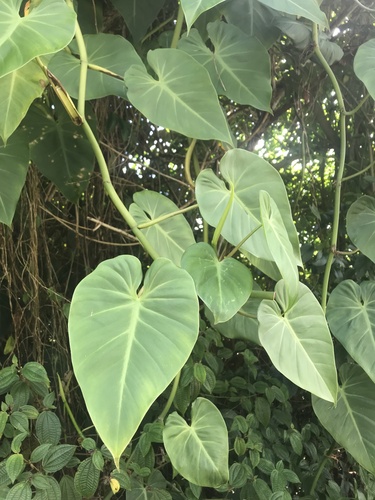
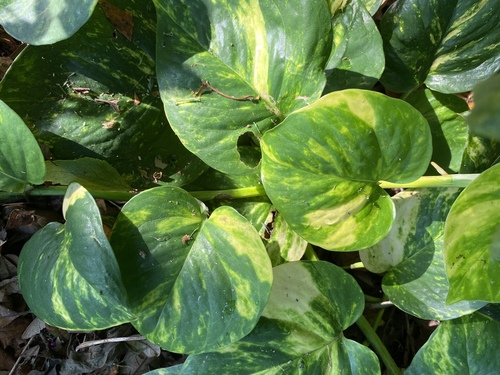
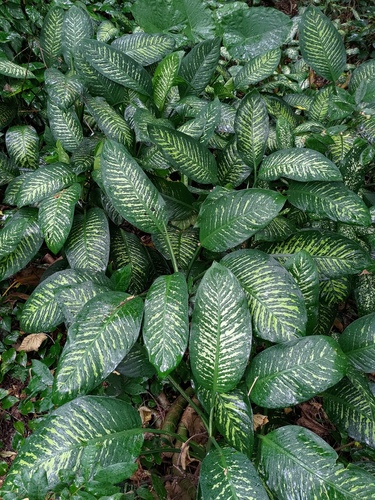
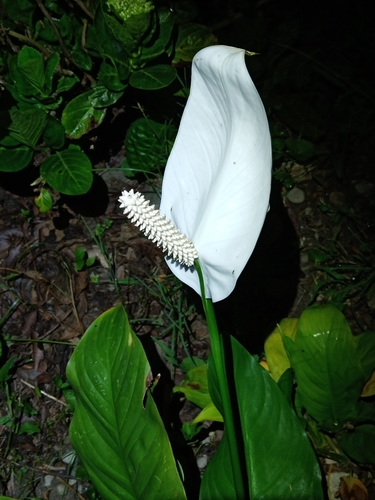
Several common aroids contain insoluble calcium oxalate crystals that can cause oral irritation, drooling, pawing at the mouth, and vomiting if chewed. Key examples include Philodendron (e.g., Philodendron hederaceum), Pothos/Devil’s Ivy (Epipremnum aureum), Dumb Cane (Dieffenbachia seguine), and Peace Lily (Spathiphyllum wallisii). Look for the signature spadix (a floral spike) and a surrounding spathe (a modified bract), plus heart-shaped or lanceolate leaves.
Know More: Calcium Oxalate Houseplants — Identification & Pet Symptoms2) Sago Palm (Cycas revoluta): highly toxic
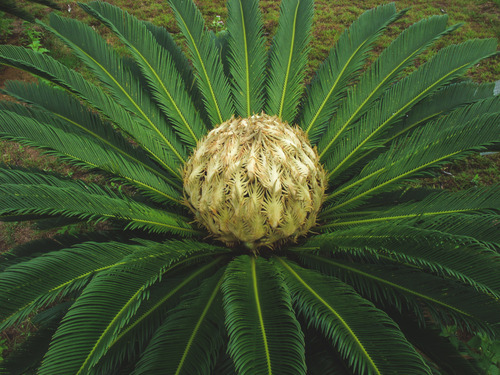
Cycas revoluta is not a true palm but a cycad. It bears stiff, feather-like fronds from a woody caudex and round, tan seeds (often the most toxic part). Ingestion can lead to gastrointestinal upset and potentially severe liver injury—treat as an emergency.
Know More: Sago Palm Indoor Safety — Identify & Risks to Pets3) True lilies vs. Peace Lily: a critical distinction for cats
True lilies (Lilium spp.) and daylilies (Hemerocallis spp.) are extremely dangerous to cats—even small exposures can be serious. Do not confuse them with Peace Lily (Spathiphyllum), which is an aroid (oxalates; typically less severe). True lilies have showy, trumpet or bowl-shaped flowers with prominent stamens; Peace Lilies show a spathe + spadix structure.
Know More: True Lilies vs Peace Lily — Identification & Cat Safety4) Trailing vines: Pothos vs. Heartleaf Philodendron
Both are popular and often placed on shelves. Epipremnum aureum (Pothos) shows thicker vines and leaves often variegated in gold or white with a distinct midrib; Philodendron hederaceum (Heartleaf Philodendron) has thinner petioles and matte, uniformly green, heart-shaped leaves. Both are oxalate plants and should be kept out of pet reach.
Know More: Pothos vs Heartleaf Philodendron — Quick ID & Pet Safety5) Other frequent offenders (quick cues)
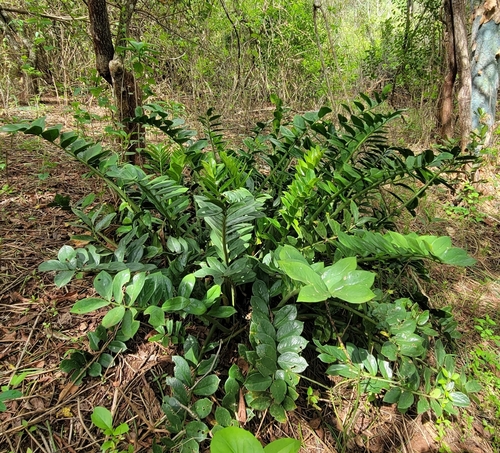
- ZZ Plant (Zamioculcas zamiifolia): glossy pinnate leaves on thick petioles; rhizomes store water.
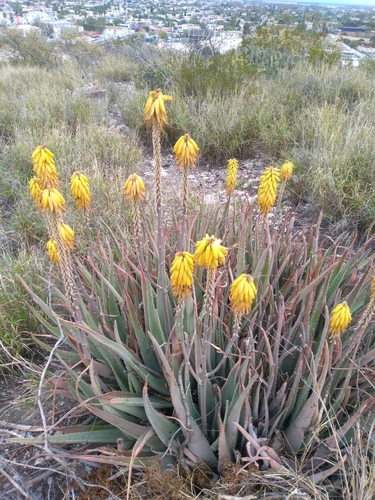
- Aloe vera (Aloe vera): succulent, toothed leaf margins; gel inside leaves.
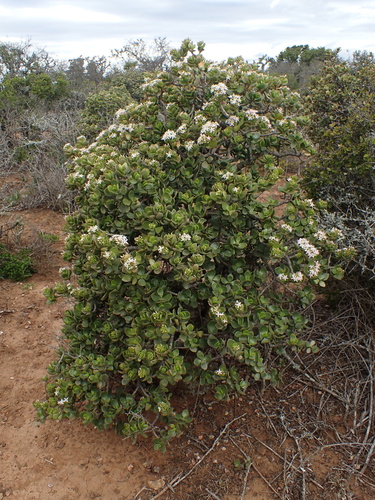
- Jade Plant (Crassula ovata): woody succulent with oval, fleshy leaves.
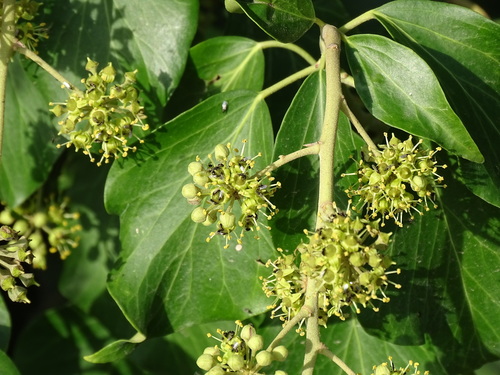
- English Ivy (Hedera helix): climbing/trailing vine with lobed leaves and aerial roots.
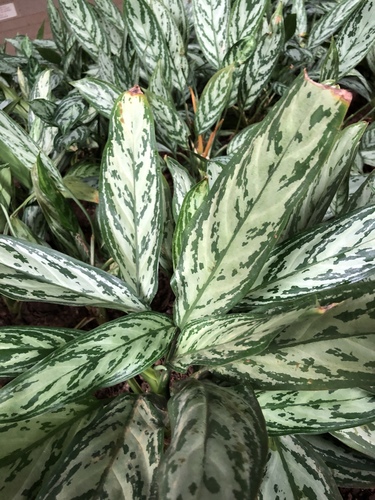
- Chinese Evergreen (Aglaonema commutatum): broad, often variegated leaves; clumping habit.
What to do if exposure happens
Remove plant material from the mouth, rinse gently, and contact a veterinarian or a poison helpline. Bring the plant (or clear photos) for accurate ID.