Introduction
The fastest way to diagnose watering problems is to check roots, moisture at depth, and leaf posture. Overwatering suffocates roots and invites rot; underwatering dehydrates tissues. Use the quick checks below to tell which one you are facing.
1) Root & soil feel test
Slide the plant out of its pot. Overwatered: soil is wet/compacted, smells sour; roots look brown/black and mushy. Underwatered: soil is dusty, shrunk from pot edges; roots feel papery and brittle.
Know More: Root & Soil Diagnostics for Watering Problems2) Moisture reality check (not just the top)
Topsoil can lie. Probe 5–10 cm for small pots, 10–15 cm for larger. If the core stays wet for days, it’s an overwatering pattern; if the core is bone-dry hours after watering, you likely underwater or the mix is too fast-draining.
3) Leaf symptoms & posture
- Overwatered: yellowing that starts on older leaves, limp but soft leaves, edema blisters, and stem mushiness.
- Underwatered: dull or grayish cast, crispy tips/edges, leaves droop but feel firm or papery, pot is very light.
4) Environment & potting mix clues
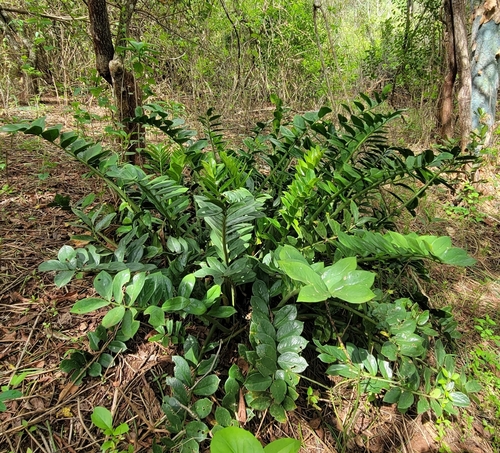
Low light slows drying (risk of overwatering). Terracotta dries faster than plastic. Dense mixes trap water; airy mixes with perlite/bark dry evenly. Match your mix to light and plant type (e.g., ZZ and Snake Plant prefer longer dry-downs).
Know More: Watering Rhythm & Mix Fixes That Actually Work5) Quick decision flow
- If roots are mushy → prune rot, repot into fresh airy mix, water lightly once, then extend intervals.
- If roots are bone-dry → deep soak and drain; resume with measured, thorough waterings.
- Adjust light/airflow so soil dries predictably between waterings.