Introduction
Yellowing leaves are a common cry for help from indoor plants. The cause can range from watering mistakes to lighting, nutrition, or simply the plant’s natural aging. Knowing the pattern — which leaves yellow first, and how they fall — will tell you exactly what’s wrong.
1) Overwatering and root rot
If the soil stays soggy and leaves turn yellow starting from the bottom, overwatering is the top suspect. Roots lose oxygen, leading to soft stems and eventually leaf drop.
Know More: Overwatering and Root Rot — Signs & Recovery2) Light imbalance
Too little light causes slow growth and pale, limp leaves. Too much direct sun, on the other hand, can bleach or burn foliage. You’ll notice crispy edges or yellow patches on the sunniest side of the plant.
Know More: Light Imbalance — Causes of Yellowing Leaves3) Nutrient or aging issues
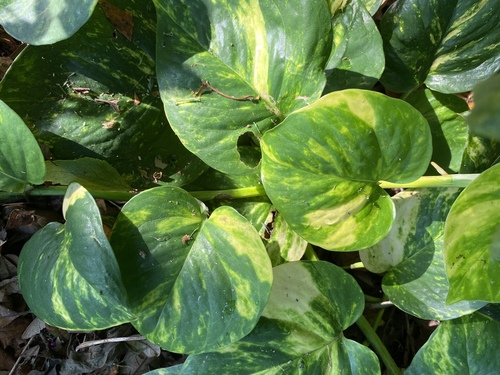
Lack of nitrogen, magnesium, or iron can make leaves fade or yellow between the veins. But if only the oldest leaves drop while new growth looks healthy, it might just be the plant’s normal aging cycle.
Know More: Nutrient Deficiency & Natural Aging in Yellow Leaves4) Check your watering and drainage setup
Always water deeply but let the top 2–3 cm of soil dry before watering again. Make sure your pot has drainage holes and avoid letting it sit in excess water.
5) Environmental stress
Cold drafts, dry air, or sudden location changes can shock indoor plants, causing rapid leaf yellowing and drop. Try to keep temperature and humidity consistent.
Conclusion
Yellow leaves aren’t always a death sentence — they’re your plant’s feedback. Observe patterns, adjust care habits, and your plant will soon return to lush, green growth.