Introduction
While most people recognize succulents by their leaves, the stem and root structures often reveal even more about the plant’s identity. Some store water in thickened stems, others hide swollen roots underground. Learning to read these traits helps you identify species more accurately.
1) Stem type: soft, woody, or columnar
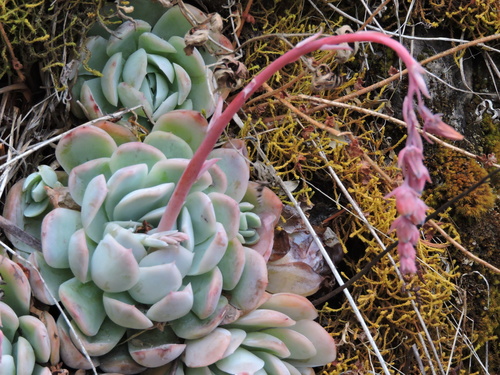
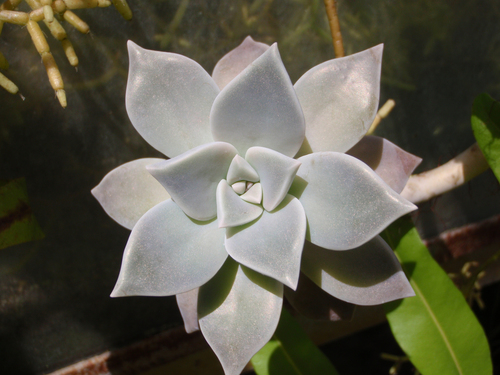
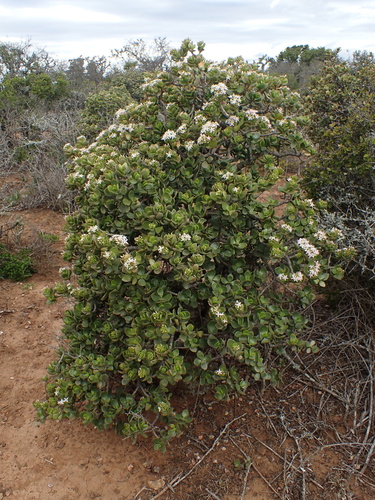
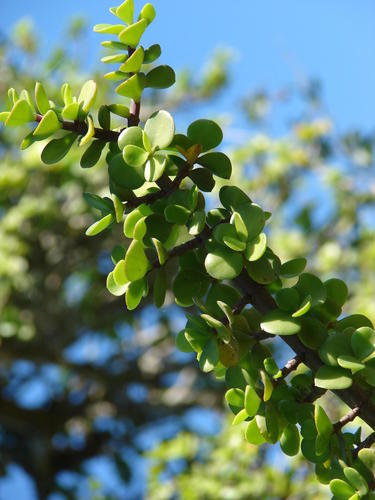
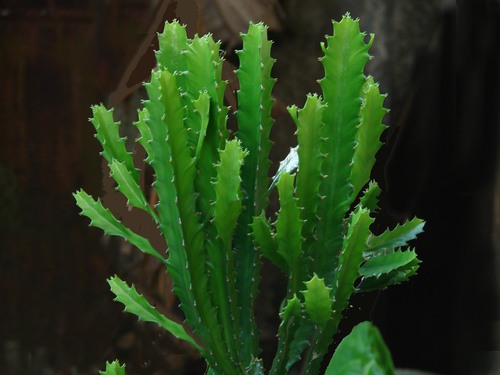
Soft stems (like in Echeveria or Graptopetalum) bend easily and grow in clusters. Woody stems (e.g., Crassula ovata or Portulacaria afra) support branching and indicate shrub-forming succulents. Columnar stems (e.g., Euphorbia trigona, Cereus peruvianus) suggest tall, sun-hardy outdoor species.
Know More: Succulent Stem Structures — Soft, Woody & Columnar2) Stem surface and nodes
Look for patterns along the stem. Crassula species have opposite leaf pairs at each node, while Senecio and Curio have alternating or spiral arrangements. Ribbed or winged stems with paired spines often belong to Euphorbia types.
3) Root types and functions
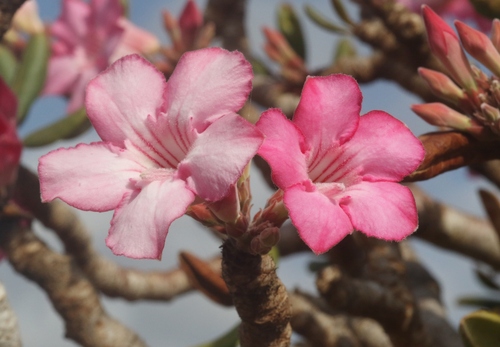
Succulent roots aren’t just anchors — they’re reservoirs. Fibrous roots spread wide to catch quick rain. Tuberous roots (like in Adenium obesum) swell with stored moisture. Some even grow aerial roots to absorb humidity in the air.
Know More: Succulent Root Types — Fibrous, Tuberous & Aerial4) Color and sap cues
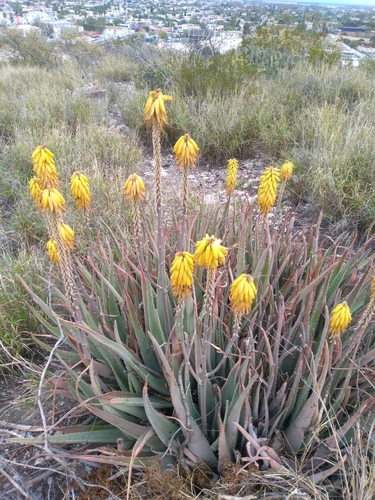
Green or gray-green stems often perform photosynthesis. Milky or clear sap indicates different genera: white latex usually means Euphorbia; clear sap is seen in Aloe and Kalanchoe.
5) Growth direction
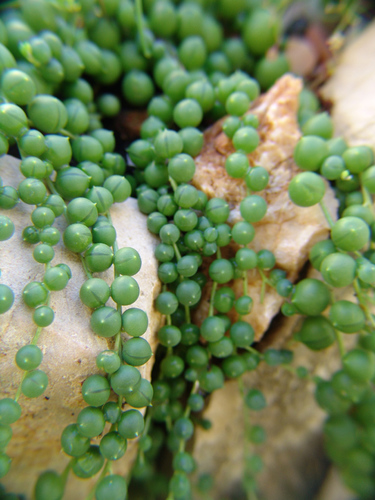
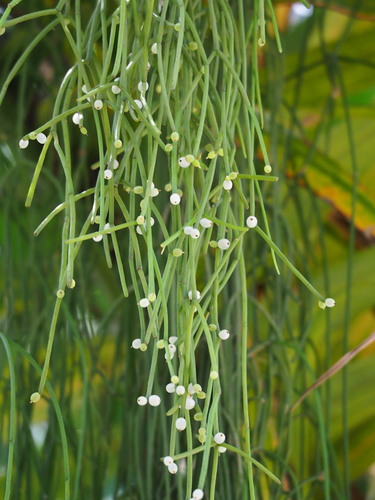
Upright stems hint at cacti and shrubby succulents, while trailing or hanging stems are found in Senecio and Rhipsalis. Observe growth form to match your plant’s identity group.
Conclusion
By reading stem thickness, node patterns, and root structures, you can tell whether your succulent is a rosette-former, shrub type, or caudiciform collector’s plant — no flowers required!