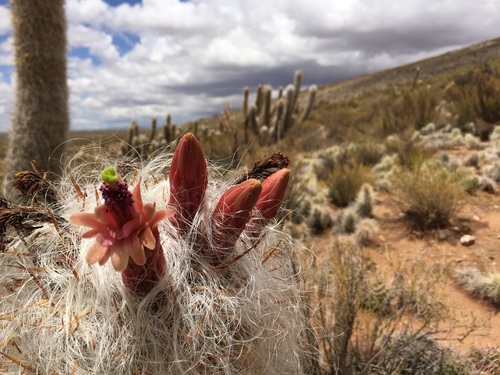
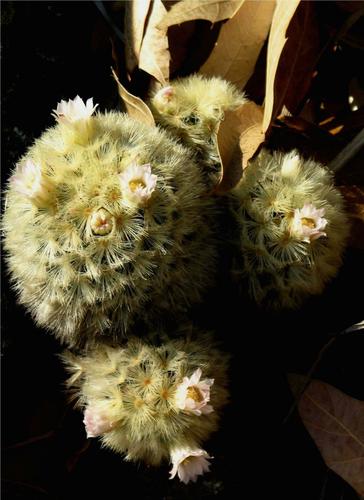
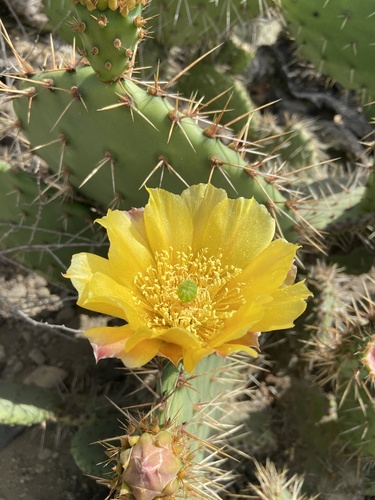
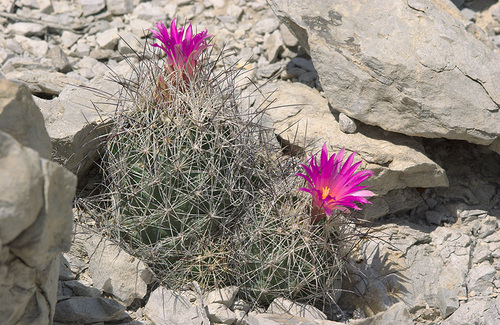
Pincushion Cactus
thelocactus setispinus
Also known as: ["Turk's Cap Cactus","Spiny Pincushion"]
Overview
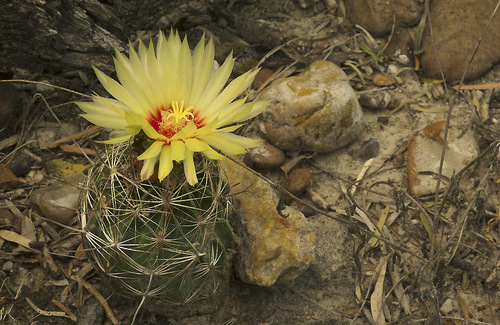
A small, globular cactus with prominent spines and pink to magenta flowers in summer.
Benefits & Perks
["drought tolerant","low maintenance","rare/collector’s item","wildlife attractant (bees, butterflies, birds)"]
Botanical Classification
| Phylum: | Magnoliophyta |
| Class: | Magnoliopsida |
| Order: | Caryophyllales |
| Family: | Cactaceae |
| Genus: | Thelocactus |
| Botanical Name: | Thelocactus setispinus |
Plant Characteristics
Basic Information
- Category: Succulents & Cacti
- Suitable Location: indoor pot in bright, sunny location or outdoor rock garden
- Suitable For:
- Is Weed: No
- Allergenicity: low
Environmental Needs
- Climate: {"temperatureRange":"5–35°C"}
- Hardiness: {"zones":"8–11"}
- Misting: rarely required, only if ambient humidity is very low
- Drainage: Fast-draining to prevent waterlogging.
- Soil Type: Well-draining cactus mix with added perlite or coarse sand for aeration.
Maintenance Level
- Maintenance Level: very low
- Toughness Level: high
- Pruning Frequency: As needed, typically annually or when damage is observed.
- Pruning Intensity: Light pruning; remove only dead, damaged, or diseased parts.
Care Details
Ideal Sunlight Coverage:
Bright, direct sunlight for 6–8 hours daily. Can tolerate full sun but may need gradual acclimation to prevent sunburn.
Sunlight Tolerance Tips:
Acclimate the plant to intense sunlight gradually over 1–2 weeks. Place in a spot with unobstructed sun exposure; protect from harsh midday sun in summer if necessary.
Care Requirements
Care Difficulty
easymoderate
Sunlight
full sun
Maximize direct light exposure; rotate plant weekly for even growth; provide shade during extreme heat.
Watering
every 7–10 days during active growth, reduce to monthly in winter
Water thoroughly but infrequently; ensure proper drainage; reduce watering in dormant periods.
Soil
fast-draining cactus mix with added grit
pH: Slightly acidic to neutral (pH 6.0–7.0).
Ensure soil dries quickly; avoid heavy, water-retentive mixes; amend with gritty materials.
Temperature
Prefers warm temperatures (70–85°F or 21–29°C) during active growth. Tolerates mild frost but thrives in heat.
Protect from frost; avoid sudden temperature swings; ensure warmth during active growth.
Fertilizing
every 4–6 weeks during growing season, none in winter
Fertilize only during active growth; dilute fertilizer to prevent burn; stop in dormant periods.
Propagation
Methods
Stem cuttings or offsets.Offsets are the most reliable method for home growers.
Step-by-Step Propagation Guide
- Select a healthy offset or cutting.
- Let it callus for 1–2 days.
- Plant in well-draining medium.
- Water sparingly until rooted.
Best Time: Spring or early summer when the plant is actively growing.
Environment
Warm (70–80°F or 21–27°C), bright indirect light, and high humidity (50–60%) for initial rooting.
Medium
Well-draining mix of cactus soil and perlite or sand.
Hormone
Optional, but rooting hormone can speed up the process.
Timeline
Offsets may root in 2–4 weeks; cuttings may take 4–8 weeks to root and establish.
Tools Needed
Clean knife or scissors, rooting hormone (optional), well-draining medium, small pots.
Quick Tips
Use offsets for easier success; ensure callusing before planting; maintain warmth and humidity.
Pruning & Repotting
Pruning Guide
Method
Use clean, sharp tools to cut away affected sections without damaging healthy tissue.
Pruning Plan
Minimal pruning needed. Focus on removing dead or damaged parts to maintain health and shape.
Tools
Clean, sharp knife or pruning shears.
Checklist
Sanitize tools; remove only necessary parts; make clean cuts; avoid over-pruning.
Repotting Guide
Best Season
Spring, before the active growing season begins.
Pot Size
One size larger pot (e.g., +2–3 cm in diameter).
Method
Remove plant carefully; trim any dead roots; place in a slightly larger pot with fresh cactus mix; ensure good drainage.
Suggestions
Repot every 2–3 years or when the plant outgrows its container. Necessary to refresh soil and prevent root binding.
Checklist
Choose appropriate pot size; use fresh cactus mix; ensure drainage holes; water lightly after repotting.
Advanced Care Tips
Watering Mastery
Watering Checklist
Check soil moisture before watering; water deeply; ensure drainage; reduce in winter.
How to Apply Water Properly
Water directly at the soil level, ensuring moisture reaches the root zone. Avoid wetting the plant's body to prevent fungal issues. Ensure excess water drains away completely.
Watering Schedule Tips
Water deeply during active growing season (spring to early fall), reducing frequency in winter to prevent root rot. Allow soil to dry between waterings; adjust based on temperature and light exposure.
Soil Improvement
Add coarse sand, perlite, or pumice to commercial cactus mix to enhance drainage and aeration.
Temperature Stress Management
Signs of Temperature Issues
Chlorosis, stunted growth, or softening of the body in cold; sunburn or dehydration in excessive heat.
Cold Stress
Low temperatures slow growth and can cause root damage or rot, especially if soil remains moist.
Solution: Move to a warmer location; ensure soil is dry; provide frost protection if temperatures drop below 40°F (4°C).
Hot Stress
Excessive heat can cause dehydration, sunburn, or scorching, especially if watered improperly.
Solution: Provide some shade during peak heat; water early morning or late evening; ensure good air circulation.
Fertilizing Guide
Fertilizing Checklist
Use cactus-specific fertilizer; dilute properly; fertilize monthly in growing season; cease in winter.
Fertilizing Method
Use a balanced, low-nitrogen cactus fertilizer diluted to half strength. Apply monthly during growing season (spring to summer); avoid fertilizing in winter.
Common Problems & Solutions
Toxicity Warning
Cats
Non-toxicThelocactus setispinus is not chemically toxic to cats, but the spines can cause mechanical injury if ingested, potentially leading to gastrointestinal distress.
⚠️ Symptoms:
🌿 Toxic Parts:
⚡ Toxic If:
if ingested
Dogs
Non-toxicWhile ingestion of Thelocactus setispinus is not chemically toxic to dogs, the spines may cause mechanical injury to the mouth, throat, or digestive tract.
⚠️ Symptoms:
🌿 Toxic Parts:
⚡ Toxic If:
if ingested
Humans
Non-toxicThe spines of Thelocactus setispinus can cause mechanical injury upon contact, but the plant itself is not chemically toxic to humans.
⚠️ Symptoms:
🌿 Toxic Parts:
⚡ Toxic If:
if touched
Frequently Asked Questions
Q: How often should I water Thelocactus setispinus?
A: Water sparingly, only when the soil is completely dry, typically every 2-3 weeks during growing season.
Q: Does this cactus need full sun?
A: Yes, it thrives in full sun to partial shade.
Q: Can Thelocactus setispinus be grown indoors?
A: Yes, but it requires bright light and good air circulation to prevent fungal issues.
Quick Reference

| Family: | Cactaceae |
| Care: | easy |
| Light: | full sun |
| Water: | every 7–10 days during activ |
Get Expert Care Tips
Download the Plantious app for personalized care reminders and plant identification!
Google Play App Store