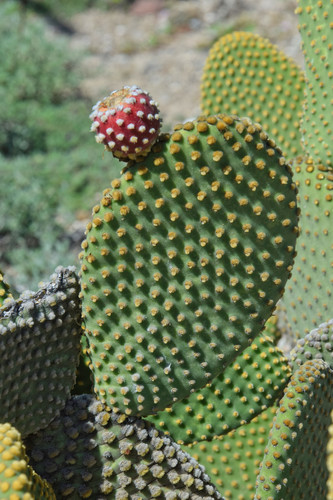
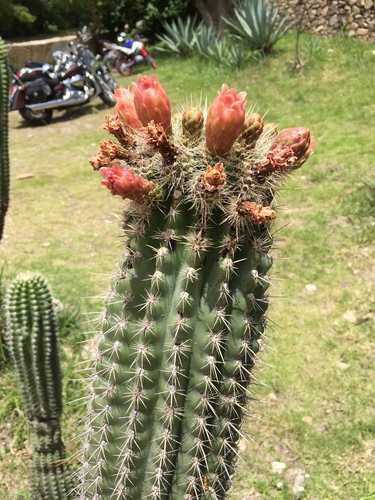
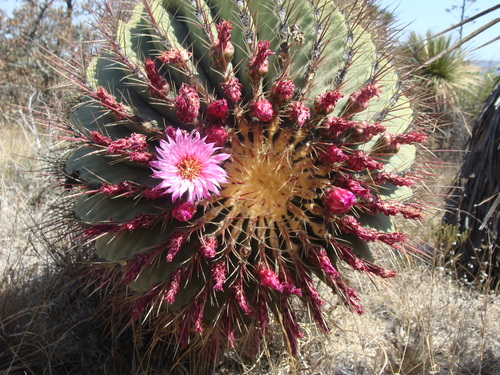
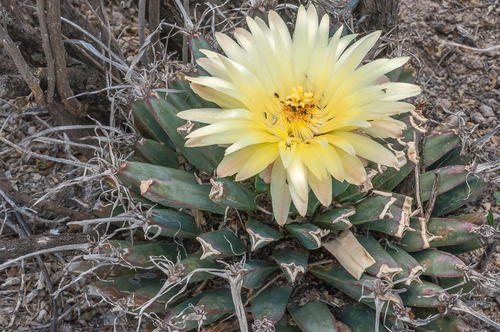
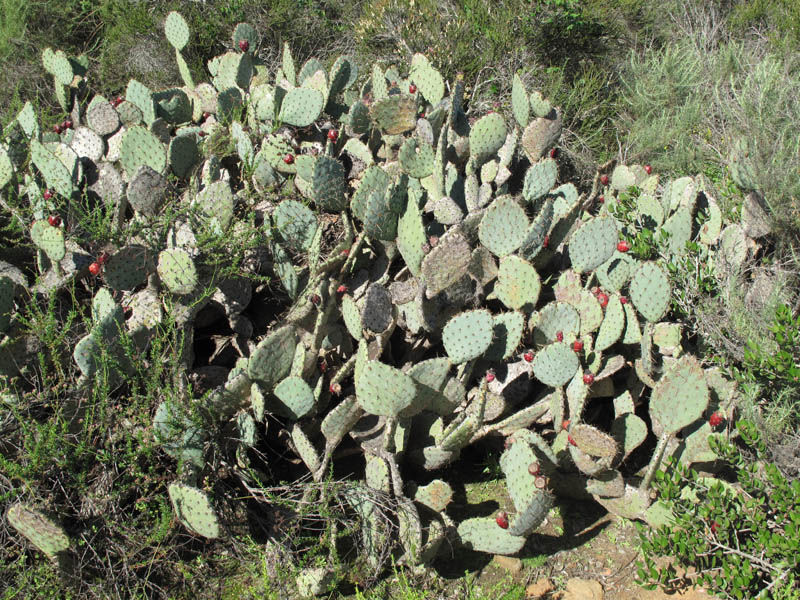
Coastal Prickly Pear
opuntia littoralis
Also known as: ["Coast Prickly Pear","Coastal Cholla"]
Overview
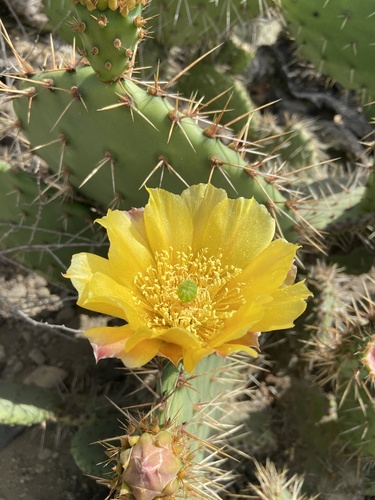
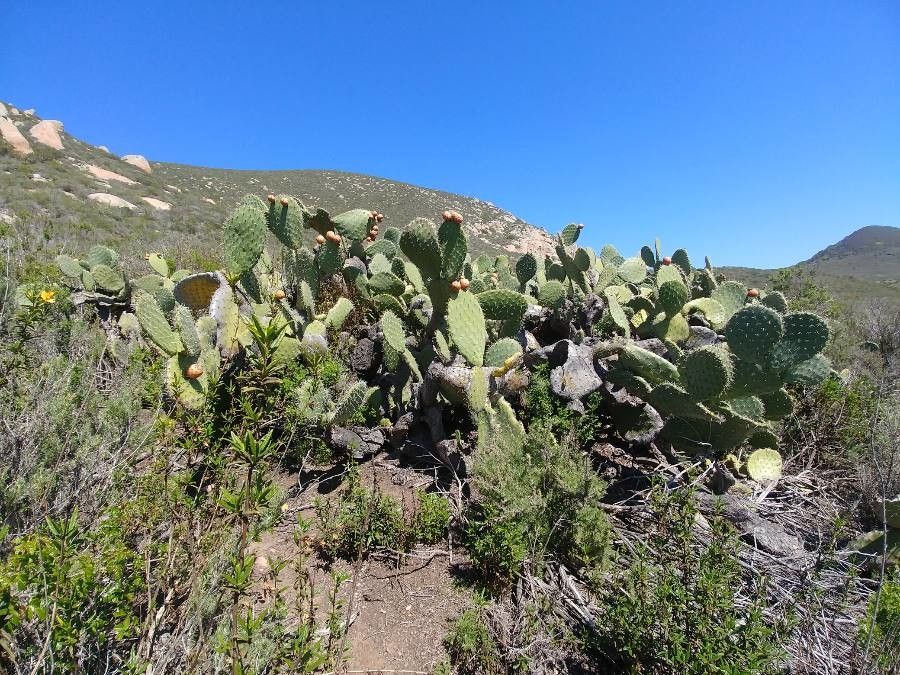
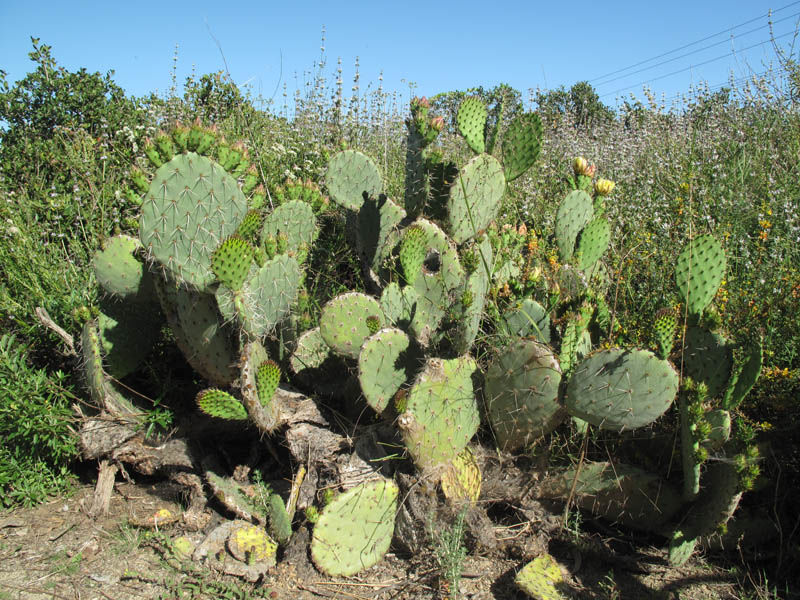
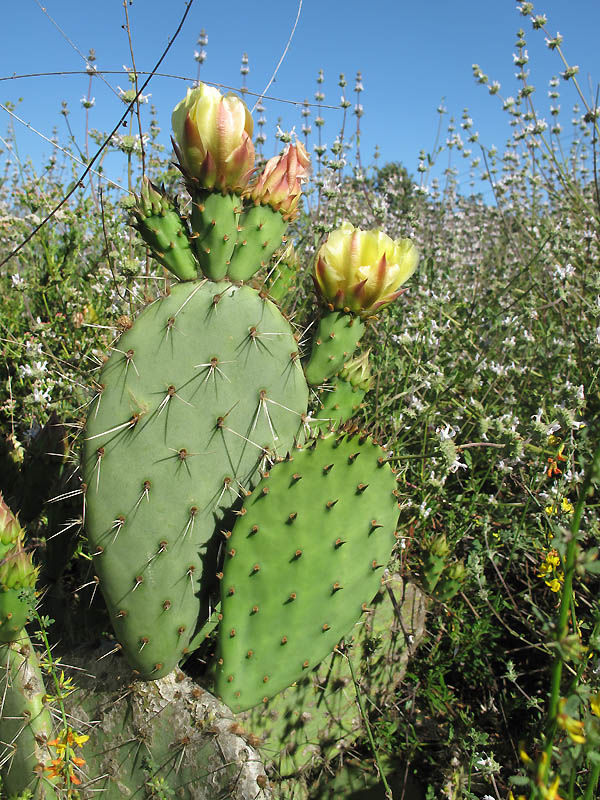
A drought-tolerant cactus native to coastal regions of North America, characterized by flat, fleshy pads and yellow flowers.
Benefits & Perks
["drought tolerant","deer resistant","wildlife attractant (bees, butterflies, birds)"]
Botanical Classification
| Phylum: | Magnoliophyta |
| Class: | Magnoliopsida |
| Order: | Caryophyllales |
| Family: | Cactaceae |
| Genus: | Opuntia |
| Botanical Name: | Opuntia littoralis |
Plant Characteristics
Basic Information
- Category: Succulents & Cacti
- Suitable Location: rock gardens, xeriscapes, or sunny, dry areas with good drainage
- Suitable For:
- Is Weed: No
- Allergenicity: low
Environmental Needs
- Climate: {"temperatureRange":"–12 to 38°C"}
- Hardiness: {"zones":"4–9"}
- Misting: rarely required; only if ambient humidity is very low
- Drainage: Fast-draining to prevent root rot.
- Soil Type: Well-draining cactus or succulent mix with added sand or perlite.
Maintenance Level
- Maintenance Level: very low
- Toughness Level: high
- Pruning Frequency: As needed, typically annually or after flowering.
- Pruning Intensity: Moderate; remove up to one-third of pads if necessary.
Care Details
Ideal Sunlight Coverage:
Full sun (6–8 hours/day); tolerates partial shade but may stretch.
Sunlight Tolerance Tips:
Acclimate gradually to intense sun to prevent scorching. Place in the brightest possible location indoors; outdoors, ensure unobstructed sunlight.
Care Requirements
Care Difficulty
easyeasy
Sunlight
full sun
Rotate plant for even light exposure; use shade cloth if scorching occurs.
Watering
every 2–3 weeks in spring and fall, every 4–6 weeks in winter, and as needed in summer (every 1–2 weeks depending on heat and humidity)
Water thoroughly until runoff, ensure excellent drainage, and avoid frequent light watering.
Soil
well-draining, sandy or rocky soil with minimal organic matter
pH: Slightly acidic to neutral (6.0–7.0).
Ensure pots have drainage holes; avoid heavy, water-retentive soils.
Temperature
Thrives in 70–100°F (21–38°C); tolerates brief frosts but prefers warm conditions.
Protect from frost; avoid sudden temperature swings; ensure good air flow in heat.
Fertilizing
every 2–3 months during active growth (spring and summer) with a balanced, low-nitrogen fertilizer
Fertilize only when actively growing; flush soil occasionally to prevent salt buildup.
Propagation
Methods
Stem cuttings ( pads or joints ).
Step-by-Step Propagation Guide
- Select a healthy pad, let it callus for 1–2 days, plant in medium, water sparingly until roots form.
Best Time: Spring or early summer when the plant is actively growing.
Environment
Warm (70–80°F), bright indirect light, and moderate humidity.
Medium
Well-draining mix of cactus soil and perlite or sand.
Hormone
Not necessary but can speed up rooting.
Timeline
Roots form in 2–4 weeks; establish in 2–3 months.
Tools Needed
Sharp knife, rooting hormone (optional), pot, well-draining soil mix.
Quick Tips
Allow pads to callus before planting; use warm water for initial watering.
Pruning & Repotting
Pruning Guide
Method
Cut pads cleanly with a sharp tool; allow cuts to callus before handling.
Pruning Plan
Remove dead, damaged, or overgrown pads to maintain shape and health.
Tools
Sharp, sterilized knife or pruning shears.
Checklist
Sterilize tools, cut cleanly, allow callusing, dispose of pruned material safely.
Repotting Guide
Best Season
Spring, when the plant is entering active growth.
Pot Size
Increase pot size by 2–3 inches in diameter.
Method
Remove plant carefully, trim roots if needed, repot in fresh cactus mix with improved drainage.
Suggestions
Repot every 2–3 years or when roots fill the pot; necessary for growth and drainage.
Checklist
Prepare new pot, trim roots if needed, use fresh soil, ensure drainage, water lightly after repotting.
Advanced Care Tips
Watering Mastery
Watering Checklist
Check soil dryness, water deeply, ensure drainage, reduce winter watering.
How to Apply Water Properly
Water directly at the base, ensuring moisture reaches the root zone without wetting the pads. Water early in the morning to minimize evaporation and allow foliage to dry.
Watering Schedule Tips
Water deeply but infrequently, allowing soil to dry completely between waterings. Reduce watering significantly in winter to match dormancy.
Soil Improvement
Add coarse sand, perlite, or pumice to commercial potting soil to enhance drainage.
Temperature Stress Management
Signs of Temperature Issues
Chlorosis or necrosis in extreme heat; limp pads or blackening in cold stress.
Cold Stress
Pads may become soft, discolored, or develop lesions below 20°F (-7°C).
Solution: Move to a sheltered location or indoors; apply a frost cloth if temperatures drop below freezing.
Hot Stress
Pads may wilt, curl, or develop sunburn spots in excessive heat.
Solution: Provide partial shade during peak heat; increase air circulation and water deeply.
Fertilizing Guide
Fertilizing Checklist
Use diluted fertilizer, apply during growing season, avoid winter feeding.
Fertilizing Method
Use a balanced, low-nitrogen cactus fertilizer diluted to half strength every 4–6 weeks during growing season (spring/summer); avoid fertilizing in winter.
Common Problems & Solutions
Toxicity Warning
Cats
Slightly ToxicCats may experience mechanical injury from the spines and glochids of Opuntia littoralis, as well as mild gastrointestinal distress from the plant's mucilage and oxalic acid. The risk is primarily due to physical irritation rather than chemical toxicity.
⚠️ Symptoms:
🌿 Toxic Parts:
⚡ Toxic If:
if eaten
Dogs
Slightly ToxicIngestion of Opuntia littoralis by dogs can lead to mechanical injury from spines and glochids, as well as mild gastrointestinal upset due to the plant's mucilage and oxalic acid content. The primary risk is physical irritation rather than systemic toxicity.
⚠️ Symptoms:
🌿 Toxic Parts:
⚡ Toxic If:
if eaten
Humans
Slightly ToxicOpuntia littoralis, commonly known as coastal prickly pear, contains mucilage and oxalic acid, which can cause gastrointestinal irritation upon ingestion. The spines and tiny barbed glochids can cause mechanical injury and embed in the skin or mucous membranes, leading to discomfort and inflammation.
⚠️ Symptoms:
🌿 Toxic Parts:
⚡ Toxic If:
if eaten
Frequently Asked Questions
Q: Is Opuntia littoralis safe for pets?
A: It is mildly toxic to dogs and cats if ingested, but the primary hazard is physical injury from spines.
Q: How often should I water this plant?
A: Water sparingly, allowing the soil to dry completely between waterings, especially in cooler months.
Q: Does this plant require full sun?
A: Yes, it thrives in full sun and requires at least 6 hours of direct sunlight daily.
Quick Reference
| Family: | Cactaceae |
| Care: | easy |
| Light: | full sun |
| Water: | every 2–3 weeks in spring an |
Get Expert Care Tips
Download the Plantious app for personalized care reminders and plant identification!
Google Play App Store