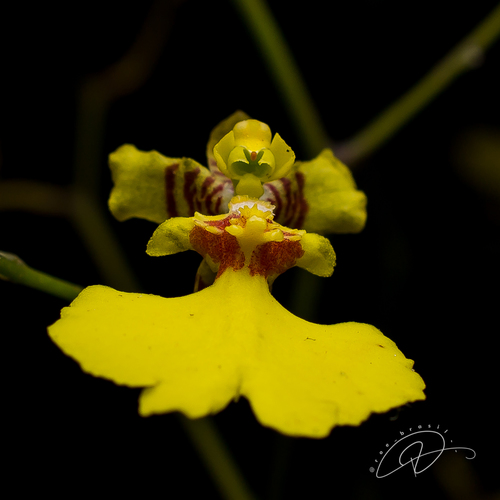
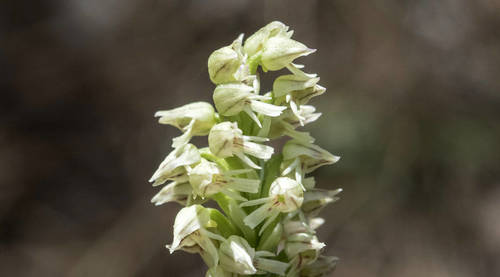
Ghost Orchid
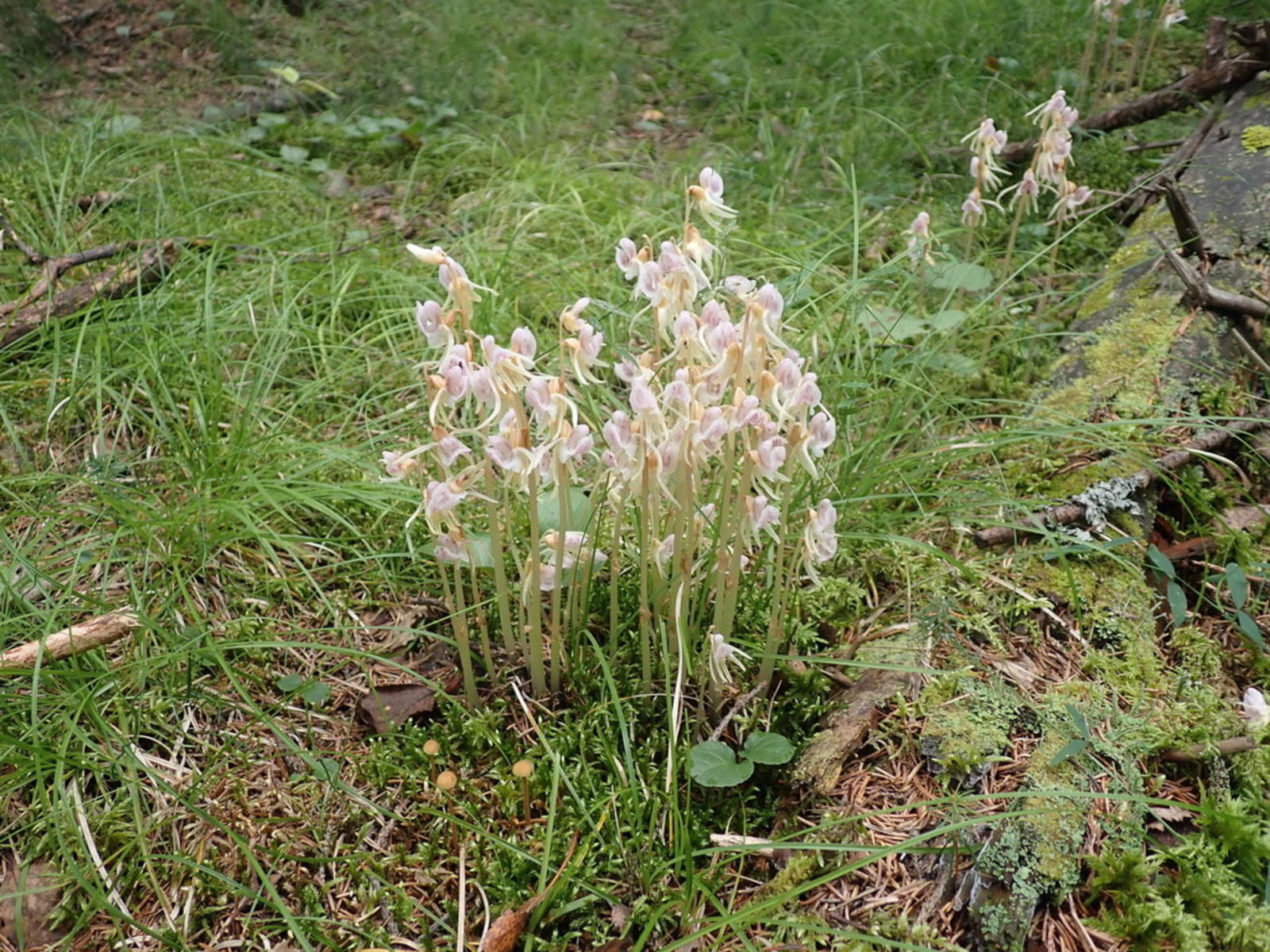
epipogium aphyllum
Also known as: ["Ghost Orchid","Leafless Orchid","White Frog Orchid"]
Overview
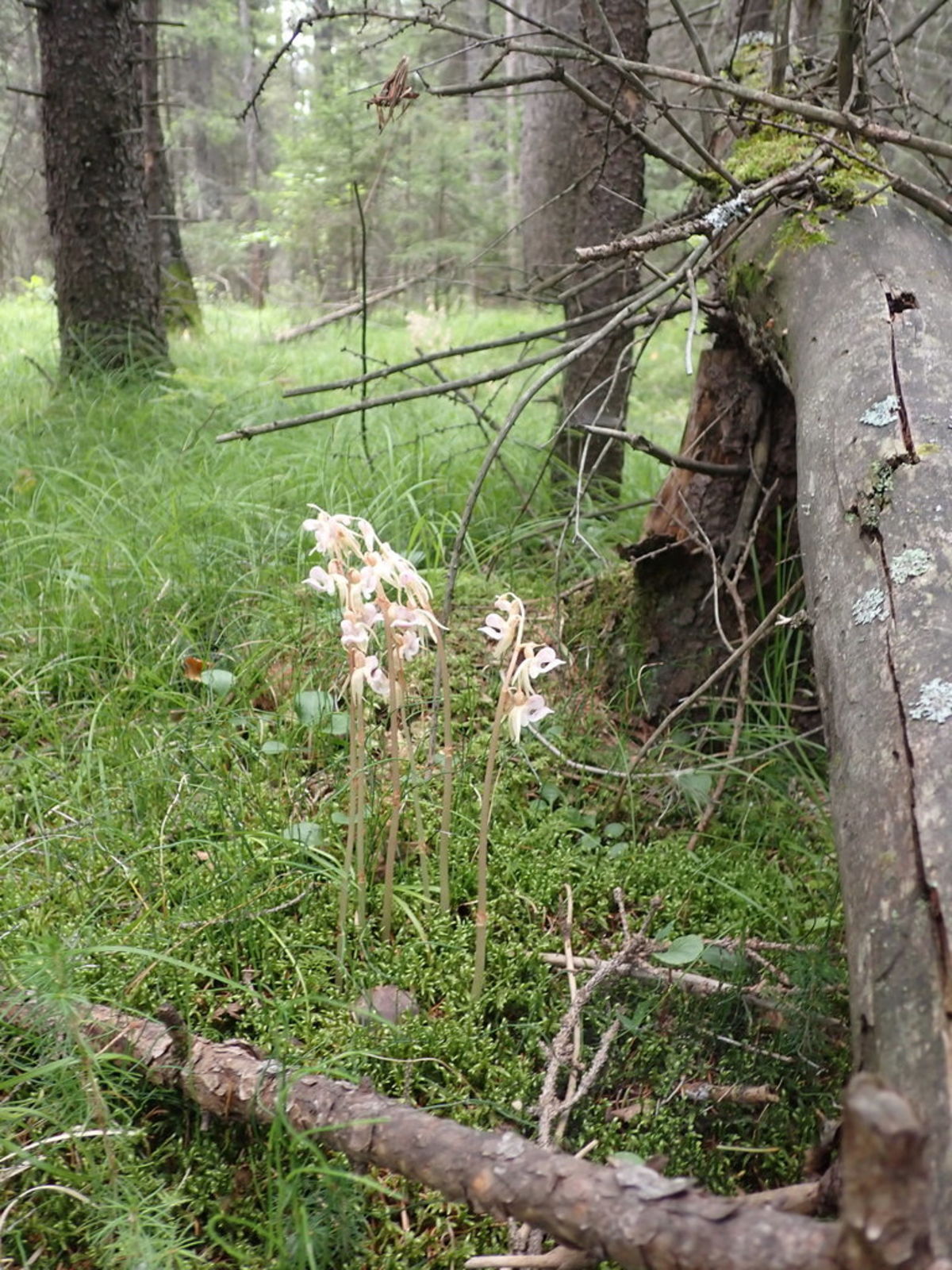
A leafless, mycoheterotrophic orchid known for its ghostly white flowers and unique growth habit.
Benefits & Perks
["rare/collector’s item","wildlife attractant (bees, butterflies, birds)"]
Botanical Classification
| Phylum: | Magnoliophyta |
| Class: | Liliopsida |
| Order: | Asparagales |
| Family: | Orchidaceae |
| Genus: | Epipogium |
| Botanical Name: | Epipogium aphyllum |
Plant Characteristics
Basic Information
- Category: Flowers
- Suitable Location: shaded woodland floor or shaded indoor pot
- Suitable For:
- Is Weed: No
- Allergenicity: low
Environmental Needs
- Climate: {"temperatureRange":"10–25°C"}
- Hardiness: {"zones":"6–9"}
- Misting: every 2–3 days to maintain high humidity
- Drainage: Well-draining but moisture-retentive.
- Soil Type: Specialized orchid mix with high organic matter, such as sphagnum moss and bark.
Maintenance Level
- Maintenance Level: very high
- Toughness Level: very low
- Pruning Frequency: As needed, typically annually or when dead material is present.
- Pruning Intensity: Light pruning; remove only dead or diseased parts.
Care Details
Ideal Sunlight Coverage:
Low to medium indirect light; tolerates shade. Avoid direct sunlight, which can scorch delicate leaves.
Sunlight Tolerance Tips:
Acclimate slowly to brighter light if moving from deep shade. Place in a location with dappled light or filtered shade, especially outdoors. Indoors, a north-facing window or shaded east window is ideal.
Care Requirements
Care Difficulty
expert onlychallenging
Sunlight
partial shade to dappled light
Avoid direct sun; provide filtered light; rotate plant for even growth.
Watering
every 7–10 days, allowing soil to dry slightly between waterings
Avoid overwatering to prevent root rot; water when the medium is nearly dry; ensure excellent drainage.
Soil
well-draining, humus-rich, acidic soil
pH: Slightly acidic, pH 5.5–6.5.
Use acidic mix; ensure drainage; maintain consistent moisture.
Temperature
Cool to moderate temperatures, ideally 50–65°F (10–18°C). Prefers cooler conditions, especially during dormancy.
Keep cool during dormancy; protect from extreme heat; maintain stable temperatures.
Fertilizing
rarely required, if at all, due to symbiotic relationships
Use weak fertilizer solutions; fertilize only during active growth; avoid contact with roots.
Propagation
Methods
Rarely propagated due to its mycoheterotrophic nature, but division of rhizomes is theoretically possible in controlled conditions.
Step-by-Step Propagation Guide
- Carefully divide rhizome.
- Inoculate with appropriate mycorrhizal fungi.
- Plant in specialized medium.
- Maintain high humidity and cool temperatures.
Best Time: Spring, when the plant is emerging from dormancy and actively growing.
Environment
High humidity, cool temperatures, and indirect light; sterile conditions may be necessary.
Medium
Specialized orchid mix with high organic matter and mycorrhizal inoculation required.
Hormone
Not typically used; relies on mycorrhizal fungi for establishment.
Timeline
Extremely slow; may take years to establish if successful.
Tools Needed
Sterile knife, propagation tray, humidity dome, specialized orchid mix.
Quick Tips
Ensure mycorrhizal presence; maintain sterile conditions; be patient with growth.
Pruning & Repotting
Pruning Guide
Method
Snip dead parts at the base; avoid cutting into healthy tissue.
Pruning Plan
Minimal pruning required; focus on removing dead or damaged parts to maintain health.
Tools
Clean, sharp scissors or pruners.
Checklist
Check for dead material; sterilize tools; prune carefully; dispose of clippings.
Repotting Guide
Best Season
Spring, during active growth.
Pot Size
One size up, ensuring the new pot has drainage holes.
Method
Carefully remove old medium; trim any dead roots; repot in fresh orchid mix with excellent drainage.
Suggestions
Repot only when the medium decomposes or the plant outgrows its container, typically every 2–3 years.
Checklist
Check root health; prepare new medium; handle roots gently; ensure proper drainage.
Advanced Care Tips
Watering Mastery
Watering Checklist
Check soil moisture; water thoroughly; ensure drainage; avoid wetting foliage.
How to Apply Water Properly
Water thoroughly until it drains from the bottom, ensuring even moisture distribution. Focus on the root zone, avoiding foliage. Water in the morning to allow foliage to dry before nightfall.
Watering Schedule Tips
Water sparingly during dormancy, typically once every 2–3 weeks, ensuring the medium is nearly dry between waterings. Increase frequency to once weekly during active growth, maintaining consistent moisture without saturation.
Soil Improvement
Incorporate sphagnum moss, fine bark, and perlite for aeration and moisture retention.
Temperature Stress Management
Signs of Temperature Issues
Wilting, leaf drop, or cessation of growth in excessive heat; root rot or fungal issues in cold, damp conditions.
Cold Stress
Prolonged cold can inhibit root function and photosynthesis, leading to stunted growth or death if combined with wet soil.
Solution: Ensure well-drained soil to prevent cold-induced root rot; protect from frost and drafts; maintain consistent cool temperatures during dormancy.
Hot Stress
Excessive heat can cause leaf scorch, dehydration, and stress, especially if combined with low humidity.
Solution: Provide shade, increase humidity, and ensure adequate air circulation. Water carefully to avoid overheating the roots.
Fertilizing Guide
Fertilizing Checklist
Check growth phase; dilute fertilizer; apply to soil only; avoid dormant periods.
Fertilizing Method
Fertilize sparingly during active growth with a diluted orchid-specific fertilizer (¼ strength) every 4–6 weeks. Avoid fertilizing during dormancy.
Common Problems & Solutions
Toxicity Warning
Cats
Non-toxicEpipogium aphyllum is not known to be toxic to cats. The plant does not contain compounds that are harmful to felines, and ingestion is not expected to cause adverse effects.
⚡ Toxic If:
if eaten
Dogs
Non-toxicEpipogium aphyllum is not known to be toxic to dogs. There are no documented cases or evidence suggesting that ingestion of this plant causes harm to canines.
⚡ Toxic If:
if eaten
Humans
Non-toxicEpipogium aphyllum is not known to exhibit any toxic effects in humans. The plant lacks known toxic compounds that would cause adverse physiological impacts upon ingestion.
⚡ Toxic If:
if eaten
Frequently Asked Questions
Q: Is the Ghost Orchid leafless?
A: Yes, Epipogium aphyllum is leafless, deriving nutrients from mycorrhizal fungi.
Q: Where is the Ghost Orchid typically found?
A: It grows in shaded, humid forests, often in association with decaying wood or soil.
Q: Is the Ghost Orchid easy to cultivate?
A: No, it is extremely challenging to cultivate due to its specialized mycoheterotrophic relationship with fungi.
Quick Reference



| Family: | Orchidaceae |
| Care: | expert only |
| Light: | partial shade to dappled light |
| Water: | every 7–10 days, allowing so |
Get Expert Care Tips
Download the Plantious app for personalized care reminders and plant identification!
Google Play App Store