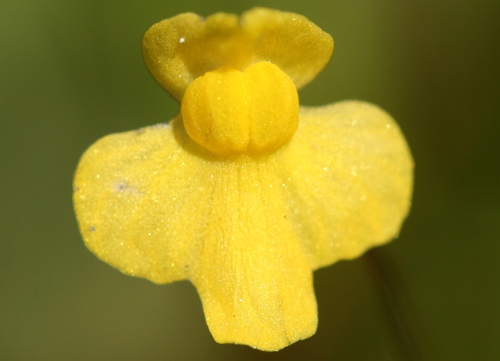
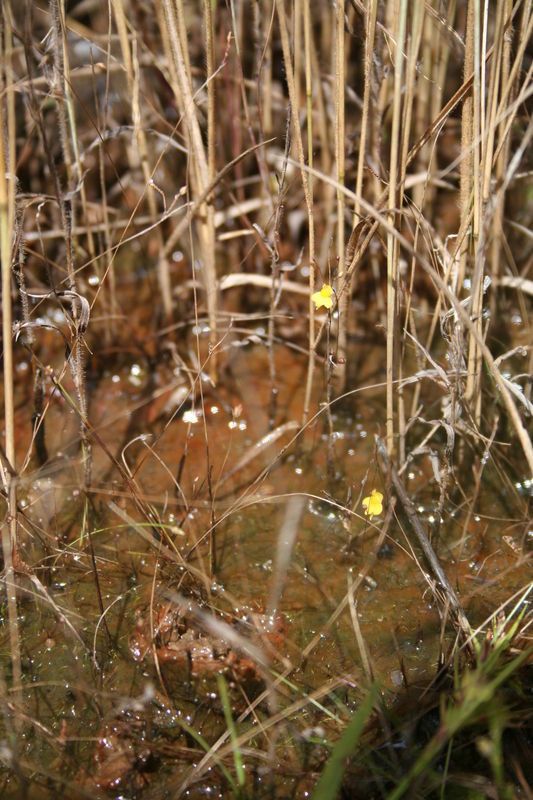
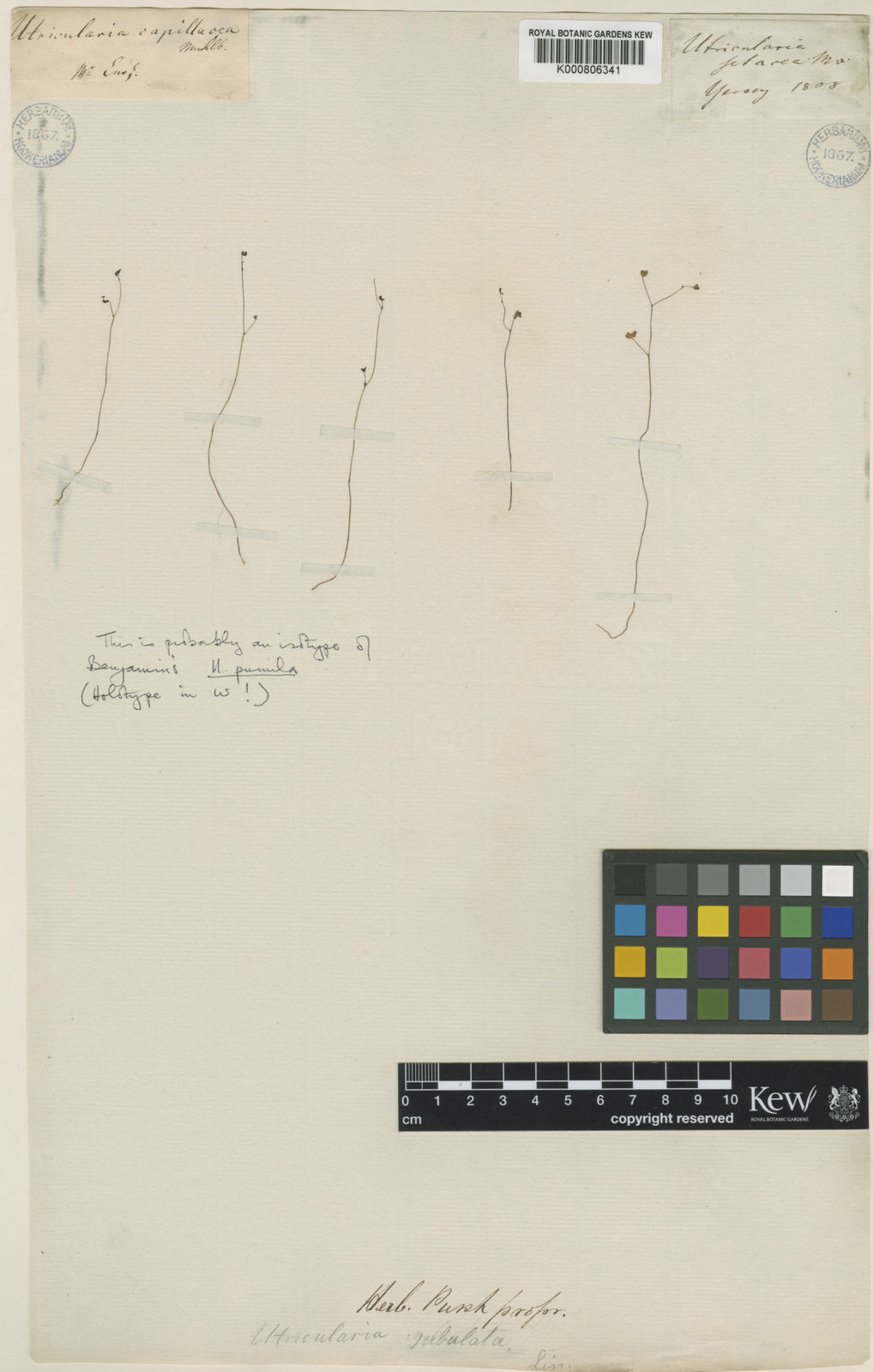
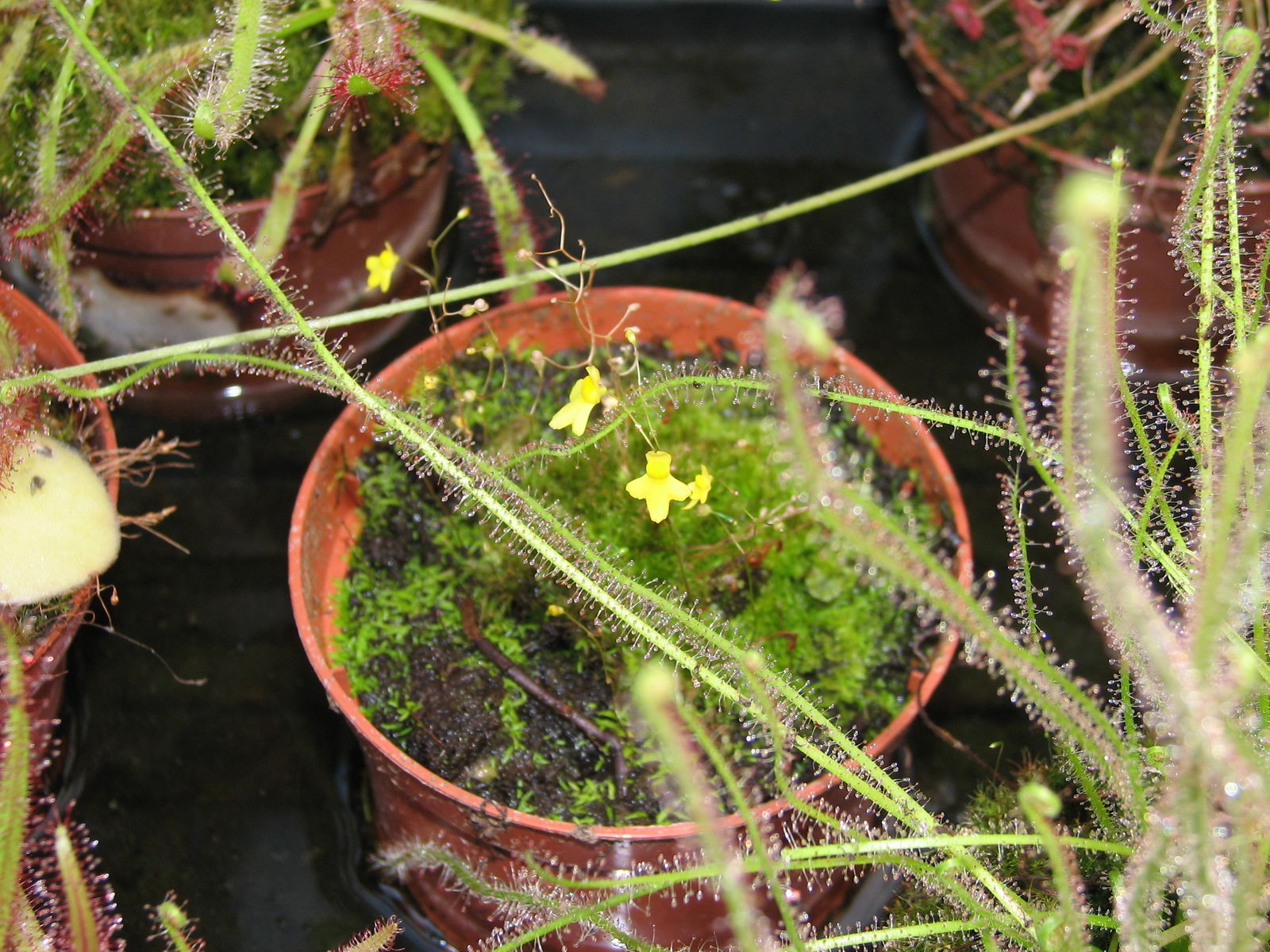
Sand Bladderwort
utricularia subulata
Also known as: ["Sand Bladderwort","Subulate Bladderwort"]
Overview
A small, terrestrial carnivorous plant with tiny bladder-like traps for catching microorganisms.
Benefits & Perks
["wildlife attractant (bees, butterflies, birds)","rare/collector’s item"]
Botanical Classification
| Phylum: | Magnoliophyta |
| Class: | Magnoliopsida |
| Order: | Caryophyllales |
| Family: | Lentibulariaceae |
| Genus: | Utricularia |
| Botanical Name: | Utricularia subulata |
Plant Characteristics
Basic Information
- Category: Flowers
- Suitable Location: Outdoor bog garden or container with standing water
- Suitable For:
- Is Weed: No
- Allergenicity: low
Environmental Needs
- Climate: {"temperatureRange":"15–30°C"}
- Hardiness: {"zones":"9–11"}
- Misting: Rarely required if humidity is naturally maintained in its growing environment
- Drainage: Fast-draining; must not retain standing water but stay consistently moist.
- Soil Type: Sphagnum moss, peat moss, or a mix of peat and perlite; must be acidic and low in nutrients.
Maintenance Level
- Maintenance Level: moderate
- Toughness Level: moderate
- Pruning Frequency: As needed; typically every few months or when dead foliage is noticeable.
- Pruning Intensity: Light pruning; focus on removing only dead or damaged parts.
Care Details
Ideal Sunlight Coverage:
Bright indirect light for 6–8 hours daily; can tolerate partial direct sun if acclimated gradually; adjust light intensity seasonally to prevent scorching.
Sunlight Tolerance Tips:
Acclimate the plant to stronger light slowly over weeks; avoid direct midday sun which can scorch the leaves; for indoor growth, place near an east or west-facing window with sheer curtains.
Care Requirements
Care Difficulty
moderateeasy
Sunlight
Full sun to partial shade
Rotate the plant weekly for even growth; use a sheer curtain to filter intense sunlight; monitor for signs of sunburn or etiolation.
Watering
Keep substrate consistently moist to wet, watering daily or as needed to prevent drying out
Maintain high humidity around the plant; use distilled or rainwater to avoid mineral buildup; water from below to prevent disturbing the tiny traps.
Soil
Sphagnum moss or peat-based mix with sand for drainage
pH: Acidic, pH 4.5–6.0.
Use distilled or rainwater to keep soil acidic; ensure soil is always moist but not waterlogged; replace soil every 2 years to maintain acidity.
Temperature
Prefers warm temperatures between 70–85°F (21–29°C); can tolerate a slight drop to 60°F (15°C) at night; avoid prolonged exposure to temperatures below 50°F (10°C).
Avoid sudden temperature fluctuations; maintain consistent warmth; protect from drafts and extreme heat.
Fertilizing
Not required; avoid fertilizers as this species is carnivorous
Use a balanced fertilizer at quarter strength; fertilize only during growing season; avoid contact with traps.
Propagation
Methods
Stem cuttings or division of clumps; easily propagated from runners that form at the base of mature plants.
Step-by-Step Propagation Guide
- Select a healthy stem or runner.
- Cut just below a node.
- Plant in moist propagation medium.
- Maintain high humidity and warmth.
Best Time: Spring or early summer when the plant is actively growing; after flowering is also a good time.
Environment
High humidity (70–90%); warm temperatures (75–85°F or 24–29°C); bright indirect light.
Medium
Sphagnum moss, pure peat, or a mix of peat and perlite; must be kept consistently moist.
Hormone
Not necessary due to rapid rooting tendencies, but can be used for faster establishment.
Timeline
Roots typically form within 1–2 weeks; new growth appears in 4–6 weeks.
Tools Needed
Sharp scissors or knife, rooting hormone (optional), propagation tray or pot, humidity dome.
Quick Tips
Keep the medium consistently moist; maintain high humidity; provide bright indirect light.
Pruning & Repotting
Pruning Guide
Method
Snip off dead leaves at the base; trim runners to encourage bushier growth.
Pruning Plan
Minimal pruning needed; remove dead or yellowing leaves to maintain appearance and prevent rot; trim runners if they become too leggy.
Tools
Clean scissors or small pruning shears.
Checklist
Remove dead leaves; trim leggy runners; sanitize tools after use; avoid cutting healthy growth.
Repotting Guide
Best Season
Spring, before the active growing season begins; avoid repotting during dormancy.
Pot Size
Increase pot size by 1–2 inches (2.5–5 cm) in diameter; ensure the new pot has adequate drainage.
Method
Gently remove the plant; trim any dead roots; place in a new pot with fresh carnivorous plant mix; water thoroughly after repotting.
Suggestions
Repot every 1–2 years or when the plant outgrows its container; beneficial to refresh the growing medium and prevent root binding.
Checklist
Use fresh carnivorous plant mix; ensure good drainage; water after repotting; avoid fertilizing for a month.
Advanced Care Tips
Watering Mastery
Watering Checklist
Use distilled water; keep soil moist; avoid wet foliage; ensure good drainage; maintain high humidity.
How to Apply Water Properly
Water thoroughly until excess drains from the bottom, ensuring the root zone is saturated; avoid wetting the foliage to prevent fungal issues; allow the top layer to dry slightly between waterings to mimic natural conditions.
Watering Schedule Tips
Water frequently, keeping the soil consistently moist to wet; reduce frequency slightly in winter but never allow the soil to dry out completely.
Soil Improvement
Add pure sphagnum moss for acidity and moisture retention; incorporate perlite for aeration and drainage; avoid adding compost or other nutrient-rich materials.
Temperature Stress Management
Signs of Temperature Issues
Yellowing or browning of leaves; reduced trap formation; stunted growth; leaf drop in extreme cases.
Cold Stress
Low temperatures slow metabolic processes, reducing trap production and overall vigor; prolonged cold can lead to root damage and death.
Solution: Move the plant to a warmer location; use a heat mat if necessary; ensure the plant is not near drafty windows or doors.
Hot Stress
Excessive heat can cause leaf scorch, wilting, and reduced photosynthesis; high temperatures combined with low humidity can stress the plant.
Solution: Provide shade during peak heat; increase humidity with a mister or humidifier; ensure adequate air circulation to prevent heat buildup.
Fertilizing Guide
Fertilizing Checklist
Use diluted fertilizer; apply during growing season; avoid high nitrogen; do not fertilize traps.
Fertilizing Method
Generally not required due to carnivorous nature; if needed, use a very dilute (1/4 strength) liquid fertilizer once a month during active growth; avoid high-nitrogen fertilizers.
Common Problems & Solutions
Toxicity Warning
Cats
Non-toxicUtricularia subulata is not known to be toxic to cats. The plant does not produce any known toxins that would be harmful if ingested by felines.
🌿 Toxic Parts:
⚡ Toxic If:
if eaten
Dogs
Non-toxicUtricularia subulata is not known to be toxic to dogs. The plant does not contain any known substances that would cause harm if ingested by canines.
🌿 Toxic Parts:
⚡ Toxic If:
if eaten
Humans
Non-toxicUtricularia subulata is not known to have any toxic effects on humans. It is a carnivorous plant that primarily captures small invertebrates and does not produce any known toxins harmful to humans.
🌿 Toxic Parts:
⚡ Toxic If:
if eaten
Frequently Asked Questions
Q: Is Utricularia subulata easy to grow?
A: It requires specific conditions, including wet, acidic soil and full sun, making it moderately challenging for beginners.
Q: Does this plant need special soil?
A: Yes, it thrives in nutrient-poor, acidic, and waterlogged soil, mimicking its natural habitat.
Q: Can Utricularia subulata be grown indoors?
A: It is best suited for outdoor cultivation due to its need for high humidity and direct sunlight.
Quick Reference

| Family: | Lentibulariaceae |
| Care: | moderate |
| Light: | Full sun to partial shade |
| Water: | Keep substrate consistently mo |
Get Expert Care Tips
Download the Plantious app for personalized care reminders and plant identification!
Google Play App Store