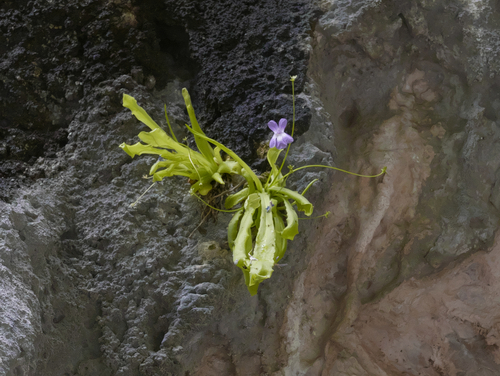
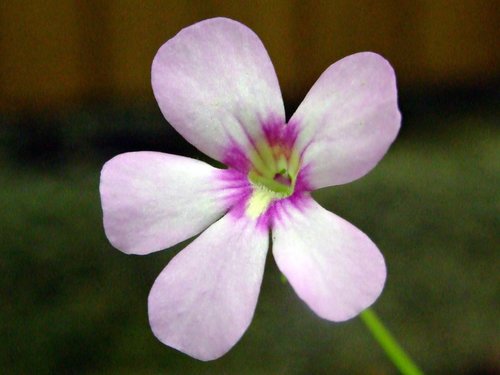
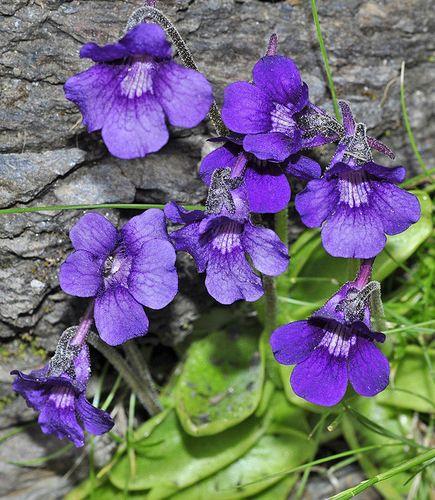
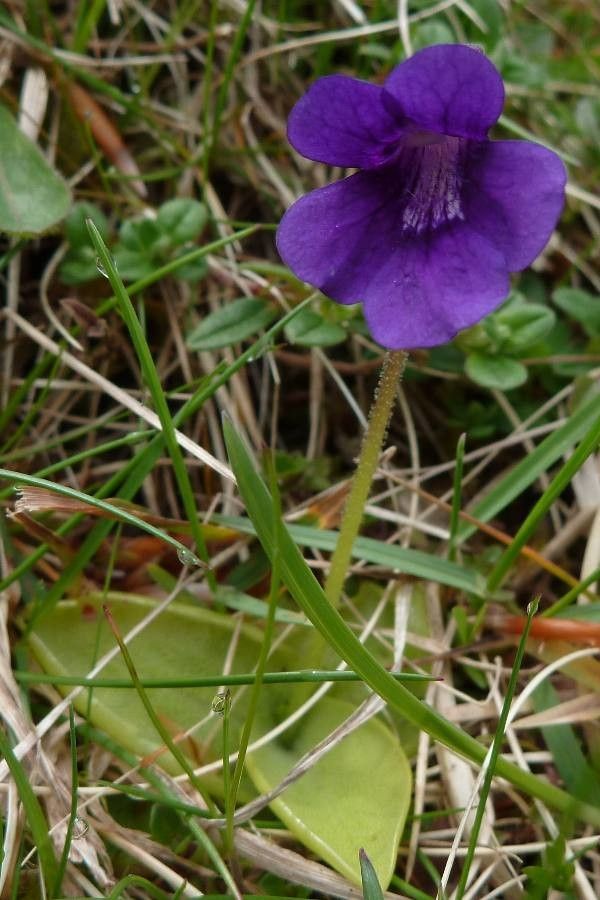
Irish Butterwort
pinguicula grandiflora
Also known as: ["Large-flowered Butterwort","Great Butterwort"]
Overview
A carnivorous plant native to Europe, known for its sticky leaves that trap and digest insects.
Benefits & Perks
["aesthetic foliage","wildlife attractant (bees, butterflies, birds)"]
Botanical Classification
| Phylum: | Magnoliophyta |
| Class: | Magnoliopsida |
| Order: | Caryophyllales |
| Family: | Lentibulariaceae |
| Genus: | Pinguicula |
| Botanical Name: | Pinguicula grandiflora |
Plant Characteristics
Basic Information
- Category: Flowers
- Suitable Location: outdoor rock garden or container in a sheltered spot with good air circulation
- Suitable For:
- Is Weed: No
- Allergenicity: low
Environmental Needs
- Climate: {"temperatureRange":"5–25°C"}
- Hardiness: {"zones":"6–9"}
- Misting: rarely required, only if ambient humidity is very low
- Drainage: Fast-draining to prevent waterlogging.
- Soil Type: Sphagnum moss-based mix with perlite or sand for drainage.
Maintenance Level
- Maintenance Level: moderate
- Toughness Level: moderate
- Pruning Frequency: As needed, typically every few months or when dead leaves are present.
- Pruning Intensity: Light pruning; only remove damaged or old leaves.
Care Details
Ideal Sunlight Coverage:
Bright indirect light for 6–8 hours daily; can tolerate direct morning sun but avoid harsh afternoon sun.
Sunlight Tolerance Tips:
Acclimate gradually to direct sun; protect from intense midday rays; indoors, place near an east-facing window.
Care Requirements
Care Difficulty
moderatemoderate
Sunlight
partial shade to full sun
Rotate plant weekly for even growth; use sheer curtains to filter strong light; avoid sudden light changes.
Watering
every 7–10 days, allowing soil to dry slightly between waterings
Use distilled or rainwater; avoid wetting the leaves; ensure soil dries slightly between waterings.
Soil
sphagnum moss and perlite mix, acidic and well-draining
pH: Acidic, pH 4.5–6.0.
Use distilled or rainwater for soil; ensure pots have drainage holes; avoid compacted soil.
Temperature
Prefers 50–70°F (10–21°C); tolerates cooler temperatures but avoid frost; prefers cooler nights in summer.
Keep away from heating/cooling vents; maintain consistent temperatures; avoid sudden temperature swings.
Fertilizing
rarely, only if growth is poor, with a diluted liquid fertilizer every 6–8 weeks during active growth
Avoid fertilizing in winter; use a fertilizer low in phosphorus; apply to soil, not foliage.
Propagation
Methods
Stem cuttings or leaf cuttings.
Step-by-Step Propagation Guide
- Take a healthy cutting.
- Remove lower leaves.
- Place in medium.
- Keep moist and humid.
- Wait for roots.
Best Time: Spring or early summer when the plant is actively growing.
Environment
High humidity (70–90%), warm temperatures (65–75°F), indirect light.
Medium
Sphagnum moss or a mix of peat and perlite.
Hormone
Not necessary but can speed up rooting.
Timeline
Roots form in 3–6 weeks; new plants establish in 2–4 months.
Tools Needed
Sharp scissors, rooting hormone (optional), plastic bag or propagator, misting spray bottle.
Quick Tips
Keep medium consistently moist; maintain high humidity; avoid direct sun during rooting.
Pruning & Repotting
Pruning Guide
Method
Snip leaves at the base with clean scissors; avoid cutting into healthy tissue.
Pruning Plan
Minimal pruning needed; remove dead or yellowing leaves to maintain appearance and health.
Tools
Clean, sharp scissors or pruning shears.
Checklist
Use clean tools; remove only dead/damaged leaves; avoid over-pruning.
Repotting Guide
Best Season
Spring, before the active growing season begins.
Pot Size
One size up from current pot; ensure good drainage holes.
Method
Gently remove the plant; trim any dead roots; place in a new pot with fresh soil; water lightly.
Suggestions
Repot every 2–3 years or when the plant outgrows its container; helps refresh soil and prevent root binding.
Checklist
Use fresh soil mix; ensure proper drainage; handle roots gently; water after repotting.
Advanced Care Tips
Watering Mastery
Watering Checklist
Use distilled water; water from the base if possible; ensure drainage; avoid leaf wetting.
How to Apply Water Properly
Water thoroughly until it drains from the bottom, ensuring even moisture without waterlogging. Water in the morning to allow foliage to dry.
Watering Schedule Tips
Water when the top inch of soil feels dry; reduce frequency in winter to prevent root rot. In summer, water every 5–7 days; in winter, every 10–14 days.
Soil Improvement
Add perlite or sand for drainage; use peat moss for acidity; avoid organic matter that retains too much moisture.
Temperature Stress Management
Signs of Temperature Issues
Wilting, leaf curling, reduced trap formation, or blackening of leaves.
Cold Stress
Slows growth and trap production; prolonged cold can cause root damage or death.
Solution: Move to a warmer location; insulate pots; avoid cold drafts; reduce watering in winter.
Hot Stress
Leaves may curl, traps close prematurely, or foliage may yellow due to excessive heat.
Solution: Provide shade; increase humidity; water more frequently but ensure soil doesn't stay wet; use a fan for air circulation.
Fertilizing Guide
Fertilizing Checklist
Use weak solution; apply to soil; avoid foliage; fertilize only in growing season.
Fertilizing Method
Generally not needed as it catches insects; if fertilizing, use a weak solution (1/4 strength) of balanced liquid fertilizer monthly during active growth.
Common Problems & Solutions
Toxicity Warning
Cats
Non-toxicPinguicula grandiflora is not toxic to cats. The plant lacks any known toxic compounds that would pose a risk to felines if ingested.
🌿 Toxic Parts:
⚡ Toxic If:
if eaten
Dogs
Non-toxicPinguicula grandiflora is not toxic to dogs. The plant does not contain any known compounds that are harmful to canines, even if ingested in small quantities.
🌿 Toxic Parts:
⚡ Toxic If:
if eaten
Humans
Non-toxicPinguicula grandiflora, commonly known as the large-flowered butterwort, is not considered toxic to humans. The plant is carnivorous, trapping small insects on its sticky leaves, but it does not produce any known toxic compounds harmful to humans.
🌿 Toxic Parts:
⚡ Toxic If:
if eaten
Frequently Asked Questions
Q: How do I care for Pinguicula grandiflora?
A: Provide bright, indirect light, keep the soil consistently moist with distilled or rainwater, and maintain cool temperatures during dormancy.
Q: Is Pinguicula grandiflora toxic to pets?
A: No, it is non-toxic to dogs and cats.
Q: Why are the leaves turning yellow?
A: Yellow leaves may indicate overwatering, poor drainage, or insufficient light.
Quick Reference


| Family: | Lentibulariaceae |
| Care: | moderate |
| Light: | partial shade to full sun |
| Water: | every 7–10 days, allowing so |
Get Expert Care Tips
Download the Plantious app for personalized care reminders and plant identification!
Google Play App Store