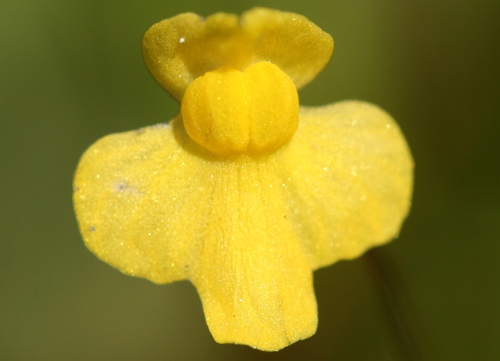
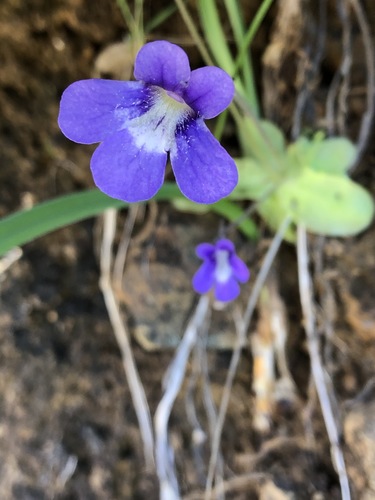
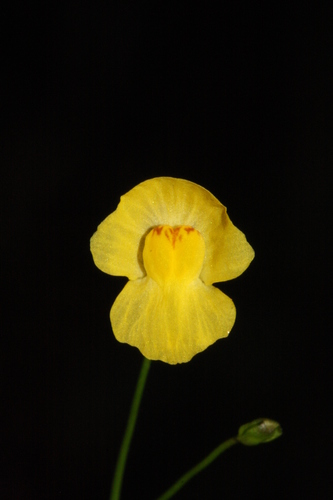
Common Bladderwort
utricularia intermedia
Also known as: ["Intermediate Bladderwort","Small Bladderwort"]
Overview
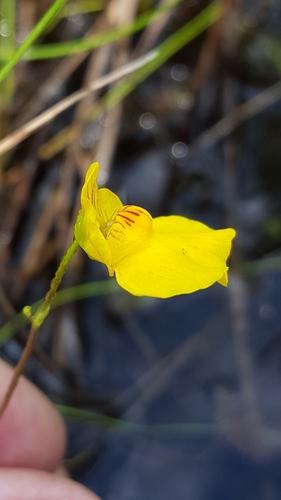
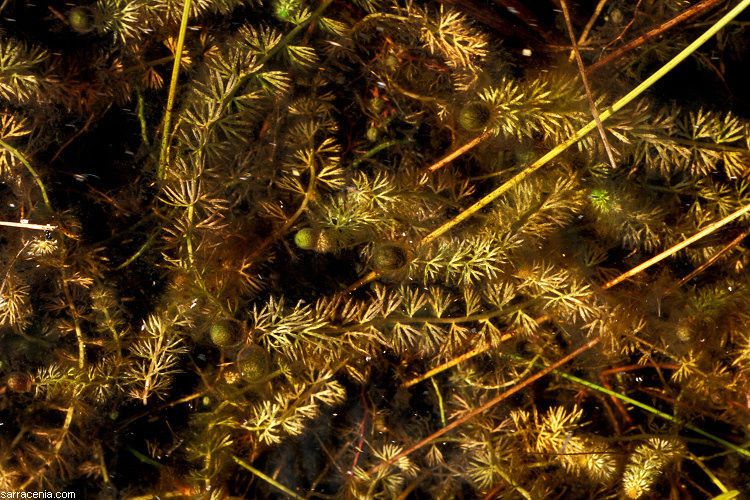
A carnivorous aquatic plant with small yellow flowers and bladder-like traps for capturing small aquatic organisms.
Benefits & Perks
["wildlife attractant (bees, butterflies, birds)","rare/collector’s item"]
Botanical Classification
| Phylum: | Magnoliophyta |
| Class: | Magnoliopsida |
| Order: | Caryophyllales |
| Family: | Lentibulariaceae |
| Genus: | Utricularia |
| Botanical Name: | Utricularia intermedia |
Plant Characteristics
Basic Information
- Category: Flowers
- Suitable Location: Bog garden, aquarium, or terrarium with constant water level
- Suitable For:
- Is Weed: No
- Allergenicity: low
Environmental Needs
- Climate: {"temperatureRange":"10–25°C"}
- Hardiness: {"zones":"3–9"}
- Misting: Not required, as it thrives in naturally humid aquatic or semi-aquatic environments
- Drainage: Moderate to good drainage, but the medium should remain consistently moist.
- Soil Type: Sphagnum moss or a mix of peat and perlite. Must be water-retentive but well-draining.
Maintenance Level
- Maintenance Level: moderate
- Toughness Level: moderate
- Pruning Frequency: As needed, typically every few weeks during active growth.
- Pruning Intensity: Light
Care Details
Ideal Sunlight Coverage:
Bright indirect light for 6–8 hours daily. Can tolerate partial shade, especially in warmer months to prevent overheating.
Sunlight Tolerance Tips:
Acclimate gradually to stronger light to avoid scorching. In outdoor settings, provide dappled shade during peak afternoon sun. Indoors, place near an east or north-facing window.
Care Requirements
Care Difficulty
challengingmoderate
Sunlight
Partial shade to full shade
Avoid direct midday sun; rotate plant for even light exposure; adjust shade based on season
Watering
Keep substrate constantly moist, never allowing it to dry out
Maintain constant moisture; use distilled or rainwater to avoid mineral buildup; ensure water drains freely if not grown in a waterlogged environment.
Soil
Sphagnum moss or peat-based, acidic, nutrient-poor substrate
pH: Acidic, ideally between 4.5–6.0.
Use acidic peat-based mix; keep medium moist; avoid mineral-rich water
Temperature
Prefers cool to moderate temperatures, ideally 50–70°F (10–21°C). Can tolerate cooler temperatures down to 40°F (4°C) but avoid prolonged exposure to frost.
Keep away from drafts; maintain stable temperatures; protect from extreme heat/cold
Fertilizing
Not required, as it is a carnivorous plant obtaining nutrients from prey
Use carnivorous plant fertilizer; apply sparingly; avoid direct contact with traps
Propagation
Methods
Stem cuttings or division of rhizomes.
Step-by-Step Propagation Guide
- Select healthy stem or rhizome.
- Cut into sections.
- Plant in moist medium.
- Maintain high humidity.
- Wait for roots to develop.
Best Time: Spring or early summer when the plant is actively growing.
Environment
High humidity, warm temperatures (60–70°F or 15–21°C), and indirect light.
Medium
Sphagnum moss or a mix of peat and perlite in a waterlogged environment.
Hormone
Not typically required, but rooting hormone can be used for cuttings.
Timeline
Roots may develop in 2–4 weeks; new growth in 1–2 months.
Tools Needed
Sharp scissors, rooting hormone (optional), sphagnum moss, plastic bag or propagator
Quick Tips
Use sterile tools; keep medium consistently moist; maintain high humidity
Pruning & Repotting
Pruning Guide
Method
Snip off dead or damaged parts with clean scissors.
Pruning Plan
Minimal pruning needed. Remove dead or decaying leaves and traps to maintain hygiene and prevent fungal growth.
Tools
Clean, sharp scissors or pruning shears
Checklist
Remove dead leaves; sanitize tools; avoid over-pruning
Repotting Guide
Best Season
Spring, before the active growing season begins.
Pot Size
Increase pot size by 1–2 inches (2.5–5 cm) in diameter.
Method
Gently remove the plant, trim any dead roots, and repot in a fresh, water-retentive medium with good drainage. Ensure the medium is kept consistently moist.
Suggestions
Repot every 1–2 years or when the plant outgrows its container. Necessary to refresh the medium and prevent root congestion.
Checklist
Use fresh medium; ensure good drainage; water thoroughly after repotting
Advanced Care Tips
Watering Mastery
Watering Checklist
Use distilled or rainwater; keep medium moist; water in morning; avoid wetting leaves
How to Apply Water Properly
Water thoroughly until excess drains from the bottom, ensuring the entire root zone is moistened. Avoid wetting the foliage to prevent fungal issues. Water in the morning to allow any moisture on leaves to evaporate during the day.
Watering Schedule Tips
Keep the growing medium consistently moist, especially during active growth. Reduce watering slightly in winter but never allow the medium to dry out completely. Water more frequently during hot, dry periods.
Soil Improvement
Add sphagnum moss for water retention; incorporate perlite for aeration; use distilled or rainwater to maintain acidity.
Temperature Stress Management
Signs of Temperature Issues
Chlorosis (yellowing leaves), stunted growth, or leaf necrosis in extreme heat or cold.
Cold Stress
Slows metabolic processes, reduces nutrient uptake, and can lead to root damage if temperatures drop below 40°F (4°C) for extended periods.
Solution: Provide protection in cold spells (e.g., move indoors or cover with a frost cloth). Ensure good air circulation to prevent fungal issues in cooler, damp conditions.
Hot Stress
Causes wilting, leaf scorch, and reduced trapping efficiency due to dehydration and heat stress.
Solution: Increase humidity, provide shade during peak heat, and ensure consistent moisture. Use a fan for air circulation to prevent overheating.
Fertilizing Guide
Fertilizing Checklist
Use diluted fertilizer; apply to water tray; fertilize only during growing season
Fertilizing Method
Generally not required due to carnivorous nature. If needed, use a very dilute (1/8 strength) liquid fertilizer once monthly during active growth, applied to the water tray.
Common Problems & Solutions
Toxicity Warning
Cats
Non-toxicUtricularia intermedia is not toxic to cats. The plant does not contain any known substances that are harmful to felines, and interaction with the plant is not expected to cause toxicity.
⚡ Toxic If:
None
Dogs
Non-toxicUtricularia intermedia is not toxic to dogs. The plant does not produce any known compounds that are harmful to canines, and ingestion or contact is not expected to cause adverse effects.
⚡ Toxic If:
None
Humans
Non-toxicUtricularia intermedia is not known to have any toxic effects on humans. It is a carnivorous plant that primarily captures small aquatic invertebrates and is not harmful to humans upon contact or ingestion.
⚡ Toxic If:
None
Frequently Asked Questions
Q: Is Utricularia intermedia suitable for beginners?
A: No, it requires specific aquatic conditions and is best suited for experienced plant enthusiasts.
Q: How does Utricularia intermedia trap its prey?
A: It uses small bladder-like traps that create a vacuum to suck in small aquatic organisms.
Q: Can Utricularia intermedia be grown indoors?
A: Yes, but it requires a suitable aquatic or semi-aquatic setup with proper lighting and water conditions.
Quick Reference
| Family: | Lentibulariaceae |
| Care: | challenging |
| Light: | Partial shade to full shade |
| Water: | Keep substrate constantly mois |
Get Expert Care Tips
Download the Plantious app for personalized care reminders and plant identification!
Google Play App Store