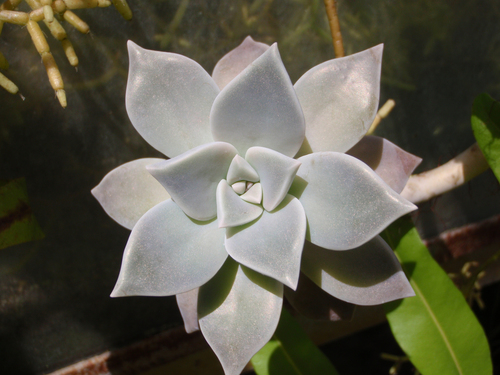
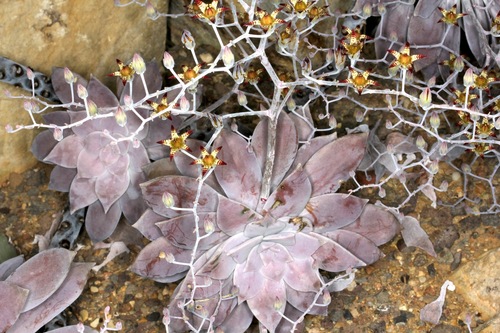
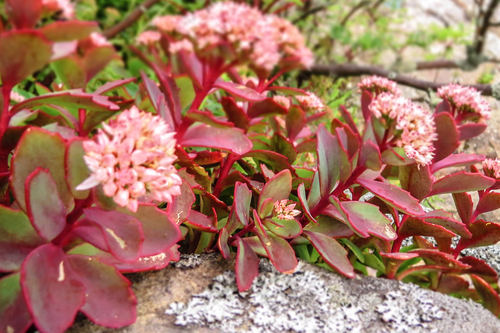
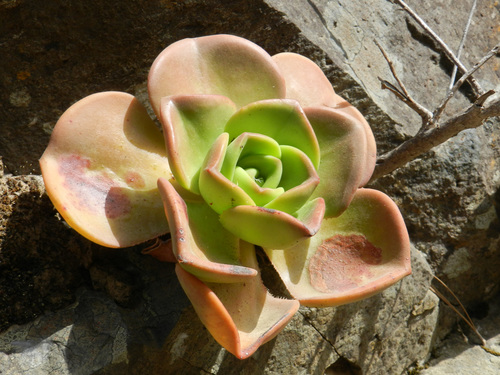
Cobweb Hens and Chicks
sempervivum arachnoideum
Also known as: ["Cobweb Houseleek","Spiderweb Houseleek"]
Overview
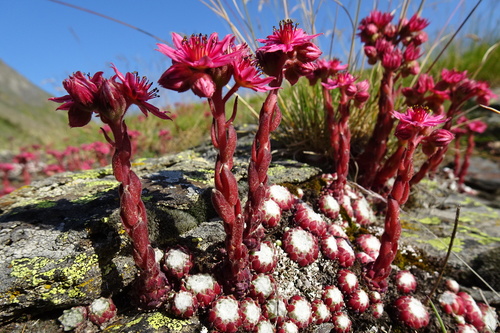
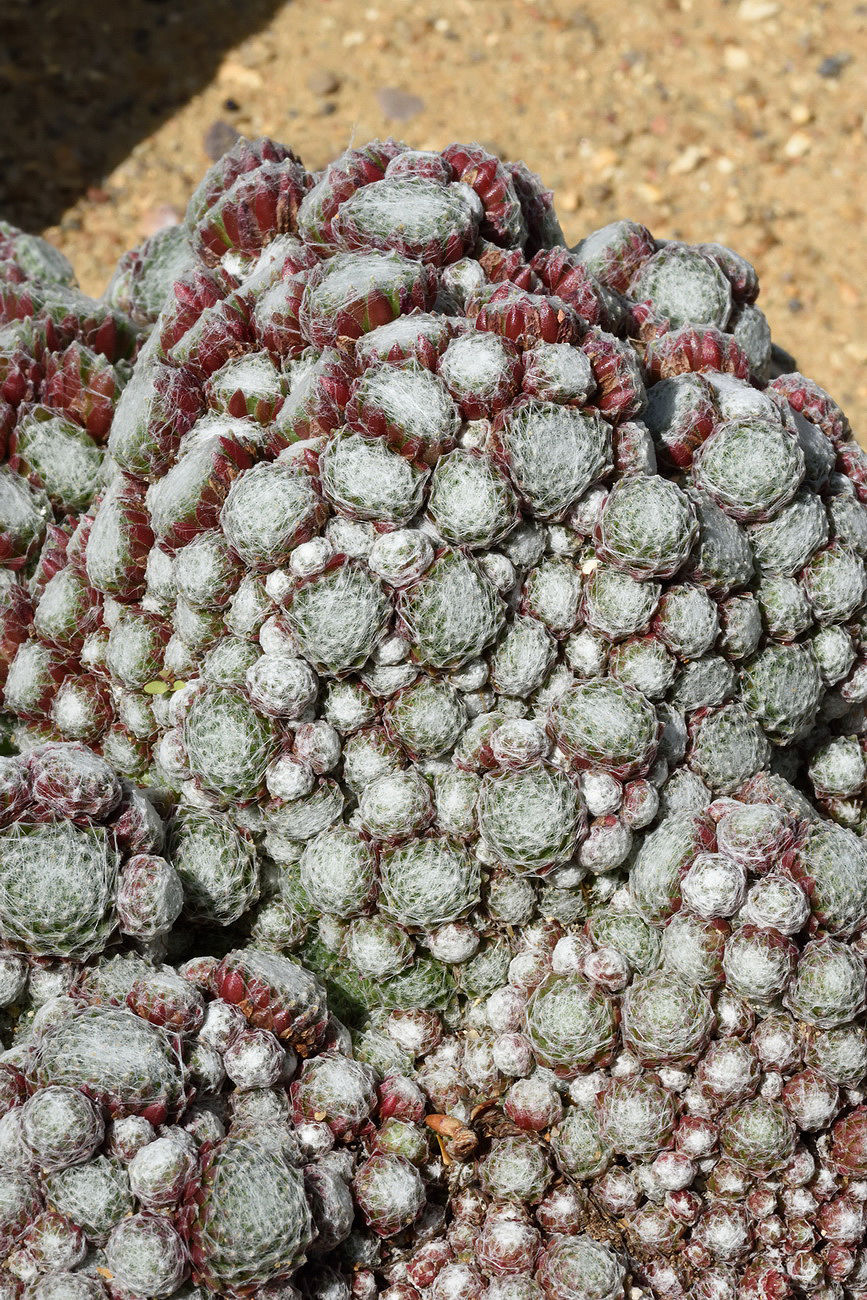
A low-growing succulent forming rosettes with fine, web-like filaments between the leaves, native to mountainous regions of Europe.
Benefits & Perks
["drought tolerant","deer resistant","cold hardy","low maintenance","aesthetic foliage"]
Botanical Classification
| Phylum: | Magnoliophyta |
| Class: | Magnoliopsida |
| Order: | Saxifragales |
| Family: | Crassulaceae |
| Genus: | Sempervivum |
| Botanical Name: | Sempervivum arachnoideum |
Plant Characteristics
Basic Information
- Category: Succulents & Cacti
- Suitable Location: rock gardens, alpine troughs, or containers with excellent drainage
- Suitable For:
- Is Weed: No
- Allergenicity: low
Environmental Needs
- Climate: {"temperatureRange":"–12–35°C"}
- Hardiness: {"zones":"4–8"}
- Misting: rarely required, only if ambient humidity is very low
- Drainage: Fast-draining.
- Soil Type: Sandy, gritty, well-draining soil with some organic matter.
Maintenance Level
- Maintenance Level: very low
- Toughness Level: very high
- Pruning Frequency: As needed, typically every few months or when offsets become numerous.
- Pruning Intensity: Light pruning.
Care Details
Ideal Sunlight Coverage:
Bright indirect light or full sun (4–6 hours daily). Tolerates partial shade but may stretch in low light.
Sunlight Tolerance Tips:
Acclimate gradually to intense sunlight to prevent scorching. Indoors, place near a south-facing window with filtered light. Outdoors, provide morning sun and afternoon shade in hot climates.
Care Requirements
Care Difficulty
very easyeasy
Sunlight
full sun to partial shade
Rotate pot weekly for even growth; avoid direct midday sun in summer; adjust light based on season.
Watering
every 7–10 days in summer, every 3–4 weeks in winter
Water deeply but infrequently; avoid waterlogged soil; water in morning to prevent fungal issues.
Soil
well-draining, sandy, rocky soil mix
pH: Slightly acidic to neutral (pH 6.0–7.0).
Use a cactus mix as a base; avoid heavy clay soils; ensure pots have drainage holes.
Temperature
Prefers cool to moderate temperatures (50–75°F or 10–24°C). Tolerates frost but thrives in mild conditions.
Avoid sudden temperature swings; protect from frost; ensure good airflow in warm conditions.
Fertilizing
every 2–3 months during active growth with a balanced, diluted fertilizer
Fertilize only during active growth; dilute fertilizer to prevent salt buildup; flush soil occasionally to remove excess salts.
Propagation
Methods
Stem cuttings or offsets (chicks).
Step-by-Step Propagation Guide
- Separate offset from mother plant.
- Let cut end dry for 1–2 days.
- Plant in moist propagation medium.
- Keep lightly moist.
Best Time: Spring or early summer when the plant is actively growing.
Environment
Bright indirect light, warm (65–75°F or 18–24°C), and high humidity (e.g., covered with a plastic bag).
Medium
Well-draining mix of cactus soil and perlite or sand.
Hormone
Optional, but can speed up rooting.
Timeline
Roots form in 2–4 weeks; new growth appears in 6–8 weeks.
Tools Needed
Clean knife or scissors, small pots, propagation medium.
Quick Tips
Allow cuttings to callus before planting; use a small pot to avoid overwatering; maintain humidity until roots form.
Pruning & Repotting
Pruning Guide
Method
Gently pull off dead leaves or snip offsets with clean scissors.
Pruning Plan
Minimal pruning needed. Remove dead or damaged leaves and offsets to maintain shape and prevent overcrowding.
Tools
Clean scissors or small pruners.
Checklist
Remove dead leaves; thin overcrowded offsets; clean tools before use.
Repotting Guide
Best Season
Spring, before the active growing season begins.
Pot Size
One size larger pot (e.g., +2 inches in diameter).
Method
Remove plant gently; trim any dead roots; place in a slightly larger pot with fresh, well-draining soil; water lightly after repotting.
Suggestions
Repot every 2–3 years or when the plant outgrows its container.Offsets can be separated and repotted.
Checklist
Check root health; use fresh soil; ensure good drainage; avoid overwatering after repotting.
Advanced Care Tips
Watering Mastery
Watering Checklist
Check soil dryness; water deeply; ensure drainage; reduce winter watering.
How to Apply Water Properly
Water directly at the soil level, ensuring moisture reaches the root zone without wetting the leaves. Allow excess water to drain thoroughly before placing the pot back in its saucer.
Watering Schedule Tips
Water sparingly, allowing soil to dry completely between waterings. Reduce frequency in winter to once every 4–6 weeks, depending on conditions.
Soil Improvement
Mix coarse sand, perlite, or pumice into standard potting soil to enhance drainage and aeration.
Temperature Stress Management
Signs of Temperature Issues
Chlorosis or browning of leaves in excessive heat; blackening or rotting in cold, wet conditions.
Cold Stress
Low temperatures combined with moisture can cause root rot and leaf damage, even if the plant is cold-hardy.
Solution: Ensure well-draining soil; protect from prolonged freezing rain or snow; move indoors if temperatures drop below 20°F (-6°C).
Hot Stress
Excessive heat can cause leaves to wilt, scorch, or drop, especially if combined with poor ventilation.
Solution: Provide shade during peak heat; increase air circulation; water early in the day to avoid evaporation stress.
Fertilizing Guide
Fertilizing Checklist
Use diluted fertilizer; apply during growing season; avoid winter feeding.
Fertilizing Method
Use a balanced, diluted cactus fertilizer (quarter strength) once in spring and once in summer. Avoid fertilizing in fall and winter.
Common Problems & Solutions
Toxicity Warning
Cats
Non-toxicSempervivum arachnoideum is not toxic to cats. The plant does not produce toxic compounds that would harm felines.
🌿 Toxic Parts:
⚡ Toxic If:
if eaten
Dogs
Non-toxicSempervivum arachnoideum is not toxic to dogs. Ingestion does not typically result in adverse physiological effects.
🌿 Toxic Parts:
⚡ Toxic If:
if eaten
Humans
Non-toxicSempervivum arachnoideum is generally considered non-toxic to humans. There are no significant toxic effects or physiological impacts reported from ingestion.
🌿 Toxic Parts:
⚡ Toxic If:
if eaten
Frequently Asked Questions
Q: How often should I water Sempervivum arachnoideum?
A: Water sparingly, allowing the soil to dry completely between waterings, especially during winter.
Q: Can Cobweb Hens and Chicks be grown indoors?
A: While they prefer outdoor conditions, they can be grown indoors in bright, indirect light with excellent drainage.
Q: Do these plants need special soil?
A: They thrive in well-draining, gritty soil, such as a mix of potting soil and sand or perlite.
Quick Reference


| Family: | Crassulaceae |
| Care: | very easy |
| Light: | full sun to partial shade |
| Water: | every 7–10 days in summer, e |
Get Expert Care Tips
Download the Plantious app for personalized care reminders and plant identification!
Google Play App Store