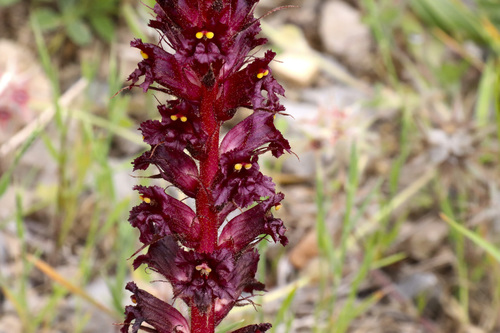
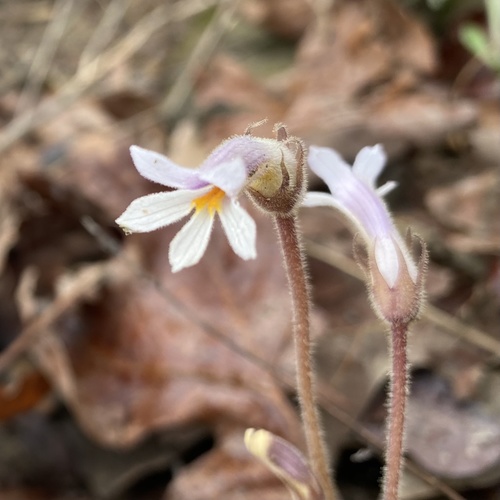
Uniflower Broomrape
orobanche uniflora
Also known as: ["One-flowered Broomrape","Ghost Flower"]
Overview
A parasitic herbaceous plant with no chlorophyll, relying on host plants for nutrients.
Benefits & Perks
["rare/collector’s item"]
Botanical Classification
| Phylum: | Magnoliophyta |
| Class: | Magnoliopsida |
| Order: | Lamiales |
| Family: | Orobanchaceae |
| Genus: | Orobanche |
| Botanical Name: | Orobanche uniflora |
Plant Characteristics
Basic Information
- Category: Herbs & Weeds
- Suitable Location: forest floor or shaded garden bed
- Suitable For:
- Is Weed: No
- Allergenicity: low
Environmental Needs
- Climate: {"temperatureRange":"0–30°C"}
- Hardiness: {"zones":"3–8"}
- Misting: not required
- Drainage: Fast-draining.
- Soil Type: Well-draining, sandy loam with some organic matter.
Maintenance Level
- Maintenance Level: very low
- Toughness Level: very low
- Pruning Frequency: As needed after flowering; occasional tidying of dead foliage.
- Pruning Intensity: Light pruning.
Care Details
Ideal Sunlight Coverage:
Partial shade to full shade; tolerates low light conditions; avoid direct sunlight.
Sunlight Tolerance Tips:
Acclimate slowly to brighter conditions if needed; protect from harsh afternoon sun; ideal for shaded garden spots or indoor low-light areas.
Care Requirements
Care Difficulty
expert onlymoderate
Sunlight
partial shade to full shade
Avoid direct sun; prefers shade; adjust placement based on light intensity.
Watering
rarely required, only when soil is completely dry
Avoid overwatering; water only when soil is fully dry; ensure excellent drainage.
Soil
well-drained, sandy or loamy soil
pH: Slightly acidic to neutral (pH 6.0–7.0).
Ensure excellent drainage; avoid heavy clay soils; maintain slightly acidic to neutral pH.
Temperature
Cool to moderate temperatures; prefers 50–65°F (10–18°C); tolerates cooler conditions.
Protect from frost; avoid extreme heat; maintain cool conditions for best growth.
Fertilizing
not required
Avoid over-fertilizing; fertilize only if growth is poor; dilute fertilizer to half strength.
Propagation
Methods
By seed or division of rhizomes.
Step-by-Step Propagation Guide
- Collect seeds or divide rhizomes.
- Sow seeds shallowly or replant divisions.
- Keep moist and warm.
Best Time: Spring or early summer when the plant is actively growing.
Environment
Warm, humid conditions for seeds; similar to parent plant conditions for division.
Medium
Well-draining seed starting mix or sandy loam.
Hormone
Not typically required for seed propagation; division requires no hormone.
Timeline
Seeds may take several weeks to months to germinate; division establishes quickly.
Tools Needed
Seed trays, pruners, gloves, well-draining soil.
Quick Tips
Sow seeds in early spring; divide clumps every few years to maintain vigor.
Pruning & Repotting
Pruning Guide
Method
Snip off spent flowers just below the flower head; trim back dead or damaged foliage.
Pruning Plan
Minimal pruning needed; remove spent flower stalks to encourage reblooming.
Tools
Hand pruners, scissors.
Checklist
Remove dead flowers; trim damaged leaves; clean tools after use.
Repotting Guide
Best Season
Early spring before active growth begins.
Pot Size
Use a pot only slightly larger than the current one; avoid over-potting.
Method
Gently lift the plant; remove old soil; replant in fresh, well-draining mix; ensure good drainage.
Suggestions
Only repot if the plant becomes overcrowded or the soil degrades; infrequent repotting is preferred.
Checklist
Check root health; use fresh soil; ensure drainage; minimal disturbance to roots.
Advanced Care Tips
Watering Mastery
Watering Checklist
Check soil dryness; water deeply; ensure drainage; adjust for season.
How to Apply Water Properly
Water directly at the root zone, ensuring moisture reaches deep but avoiding waterlogging; water in the morning to allow foliage to dry.
Watering Schedule Tips
Water sparingly, allowing soil to dry completely between waterings; reduce frequency in winter dormancy.
Soil Improvement
Add sand or perlite to improve drainage; incorporate compost for organic matter.
Temperature Stress Management
Signs of Temperature Issues
Wilting, leaf drop, or cessation of growth in extreme heat; poor flowering in excessively cold conditions.
Cold Stress
Slows growth; may become dormant; susceptible to frost damage if temperatures drop below freezing.
Solution: Provide frost protection in winter; mulch to insulate roots; move indoors if temperatures drop below 32°F (0°C).
Hot Stress
Stress from excessive heat can cause wilting, leaf scorch, or reduced flowering.
Solution: Provide shade during peak heat; increase humidity; water more frequently but avoid waterlogging.
Fertilizing Guide
Fertilizing Checklist
Check plant health; use weak fertilizer; apply in spring; avoid winter feeding.
Fertilizing Method
Generally does not require fertilization; if needed, use a weak, balanced liquid fertilizer sparingly in spring.
Common Problems & Solutions
Toxicity Warning
Cats
Slightly ToxicCats may experience mild gastrointestinal distress if they consume Orobanche uniflora. The plant's unusual composition and potential irritants can cause digestive upset, though severe toxicity is unlikely.
⚠️ Symptoms:
🌿 Toxic Parts:
⚡ Toxic If:
if eaten
Dogs
Slightly ToxicIn dogs, Orobanche uniflora may cause mild gastrointestinal upset due to its non-nutritive and potentially irritating nature. The plant's lack of nutritional value and possible irritant compounds can lead to digestive disturbances if ingested.
⚠️ Symptoms:
🌿 Toxic Parts:
⚡ Toxic If:
if eaten
Humans
Slightly ToxicOrobanche uniflora, commonly known as naked broomrape, is a parasitic plant that lacks chlorophyll and derives nutrients from host plants. While not highly toxic, ingestion can cause mild gastrointestinal discomfort due to its unusual composition and potential irritant properties. The plant contains compounds that may disrupt normal digestive processes.
⚠️ Symptoms:
🌿 Toxic Parts:
⚡ Toxic If:
if eaten
Frequently Asked Questions
Q: Is Orobanche uniflora a flowering plant?
A: Yes, it produces a single flower, but it lacks chlorophyll and is parasitic.
Q: How does Orobanche uniflora obtain nutrients?
A: It parasitizes the roots of other plants to derive nutrients.
Q: Is Orobanche uniflora toxic to pets?
A: Information on toxicity to pets is unknown.
Quick Reference
| Family: | Orobanchaceae |
| Care: | expert only |
| Light: | partial shade to full shade |
| Water: | rarely required, only when soi |
Get Expert Care Tips
Download the Plantious app for personalized care reminders and plant identification!
Google Play App Store