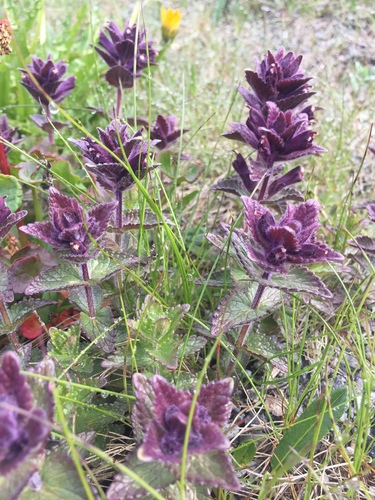
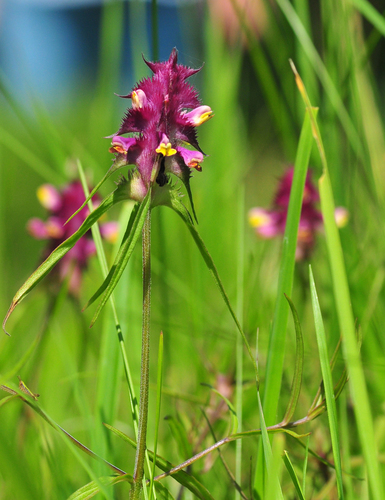
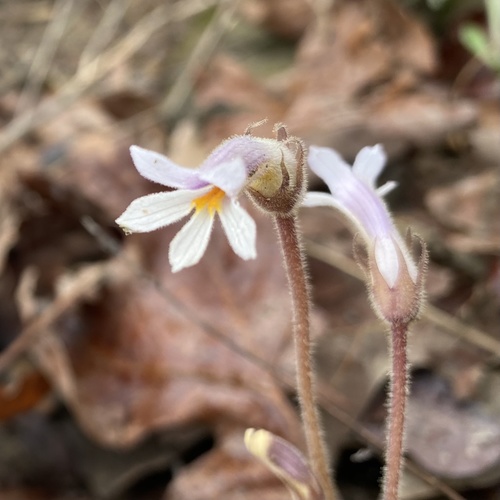
Stinking Broomrape
orobanche foetida
Also known as: ["Stinking Broomrape"]
Overview
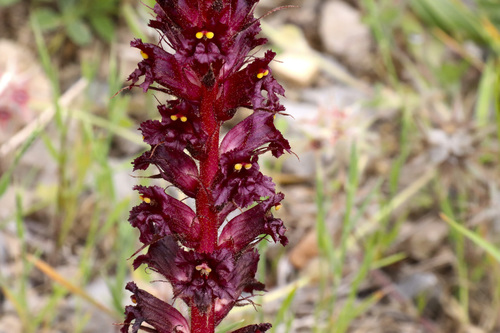
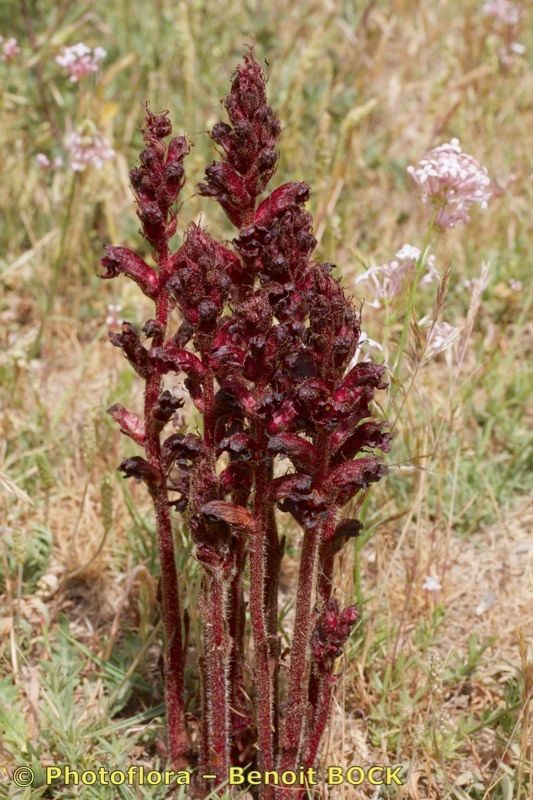
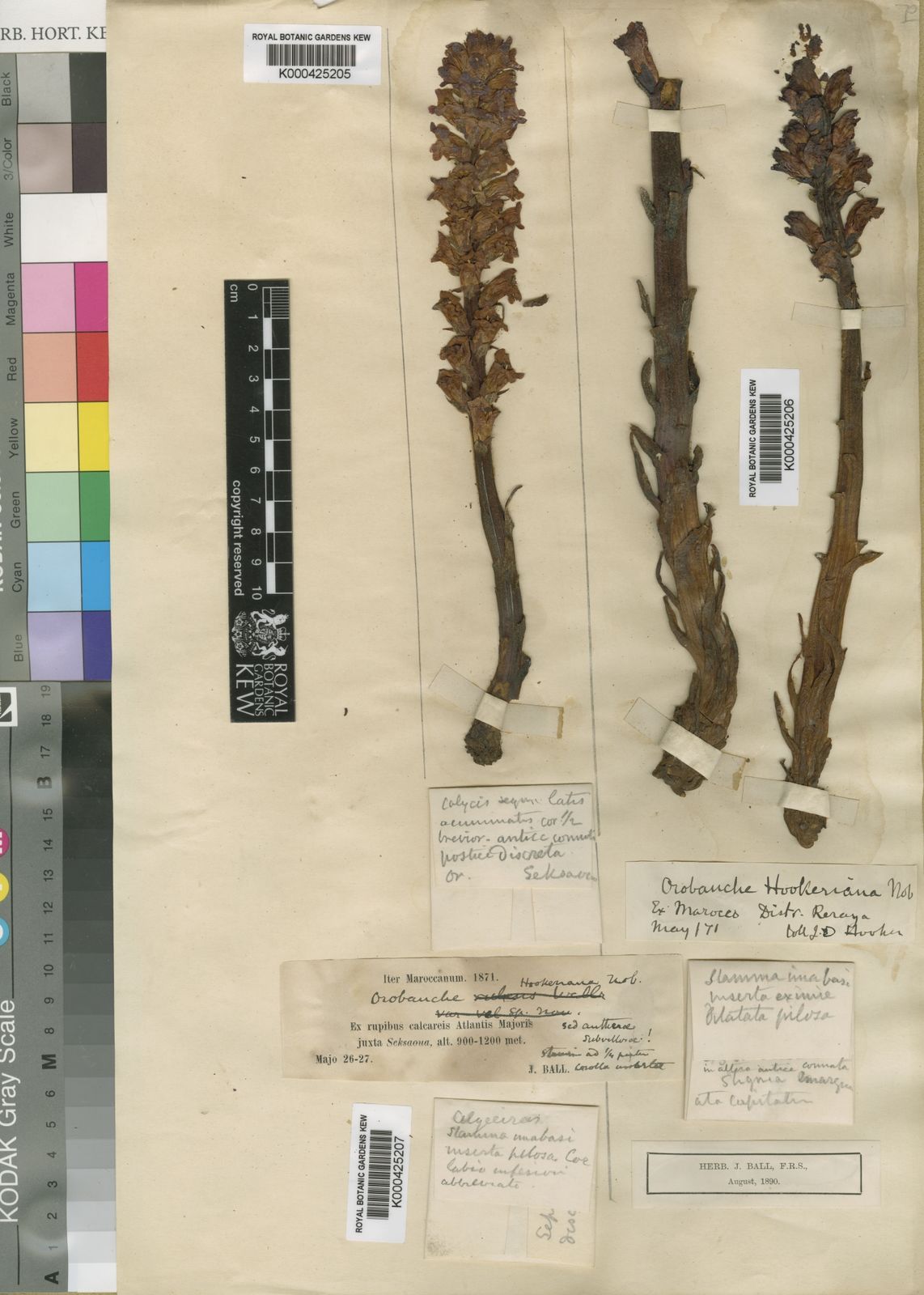
A parasitic herbaceous plant lacking chlorophyll, known for its unpleasant odor and association with host plants.
Benefits & Perks
["rare/collector’s item"]
Botanical Classification
| Phylum: | Magnoliophyta |
| Class: | Magnoliopsida |
| Order: | Lamiales |
| Family: | Orobanchaceae |
| Genus: | Orobanche |
| Botanical Name: | Orobanche foetida |
Plant Characteristics
Basic Information
- Category: Herbs & Weeds
- Suitable Location: open ground in arid or semi-arid regions
- Suitable For:
- Is Weed: No
- Allergenicity: low
Environmental Needs
- Climate: {"temperatureRange":"10–30°C"}
- Hardiness: {"zones":"5–8"}
- Misting: not required
- Drainage: Fast-draining to match host plant's needs.
- Soil Type: Dependent on host plant's soil requirements; generally well-draining soil.
Maintenance Level
- Maintenance Level: very low
- Toughness Level: very low
- Pruning Frequency: N/A
- Pruning Intensity: N/A
Care Details
Ideal Sunlight Coverage:
Host plant should receive full sun to partial shade (6–8 hours/day); Orobanche itself does not require sunlight as it is parasitic.
Sunlight Tolerance Tips:
Acclimate host plant gradually to sunlight; avoid placing in scorching direct sun; ensure host plant is in appropriate light for its species.
Care Requirements
Care Difficulty
expert onlychallenging
Sunlight
full sun to partial shade
Host plant needs bright light; Orobanche thrives in host's shadow; adjust light based on host plant's needs.
Watering
rarely required, only when soil is completely dry
Ensure host plant is adequately watered; avoid overwatering the parasite itself; monitor host plant's moisture needs.
Soil
well-drained, sandy or gravelly soil
pH: Depends on host plant; typically neutral to slightly acidic (6.0–7.0).
Match soil to host plant's needs; ensure good drainage; avoid compacted soil.
Temperature
Host plant dictates temperature needs; generally prefers moderate temperatures (15–25°C); avoid extreme fluctuations.
Monitor host plant's temperature needs; protect from frost; avoid extreme heat exposure.
Fertilizing
not required
Use balanced fertilizer for host; apply during growing season; avoid over-fertilizing host.
Propagation
Methods
Through seed or by establishing on a suitable host plant; germination requires specific conditions and a host nearby.
Step-by-Step Propagation Guide
- Sow seeds near host roots.
- Maintain soil moisture.
- Monitor for signs of parasitic connection.
Best Time: Spring or early summer when host plants are actively growing.
Environment
Warm, humid conditions near host plant; requires proximity to a suitable host.
Medium
Requires a host plant; seeds may be sown near host roots in well-draining soil.
Hormone
Not applicable; relies on natural parasitic connection.
Timeline
Seeds may take weeks to months to germinate and establish; dependent on host plant's health.
Tools Needed
None specific; may require tools for host plant care.
Quick Tips
Ensure host plant is healthy; maintain consistent moisture; be patient with germination.
Pruning & Repotting
Pruning Guide
Method
N/A
Pruning Plan
Not applicable; Orobanche does not require pruning.
Tools
N/A
Checklist
N/A
Repotting Guide
Best Season
N/A
Pot Size
N/A
Method
N/A
Suggestions
Not applicable; Orobanche is typically grown in situ with its host plant.
Checklist
N/A
Advanced Care Tips
Watering Mastery
Watering Checklist
Check host plant's soil moisture; water host plant deeply; ensure good drainage; avoid direct watering of Orobanche.
How to Apply Water Properly
Water the host plant thoroughly at the root zone, ensuring even moisture distribution; allow excess water to drain away; avoid waterlogging the soil around Orobanche.
Watering Schedule Tips
Water sparingly, as Orobanche foetida is a parasitic plant and relies on host plants for moisture; avoid direct watering unless cultivating the host plant.
Soil Improvement
Improve soil based on host plant's needs; add organic matter or sand for drainage if necessary.
Temperature Stress Management
Signs of Temperature Issues
Host plant may show wilting, chlorosis, or bud drop; Orobanche may fail to develop if host is stressed.
Cold Stress
Low temperatures can stunt host plant growth, reducing Orobanche's ability to parasitize; frost can damage host tissues.
Solution: Protect host plant from frost; use mulch or coverings; ensure host is in a sheltered location during cold spells.
Hot Stress
Excessive heat can stress the host plant, leading to dehydration and reduced vigor for Orobanche.
Solution: Provide shade for the host plant during peak heat; increase watering frequency for the host; ensure good air circulation.
Fertilizing Guide
Fertilizing Checklist
Identify host plant's fertilizer needs; apply at correct dilution; fertilize during active growth.
Fertilizing Method
Fertilize the host plant according to its species requirements; avoid fertilizing Orobanche directly.
Common Problems & Solutions
Toxicity Warning
Cats
ToxicOrobanche foetida is toxic to cats upon ingestion. The plant's toxic compounds can lead to gastrointestinal upset and other health issues in felines.
⚠️ Symptoms:
🌿 Toxic Parts:
⚡ Toxic If:
if eaten
Dogs
ToxicOrobanche foetida is toxic to dogs when ingested. The plant's compounds can cause gastrointestinal distress and other systemic effects in canines.
⚠️ Symptoms:
🌿 Toxic Parts:
⚡ Toxic If:
if eaten
Humans
ToxicOrobanche foetida is a parasitic plant species that can be toxic to humans upon ingestion. The plant contains compounds that may interfere with physiological processes, leading to adverse health effects.
⚠️ Symptoms:
🌿 Toxic Parts:
⚡ Toxic If:
if eaten
Frequently Asked Questions
Q: Is Orobanche foetida toxic to humans?
A: The toxicity of Orobanche foetida to humans is unknown.
Q: How does Orobanche foetida grow without chlorophyll?
A: Orobanche foetida is a parasitic plant that derives nutrients from host plants, eliminating the need for chlorophyll.
Q: Is Orobanche foetida suitable for beginners?
A: No, Orobanche foetida is challenging to cultivate and is best suited for expert botanists or collectors.
Quick Reference
| Family: | Orobanchaceae |
| Care: | expert only |
| Light: | full sun to partial shade |
| Water: | rarely required, only when soi |
Get Expert Care Tips
Download the Plantious app for personalized care reminders and plant identification!
Google Play App Store