Waterwheel Plant
aldrovanda vesiculosa
Also known as: ["Drosera vesiculosa","Waterwheel Plant"]
Overview
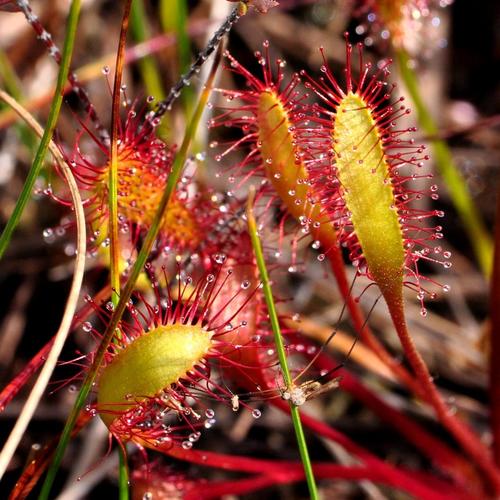
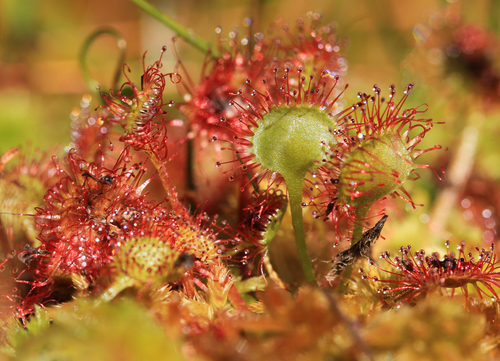
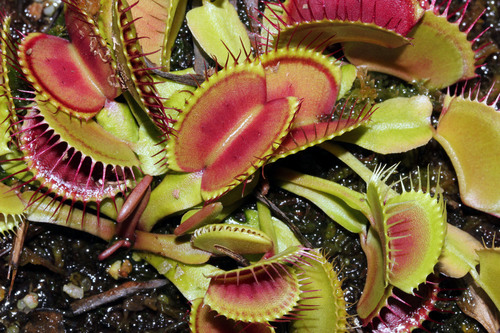
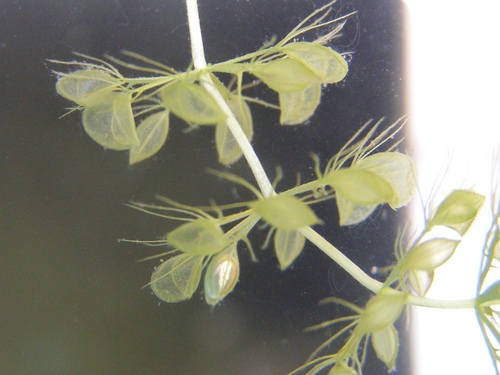
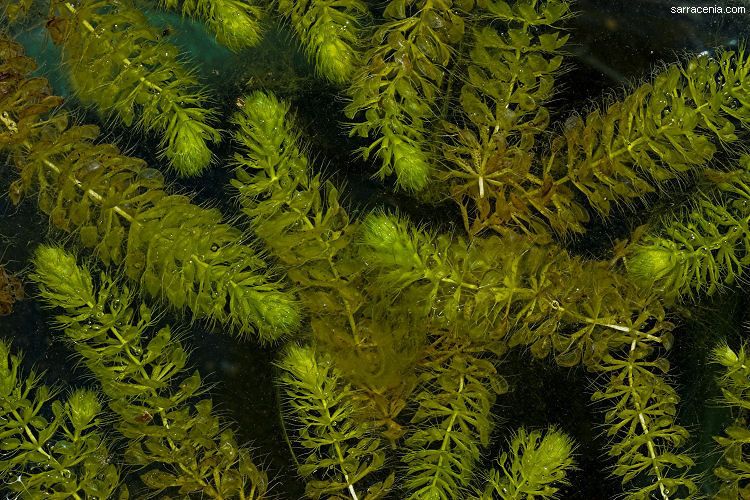
A unique aquatic carnivorous plant with whorls of small, snapping traps.
Benefits & Perks
["rare/collector’s item","wildlife attractant (bees, butterflies, birds)"]
Botanical Classification
| Phylum: | Magnoliophyta |
| Class: | Magnoliopsida |
| Order: | Caryophyllales |
| Family: | Droseraceae |
| Genus: | Aldrovanda |
| Botanical Name: | Aldrovanda vesiculosa |
Plant Characteristics
Basic Information
- Category: Flowers
- Suitable Location: still or slow-moving freshwater ponds, bogs, or aquariums
- Suitable For:
- Is Weed: No
- Allergenicity: low
Environmental Needs
- Climate: {"temperatureRange":"15–30°C"}
- Hardiness: {"zones":"8–11"}
- Misting: rarely required, as it thrives in fully aquatic environments
- Drainage: Fast-draining to prevent waterlogging.
- Soil Type: Aquatic soil mix with perlite or sand for drainage.
Maintenance Level
- Maintenance Level: very high
- Toughness Level: very low
- Pruning Frequency: As needed, typically every few weeks during active growth.
- Pruning Intensity: Light pruning to remove dead material.
Care Details
Ideal Sunlight Coverage:
Bright indirect light for 6–8 hours daily. Adjust for seasonal changes to prevent overheating.
Sunlight Tolerance Tips:
Acclimate slowly to new light conditions; avoid direct sunlight to prevent scorching; place in a shaded, humid area indoors.
Care Requirements
Care Difficulty
expert onlymoderate
Sunlight
full sun to partial shade
Avoid direct sun; provide bright indirect light; maintain humidity.
Watering
continuously submerged in water
Maintain full submersion; avoid stagnant water; ensure gentle water flow.
Soil
not applicable, as it is a floating aquatic plant
pH: Acidic, 5.0–6.5.
Ensure fast drainage; maintain acidic pH; avoid compacted soil.
Temperature
Warm temperatures, ideally 20–30°C (68–86°F). Avoid temperatures below 15°C (59°F) or above 35°C (95°F).
Maintain stable warmth; avoid drafts; monitor for signs of stress.
Fertilizing
not required, as it is a carnivorous plant that derives nutrients from prey
Avoid over-fertilizing; use only if traps are small; dilute to 1/4 strength.
Propagation
Methods
Stem cuttings or division of rhizomes.
Step-by-Step Propagation Guide
- Select healthy stems.
- Cut below a node.
- Place in propagation medium.
- Maintain humidity and warmth.
Best Time: Spring or early summer during active growth.
Environment
High humidity, warm temperatures (25–30°C), and indirect light.
Medium
Sphagnum moss or aquatic soil mix with perlite.
Hormone
Not necessary, but rooting hormone can be used for faster rooting.
Timeline
2–4 weeks for roots to develop; 2–3 months to establish.
Tools Needed
Sharp scissors, propagation container, sphagnum moss, rooting hormone (optional).
Quick Tips
Use healthy stems; maintain high humidity; avoid direct sunlight.
Pruning & Repotting
Pruning Guide
Method
Snip dead stems or leaves at the base.
Pruning Plan
Remove dead or decaying parts to maintain health and aesthetics.
Tools
Sharp scissors or pruning shears.
Checklist
Inspect for dead parts; use clean tools; remove carefully.
Repotting Guide
Best Season
Spring or early summer.
Pot Size
One size up; ensure at least 5–7 cm of water depth.
Method
Carefully transfer to a larger container; use fresh aquatic soil; ensure water level covers roots.
Suggestions
Repot if the plant outgrows its container or water becomes stagnant.
Checklist
Prepare new container; use fresh soil; maintain water level; acclimate slowly.
Advanced Care Tips
Watering Mastery
Watering Checklist
Check water level daily; use dechlorinated water; ensure gentle flow; monitor for stagnation.
How to Apply Water Properly
Water should cover the entire plant, including roots. Use dechlorinated water to prevent chemical shock. Ensure water movement to prevent stagnation.
Watering Schedule Tips
Keep the water level consistent, ensuring the plant is fully submerged. Water daily to maintain a stable aquatic environment, adjusting for evaporation rates.
Soil Improvement
Add perlite or sand to improve drainage; use sphagnum moss for acidity.
Temperature Stress Management
Signs of Temperature Issues
Wilting, chlorosis, reduced trap formation, or plant collapse.
Cold Stress
Slows metabolism, stunts growth, and can lead to cell damage or death.
Solution: Move to a warmer location; use a heat mat if necessary; ensure water is not too cold.
Hot Stress
Causes dehydration, wilting, and reduced photosynthesis.
Solution: Provide shade; increase humidity; ensure water is cool and well-circulated.
Fertilizing Guide
Fertilizing Checklist
Check if traps are small; use dilute fertilizer; apply sparingly; monitor for adverse effects.
Fertilizing Method
Not required, as Aldrovanda is carnivorous and derives nutrients from prey. If needed, use a very dilute liquid fertilizer sparingly during active growth.
Common Problems & Solutions
Toxicity Warning
Cats
Slightly ToxicCats that ingest Aldrovanda vesiculosa may experience mild gastrointestinal irritation. The plant's effects are typically limited to digestive discomfort.
⚠️ Symptoms:
🌿 Toxic Parts:
⚡ Toxic If:
if eaten
Dogs
Slightly ToxicIn dogs, ingestion of Aldrovanda vesiculosa may lead to mild gastrointestinal upset. The plant's irritant properties can cause discomfort but are generally not life-threatening.
⚠️ Symptoms:
🌿 Toxic Parts:
⚡ Toxic If:
if eaten
Humans
Slightly ToxicAldrovanda vesiculosa, commonly known as the waterwheel plant, is a carnivorous plant that may cause mild gastrointestinal distress if ingested. The plant contains compounds that can irritate the digestive tract, leading to discomfort.
⚠️ Symptoms:
🌿 Toxic Parts:
⚡ Toxic If:
if eaten
Frequently Asked Questions
Q: Is Aldrovanda vesiculosa easy to care for?
A: No, it is considered an expert-level plant due to its specific aquatic and carnivorous requirements.
Q: Does the Waterwheel Plant attract wildlife?
A: Yes, it can attract small aquatic organisms and insects.
Q: Is the plant toxic to pets?
A: No, it is non-toxic to dogs and cats.
Quick Reference


| Family: | Droseraceae |
| Care: | expert only |
| Light: | full sun to partial shade |
| Water: | continuously submerged in wate |
Get Expert Care Tips
Download the Plantious app for personalized care reminders and plant identification!
Google Play App Store