Round-leaved Sundew
drosera rotundifolia
Also known as: ["Round-leaved Sundew","Sundew Plant"]
Overview
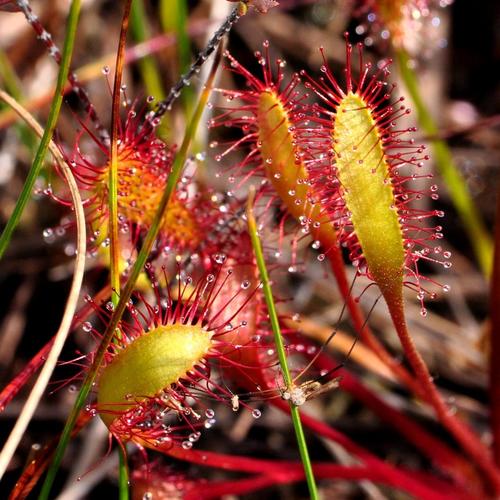
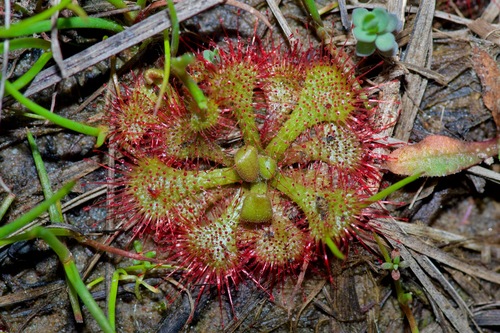
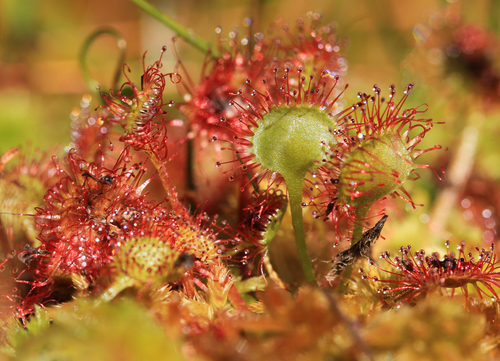
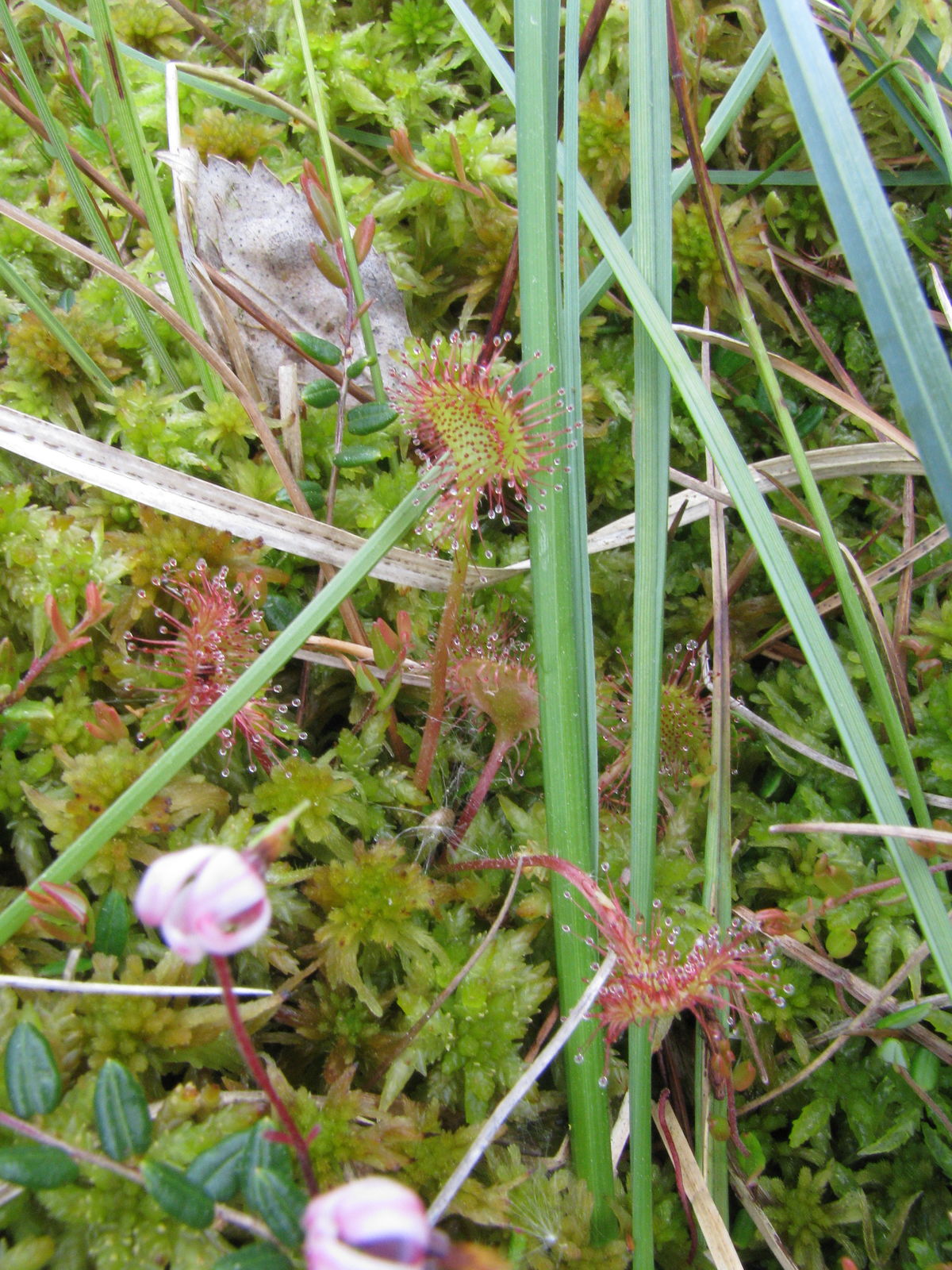
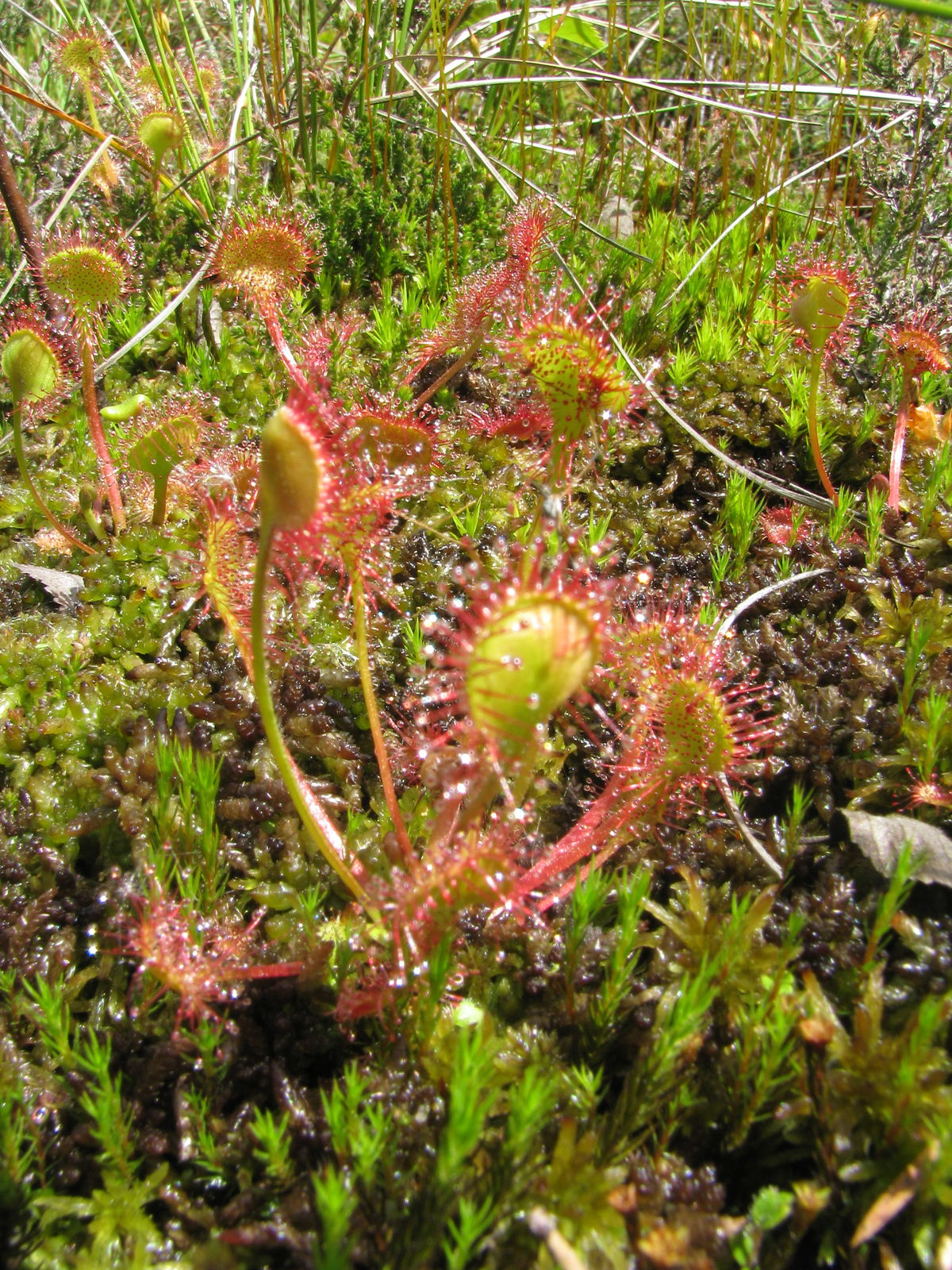
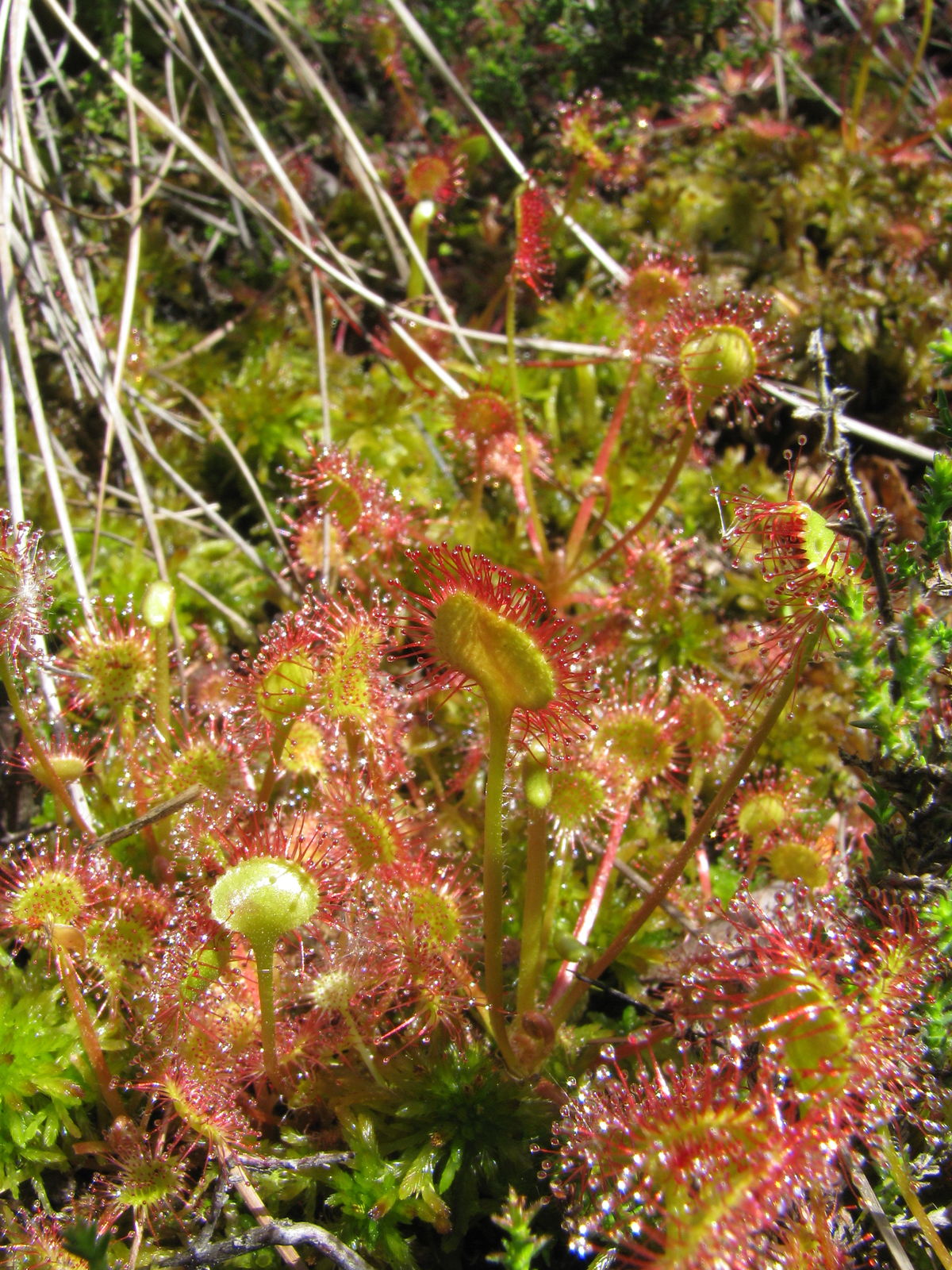
A carnivorous plant with sticky, glandular hairs that trap and digest insects.
Benefits & Perks
["aesthetic foliage","wildlife attractant (bees, butterflies, birds)"]
Botanical Classification
| Phylum: | Magnoliophyta |
| Class: | Magnoliopsida |
| Order: | Caryophyllales |
| Family: | Droseraceae |
| Genus: | Drosera |
| Botanical Name: | Drosera rotundifolia |
Plant Characteristics
Basic Information
- Category: Flowers
- Suitable Location: bog garden or container with standing water
- Suitable For:
- Is Weed: No
- Allergenicity: low
Environmental Needs
- Climate: {"temperatureRange":"0–30°C"}
- Hardiness: {"zones":"3–7"}
- Misting: rarely required, as it thrives in high-humidity boggy environments
- Drainage: Excellent drainage; waterlogged conditions can cause root rot.
- Soil Type: Sphagnum moss or a mix of peat moss and perlite (1:1 ratio).
Maintenance Level
- Maintenance Level: moderate
- Toughness Level: low
- Pruning Frequency: As needed, typically every 1–2 months during active growth.
- Pruning Intensity: Light pruning; remove only dead or damaged parts.
Care Details
Ideal Sunlight Coverage:
Bright indirect light for 12–14 hours daily. Can tolerate direct sunlight in cooler climates but risk scorching in hot conditions. Adjust exposure based on ambient temperature.
Sunlight Tolerance Tips:
Acclimate gradually to direct sun; provide shade during peak heat; move indoors during extreme temperatures.
Care Requirements
Care Difficulty
challengingmoderate
Sunlight
full sun to partial shade
Avoid hot afternoon sun; provide dappled light in summer; rotate pot for even growth.
Watering
every 2–3 weeks, keeping soil consistently moist but not waterlogged
Use distilled or rainwater; keep soil consistently moist; avoid tap water due to mineral sensitivity.
Soil
sphagnum peat moss with perlite or sand for excellent drainage
pH: Acidic, pH 3.5–5.0.
Use distilled water; ensure fast drainage; maintain acidic pH.
Temperature
Cool to moderate temperatures, ideally 50–70°F (10–21°C). Tolerates cooler nights and prefers cooler conditions during dormancy.
Keep away from drafts; maintain cool nights; avoid sudden temperature swings.
Fertilizing
rarely, if ever, as it is a carnivorous plant that derives nutrients from insects
Avoid standard fertilizers; use carnivorous plant-specific formulas; apply sparingly.
Propagation
Methods
Stem cuttings or division of rhizomes.
Step-by-Step Propagation Guide
- Take a healthy stem cutting.
- Remove lower leaves.
- Plant in moist medium.
- Maintain humidity.
Best Time: Spring or early summer when the plant is actively growing.
Environment
High humidity (70–90%), warm temperatures (65–75°F), and indirect light.
Medium
Sphagnum moss or a mix of peat and perlite.
Hormone
Not typically required, but rooting hormone can be used for faster rooting.
Timeline
Roots develop in 2–4 weeks; new growth appears in 6–8 weeks.
Tools Needed
Sharp scissors, rooting hormone (optional), humidity dome, misting bottle.
Quick Tips
Use sterile tools; maintain high humidity; avoid direct sun during rooting.
Pruning & Repotting
Pruning Guide
Method
Snip dead traps or leaves with clean scissors; avoid cutting healthy growth.
Pruning Plan
Minimal pruning; focus on removing dead or decaying traps and leaves to maintain hygiene and redirect energy.
Tools
Sharp, sterilized scissors or pruning shears.
Checklist
Use clean tools; remove only dead parts; avoid over-pruning.
Repotting Guide
Best Season
Spring, before the active growing season begins.
Pot Size
Increase pot size by 1–2 inches in diameter.
Method
Gently remove the plant; trim any dead roots; repot in fresh carnivorous plant mix with good drainage.
Suggestions
Repot every 2–3 years or when the plant outgrows its container. Necessary to refresh soil and prevent root binding.
Checklist
Use fresh soil; ensure good drainage; handle roots gently; water after repotting.
Advanced Care Tips
Watering Mastery
Watering Checklist
Use distilled water; keep soil moist; avoid wetting leaves; morning watering.
How to Apply Water Properly
Water directly onto the soil surface, ensuring even moisture distribution. Avoid wetting the leaves to prevent fungal issues. Ensure excess water drains away if using a pot with drainage holes. Water in the morning to allow foliage to dry before nightfall.
Watering Schedule Tips
Water consistently, keeping the soil consistently moist but not waterlogged. During active growth, water every 2–3 days; reduce frequency in winter dormancy to once a week. Use distilled or rainwater to avoid mineral buildup.
Soil Improvement
Add perlite or sand for aeration; use distilled water to maintain acidity; avoid organic matter that retains too much moisture.
Temperature Stress Management
Signs of Temperature Issues
Wilting, leaf discoloration, reduced trap formation, or cessation of growth.
Cold Stress
Slows metabolic processes, halting growth and trap production. Prolonged cold can lead to root damage.
Solution: Provide a cool but stable environment; avoid frost exposure; use a heat mat in excessively cold conditions.
Hot Stress
Causes leaf burn, dehydration, and reduced photosynthesis. Traps may close prematurely.
Solution: Increase humidity, provide shade, and ensure adequate ventilation. Mist foliage during heatwaves.
Fertilizing Guide
Fertilizing Checklist
Use distilled water; avoid leaf contact; fertilize minimally; apply to soil only.
Fertilizing Method
Generally unfertilized, as Drosera obtain nutrients from insects. If needed, use a very dilute (1/8 strength) carnivorous plant fertilizer once a month during active growth, applied to soil only.
Common Problems & Solutions
Toxicity Warning
Cats
Slightly ToxicCats that ingest Drosera rotundifolia may experience mild gastrointestinal irritation. The plant's natural digestive enzymes and mucilage can cause discomfort, though it is not considered highly toxic to felines.
⚠️ Symptoms:
🌿 Toxic Parts:
⚡ Toxic If:
if eaten
Dogs
Slightly ToxicIngestion of Drosera rotundifolia by dogs may lead to mild gastrointestinal upset due to the plant's mucilaginous secretions and digestive enzymes. While not highly toxic, it is not intended for consumption and can cause discomfort.
⚠️ Symptoms:
🌿 Toxic Parts:
⚡ Toxic If:
if eaten
Humans
Slightly ToxicDrosera rotundifolia, commonly known as roundleaf sundew, is a carnivorous plant that contains compounds that can cause mild gastrointestinal distress if ingested. The plant's mucilaginous secretions and digestive enzymes are not intended for human consumption and may irritate the digestive tract.
⚠️ Symptoms:
🌿 Toxic Parts:
⚡ Toxic If:
if eaten
Frequently Asked Questions
Q: How do I care for Drosera rotundifolia?
A: Provide bright, indirect light, keep the soil consistently moist with distilled or rainwater, and maintain high humidity.
Q: Is Drosera rotundifolia toxic to pets?
A: There is limited information on its toxicity to pets; it is best to keep it out of reach as a precaution.
Q: Can Drosera rotundifolia be grown indoors?
A: Yes, it can be grown indoors with proper lighting and humidity conditions.
Quick Reference

| Family: | Droseraceae |
| Care: | challenging |
| Light: | full sun to partial shade |
| Water: | every 2–3 weeks, keeping soi |
Get Expert Care Tips
Download the Plantious app for personalized care reminders and plant identification!
Google Play App Store