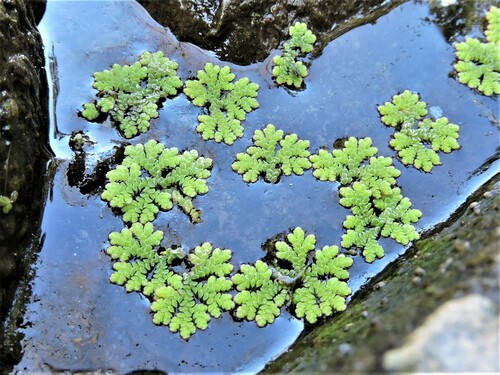
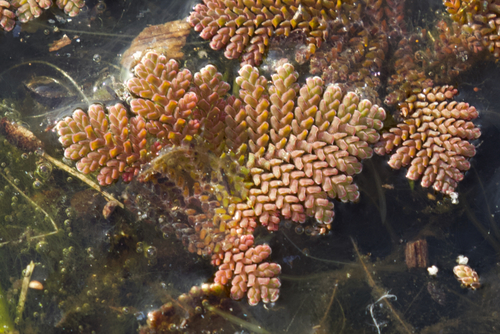
Carolina Mosquito Fern
azolla caroliniana
Also known as: ["Mosquito Fern","Duckweed Fern","Fairy Moss"]
Overview
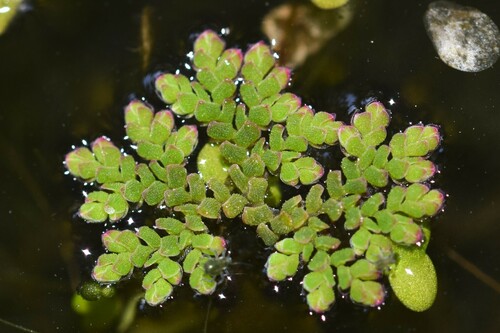
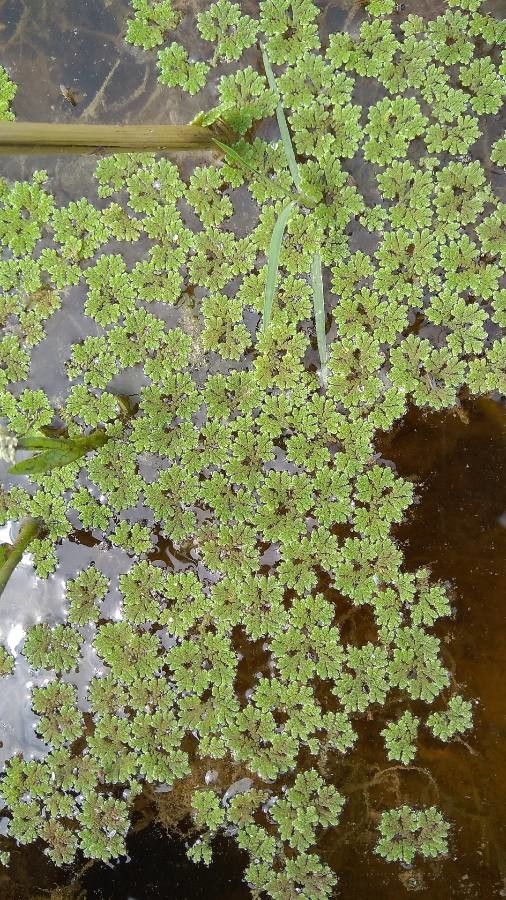
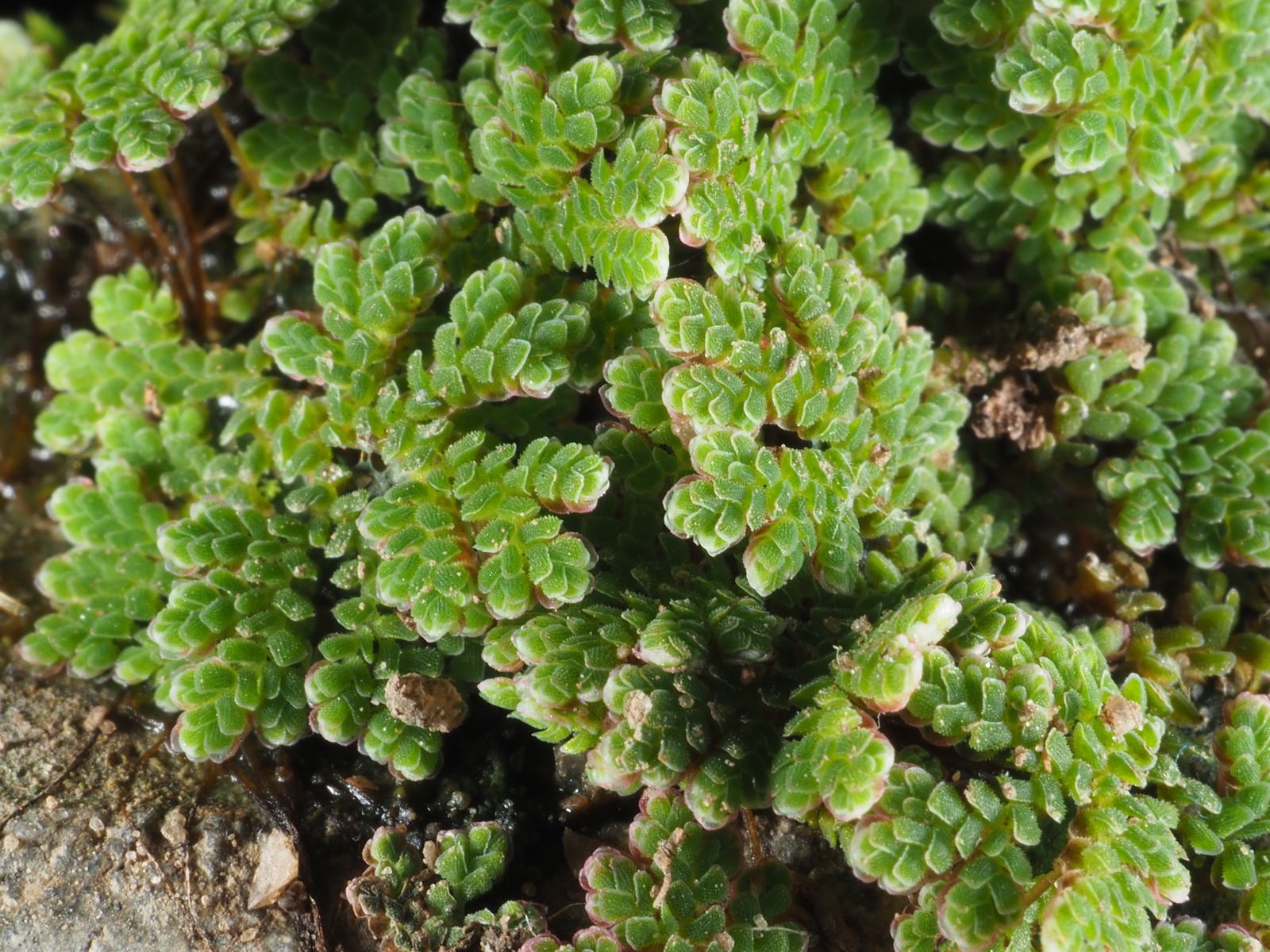
A small, floating aquatic fern with tiny, bright green leaves that form dense mats on the surface of still or slow-moving water bodies.
Benefits & Perks
["disease resistant","pet-friendly","cold hardy","air purifying","low maintenance","fast growing","wildlife attractant (bees, butterflies, birds)","drought tolerant"]
Botanical Classification
| Phylum: | Tracheophyta |
| Class: | Polypodiopsida |
| Order: | Salviniales |
| Family: | Azollaceae |
| Genus: | Azolla |
| Botanical Name: | Azolla caroliniana |
Plant Characteristics
Basic Information
- Category: Leaf Plants
- Suitable Location: still or slow-moving freshwater ponds, aquariums, or water gardens
- Suitable For:
- Is Weed: No
- Allergenicity: low
Environmental Needs
- Climate: {"temperatureRange":"10–30°C"}
- Hardiness: {"zones":"6–11"}
- Misting: not required, as it naturally thrives in high humidity environments
- Drainage: N/A.
- Soil Type: Not applicable; grows in water.
Maintenance Level
- Maintenance Level: very low
- Toughness Level: very high
- Pruning Frequency: As needed; every few weeks if overgrown.
- Pruning Intensity: Light.
Care Details
Ideal Sunlight Coverage:
Bright indirect light for 4–6 hours daily; tolerates full sun in cooler climates but prefers partial shade in hot regions.
Sunlight Tolerance Tips:
Acclimate gradually to intense sunlight; avoid direct midday sun in summer; keep in shaded water bodies if grown outdoors in hot areas.
Care Requirements
Care Difficulty
very easyeasy
Sunlight
full sun to partial shade
Morning sun is ideal; avoid harsh afternoon rays; adjust based on seasonal intensity.
Watering
daily, as it is a floating aquatic plant requiring constant water coverage
Maintain consistent water coverage; avoid dry conditions; ensure water quality is clean.
Soil
not applicable, as it is a floating aquatic plant
pH: N/A.
N/A.
Temperature
Thrives in 15–30°C (59–86°F); prefers warmer temperatures but can tolerate cooler conditions down to 10°C (50°F).
Keep in stable temperatures; avoid sudden drops; monitor water temperature in extreme conditions.
Fertilizing
every 4–6 weeks during active growth with a balanced liquid fertilizer diluted to half strength
Use liquid organic fertilizers sparingly; avoid synthetic chemicals; enrich water with nitrogen sources if growth is slow.
Propagation
Methods
Division; Azolla spreads rapidly and can be divided into smaller clumps.
Step-by-Step Propagation Guide
- Collect a healthy clump.
- Gently separate into smaller groups.
- Place in new water containers.
Best Time: Any time of year in warm conditions; best during active growth in spring or summer.
Environment
Warm, nutrient-rich water with indirect light.
Medium
Water with nutrients; no soil required.
Hormone
Not needed.
Timeline
Immediate spread; new colonies form within days under ideal conditions.
Tools Needed
Fine mesh sieve, clean containers.
Quick Tips
Use clean tools to prevent disease; ensure new containers have nutrient-rich water.
Pruning & Repotting
Pruning Guide
Method
Manual removal of unwanted fronds.
Pruning Plan
Minimal pruning needed; remove dead or excess fronds to maintain balance.
Tools
Fine-tipped scissors or fingers.
Checklist
Check for dead fronds; remove excess growth; ensure even distribution.
Repotting Guide
Best Season
N/A.
Pot Size
N/A.
Method
N/A.
Suggestions
Not applicable; Azolla is not potted in soil.
Checklist
N/A.
Advanced Care Tips
Watering Mastery
Watering Checklist
Check water level daily; ensure no debris covers Azolla; monitor water clarity.
How to Apply Water Properly
Azolla requires no traditional watering as it lives in water; ensure it floats freely and is not submerged too deeply; water should be nutrient-rich and well-aerated.
Watering Schedule Tips
Keep Azolla caroliniana constantly submerged or floating on the water surface; water changes or top-ups are needed only to maintain water level and cleanliness.
Soil Improvement
N/A.
Temperature Stress Management
Signs of Temperature Issues
Brown or blackened fronds in cold; stunted growth or bleaching in excessive heat.
Cold Stress
Growth slows or halts below 10°C; fronds may die back in prolonged cold.
Solution: Move to a warmer location or indoor setup; insulate water container in frost-prone areas.
Hot Stress
Fronds may wilt, bleach, or develop brown spots in temperatures above 35°C (95°F).
Solution: Provide shade during peak heat; ensure water is well-aerated; mist occasionally if in a container.
Fertilizing Guide
Fertilizing Checklist
Check water nutrient levels; use organic additives if needed; avoid over-fertilization.
Fertilizing Method
Azolla absorbs nutrients directly from water; no traditional fertilization needed if water is nutrient-rich (e.g., from fish waste or compost tea).
Common Problems & Solutions
Toxicity Warning
Cats
Non-toxicAzolla caroliniana is not toxic to cats. There are no known toxic effects or physiological impacts associated with its ingestion or contact.
⚡ Toxic If:
if eaten
Dogs
Non-toxicAzolla caroliniana is not toxic to dogs. There are no documented adverse effects from ingestion or contact with this plant.
⚡ Toxic If:
if eaten
Humans
Non-toxicAzolla caroliniana is generally considered non-toxic to humans. There are no known toxic effects or physiological impacts associated with its consumption or contact.
⚡ Toxic If:
if eaten
Frequently Asked Questions
Q: How does Azolla caroliniana benefit water bodies?
A: It fixes atmospheric nitrogen, improving water quality and serving as a natural fertilizer for aquatic ecosystems.
Q: Can Azolla caroliniana be grown in a home aquarium?
A: Yes, it is commonly used in aquariums to provide shade, reduce algae growth, and oxygenate water.
Q: Is Azolla caroliniana edible?
A: While non-toxic, it is not typically consumed by humans due to its small size and aquatic nature.
Quick Reference


| Family: | Azollaceae |
| Care: | very easy |
| Light: | full sun to partial shade |
| Water: | daily, as it is a floating aqu |
Get Expert Care Tips
Download the Plantious app for personalized care reminders and plant identification!
Google Play App Store