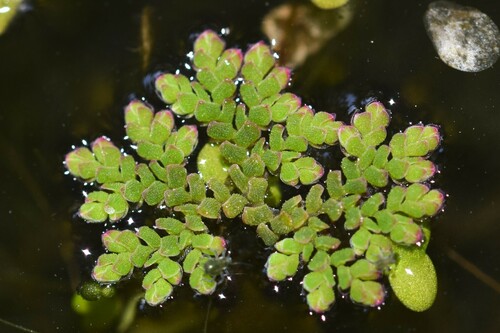
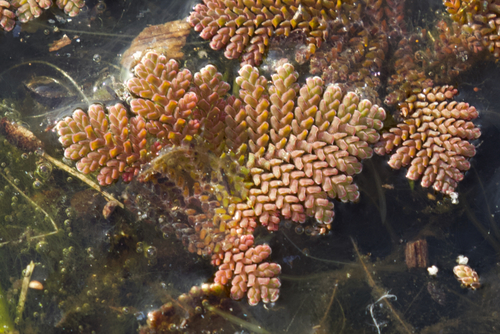
Fairy Moss, Water Fern
azolla filiculoides
Also known as: ["Water Fern","Mosquito Fern"]
Overview
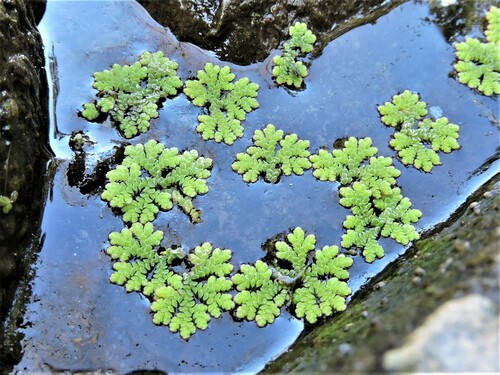
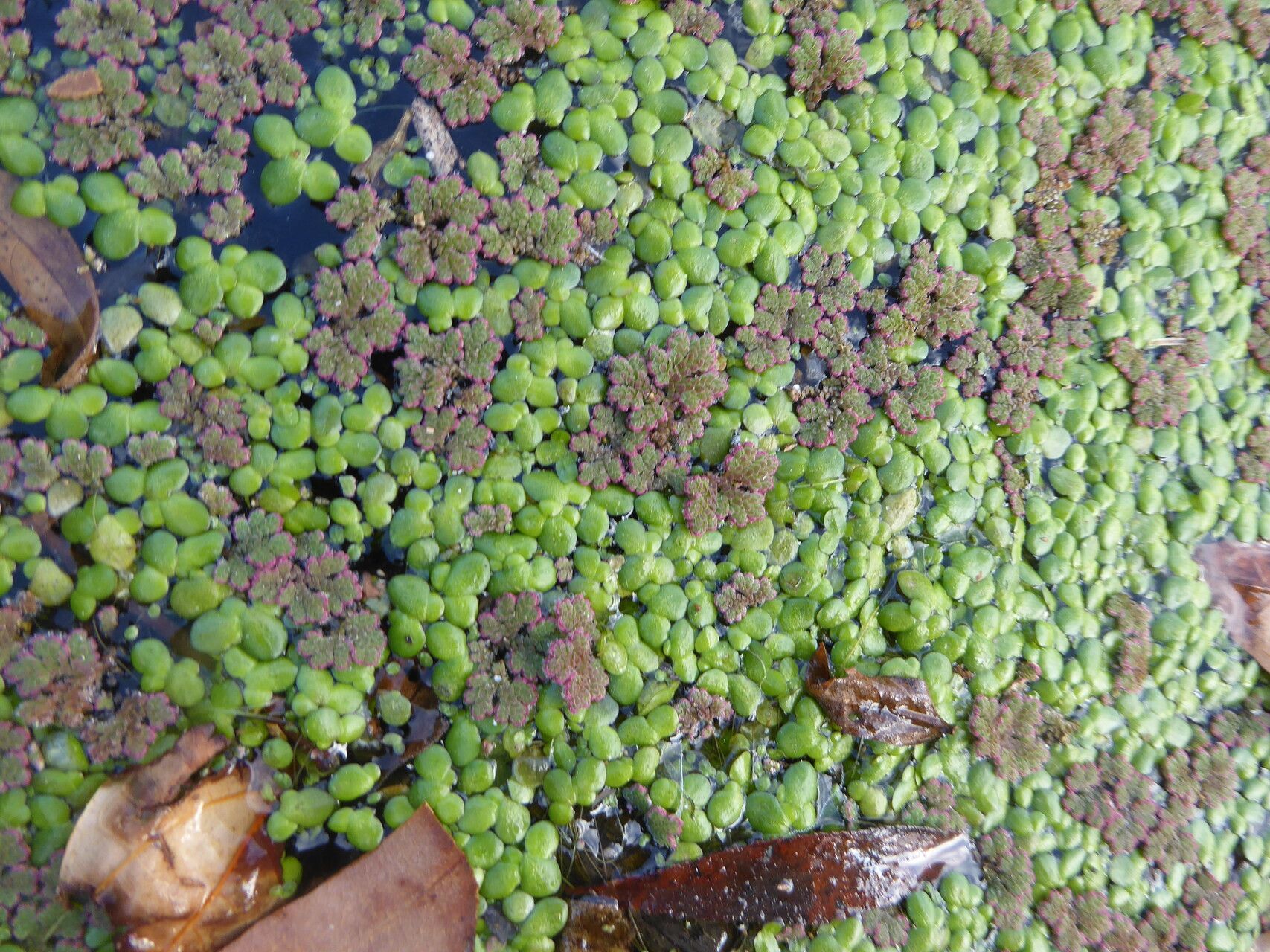
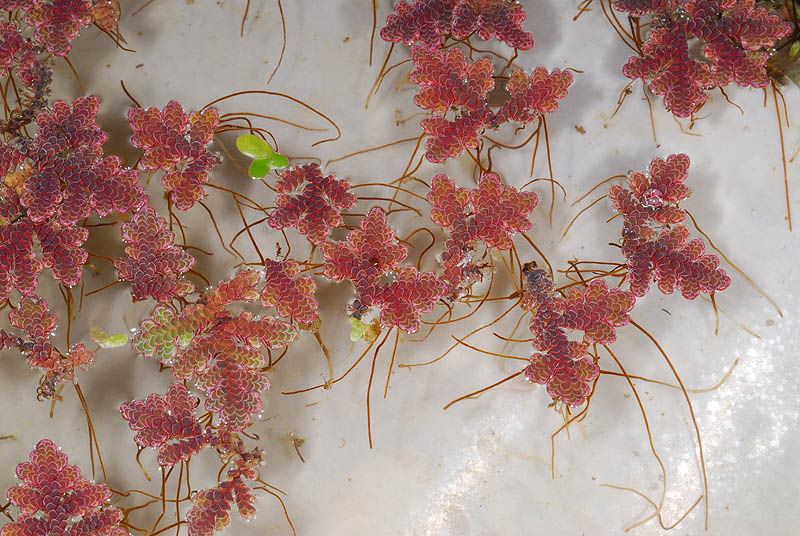
A small, free-floating aquatic fern with feathery leaves, often forming dense mats on still water surfaces.
Benefits & Perks
["disease resistant","fast growing","wildlife attractant (bees, butterflies, birds)","drought tolerant"]
Botanical Classification
| Phylum: | Tracheophyta |
| Class: | Polypodiopsida |
| Order: | Salviniales |
| Family: | Azollaceae |
| Genus: | Azolla |
| Botanical Name: | Azolla filiculoides |
Plant Characteristics
Basic Information
- Category: Herbs & Weeds
- Suitable Location: ponds, water gardens, or aquatic containers
- Suitable For:
- Is Weed: No
- Allergenicity: low
Environmental Needs
- Climate: {"temperatureRange":"5–30°C"}
- Hardiness: {"zones":"6–10"}
- Misting: not required
- Drainage: No drainage needed; waterlogged conditions are ideal.
- Soil Type: Waterlogged soil or aquatic setup; can thrive in still or slow-moving water.
Maintenance Level
- Maintenance Level: very low
- Toughness Level: very high
- Pruning Frequency: As needed; typically every few weeks during active growth.
- Pruning Intensity: Light; only remove dead or yellowing fronds.
Care Details
Ideal Sunlight Coverage:
Bright indirect light for 4–6 hours daily; tolerates full sun if acclimated gradually; adjust for seasonal light intensity.
Sunlight Tolerance Tips:
Acclimate to full sun slowly over 1–2 weeks; avoid sudden exposure to intense light; for indoor placement, use a south-facing window with sheer curtains.
Care Requirements
Care Difficulty
very easyeasy
Sunlight
full sun to partial shade
Rotate container for even growth; provide shade during peak afternoon sun; monitor for signs of scorching.
Watering
daily in extreme heat, otherwise as needed to maintain waterlogged conditions
Maintain waterlogged conditions; avoid letting the medium dry out; water evenly to cover the entire surface.
Soil
not applicable, grows in water
pH: Acidic to neutral (pH 5.5–7.0).
Maintain waterlogged conditions; avoid dry soil; ensure pH is within preferred range.
Temperature
Prefers 15–25°C (59–77°F); tolerates cooler temperatures down to 5°C (41°F) but may become dormant; avoid prolonged exposure to extreme heat.
Avoid sudden temperature changes; protect from frost; maintain stable conditions for optimal growth.
Fertilizing
rarely required, only if growth is poor
Dilute fertilizer to avoid burning; fertilize in the morning; avoid fertilizing dormant plants.
Propagation
Methods
Division; split clumps into smaller sections, each with roots and fronds.
Step-by-Step Propagation Guide
- Gently separate clumps.
- Ensure each section has roots.
- Place in water or damp soil.
- Maintain moisture.
Best Time: Spring or early summer when growth is active.
Environment
Warm, humid conditions with bright indirect light.
Medium
Water or damp soil; can also be grown in aquatic setups.
Hormone
Not required; natural rooting is efficient.
Timeline
Establishes quickly within 1–2 weeks; rapid growth thereafter.
Tools Needed
Fine-tipped scissors, container, water or soil medium.
Quick Tips
Use clean tools to prevent disease; maintain consistent moisture; divide only when the plant is healthy.
Pruning & Repotting
Pruning Guide
Method
Snip individual fronds with clean scissors; avoid cutting into healthy growth.
Pruning Plan
Minimal pruning needed; remove dead or damaged fronds to maintain appearance and health.
Tools
Fine-tipped scissors or small pruning shears.
Checklist
Use clean tools; remove only dead/damaged parts; avoid over-pruning.
Repotting Guide
Best Season
Spring or early summer when the plant is actively growing.
Pot Size
Increase pot size by 2–3 cm (1–1.5 inches) if repotting is necessary.
Method
Gently lift the plant; remove old medium; place in a new container with fresh, waterlogged medium; ensure good drainage.
Suggestions
Not typically required; if repotting, do so only if the container is overcrowded or the medium is depleted.
Checklist
Prepare new container; use fresh medium; handle roots gently; water thoroughly after repotting.
Advanced Care Tips
Watering Mastery
Watering Checklist
Check moisture daily; water thoroughly; ensure no dry patches; maintain waterlogged conditions.
How to Apply Water Properly
Apply water gently to avoid dislodging the plant; ensure the entire surface remains submerged or waterlogged; water in the morning to prevent fungal issues.
Watering Schedule Tips
Azolla filiculoides thrives in consistently moist conditions; water daily or as needed to maintain a waterlogged environment, especially during hot or dry periods. Reduce frequency slightly in cooler months but ensure the medium never dries out.
Soil Improvement
Ensure the medium is consistently waterlogged; add organic matter if growing in soil to retain moisture.
Temperature Stress Management
Signs of Temperature Issues
Yellowing or browning leaves in cold; wilting or stunted growth in excessive heat; reduced growth rate in suboptimal temperatures.
Cold Stress
Slows growth; may turn brown or red; can enter dormancy in temperatures below 10°C (50°F); prolonged cold may cause dieback.
Solution: Move to a warmer location; provide a heat source if indoors; reduce watering slightly to prevent root rot in cold.
Hot Stress
Wilting; leaf edges may scorch; reduced photosynthesis efficiency; may float less efficiently in water.
Solution: Provide shade during peak heat; increase humidity; ensure water remains cool and well-aerated.
Fertilizing Guide
Fertilizing Checklist
Use diluted fertilizer; fertilize during growing season; avoid over-fertilization.
Fertilizing Method
Use a balanced liquid fertilizer diluted to half strength; fertilize every 2–4 weeks during active growth; reduce or stop in winter.
Common Problems & Solutions
Toxicity Warning
Cats
Non-toxicAzolla filiculoides is not considered toxic to cats. There are no known adverse effects associated with ingestion or contact with this plant species in felines.
⚡ Toxic If:
Generally non-toxic to cats
Dogs
Non-toxicAzolla filiculoides is not considered toxic to dogs. There are no known adverse effects associated with ingestion or contact with this plant species in canines.
⚡ Toxic If:
Generally non-toxic to dogs
Humans
Non-toxicAzolla filiculoides is not considered toxic to humans under normal circumstances. It is a small aquatic fern that does not produce any known toxic compounds harmful to human health.
⚡ Toxic If:
Generally non-toxic to humans
Frequently Asked Questions
Q: Is Azolla filiculoides a true fern?
A: Yes, it is a small aquatic fern, though it differs from typical terrestrial ferns in its floating habit and small size.
Q: Can Azolla filiculoides be used in aquaponics?
A: Yes, it is often used in aquaponic systems due to its nitrogen-fixing ability and rapid growth.
Q: Is Azolla filiculoides invasive?
A: Yes, it can be highly invasive in still or slow-moving freshwater environments, forming dense mats that may choke waterways.
Quick Reference

| Family: | Azollaceae |
| Care: | very easy |
| Light: | full sun to partial shade |
| Water: | daily in extreme heat, otherwi |
Get Expert Care Tips
Download the Plantious app for personalized care reminders and plant identification!
Google Play App Store