Claret Cup Hedgehog Cactus
echinocereus enneacanthus
Also known as: ["Claret Cup Cactus","Texas Claret Cup Cactus"]
Overview
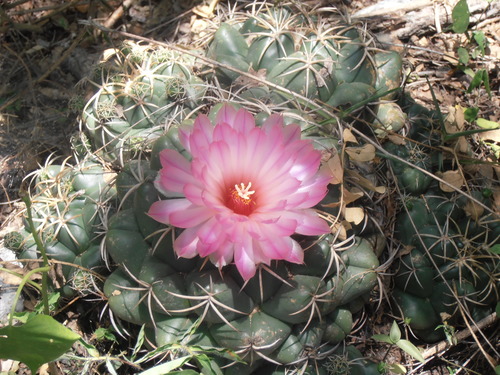
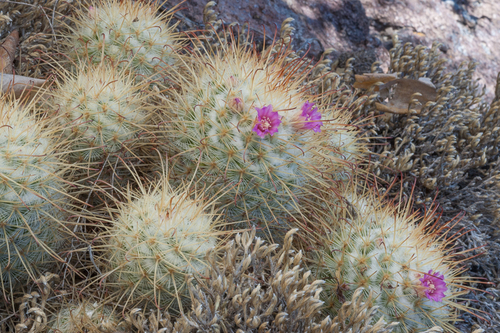
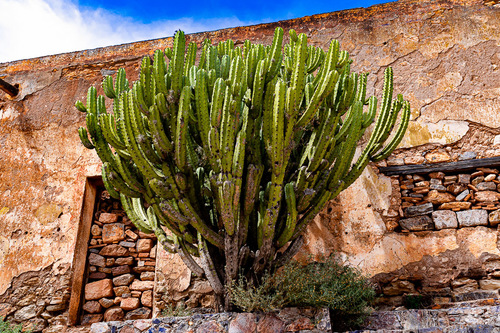
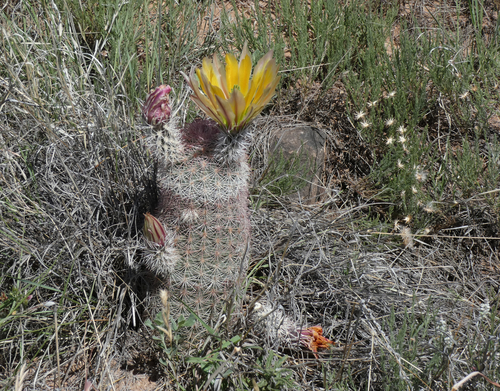
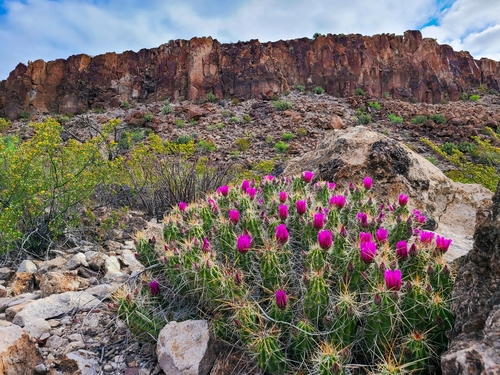
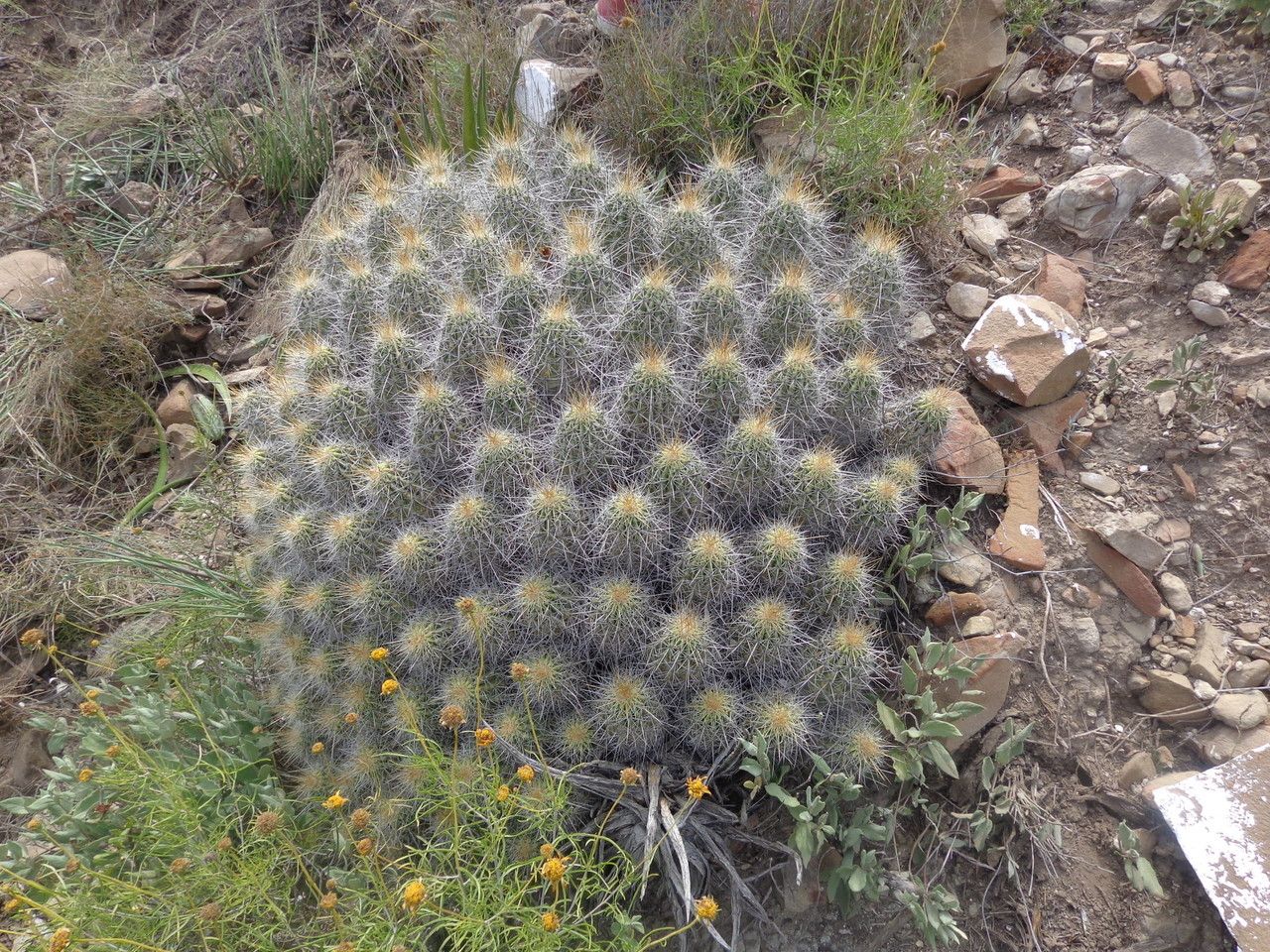
A low-growing, cylindrical cactus with showy magenta flowers and red fruit, native to arid regions of the southwestern United States and Mexico.
Benefits & Perks
["drought tolerant","deer resistant","wildlife attractant (bees, butterflies, birds)","low maintenance","rare/collector’s item"]
Botanical Classification
| Phylum: | Magnoliophyta |
| Class: | Magnoliopsida |
| Order: | Caryophyllales |
| Family: | Cactaceae |
| Genus: | Echinocereus |
| Botanical Name: | Echinocereus enneacanthus |
Plant Characteristics
Basic Information
- Category: Succulents & Cacti
- Suitable Location: rock garden, xeriscaped landscape, or indoor pot with bright light
- Suitable For:
- Is Weed: No
- Allergenicity: low
Environmental Needs
- Climate: {"temperatureRange":"5–40°C"}
- Hardiness: {"zones":"8–10"}
- Misting: rarely required, only if ambient humidity is very low
- Drainage: Fast-draining.
- Soil Type: Well-draining cactus or succulent mix with added perlite or coarse sand.
Maintenance Level
- Maintenance Level: very low
- Toughness Level: high
- Pruning Frequency: As needed, typically annually or when dead stems are present.
- Pruning Intensity: Light to moderate.
Care Details
Ideal Sunlight Coverage:
Bright, indirect light for 6–8 hours daily. Can tolerate direct sun but acclimate gradually to avoid sunburn.
Sunlight Tolerance Tips:
Acclimate to direct sun slowly over weeks; provide shade during intense midday sun; indoors, place near south-facing window with filtered light.
Care Requirements
Care Difficulty
easymoderate
Sunlight
full sun to partial shade
Rotate plant weekly for even growth; avoid prolonged direct sun in summer; provide dappled light in hot climates.
Watering
every 10–14 days during growing season, reduce to monthly in winter
Water thoroughly but infrequently; ensure excellent drainage; avoid waterlogged soil.
Soil
well-draining, sandy or rocky cactus mix
pH: Slightly acidic to neutral (pH 6.0–7.0).
Use gritty soil mix; ensure pots have drainage holes; avoid heavy garden soil.
Temperature
Prefers warm temperatures (65–85°F or 18–29°C) during active growth. Tolerates mild frost but thrives in arid, warm conditions.
Protect from frost; avoid sudden temperature swings; ensure good ventilation in hot weather.
Fertilizing
every 2–3 months during growing season with balanced cactus fertilizer
Fertilize only when actively growing; avoid over-fertilizing; flush soil occasionally to prevent salt buildup.
Propagation
Methods
Stem cuttings or offsets (pups).
Step-by-Step Propagation Guide
- Select healthy stem or offset.
- Let cut end dry for a few days.
- Plant in dry medium.
- Water lightly after roots appear.
Best Time: Spring or early summer when the plant is actively growing.
Environment
Warm (70–80°F or 21–27°C), humid (50–60%), and bright but indirect light.
Medium
Well-draining mix of cactus soil and perlite or sand.
Hormone
Optional, but rooting hormone can speed up root development.
Timeline
Roots may form in 4–8 weeks; establishment takes several months.
Tools Needed
Clean knife or shears, rooting hormone (optional), small pots, well-draining soil mix.
Quick Tips
Allow cuttings to callous before planting; avoid overwatering; maintain warmth and humidity.
Pruning & Repotting
Pruning Guide
Method
Cut stems cleanly at the base with sterilized tools; allow cuts to dry before handling.
Pruning Plan
Minimal pruning needed. Remove dead or damaged stems to maintain health and appearance.
Tools
Sterilized sharp knife or pruning shears.
Checklist
Sterilize tools; cut cleanly; allow cuts to dry; dispose of removed stems properly.
Repotting Guide
Best Season
Spring, before the active growing season begins.
Pot Size
One size larger pot (e.g., +2–3 cm in diameter).
Method
Gently remove plant; trim any dead roots; place in a slightly larger pot with fresh cactus mix; ensure good drainage.
Suggestions
Repot every 2–3 years or when the plant outgrows its container. Necessary to refresh soil and improve drainage.
Checklist
Check root health; use fresh soil; ensure drainage; avoid over-potting.
Advanced Care Tips
Watering Mastery
Watering Checklist
Check soil dryness; water deeply; ensure drainage; adjust for season.
How to Apply Water Properly
Water directly at the soil level, ensuring moisture reaches the root zone without wetting the plant body. Allow excess water to drain freely from the pot. Water in the morning to allow foliage to dry.
Watering Schedule Tips
Water deeply during active growing season (spring/summer), allowing soil to dry completely between waterings. Reduce or cease watering in winter dormancy.
Soil Improvement
Add coarse sand, perlite, or pumice to commercial potting soil to enhance drainage and aeration.
Temperature Stress Management
Signs of Temperature Issues
Chlorosis or purpling of stems in cold; wilting or sunken spots in excessive heat.
Cold Stress
Low temperatures slow growth and can cause root rot if soil remains moist. Prolonged cold may lead to tissue damage.
Solution: Move to a warmer location; ensure soil is dry; provide frost protection in cold climates.
Hot Stress
Excessive heat can cause dehydration, scorching, or stunted growth, especially if combined with poor watering.
Solution: Provide shade during peak heat; increase air circulation; water carefully to avoid overheating roots.
Fertilizing Guide
Fertilizing Checklist
Use cactus-specific fertilizer; dilute properly; fertilize during growing season only.
Fertilizing Method
Use a balanced, water-soluble cactus fertilizer diluted to half strength. Apply monthly during growing season (spring/summer), avoiding winter.
Common Problems & Solutions
Toxicity Warning
Cats
Non-toxicThe spines of Echinocereus enneacanthus can cause mechanical irritation or injury if a cat comes into contact with them, but there are no known toxic compounds that pose a significant health risk to cats.
⚠️ Symptoms:
🌿 Toxic Parts:
⚡ Toxic If:
if touched
Dogs
Non-toxicThe spines of Echinocereus enneacanthus can cause mechanical irritation or injury if a dog comes into contact with them, but there are no known toxic compounds that pose a significant health risk to dogs.
⚠️ Symptoms:
🌿 Toxic Parts:
⚡ Toxic If:
if touched
Humans
Non-toxicThe spines of Echinocereus enneacanthus can cause mechanical irritation upon contact, but there are no known toxic compounds that pose a significant health risk to humans.
⚠️ Symptoms:
🌿 Toxic Parts:
⚡ Toxic If:
if touched
Frequently Asked Questions
Q: How much sunlight does Echinocereus enneacanthus need?
A: It thrives in full sun, requiring at least 6 hours of direct sunlight daily.
Q: How often should I water this cactus?
A: Water sparingly, allowing the soil to dry completely between waterings, especially during winter dormancy.
Q: Does this cactus produce edible fruit?
A: Yes, the red fruit is edible and can be consumed when ripe, often used in jams or eaten fresh.
Quick Reference
| Family: | Cactaceae |
| Care: | easy |
| Light: | full sun to partial shade |
| Water: | every 10–14 days during grow |
Get Expert Care Tips
Download the Plantious app for personalized care reminders and plant identification!
Google Play App Store