Smallpondweed
potamogeton pusillus
Also known as: ["Champney grass","Slender pondweed"]
Overview
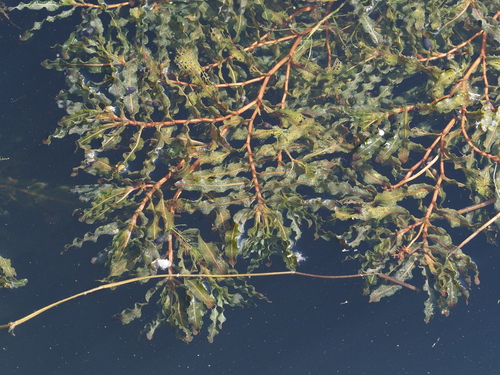
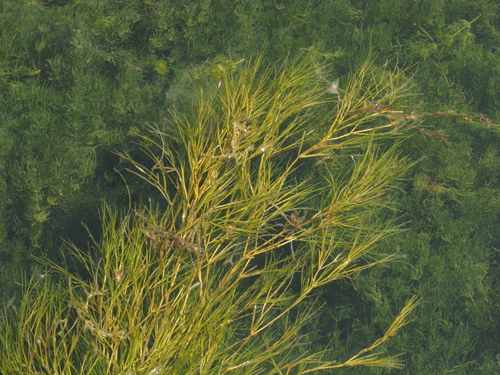
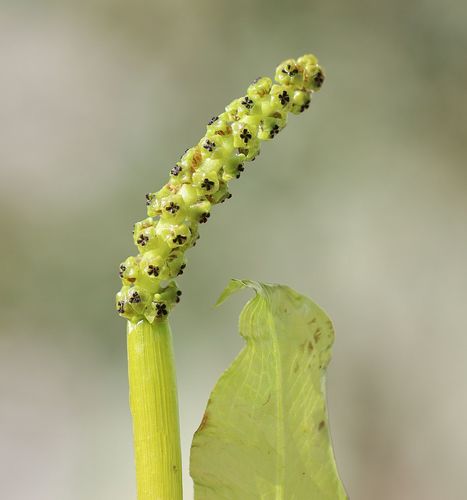
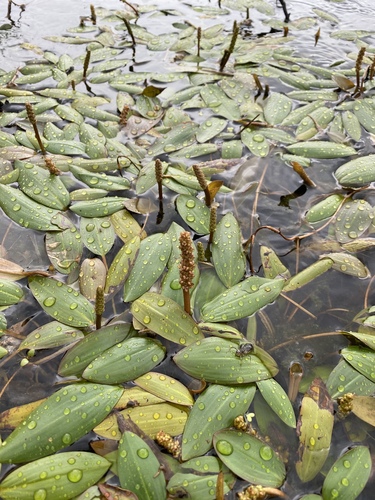
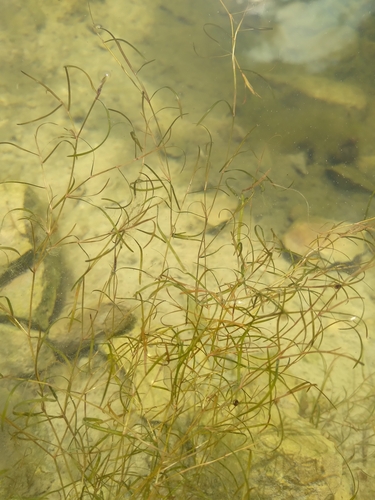
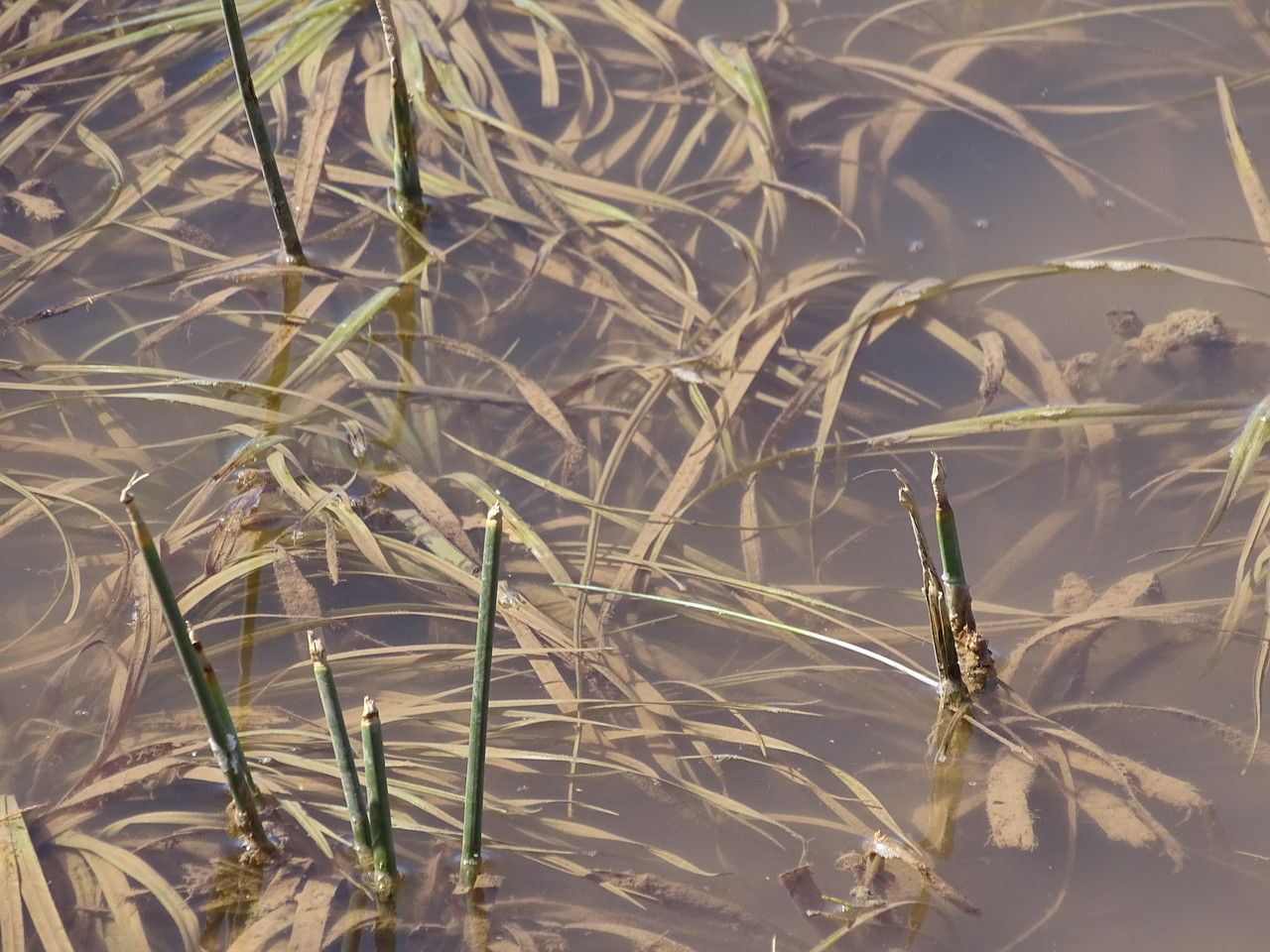
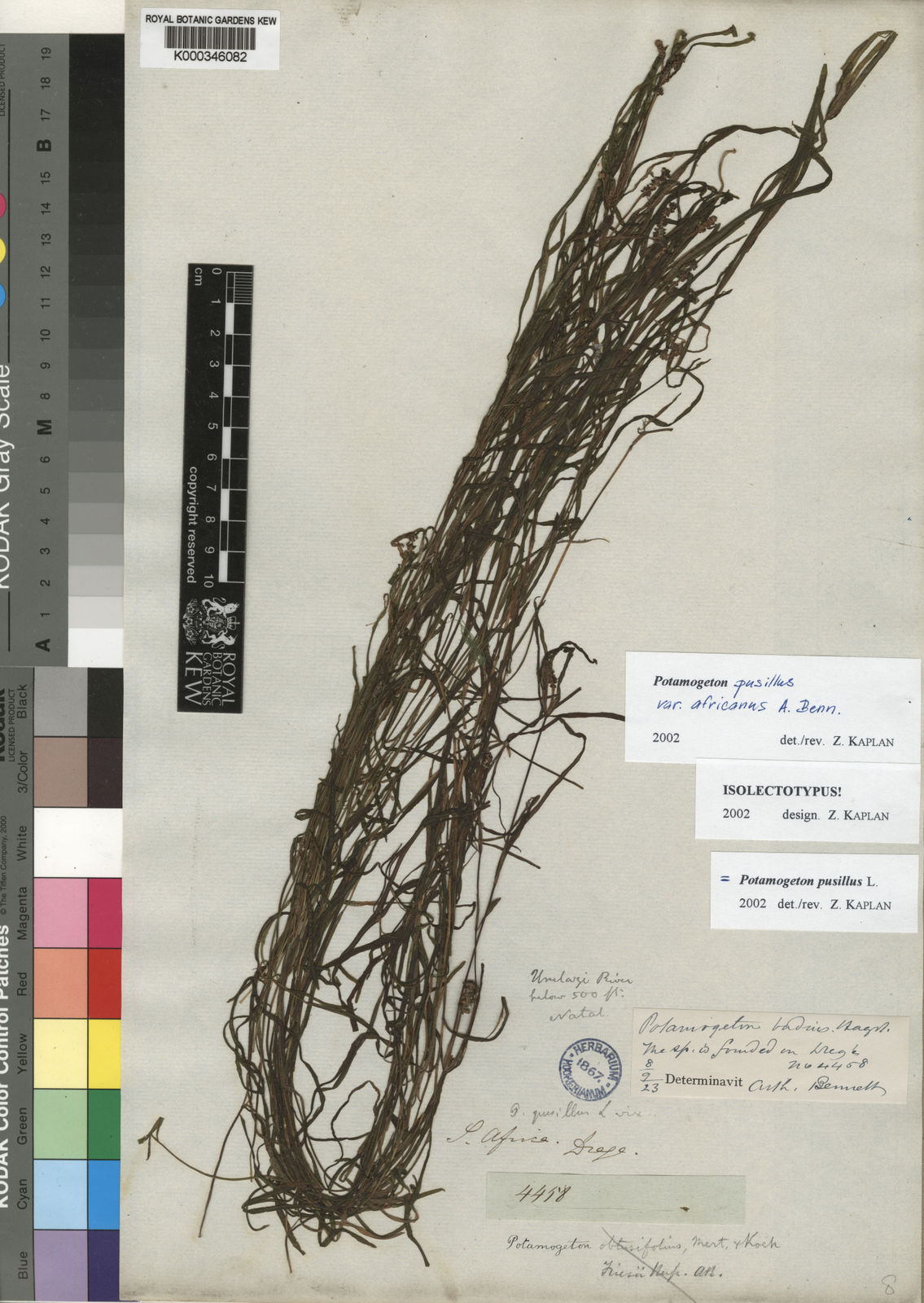
A submerged aquatic plant with slender, linear leaves and small flowers, typically found in freshwater habitats.
Benefits & Perks
["wildlife attractant (bees, butterflies, birds)","shade tolerant"]
Botanical Classification
| Phylum: | Magnoliophyta |
| Class: | Liliopsida |
| Order: | Alismatales |
| Family: | Potamogetonaceae |
| Genus: | Potamogeton |
| Botanical Name: | Potamogeton pusillus |
Plant Characteristics
Basic Information
- Category: Herbs & Weeds
- Suitable Location: still or slow-moving freshwater bodies
- Suitable For:
- Is Weed: No
- Allergenicity: low
Environmental Needs
- Climate: {"temperatureRange":"4–30°C"}
- Hardiness: {"zones":"4–10"}
- Misting: not applicable
- Drainage: Well-draining with constant water coverage.
- Soil Type: Aquatic planting substrate or fine gravel mixed with organic matter.
Maintenance Level
- Maintenance Level: moderate
- Toughness Level: moderate
- Pruning Frequency: As needed, typically every 1–2 months.
- Pruning Intensity: Light to moderate; focus on removing damaged or overgrown parts.
Care Details
Ideal Sunlight Coverage:
Full sun to partial shade; 4–6 hours of direct sunlight daily, with tolerance for deeper water shade.
Sunlight Tolerance Tips:
Acclimate to deeper water gradually; avoid placement in stagnant, shaded areas; ensure some direct light exposure.
Care Requirements
Care Difficulty
moderatemoderate
Sunlight
full sun to partial shade
Rotate placement for even growth; avoid dense shade; monitor for etiolation.
Watering
continuously submerged in water
Ensure consistent submersion; avoid stagnant water; monitor water clarity.
Soil
not applicable (aquatic)
pH: Slightly acidic to neutral, pH 6.0–7.5.
Avoid heavy clay; maintain water circulation; replenish nutrients regularly.
Temperature
Cool to moderate temperatures, 10–25°C (50–77°F); prefers cooler water in summer.
Avoid extreme temperature fluctuations; maintain stable water conditions; monitor for stress signs.
Fertilizing
not required
Fertilize in early morning or late evening; use a balanced aquatic plant formula; flush substrate occasionally.
Propagation
Methods
Stem cuttings or division of rhizomes.
Step-by-Step Propagation Guide
- Select healthy stems.
- Cut below nodes.
- Place in water or substrate.
- Maintain water level.
Best Time: Spring or early summer when growth is active.
Environment
Warm, humid conditions with gentle water flow.
Medium
Aquatic planting substrate or fine gravel with water coverage.
Hormone
Not typically required; rooting occurs naturally in water.
Timeline
2–4 weeks for roots to develop; 1–2 months to establish.
Tools Needed
Sharp scissors, planting trowel, water container.
Quick Tips
Use clean tools to prevent disease; ensure nodes are submerged; change water weekly.
Pruning & Repotting
Pruning Guide
Method
Snip stems just above nodes; trim decaying leaves at the base.
Pruning Plan
Remove dead or decaying leaves to maintain water quality and aesthetics.
Tools
Sharp scissors, pruning shears.
Checklist
Disinfect tools; remove only dead/damaged parts; avoid over-pruning.
Repotting Guide
Best Season
Spring or early summer during active growth.
Pot Size
Increase pot size by 2–3 cm in diameter.
Method
Gently lift plant; trim roots if necessary; replant in fresh aquatic substrate.
Suggestions
Repot if the plant outgrows its container or substrate becomes compacted.
Checklist
Prepare new substrate; trim roots if needed; ensure proper water level post-repotting.
Advanced Care Tips
Watering Mastery
Watering Checklist
Check water level daily; ensure no sediment buildup; observe plant health.
How to Apply Water Properly
Maintain water level above the crown; ensure gentle flow to prevent sedimentation; use dechlorinated water if possible.
Watering Schedule Tips
Water as needed to maintain submerged conditions; adjust for evaporation rates in warmer months.
Soil Improvement
Add aquatic plant fertilizer tabs; use peat moss for acidity; ensure fine gravel for root anchorage.
Temperature Stress Management
Signs of Temperature Issues
Yellowing leaves, stunted growth, or browning leaf tips.
Cold Stress
Slows metabolic processes; may cause dormancy or leaf drop in prolonged cold.
Solution: Maintain stable water temperature; use a water heater if necessary; avoid drafts.
Hot Stress
Leaves may wilt, turn yellow, or develop necrotic spots; growth may cease.
Solution: Provide shade during peak heat; ensure water circulation; mist foliage if needed.
Fertilizing Guide
Fertilizing Checklist
Check fertilizer concentration; apply to water column; observe for nutrient burn.
Fertilizing Method
Use liquid fertilizer diluted to half strength; apply every 4–6 weeks during growing season; avoid over-fertilization.
Common Problems & Solutions
Toxicity Warning
Cats
Non-toxicPotamogeton pusillus is not toxic to cats. This submerged aquatic plant does not contain any known toxic substances that would pose a risk to felines upon ingestion.
🌿 Toxic Parts:
⚡ Toxic If:
if eaten
Dogs
Non-toxicPotamogeton pusillus is not toxic to dogs. There are no known toxic compounds in this plant that would cause harm to canines if ingested.
🌿 Toxic Parts:
⚡ Toxic If:
if eaten
Humans
Non-toxicPotamogeton pusillus, commonly known as slender pondweed, is not considered toxic to humans. It is a submerged aquatic plant with no known toxic compounds that would cause adverse effects upon ingestion.
🌿 Toxic Parts:
⚡ Toxic If:
if eaten
Frequently Asked Questions
Q: Is Potamogeton pusillus suitable for aquariums?
A: Yes, it is commonly used in aquariums due to its ability to thrive in submerged conditions.
Q: Does Potamogeton pusillus require special care?
A: It prefers still or slow-moving freshwater and benefits from moderate light and nutrient-rich substrates.
Q: Can Potamogeton pusillus be invasive?
A: It is not typically considered invasive, but it can spread in favorable conditions.
Quick Reference

| Family: | Potamogetonaceae |
| Care: | moderate |
| Light: | full sun to partial shade |
| Water: | continuously submerged in wate |
Get Expert Care Tips
Download the Plantious app for personalized care reminders and plant identification!
Google Play App Store