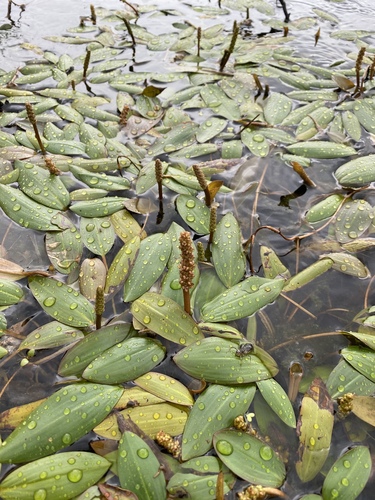
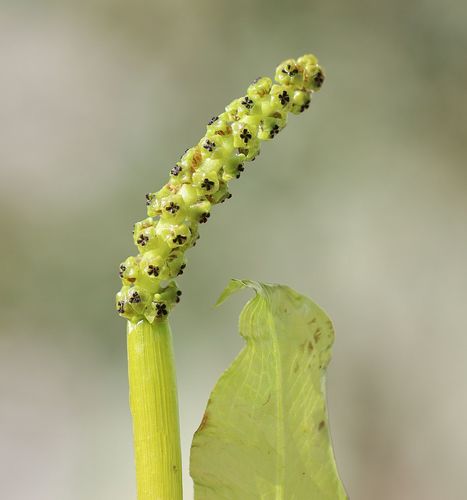
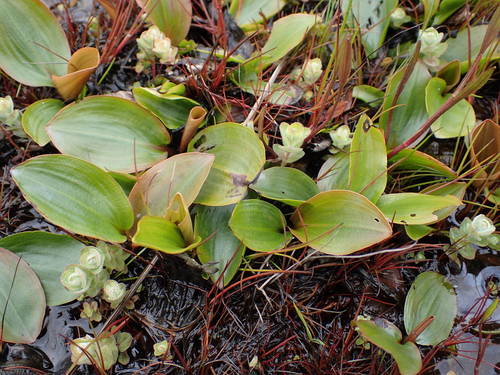
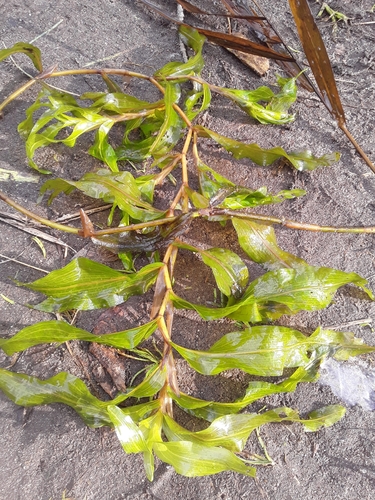
Curled Pondweed
potamogeton crispus
Also known as: ["Ruffled Pondweed","Wavy-leaf Pondweed"]
Overview
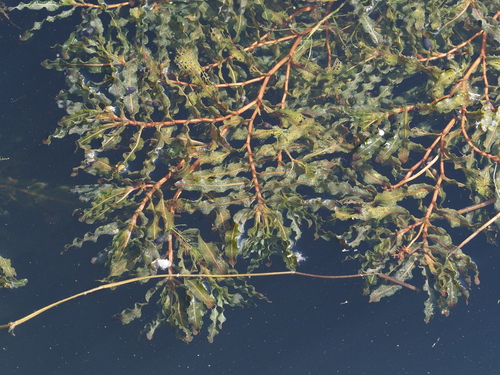
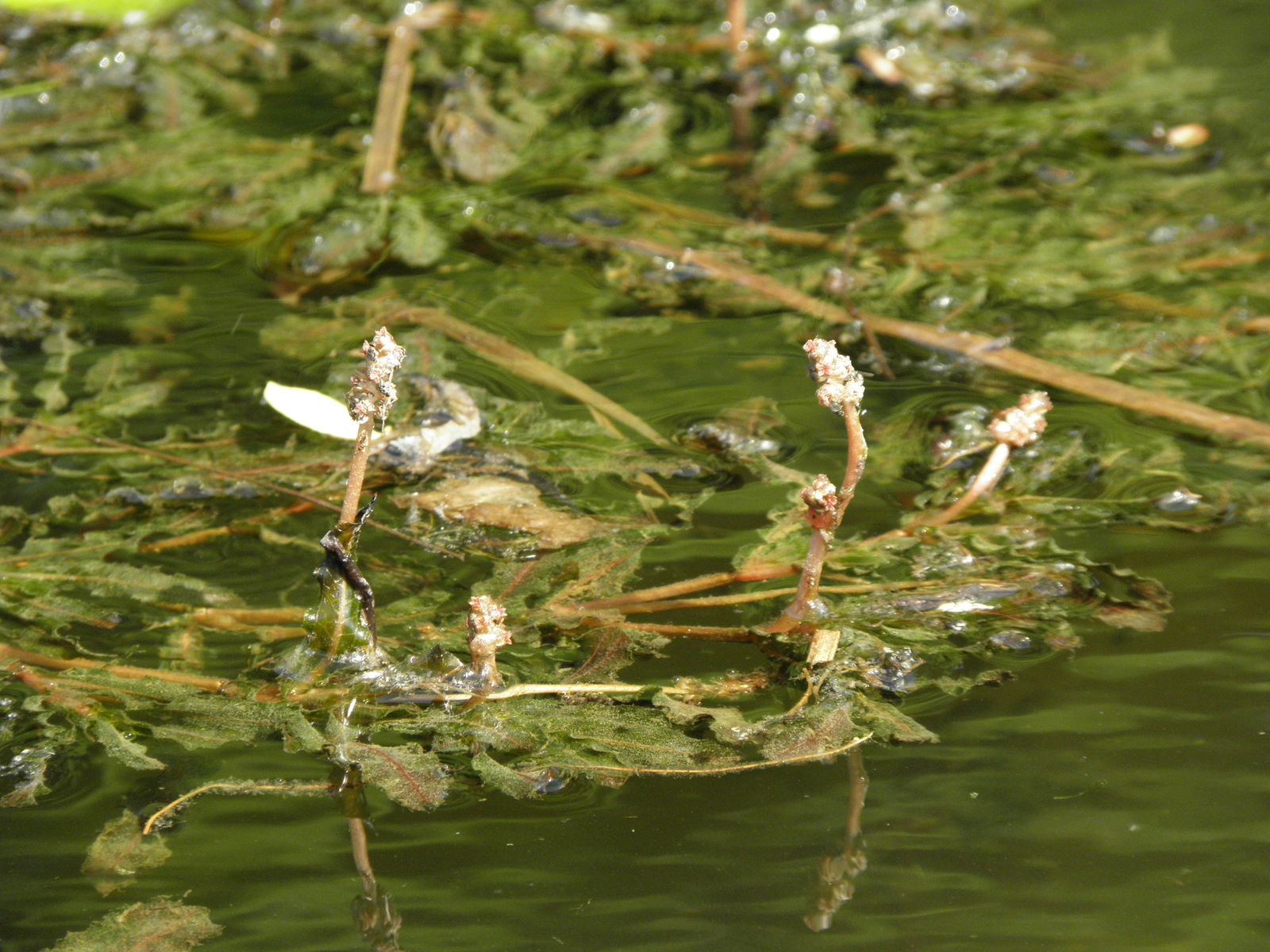
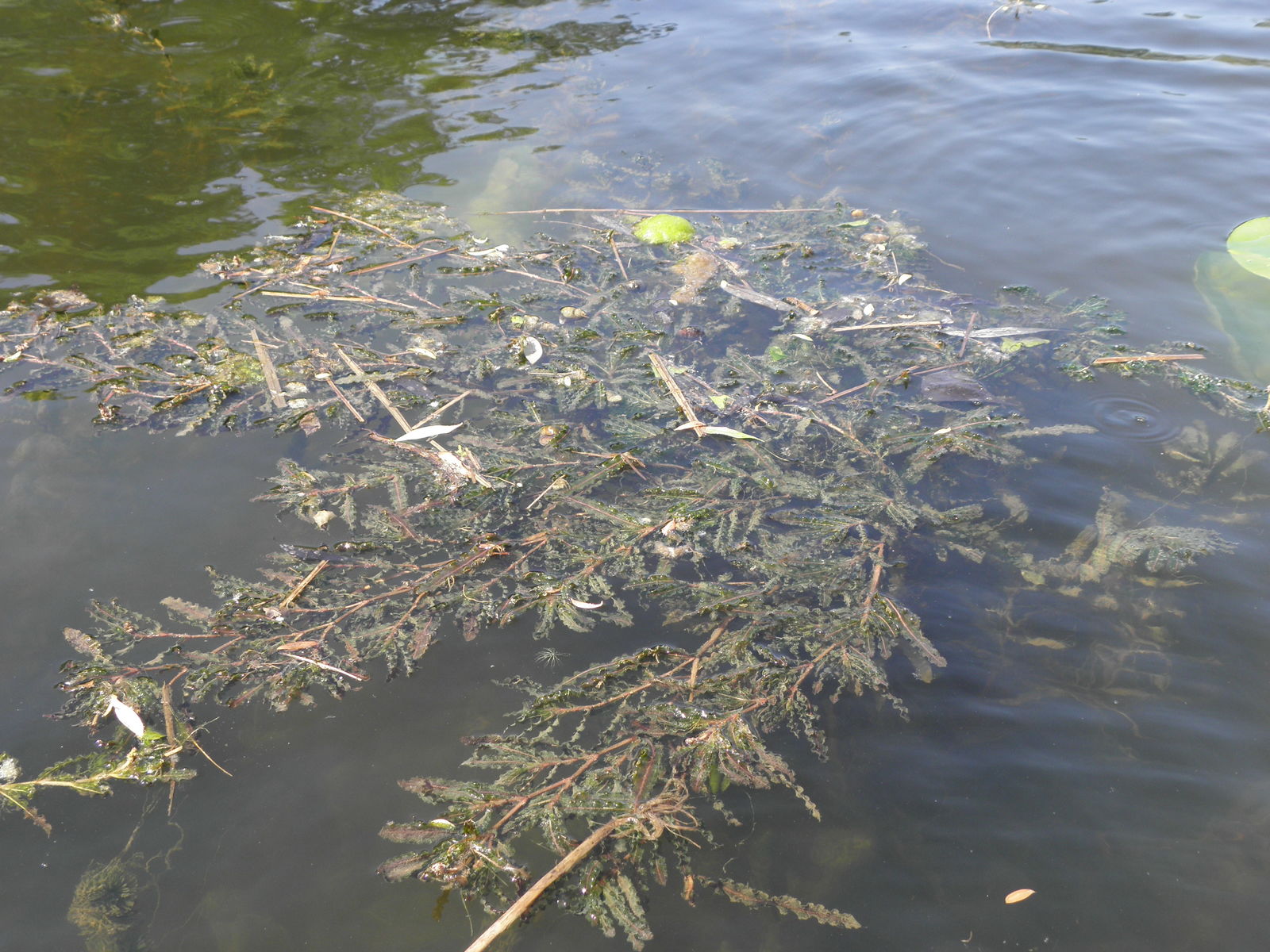
An aquatic perennial plant with wavy-edged leaves, typically found in freshwater ponds and streams.
Benefits & Perks
["wildlife attractant (bees, butterflies, birds)","shade tolerant"]
Botanical Classification
| Phylum: | Magnoliophyta |
| Class: | Liliopsida |
| Order: | Alismatales |
| Family: | Potamogetonaceae |
| Genus: | Potamogeton |
| Botanical Name: | Potamogeton crispus |
Plant Characteristics
Basic Information
- Category: Herbs & Weeds
- Suitable Location: Pond, lake, or aquarium with still or slow-moving water
- Suitable For:
- Is Weed: No
- Allergenicity: low
Environmental Needs
- Climate: {"temperatureRange":"5–30°C"}
- Hardiness: {"zones":"5–10"}
- Misting: Not required
- Drainage: Well-draining; must not compact.
- Soil Type: Aquatic substrate with sand and peat moss; avoid heavy garden soil.
Maintenance Level
- Maintenance Level: moderate
- Toughness Level: moderate
- Pruning Frequency: As needed, typically every 2–4 weeks during growing season.
- Pruning Intensity: Light to moderate; focus on removing damaged or old growth.
Care Details
Ideal Sunlight Coverage:
Full sun to partial shade; 4–6 hours of direct sunlight per day, with some protection from intense midday sun.
Sunlight Tolerance Tips:
Acclimate gradually if moving from shade to sun; avoid direct scorch by providing shade during peak hours; adjust placement based on water depth and light penetration.
Care Requirements
Care Difficulty
moderatemoderate
Sunlight
Full sun to partial shade
Rotate container for even growth; use floating plants to diffuse intense light; adjust depth for light needs.
Watering
Keep submerged in water, ensuring 15–30 cm of water depth above the rhizomes
Keep fully submerged; avoid stagnant water; ensure adequate flow.
Soil
Not applicable (aquatic plant)
pH: Slightly acidic to neutral (6.0–7.5).
Avoid compacting substrate; ensure even distribution; replenish annually.
Temperature
Cool to moderate temperatures, ideally 15–25°C; tolerates cooler water in winter.
Monitor water temperature; avoid placing in direct heat sources; adjust depth for thermal regulation.
Fertilizing
Not required in nutrient-rich water; use liquid fertilizer every 4–6 weeks in poor conditions
Distribute evenly in water column; avoid direct contact with leaves; flush system occasionally to prevent buildup.
Propagation
Methods
Stem cuttings or rhizome division.
Step-by-Step Propagation Guide
- Select healthy stems.
- Cut below nodes.
- Plant in substrate.
- Maintain water level.
Best Time: Spring or early summer when growth is active.
Environment
Warm, humid, with gentle water flow and indirect light.
Medium
Aquatic substrate or sand with peat moss.
Hormone
Not typically required, but rooting hormone can be used for faster establishment.
Timeline
2–4 weeks for roots to develop; 2–3 months to establish.
Tools Needed
Sharp scissors, rooting hormone (optional), substrate.
Quick Tips
Use healthy, non-flowering stems; ensure nodes are buried; maintain stable water conditions.
Pruning & Repotting
Pruning Guide
Method
Snip stems at the base or just above a node; avoid tearing.
Pruning Plan
Remove dead or decaying leaves to maintain water quality and aesthetics.
Tools
Sharp scissors or pruning shears.
Checklist
Check for yellowing or decaying leaves; use clean tools; dispose of clippings properly.
Repotting Guide
Best Season
Spring, before active growth begins.
Pot Size
Increase pot size by 2–3 cm in diameter.
Method
Gently lift the plant; trim roots if necessary; replace with fresh substrate; ensure firm placement.
Suggestions
Repot if the plant outgrows its container or if substrate becomes depleted; every 1–2 years.
Checklist
Prepare new substrate; clean container; handle roots carefully; maintain water level.
Advanced Care Tips
Watering Mastery
Watering Checklist
Check water level daily; ensure no debris blocks flow; monitor for clarity.
How to Apply Water Properly
Ensure complete submersion of the plant; water should cover the rhizomes and roots; maintain water clarity to allow light penetration.
Watering Schedule Tips
Water as needed to maintain submerged conditions; adjust for seasonal temperature changes to prevent stagnation or freezing.
Soil Improvement
Add coarse sand for aeration; incorporate peat moss for acidity; use aquatic plant tabs for nutrients.
Temperature Stress Management
Signs of Temperature Issues
Yellowing leaves, stunted growth, or browning leaf tips in extreme heat; limp or decaying tissue in cold stress.
Cold Stress
Slows metabolic processes; can lead to tissue damage or death in prolonged freezing conditions.
Solution: Ensure water does not freeze completely; move containers to a sheltered location if possible; avoid sudden temperature drops.
Hot Stress
Accelerates water loss; can cause leaf burn or wilting; reduces photosynthetic efficiency.
Solution: Maintain water flow to cool; provide shade during peak heat; ensure adequate oxygenation.
Fertilizing Guide
Fertilizing Checklist
Check fertilizer concentration; apply during active growth; avoid over-fertilization.
Fertilizing Method
Use liquid fertilizer diluted to half strength; apply every 4–6 weeks during growing season; avoid fertilizing in winter.
Common Problems & Solutions
Toxicity Warning
Cats
Non-toxicPotamogeton crispus is non-toxic to cats. There are no known toxic effects or physiological impacts on felines from ingestion.
🌿 Toxic Parts:
⚡ Toxic If:
if eaten
Dogs
Non-toxicPotamogeton crispus is non-toxic to dogs. Ingestion of this plant is not expected to cause any adverse health effects in canines.
🌿 Toxic Parts:
⚡ Toxic If:
if eaten
Humans
Non-toxicPotamogeton crispus, commonly known as curly pondweed, is generally considered non-toxic to humans. There are no significant toxic effects or physiological impacts reported from ingestion.
🌿 Toxic Parts:
⚡ Toxic If:
if eaten
Frequently Asked Questions
Q: Is Potamogeton crispus suitable for aquariums?
A: Yes, it is often used in aquariums and ponds for its aesthetic and oxygenating properties.
Q: How does Potamogeton crispus reproduce?
A: It reproduces through runners and seeds, often forming dense mats in water bodies.
Q: Does Potamogeton crispus require special care?
A: It prefers still or slow-moving freshwater with moderate sunlight and nutrient levels.
Quick Reference


| Family: | Potamogetonaceae |
| Care: | moderate |
| Light: | Full sun to partial shade |
| Water: | Keep submerged in water, ensur |
Get Expert Care Tips
Download the Plantious app for personalized care reminders and plant identification!
Google Play App Store