Garlic
allium sativum
Also known as: ["true garlic","garlic bulb"]
Overview
A bulbous plant widely cultivated for its pungent, edible bulbs used in culinary and medicinal applications.
Benefits & Perks
["edible fruits","medicinal use","culinary herb","disease resistant","wildlife attractant (bees, butterflies, birds)"]
Botanical Classification
| Phylum: | Magnoliophyta |
| Class: | Monocotyledonae |
| Order: | Asparagales |
| Family: | Amaryllidaceae |
| Genus: | Allium |
| Botanical Name: | Allium sativum |
Plant Characteristics
Basic Information
- Category: Herbs & Weeds
- Suitable Location: outdoor garden bed in full sun
- Suitable For:
- Is Weed: No
- Allergenicity: low
Environmental Needs
- Climate: {"temperatureRange":"5–30°C"}
- Hardiness: {"zones":"4–9"}
- Misting: rarely required
- Drainage: Fast-draining to prevent bulb rot.
- Soil Type: Loamy, well-drained soil with added organic matter.
Maintenance Level
- Maintenance Level: low
- Toughness Level: moderate
- Pruning Frequency: As needed; remove flower stalks when they emerge.
- Pruning Intensity: Light; only remove non-essential parts.
Care Details
Ideal Sunlight Coverage:
Full sun (6–8 hours/day); tolerate partial shade but may reduce bulb size.
Sunlight Tolerance Tips:
Acclimate gradually to intense sun; avoid scorching by providing afternoon shade in hot climates; outdoor placement is ideal.
Care Requirements
Care Difficulty
easyeasy
Sunlight
full sun
Rotate pots for even growth; use reflective mulch to boost light; avoid direct midday sun in summer.
Watering
every 7–10 days during active growth, reduce in winter
Water at the base, avoid wetting foliage, and ensure soil dries between waterings.
Soil
well-drained, loamy soil with moderate fertility
pH: 6.0–7.0 (slightly acidic to neutral).
Use raised beds in heavy soil; avoid waterlogged areas; mulch to retain moisture.
Temperature
Prefers 60–80°F (15–27°C); tolerates cooler nights but avoids frost.
Use frost cloth in cold; shade cloth in heat; adjust watering with temperature.
Fertilizing
every 4–6 weeks during growing season
Fertilize at planting and once in spring; stop when bulbs swell to avoid soft growth.
Propagation
Methods
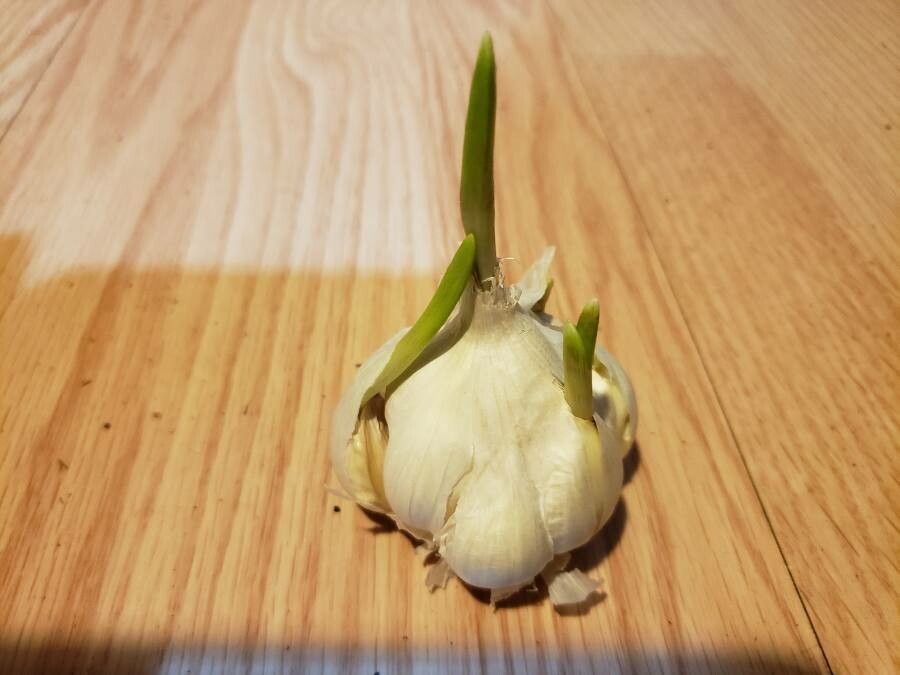
Division of cloves; each clove grows into a new bulb.
Step-by-Step Propagation Guide
- Separate cloves.
- Plant pointy side up 2 inches deep.
- Space 6 inches apart.
Best Time: Spring or fall, when soil temperatures are 50–65°F (10–18°C).
Environment
Warm soil, full sun, and consistent moisture for establishment.
Medium
Well-drained soil mix with compost; direct planting in garden beds is ideal.
Hormone
Not required for cloves.
Timeline
Cloves sprout in 1–2 weeks; bulbs mature in 6–8 months.
Tools Needed
Garden trowel, gloves, compost.
Quick Tips
Plant largest cloves for best yield; ensure good drainage to prevent rot.
Pruning & Repotting
Pruning Guide
Method
Snip flower stalks at the base with clean shears.
Pruning Plan
Minimal pruning; focus on removing flower stalks to direct energy to bulbs.
Tools
Hand pruners or sharp scissors.
Checklist
Check for flower stalks; use clean tools; dispose of removed parts.
Repotting Guide
Best Season
N/A; plant cloves directly in spring or fall.
Pot Size
N/A; space cloves 6 inches apart in rows.
Method
N/A; plant cloves 2 inches deep in well-drained soil.
Suggestions
Not typically repotted; grows best directly in garden beds.
Checklist
N/A; ensure proper spacing and soil drainage.
Advanced Care Tips
Watering Mastery
Watering Checklist
Check soil moisture; water deeply; ensure drainage; adjust for season.
How to Apply Water Properly
Water thoroughly until it drains from the bottom, ensuring even moisture reaches the root zone without waterlogging.
Watering Schedule Tips
Water deeply once the top inch of soil feels dry; reduce frequency in winter to prevent rot.
Soil Improvement
Add compost or aged manure; ensure sandy or gritty amendments for drainage.
Temperature Stress Management
Signs of Temperature Issues
Yellowing leaves (cold), stunted growth (heat), or premature bolting (extreme stress).
Cold Stress
Slows growth, weakens bulbs, and may cause root rot if soil remains cold and wet.
Solution: Plant in well-drained soil, use row covers in frost, and avoid overwatering in cool weather.
Hot Stress
Causes premature bulb formation, leaf scorch, and reduced storage quality.
Solution: Provide afternoon shade, mulch to retain moisture, and water deeply during heatwaves.
Fertilizing Guide
Fertilizing Checklist
Use balanced fertilizer; apply before active growth; avoid late-season feeding.
Fertilizing Method
Use balanced, slow-release fertilizer in early spring; avoid nitrogen-heavy fertilizers near bulb formation.
Common Problems & Solutions
Toxicity Warning
Cats
ToxicSimilar to dogs, garlic is toxic to cats due to thiosulfates, which can cause oxidative damage to red blood cells, leading to hemolytic anemia. Cats are particularly sensitive to garlic toxicity.
⚠️ Symptoms:
🌿 Toxic Parts:
⚡ Toxic If:
if eaten
Dogs
ToxicGarlic is toxic to dogs due to the presence of thiosulfates, which can lead to oxidative damage to red blood cells, resulting in hemolytic anemia. This condition can be severe and potentially life-threatening.
⚠️ Symptoms:
🌿 Toxic Parts:
⚡ Toxic If:
if eaten
Humans
Slightly ToxicAllium sativum, commonly known as garlic, contains compounds like allicin that can cause gastrointestinal distress and other mild symptoms when consumed in excessive amounts. The physiological impact is generally limited to irritation of the digestive tract.
⚠️ Symptoms:
🌿 Toxic Parts:
⚡ Toxic If:
if eaten in large quantities
Frequently Asked Questions
Q: Is garlic safe for pets?
A: No, garlic is toxic to dogs and cats.
Q: How do I grow garlic?
A: Plant cloves in well-drained soil in autumn or early spring, spacing them 6 inches apart.
Q: What are the health benefits of garlic?
A: Garlic is known for its antimicrobial, cardiovascular, and immune-boosting properties.
Quick Reference
| Family: | Amaryllidaceae |
| Care: | easy |
| Light: | full sun |
| Water: | every 7–10 days during activ |
Get Expert Care Tips
Download the Plantious app for personalized care reminders and plant identification!
Google Play App Store