Snowdrop
galanthus nivalis
Also known as: ["February Fairmaids","Drops of Spring","Snow Piercers"]
Overview
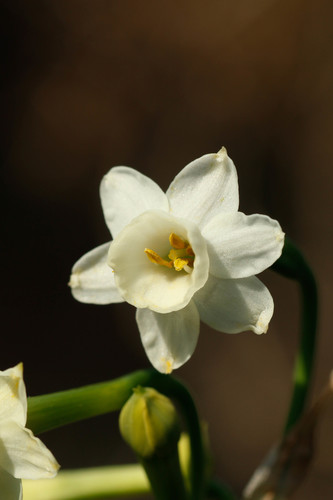
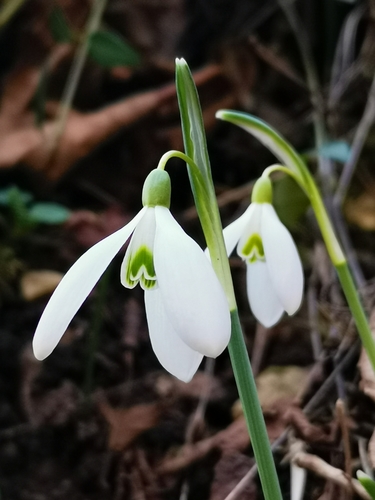
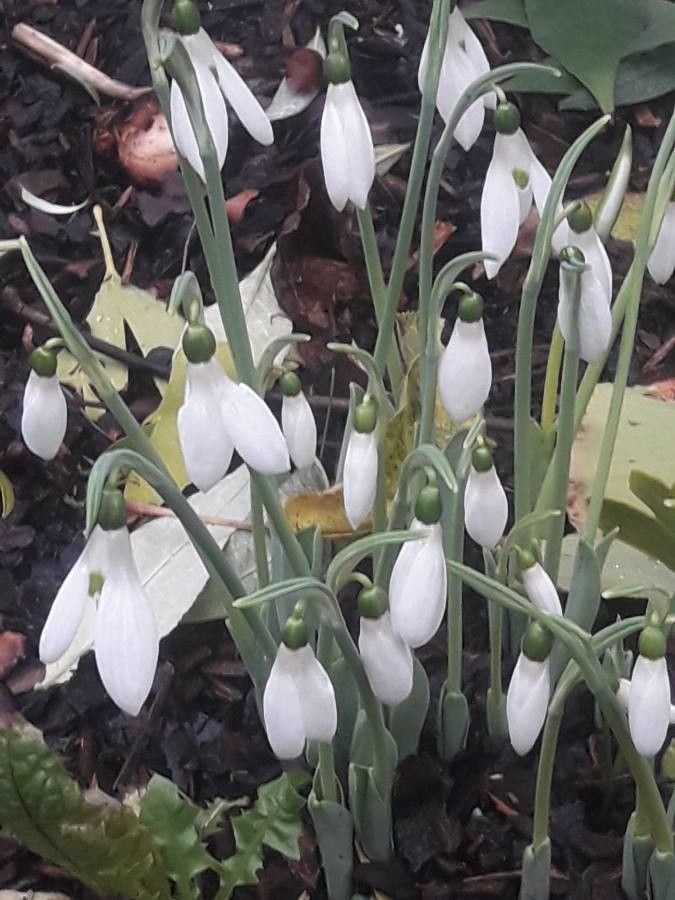
A small, bulbous perennial herbaceous plant known for its white, pendulous flowers that emerge in late winter or early spring, often pushing through snow.
Benefits & Perks
["early flowering","cold hardy","wildlife attractant (bees, butterflies, birds)"]
Botanical Classification
| Phylum: | Magnoliophyta |
| Class: | Liliopsida |
| Order: | Asparagales |
| Family: | Amaryllidaceae |
| Genus: | Galanthus |
| Botanical Name: | Galanthus nivalis |
Plant Characteristics
Basic Information
- Category: Flowers
- Suitable Location: naturalized in grassy areas or woodland gardens
- Suitable For:
- Is Weed: No
- Allergenicity: low
Environmental Needs
- Climate: {"temperatureRange":"–20–10°C"}
- Hardiness: {"zones":"3–7"}
- Misting: rarely required, only if ambient humidity is very low
- Drainage: Fast-draining to well-draining.
- Soil Type: Rich, well-draining, humus-rich soil; prefers loamy or sandy loam.
Maintenance Level
- Maintenance Level: very low
- Toughness Level: moderate
- Pruning Frequency: After flowering; as needed to tidy up the plant.
- Pruning Intensity: Light pruning; remove only dead or spent parts.
Care Details
Ideal Sunlight Coverage:
Partial shade to full shade; tolerates bright indirect light but prefers protection from harsh afternoon sun.
Sunlight Tolerance Tips:
Acclimate gradually to brighter light if moving from shade; protect from direct sun to prevent scorching; ideal for woodland or shaded garden beds.
Care Requirements
Care Difficulty
easymoderate
Sunlight
partial shade to full sun
Avoid direct sunlight; plant under deciduous trees for dappled light; ensure some light exposure for growth.
Watering
every 2–3 weeks during active growth, reduce in dormancy
Avoid overwatering to prevent bulb rot; water deeply but infrequently; ensure good drainage.
Soil
well-draining, humus-rich soil
pH: Slightly acidic to neutral (pH 6.0–7.0).
Ensure soil is not waterlogged; add organic matter for fertility; maintain consistent moisture in growing season.
Temperature
Cool to cold temperatures; ideal range 40–60°F (4–15°C); thrives in winter chill and dislikes heat.
Protect from extreme heat; ensure winter chill for bulb development; avoid sudden temperature fluctuations.
Fertilizing
every 4–6 weeks during active growth with balanced liquid fertilizer
Fertilize sparingly; use a bulb-specific formula; apply before growth begins in late autumn.
Propagation
Methods
Division of bulbs; seed propagation is possible but slower.
Step-by-Step Propagation Guide
- Dig up bulbs after foliage dies back.
- Separate offsets from parent bulb.
- Replant immediately at the correct depth.
Best Time: After flowering in late spring or early summer when bulbs are dormant.
Environment
Cool, shaded environment with consistent moisture; protect from extreme temperatures.
Medium
Well-draining soil mix with added grit or sand; can also be propagated in situ by division.
Hormone
Not typically required for bulb division; optional for seed propagation.
Timeline
Bulbs can be divided immediately; seeds may take 1–3 years to germinate and establish.
Tools Needed
Garden fork, sharp knife, gloves.
Quick Tips
Divide bulbs every 3–4 years to maintain vigor; ensure each division has at least one growing point.
Pruning & Repotting
Pruning Guide
Method
Cut flower stems back to the base after blooming; allow foliage to die back naturally.
Pruning Plan
Minimal pruning needed; focus on removing spent flower stems and dead foliage.
Tools
Hand pruners, scissors.
Checklist
Remove spent flowers; cut stems to base; avoid cutting green foliage.
Repotting Guide
Best Season
Late summer or early autumn when bulbs are dormant.
Pot Size
Use a pot that is 6–8 inches in diameter for multiple bulbs; ensure it is only slightly larger than the root ball.
Method
Use a well-draining potting mix; plant bulbs at a depth of 3–4 times their height; ensure good drainage holes.
Suggestions
Galanthus nivalis is typically grown in the ground; repotting is not usually necessary unless grown in containers.
Checklist
Choose a well-draining pot; use appropriate soil mix; plant at correct depth; water lightly after repotting.
Advanced Care Tips
Watering Mastery
Watering Checklist
Check soil moisture before watering; water deeply; ensure drainage; avoid wetting foliage.
How to Apply Water Properly
Water at the base of the plant, avoiding foliage; water deeply to reach the bulb zone; allow excess water to drain away; water in the morning to reduce evaporation.
Watering Schedule Tips
Water sparingly during dormancy (late spring to autumn); increase watering in late autumn and winter when growth resumes, ensuring soil dries slightly between waterings.
Soil Improvement
Add compost or well-rotted manure to improve fertility and structure; incorporate sand or grit for drainage.
Temperature Stress Management
Signs of Temperature Issues
Yellowing or browning leaves in excessive heat; delayed or stunted growth in insufficient cold.
Cold Stress
Bulbs may rot in waterlogged soil during freezing temperatures; foliage may become damaged by severe frost.
Solution: Ensure well-draining soil; mulch lightly to protect bulbs from extreme cold; avoid overwatering in winter.
Hot Stress
Bulbs may fail to develop properly; foliage may wilt or scorch in excessive heat.
Solution: Provide shade during hot periods; water sparingly to prevent bulb rot; ensure good air circulation.
Fertilizing Guide
Fertilizing Checklist
Use balanced fertilizer; apply in autumn; avoid over-fertilization.
Fertilizing Method
Low fertilizer needs; apply a balanced, slow-release fertilizer in autumn or early winter; avoid high-nitrogen fertilizers.
Common Problems & Solutions
Toxicity Warning
Cats
ToxicGalanthus nivalis is toxic to cats due to its alkaloid content. Cats are particularly sensitive to these compounds, which can cause severe gastrointestinal and neurological symptoms.
⚠️ Symptoms:
🌿 Toxic Parts:
⚡ Toxic If:
if eaten
Dogs
ToxicThe alkaloids in Galanthus nivalis are toxic to dogs, with the bulbs being the most dangerous part. Ingestion can lead to severe gastrointestinal and neurological disturbances in canines.
⚠️ Symptoms:
🌿 Toxic Parts:
⚡ Toxic If:
if eaten
Humans
ToxicGalanthus nivalis contains toxic alkaloids, primarily galantamine, which can cause significant physiological effects when ingested. The bulbs are particularly toxic and can lead to severe gastrointestinal distress and neurological symptoms.
⚠️ Symptoms:
🌿 Toxic Parts:
⚡ Toxic If:
if eaten
Frequently Asked Questions
Q: When do Snowdrops typically bloom?
A: Snowdrops typically bloom in late winter to early spring, often appearing before the snow has completely melted.
Q: Are Snowdrops toxic to pets?
A: Snowdrops are mildly toxic to dogs and cats if ingested, causing gastrointestinal upset.
Q: How should Snowdrops be planted?
A: Plant Snowdrop bulbs in autumn in well-drained soil, preferably in partial shade, and water moderately.
Quick Reference


| Family: | Amaryllidaceae |
| Care: | easy |
| Light: | partial shade to full sun |
| Water: | every 2–3 weeks during activ |
Get Expert Care Tips
Download the Plantious app for personalized care reminders and plant identification!
Google Play App Store