Water Celery
groenlandia densa
Also known as: ["Ranunculus densus","Potamogeton densus"]
Overview
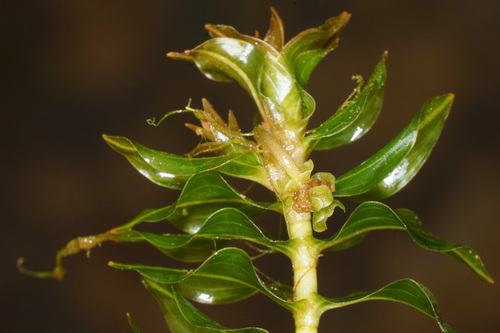
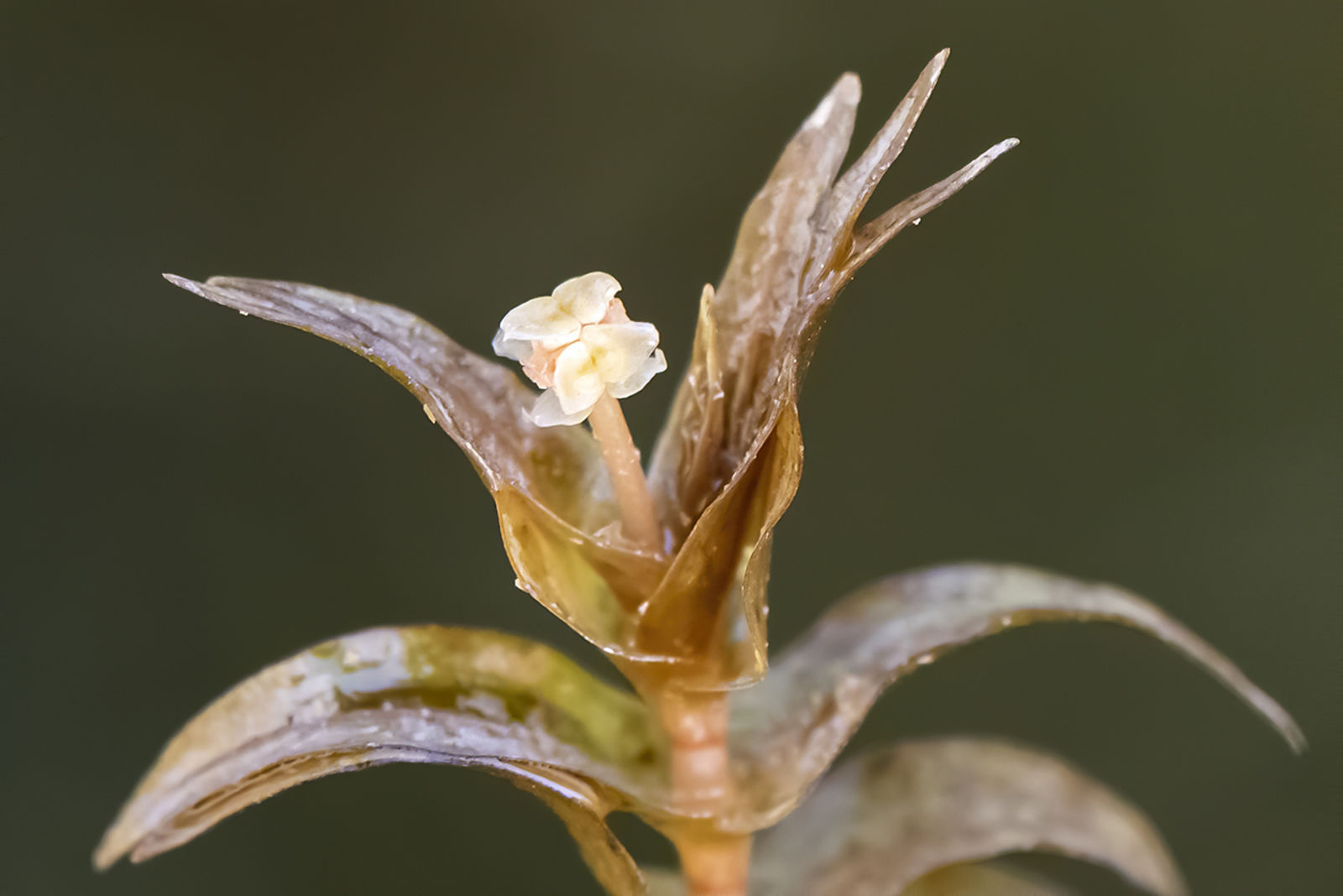
A submerged aquatic plant with delicate, feathery leaves, native to Europe and parts of Asia.
Benefits & Perks
["low maintenance","shade tolerant","wildlife attractant (bees, butterflies, birds)"]
Botanical Classification
| Phylum: | Magnoliophyta |
| Class: | Magnoliopsida |
| Order: | Apiales |
| Family: | Apiaceae |
| Genus: | Groenlandia |
| Botanical Name: | Groenlandia densa |
Plant Characteristics
Basic Information
- Category: Leaf Plants
- Suitable Location: aquarium, pond, or water garden
- Suitable For:
- Is Weed: No
- Allergenicity: low
Environmental Needs
- Climate: {"temperatureRange":"10–30°C"}
- Hardiness: {"zones":"6–11"}
- Misting: not required
- Drainage: Not applicable, as it is submerged
- Soil Type: Not applicable, as it is a fully aquatic plant
Maintenance Level
- Maintenance Level: moderate
- Toughness Level: moderate
- Pruning Frequency: As needed, typically every 1–2 months
- Pruning Intensity: Light to moderate
Care Details
Ideal Sunlight Coverage:
Bright light, 6–8 hours of direct or indirect sunlight per day. Adjust for seasonal light intensity changes.
Sunlight Tolerance Tips:
Acclimate slowly to intense light to prevent bleaching; avoid prolonged direct midday sun in summer; ensure consistent light exposure for healthy growth.
Care Requirements
Care Difficulty
moderateeasy
Sunlight
full sun to partial shade
Provide bright light; rotate plant for even growth; avoid deep shade
Watering
constantly submerged in water
Ensure constant submersion; avoid letting roots dry out; maintain clean, oxygenated water.
Soil
not required, grows entirely submerged
pH: Not applicable, as it is submerged
Not applicable, as it is submerged
Temperature
Grows best in warm water, 20–28°C (68–82°F). Tolerates slight fluctuations but prefers stable temperatures.
Maintain stable warm water; avoid extreme cold; monitor water temperature regularly
Fertilizing
every 4–6 weeks during active growth
Use liquid fertilizer; dilute properly; fertilize during active growth
Propagation
Methods
Stem cuttings
Step-by-Step Propagation Guide
- Cut healthy stems.
- Remove lower leaves.
- Place cuttings in water or substrate.
- Ensure water circulation.
Best Time: Spring or early summer when the plant is actively growing
Environment
Warm, bright, humid environment with clean, oxygenated water
Medium
Aquatic plant substrate or simply place cuttings in clean water
Hormone
Not necessary, but can be used to speed up rooting
Timeline
Roots develop in 1–2 weeks; new growth appears in 3–4 weeks
Tools Needed
Sharp scissors, clean container, water
Quick Tips
Use healthy stems; ensure water circulation; provide bright light
Pruning & Repotting
Pruning Guide
Method
Snip off dead or yellowing leaves; trim stems just above a node
Pruning Plan
Remove dead or decaying leaves to maintain water quality and plant health. Trim overgrown stems to encourage bushier growth.
Tools
Sharp scissors or pruning shears
Checklist
Remove dead leaves; trim overgrown stems; maintain water clarity
Repotting Guide
Best Season
Spring or early summer
Pot Size
Use a container that allows for ample root spread, typically 5–10 cm wider than the current root system
Method
Gently divide the plant; place in a clean container with fresh water and aquatic substrate
Suggestions
Not typically required as it grows freely in water. If using a container, repot if overcrowded or water quality declines.
Checklist
Prepare new container; gently divide plant; ensure clean water; maintain water circulation
Advanced Care Tips
Watering Mastery
Watering Checklist
Full submersion; clean water; adequate circulation; regular water changes
How to Apply Water Properly
Place the plant in a container or pond where it is fully submerged. Ensure water circulation to prevent stagnation and provide nutrients. Water changes should be done regularly to mimic natural aquatic conditions.
Watering Schedule Tips
Keep the plant fully submerged in water at all times, as it is a fully aquatic plant. Maintain water levels to cover the entire root system and lower stems.
Soil Improvement
Not applicable, as it is submerged
Temperature Stress Management
Signs of Temperature Issues
Yellowing leaves, stunted growth, or browning tips indicate temperature stress.
Cold Stress
Below 15°C (59°F), growth slows significantly, and the plant may become dormant or die.
Solution: Move to a warmer location or use a water heater to maintain optimal temperatures.
Hot Stress
Above 30°C (86°F), leaves may scorch or wilt if water quality is poor.
Solution: Ensure water circulation and shade during peak heat; maintain cooler water with partial shading.
Fertilizing Guide
Fertilizing Checklist
Use liquid fertilizer; dilute correctly; apply during growing season; avoid over-fertilization
Fertilizing Method
Use liquid aquatic plant fertilizer every 2–4 weeks during growing season. Dilute to half the recommended strength to avoid nutrient buildup.
Common Problems & Solutions
Toxicity Warning
Cats
Non-toxicGroenlandia densa is not known to be toxic to cats. The plant does not contain any known compounds that would cause adverse effects upon ingestion.
🌿 Toxic Parts:
⚡ Toxic If:
if eaten
Dogs
Non-toxicGroenlandia densa is not known to be toxic to dogs. The plant does not contain any known compounds that would cause adverse effects upon ingestion.
🌿 Toxic Parts:
⚡ Toxic If:
if eaten
Humans
Non-toxicGroenlandia densa is generally considered non-toxic to humans. There are no documented cases of toxicity associated with ingestion of this aquatic plant.
🌿 Toxic Parts:
⚡ Toxic If:
if eaten
Frequently Asked Questions
Q: Is Groenlandia densa suitable for aquariums?
A: Yes, it is commonly used in aquariums and ponds due to its submerged growth habit.
Q: Does Groenlandia densa require special lighting?
A: It thrives in moderate to bright light but can tolerate lower light conditions.
Q: Can Groenlandia densa be grown in still water?
A: Yes, it prefers still or slow-moving water conditions.
Quick Reference



| Family: | Apiaceae |
| Care: | moderate |
| Light: | full sun to partial shade |
| Water: | constantly submerged in water |
Get Expert Care Tips
Download the Plantious app for personalized care reminders and plant identification!
Google Play App Store