Anise
pimpinella anisum
Also known as: ["Aniseed","Anise Seed"]
Overview
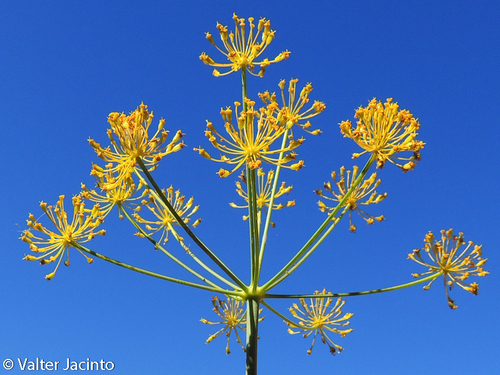
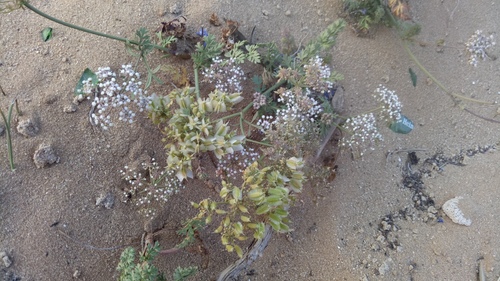
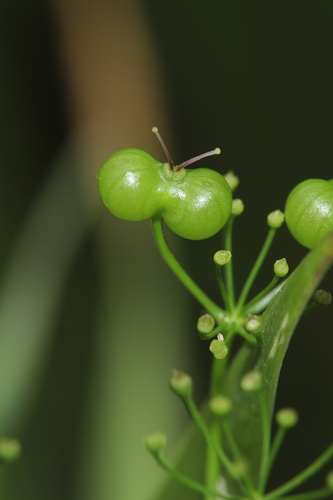
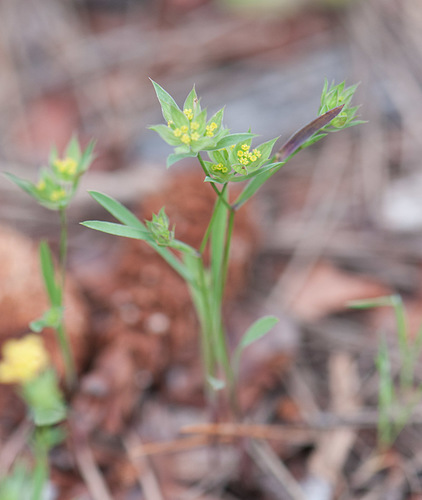
An annual herb native to the eastern Mediterranean region and Southwest Asia, known for its licorice-flavored seeds and leaves.
Benefits & Perks
["culinary herb","fragrant flowers","medicinal use","aesthetic foliage"]
Botanical Classification
| Phylum: | Magnoliophyta |
| Class: | Magnoliopsida |
| Order: | Apiales |
| Family: | Apiaceae |
| Genus: | Pimpinella |
| Botanical Name: | Pimpinella anisum |
Plant Characteristics
Basic Information
- Category: Herbs & Weeds
- Suitable Location: outdoor garden bed in full sun
- Suitable For:
- Is Weed: No
- Allergenicity: low
Environmental Needs
- Climate: {"temperatureRange":"10–30°C"}
- Hardiness: {"zones":"3–9"}
- Misting: rarely required, only if ambient humidity is very low
- Drainage: Fast-draining to prevent waterlogging.
- Soil Type: Well-draining, sandy loam with some organic matter; prefers loose, aerated soil.
Maintenance Level
- Maintenance Level: low
- Toughness Level: moderate
- Pruning Frequency: As needed for harvesting; no formal pruning schedule.
- Pruning Intensity: Light; primarily harvesting rather than shaping.
Care Details
Ideal Sunlight Coverage:
Full sun (6–8 hours of direct sunlight daily); adjust for partial shade in intense summer heat.
Sunlight Tolerance Tips:
Gradually acclimate seedlings to direct sun; protect from harsh midday sun; ensure adequate airflow to prevent heat stress.
Care Requirements
Care Difficulty
easyeasy
Sunlight
full sun
Rotate plants for even growth; provide shade during peak summer; use reflective surfaces to maximize light.
Watering
every 7–10 days during active growth, reduce in winter
Water thoroughly but infrequently; ensure soil dries between waterings; avoid overwatering.
Soil
well-drained, sandy loam with moderate organic matter
pH: Slightly acidic to neutral (pH 6.0–7.0).
Avoid heavy clay soils; use raised beds for better drainage; mulch to retain moisture.
Temperature
Prefers warm temperatures (65–75°F or 18–24°C); tolerates mild frosts but thrives in stable warmth.
Avoid sudden temperature swings; protect from drafts; maintain consistent warmth for best growth.
Fertilizing
every 4–6 weeks during growing season with balanced liquid fertilizer
Apply fertilizer after watering to prevent root burn; stop feeding before flowering for better seed quality; use organic options like compost tea.
Propagation
Methods
Seed propagation is most common; direct sow or start indoors 4–6 weeks before last frost.
Step-by-Step Propagation Guide
- Sow seeds 1/4 inch deep.
- Thin seedlings to 6–8 inches apart.
- Water gently.
- Provide full sun.
Best Time: Spring, after the last frost when soil temperatures are warm.
Environment
Warm, sunny conditions with good air circulation; keep soil consistently moist but not waterlogged.
Medium
Well-draining soil mix or seed-starting medium; can be sown directly in garden beds.
Hormone
Not required for seeds; rooting hormone unnecessary for direct sowing.
Timeline
Germination in 7–14 days; plants reach maturity in 60–90 days.
Tools Needed
Seed trays or garden bed, watering can, labels, thinning shears.
Quick Tips
Sow seeds in groups of 3–4 for better germination rates; keep soil consistently moist; thin seedlings early to prevent overcrowding.
Pruning & Repotting
Pruning Guide
Method
Hand-pick leaves and flowers; snip stems if needed for shaping or harvesting.
Pruning Plan
Minimal pruning needed; focus on harvesting leaves and flowers as needed.
Tools
Hand pruners or scissors for larger harvests.
Checklist
Harvest mature leaves and flowers; avoid overharvesting young plants; clean tools after use.
Repotting Guide
Best Season
Early spring, before active growth begins.
Pot Size
One size up from current pot; ensure good drainage holes.
Method
Gently remove plant, trim roots if necessary, place in a slightly larger pot with fresh soil, water lightly.
Suggestions
Not typically required for annual plants; container-grown plants may need repotting if root-bound.
Checklist
Check root health; use fresh soil; ensure proper drainage; water sparingly after repotting.
Advanced Care Tips
Watering Mastery
Watering Checklist
Check soil moisture; water at soil level; ensure drainage; avoid wetting foliage.
How to Apply Water Properly
Water directly at the soil level, ensuring even moisture distribution; allow excess water to drain freely; water in the morning to reduce evaporation.
Watering Schedule Tips
Water lightly once the top inch of soil feels dry; reduce frequency in winter to prevent root rot.
Soil Improvement
Add sand or perlite for drainage; incorporate compost for fertility; ensure soil is loose and not compacted.
Temperature Stress Management
Signs of Temperature Issues
Wilting, yellowing leaves, stunted growth, or premature flowering due to stress.
Cold Stress
Slows growth, may cause leaf drop, and reduces seed production; susceptible to frost damage.
Solution: Provide frost protection in cold climates; move containers indoors during freezes; use row covers for garden plants.
Hot Stress
Leaves may scorch, growth may slow, and essential oil production can decrease.
Solution: Provide afternoon shade; increase watering during heatwaves; use mulch to retain soil moisture.
Fertilizing Guide
Fertilizing Checklist
Check fertilizer type; dilute correctly; apply during active growth; avoid winter feeding.
Fertilizing Method
Use a balanced liquid fertilizer diluted to half strength every 4–6 weeks during the growing season; avoid fertilizing in winter.
Common Problems & Solutions
Toxicity Warning
Cats
Non-toxicAnise is not considered toxic to cats when ingested in small amounts. However, cats have more sensitive digestive systems, and excessive consumption may lead to mild gastrointestinal issues.
⚡ Toxic If:
Generally non-toxic
Dogs
Non-toxicAnise is not considered toxic to dogs when ingested in small quantities. It is sometimes used as a natural treat or training aid for dogs due to its appealing scent and flavor.
⚡ Toxic If:
Generally non-toxic
Humans
Non-toxicPimpinella anisum, commonly known as anise, is generally considered non-toxic to humans when consumed in culinary amounts. It has been used for centuries in traditional medicine and cooking for its aromatic and digestive properties.
⚡ Toxic If:
Generally non-toxic
Frequently Asked Questions
Q: Is anise safe for pets?
A: Yes, anise is non-toxic to dogs and cats.
Q: How do I grow anise?
A: Sow seeds directly in well-drained soil in full sun after the last frost.
Q: What are the uses of anise?
A: Anise is used in cooking, baking, and traditional medicine for its licorice-like flavor and digestive benefits.
Quick Reference


| Family: | Apiaceae |
| Care: | easy |
| Light: | full sun |
| Water: | every 7–10 days during activ |
Get Expert Care Tips
Download the Plantious app for personalized care reminders and plant identification!
Google Play App Store