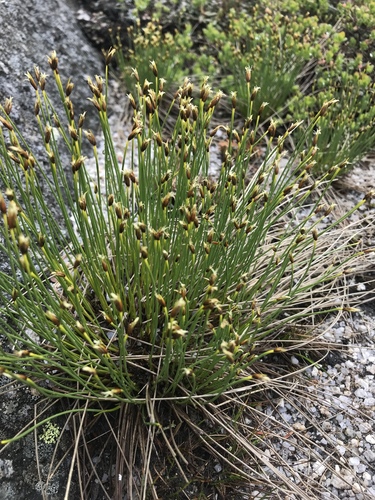
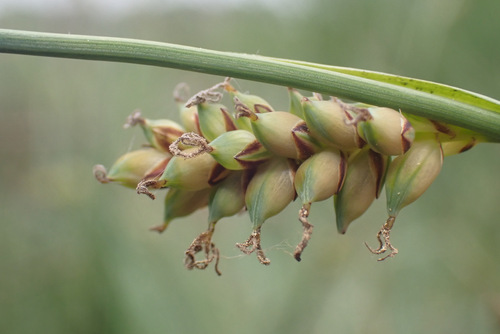
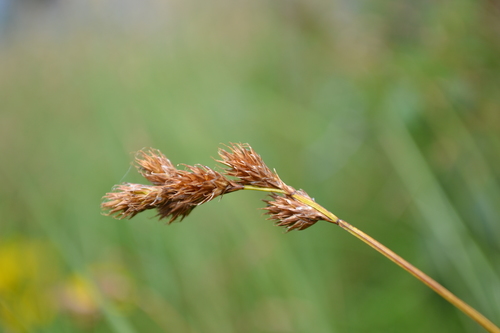
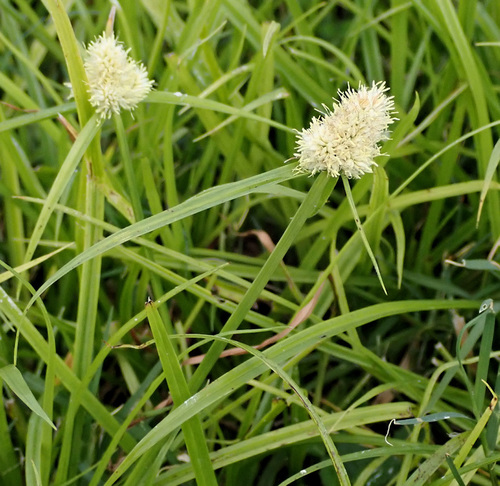
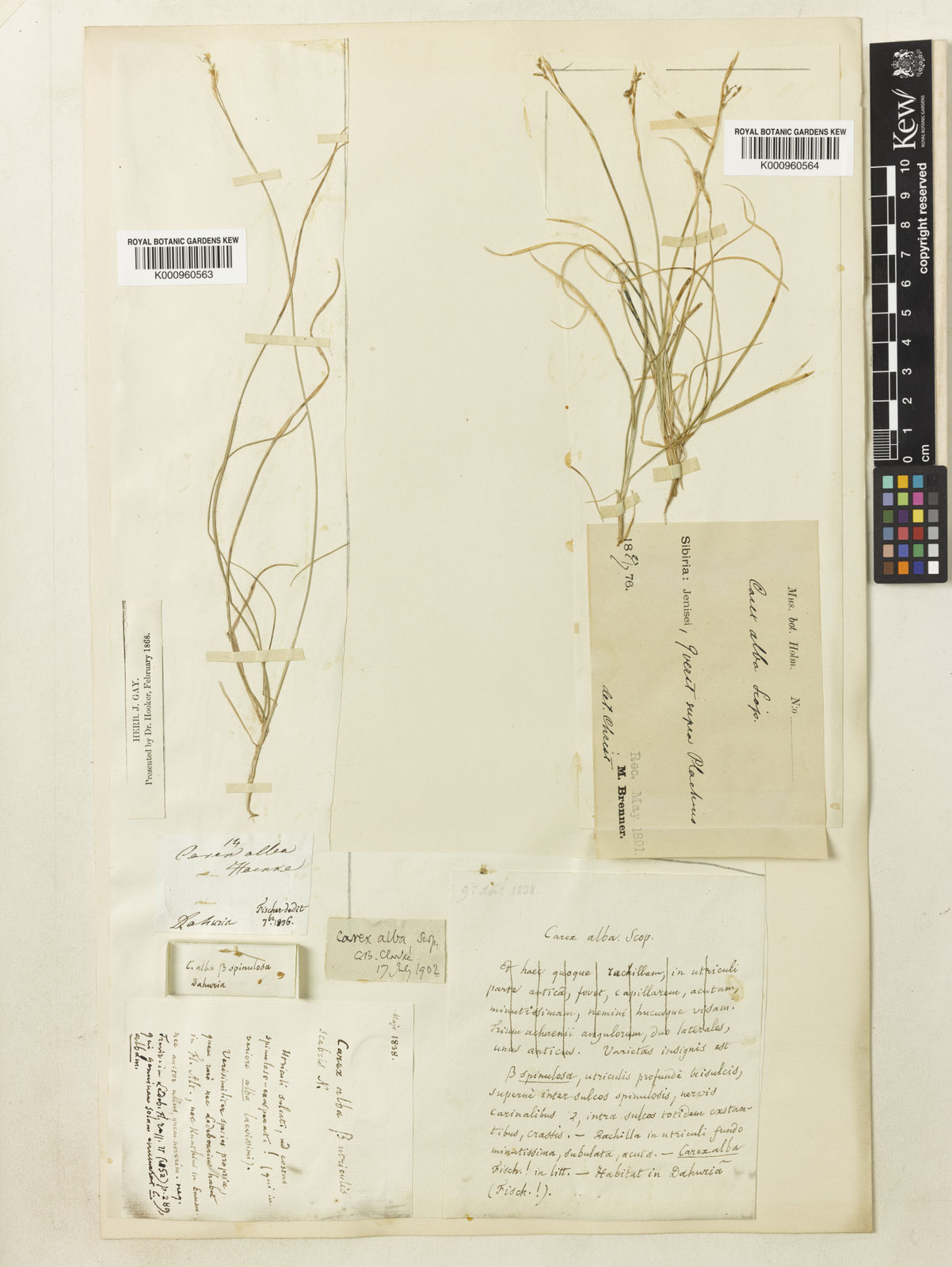
White Sedge
carex alba
Also known as: ["White Sedge"]
Overview
A perennial grass-like plant with slender, white-tinged leaves and inconspicuous flowers, native to damp habitats.
Benefits & Perks
["shade tolerant","wildlife attractant (bees, butterflies, birds)"]
Botanical Classification
| Phylum: | Magnoliophyta |
| Class: | Liliopsida |
| Order: | Poales |
| Family: | Cyperaceae |
| Genus: | Carex |
| Botanical Name: | Carex alba |
Plant Characteristics
Basic Information
- Category: Leaf Plants
- Suitable Location: shaded garden bed or container
- Suitable For:
- Is Weed: No
- Allergenicity: low
Environmental Needs
- Climate: {"temperatureRange":"0–30°C"}
- Hardiness: {"zones":"4–8"}
- Misting: rarely required
- Drainage: Moderate drainage; prefers consistently moist soil.
- Soil Type: Moist, well-draining soil with organic matter; tolerates poor soil if moist.
Maintenance Level
- Maintenance Level: low
- Toughness Level: moderate
- Pruning Frequency: As needed, typically in late winter or early spring.
- Pruning Intensity: Light pruning; remove only dead or unsightly leaves.
Care Details
Ideal Sunlight Coverage:
Partial shade to full shade; tolerates low light but thrives with 3–4 hours of morning sun or dappled light.
Sunlight Tolerance Tips:
Acclimate gradually to brighter light; avoid direct afternoon sun; ideal for shaded garden beds or indoor areas with indirect light.
Care Requirements
Care Difficulty
easyeasy
Sunlight
partial shade to full shade
Avoid harsh direct sun; prefers dappled or morning light; adjust placement seasonally.
Watering
every 7–10 days
Water thoroughly but infrequently; ensure good drainage; avoid waterlogging.
Soil
moist, well-drained, humus-rich soil
pH: Acidic to neutral (pH 5.5–7.0).
Keep soil consistently moist; amend with organic matter; ensure good drainage.
Temperature
Cool to moderate temperatures (50–70°F or 10–21°C); prefers cooler climates and can tolerate frost.
Protect from extreme heat; mulch in winter; adjust watering with temperature.
Fertilizing
every 6–8 weeks during growing season
Fertilize sparingly; apply in spring only; water after fertilizing to distribute nutrients.
Propagation
Methods
Division is the most effective method; separate clumps in early spring or fall.
Step-by-Step Propagation Guide
- Dig up clump.
- Divide into smaller sections with roots.
- Replant immediately.
Best Time: Early spring or fall when the plant is not in active growth.
Environment
Normal garden conditions; no special humidity or warmth needed.
Medium
Well-draining garden soil or potting mix with added compost.
Hormone
Not required for division.
Timeline
Immediate establishment after division; no rooting time needed.
Tools Needed
Garden fork, sharp knife or spade, gloves.
Quick Tips
Divide every 2–3 years to maintain vigor; replant divisions at the same depth.
Pruning & Repotting
Pruning Guide
Method
Hand-pull dead leaves or use scissors to trim selectively.
Pruning Plan
Minimal pruning needed; remove dead or damaged foliage to maintain appearance.
Tools
Hand pruners or scissors, gloves.
Checklist
Remove dead leaves; trim selectively; clean tools after use.
Repotting Guide
Best Season
Early spring or fall for container-grown plants.
Pot Size
One size up for container plants; no change needed for ground-grown.
Method
Use fresh, well-draining soil; ensure good drainage; gently tease out roots if compacted.
Suggestions
Not typically needed unless grown in containers; divide instead of repotting for ground-grown plants.
Checklist
Check root health; use fresh soil; ensure drainage; minimal disturbance for ground plants.
Advanced Care Tips
Watering Mastery
Watering Checklist
Check soil moisture; water deeply; ensure drainage; adjust for season.
How to Apply Water Properly
Water at the base of the plant, ensuring moisture reaches the root zone without wetting foliage; allow excess water to drain away.
Watering Schedule Tips
Water deeply once the top inch of soil feels dry; reduce frequency in winter to prevent root rot.
Soil Improvement
Add compost or peat moss to improve moisture retention; ensure good drainage with sand or perlite if needed.
Temperature Stress Management
Signs of Temperature Issues
Wilting, yellowing leaves, or stunted growth in excessive heat; browning leaf tips in cold stress.
Cold Stress
Slows growth and may cause leaf discoloration; generally hardy but prolonged freezing can damage foliage.
Solution: Provide mulch for insulation; protect from harsh winds; ensure proper drainage to prevent root freeze.
Hot Stress
Leaves may scorch, wilt, or turn brown; growth may stall in excessive heat.
Solution: Increase watering frequency; provide shade during peak sun; improve air circulation.
Fertilizing Guide
Fertilizing Checklist
Use balanced fertilizer; apply in spring; water after application; avoid late-season feeding.
Fertilizing Method
Use a balanced, slow-release fertilizer in early spring; avoid over-fertilizing as Carex alba is not heavy feeder.
Common Problems & Solutions
Toxicity Warning
Cats
Non-toxicCarex alba is not toxic to cats. There are no known toxic effects on felines after ingestion of this plant.
⚡ Toxic If:
if eaten
Dogs
Non-toxicCarex alba is not toxic to dogs. There are no documented cases of adverse effects in canines after ingestion of this plant.
⚡ Toxic If:
if eaten
Humans
Non-toxicCarex alba, commonly known as white sedge, is not considered toxic to humans. It has no known adverse physiological effects when ingested in typical amounts.
⚡ Toxic If:
if eaten
Frequently Asked Questions
Q: Is Carex alba toxic to pets?
A: No, Carex alba is non-toxic to dogs and cats.
Q: Where is Carex alba typically found?
A: It is commonly found in damp habitats, such as wetlands and meadows.
Q: How easy is it to care for Carex alba?
A: Carex alba is easy to care for, requiring low maintenance and moderate toughness.
Quick Reference


| Family: | Cyperaceae |
| Care: | easy |
| Light: | partial shade to full shade |
| Water: | every 7–10 days |
Get Expert Care Tips
Download the Plantious app for personalized care reminders and plant identification!
Google Play App Store