Hare's-tail Cottongrass
trichophorum cespitosum
Also known as: ["Eriophorum cespitosum","Cottongrass"]
Overview
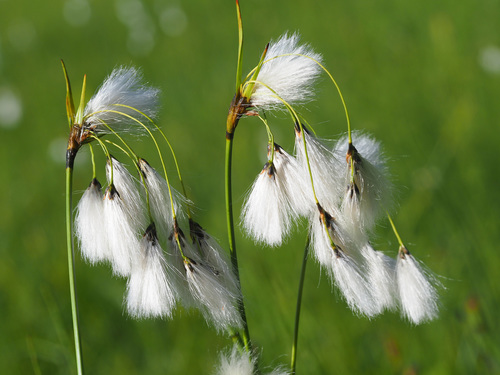
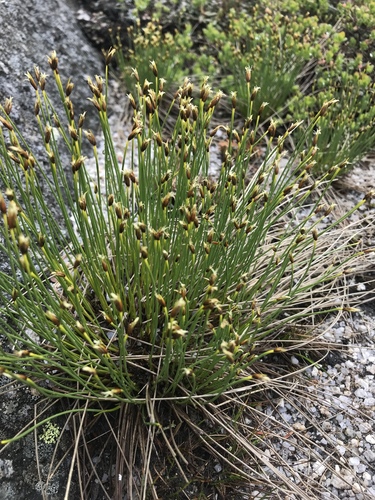
A compact, tufted perennial grass-like plant with fluffy white inflorescences resembling cotton or hare's tails.
Benefits & Perks
["cold hardy","low maintenance","wildlife attractant (bees, butterflies, birds)","drought tolerant"]
Botanical Classification
| Phylum: | Magnoliophyta |
| Class: | Liliopsida |
| Order: | Poales |
| Family: | Cyperaceae |
| Genus: | Trichophorum |
| Botanical Name: | Trichophorum cespitosum |
Plant Characteristics
Basic Information
- Category: Leaf Plants
- Suitable Location: moist meadows, bogs, or near water bodies
- Suitable For:
- Is Weed: No
- Allergenicity: low
Environmental Needs
- Climate: {"temperatureRange":"−30–30°C"}
- Hardiness: {"zones":"3–7"}
- Misting: rarely required
- Drainage: Moist but well-draining. Avoid waterlogged conditions.
- Soil Type: Moist, acidic, peaty soil. Tolerates poor, rocky soils but thrives in rich, organic matter.
Maintenance Level
- Maintenance Level: very low
- Toughness Level: high
- Pruning Frequency: As needed, typically in late winter or early spring before new growth begins.
- Pruning Intensity: Light pruning only, focusing on removing dead or diseased stems.
Care Details
Ideal Sunlight Coverage:
Full sun to partial shade (4–6 hours of direct sunlight daily). Tolerates shade but may become sparse in deep shade.
Sunlight Tolerance Tips:
Acclimate plants gradually to intense sunlight to prevent scorching. In hot climates, provide afternoon shade. Indoors, place near a south-facing window with filtered light.
Care Requirements
Care Difficulty
easyeasy
Sunlight
full sun to partial shade
Rotate plants for even light exposure; use sheer curtains to diffuse intense light; monitor for signs of sunburn.
Watering
every 7–10 days during active growth, reduce in winter
Water thoroughly but infrequently; ensure soil dries slightly between waterings; prioritize root zone hydration.
Soil
moist, acidic, peaty soil
pH: Acidic to slightly acidic (pH 4.5–6.0).
Mulch with pine needles or bark to maintain acidity; avoid heavy clay soils; ensure consistent moisture.
Temperature
Hardy in USDA zones 2–7. Prefers cool temperatures (50–70°F or 10–21°C). Tolerates frost but may struggle in prolonged heat.
Protect from late spring frosts; avoid placing in drafty areas; monitor temperature fluctuations during seasonal transitions.
Fertilizing
every 3–4 months during spring and summer
Avoid over-fertilizing, which can damage roots; use organic options like compost tea for gentle feeding; fertilize before new growth emerges.
Propagation
Methods
Division is the most reliable method. Separate clumps in early spring or fall, ensuring each division has roots and shoots.
Step-by-Step Propagation Guide
- Dig up the clump.
- Separate into smaller sections with roots.
- Replant at the same depth.
- Water thoroughly.
Best Time: Early spring or fall when the plant is dormant or just beginning active growth.
Environment
Cool, shaded environment with moderate humidity. Protect from extreme temperatures during establishment.
Medium
Well-draining garden soil or a mix of peat and sand. No special medium required for division.
Hormone
Not necessary for division.
Timeline
Establishment occurs within 1–2 growing seasons after division.
Tools Needed
Garden fork, sharp knife or shears, gloves.
Quick Tips
Divide every 3–4 years to maintain vigor; water divisions well after replanting; choose healthy, vigorous sections for best results.
Pruning & Repotting
Pruning Guide
Method
Hand-pull or cut dead foliage at the base. Avoid cutting into healthy stems.
Pruning Plan
Minimal pruning required. Remove dead or damaged foliage as needed to maintain appearance and health.
Tools
Hand pruners or scissors, gloves.
Checklist
Wear gloves; sanitize tools; remove only dead or damaged growth; avoid over-pruning.
Repotting Guide
Best Season
Early spring or fall when the plant is dormant or just beginning active growth.
Pot Size
Not applicable, as repotting is not standard practice. Focus on division instead.
Method
Divide the clump and replant divisions in well-draining soil. Ensure proper spacing to allow for growth.
Suggestions
Not typically required as it is a hardy, clump-forming plant. Division is preferred over repotting.
Checklist
Prepare new planting site; water divisions before replanting; space divisions 12–18 inches apart; mulch lightly.
Advanced Care Tips
Watering Mastery
Watering Checklist
Check soil moisture before watering; water deeply; allow drainage; avoid overhead watering.
How to Apply Water Properly
Water at the base of the plant, ensuring moisture reaches the root zone. Apply until water drains from the bottom, avoiding wetting foliage. Water early in the morning to minimize evaporation.
Watering Schedule Tips
Water deeply once a week during active growth, reducing frequency in winter dormancy. Adjust based on rainfall and soil moisture retention.
Soil Improvement
Add peat moss or compost to enhance moisture retention and acidity. Incorporate sand or perlite for drainage if needed.
Temperature Stress Management
Signs of Temperature Issues
Chlorosis or browning of foliage in excessive heat; stunted growth or dieback in prolonged cold without protection.
Cold Stress
Plants may become dormant but can suffer root damage if temperatures drop below -30°F (-34°C) without mulch protection.
Solution: Apply a 2–3 inch layer of mulch around the base in late fall to insulate roots. Avoid watering before hard freezes to prevent ice damage.
Hot Stress
Heat stress can cause foliage to wilt, turn brown, or become brittle, especially in humid conditions.
Solution: Provide shade during peak heat, increase watering frequency, and improve air circulation to reduce humidity stress.
Fertilizing Guide
Fertilizing Checklist
Test soil pH; apply fertilizer in early spring; water after fertilizing; avoid contact with foliage.
Fertilizing Method
Use a balanced, slow-release fertilizer in early spring. Apply at half the recommended rate for sandy soils or once every 6–8 weeks during growth.
Common Problems & Solutions
Toxicity Warning
Cats
Non-toxicTrichophorum cespitosum is not toxic to cats. This grass species does not produce any known toxic compounds that could harm felines.
⚡ Toxic If:
if eaten
Dogs
Non-toxicTrichophorum cespitosum is not toxic to dogs. This grass species does not contain any known substances that are harmful to canines.
⚡ Toxic If:
if eaten
Humans
Non-toxicTrichophorum cespitosum, commonly known as tufted hairgrass, is not considered toxic to humans. It is a grass species that does not produce any known toxic compounds.
⚡ Toxic If:
if eaten
Frequently Asked Questions
Q: Is Hare's-tail Cottongrass suitable for garden borders?
A: Yes, it is well-suited for garden borders, especially in moist or boggy areas.
Q: Does this plant require frequent watering?
A: No, it is drought-tolerant once established but prefers consistently moist soil.
Q: Does it attract wildlife?
A: Yes, it attracts bees and other pollinators with its fluffy inflorescences.
Quick Reference

| Family: | Cyperaceae |
| Care: | easy |
| Light: | full sun to partial shade |
| Water: | every 7–10 days during activ |
Get Expert Care Tips
Download the Plantious app for personalized care reminders and plant identification!
Google Play App Store