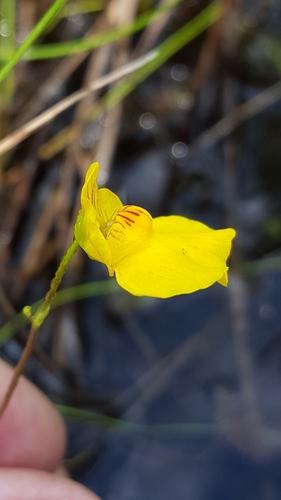
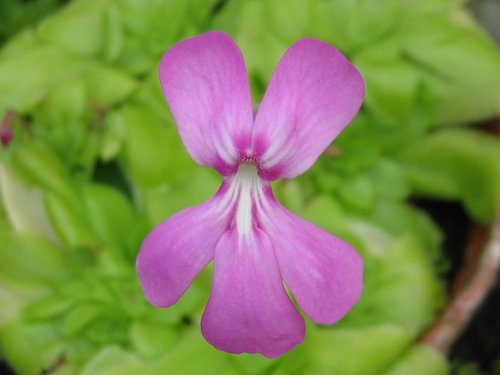
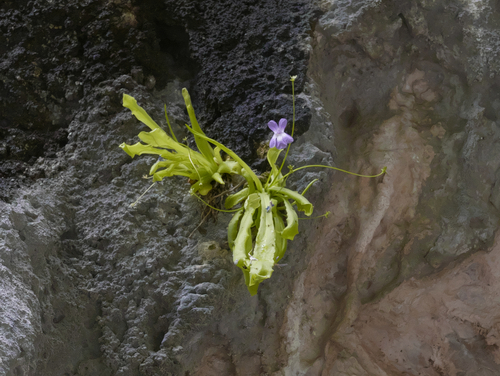
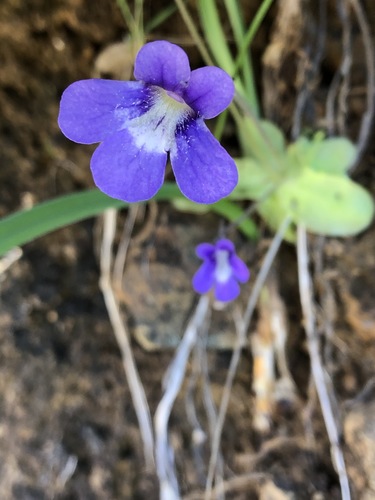
Common Bladderwort
utricularia australis
Also known as: ["Floating Bladderwort","Southern Bladderwort"]
Overview
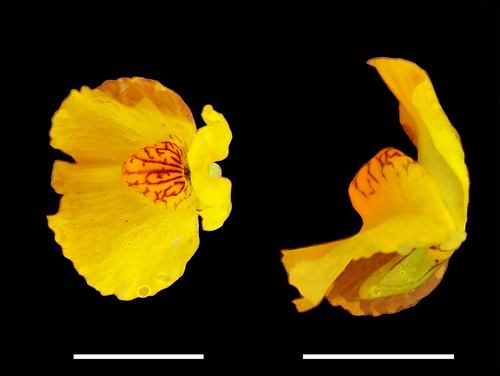
A free-floating aquatic carnivorous plant with small yellow flowers and bladder-like traps for capturing microscopic organisms.
Benefits & Perks
["fast growing","wildlife attractant (bees, butterflies, birds)","rare/collector’s item"]
Botanical Classification
| Phylum: | Magnoliophyta |
| Class: | Magnoliopsida |
| Order: | Caryophyllales |
| Family: | Lentibulariaceae |
| Genus: | Utricularia |
| Botanical Name: | Utricularia australis |
Plant Characteristics
Basic Information
- Category: Flowers
- Suitable Location: aquarium or bog garden
- Suitable For:
- Is Weed: No
- Allergenicity: low
Environmental Needs
- Climate: {"temperatureRange":"10–30°C"}
- Hardiness: {"zones":"6–10"}
- Misting: not required
- Drainage: Excellent drainage; the medium should hold moisture but never become waterlogged.
- Soil Type: Nutrient-poor, acidic medium such as sphagnum moss or a mix of peat and perlite.
Maintenance Level
- Maintenance Level: moderate
- Toughness Level: moderate
- Pruning Frequency: As needed, typically during spring or when dead leaves are present.
- Pruning Intensity: Light pruning; only remove dead or damaged parts.
Care Details
Ideal Sunlight Coverage:
Bright indirect light for 4–6 hours daily; avoid direct sunlight which can scorch the delicate leaves.
Sunlight Tolerance Tips:
Acclimate gradually to brighter light; keep indoors in a bright location with filtered light; outdoors, provide shade during peak sun hours.
Care Requirements
Care Difficulty
challengingeasy
Sunlight
full sun to partial shade
Rotate plant weekly for even light exposure; use sheer curtains to filter direct sunlight; monitor for signs of sunburn.
Watering
continuously submerged in water
Maintain high humidity around the plant; use distilled or rainwater to avoid mineral buildup; ensure the medium is always damp but not waterlogged.
Soil
peat-based, acidic waterlogged substrate
pH: Acidic, ideally between 4.5 and 6.0.
Keep the medium consistently moist; use distilled or rainwater; avoid mineral buildup.
Temperature
Prefers cool to moderate temperatures, ideally 15–25°C (59–77°F); tolerates cooler temperatures down to 10°C (50°F) during dormancy.
Avoid sudden temperature fluctuations; maintain consistent cool to moderate temperatures; protect from frost.
Fertilizing
not required, as it is carnivorous
Never fertilize; use distilled or rainwater; ensure the medium is nutrient-poor.
Propagation
Methods
Stem cuttings or division of rhizomes; vegetative propagation is common and straightforward.
Step-by-Step Propagation Guide
- Take a healthy stem cutting.
- Place in moist propagation medium.
- Maintain high humidity.
- Wait for roots to develop.
Best Time: Spring or early summer when the plant is actively growing.
Environment
High humidity, warm temperatures (20–25°C or 68–77°F), and bright indirect light.
Medium
Sphagnum moss or a mix of peat and perlite; keep medium consistently moist.
Hormone
Not necessary, as Utricularia species root easily without hormones.
Timeline
Roots typically develop within 2–4 weeks; new growth may appear in 4–8 weeks.
Tools Needed
Sharp scissors, propagation tray, humidity dome, distilled water.
Quick Tips
Use healthy, non-flowering stems; maintain consistent moisture; provide bright indirect light.
Pruning & Repotting
Pruning Guide
Method
Snip off dead leaves at the base with clean scissors; avoid cutting into healthy tissue.
Pruning Plan
Minimal pruning required; remove dead or decaying leaves to maintain hygiene and prevent fungal growth.
Tools
Clean, sharp scissors or pruning shears.
Checklist
Use clean tools; remove only dead/damaged parts; maintain plant shape.
Repotting Guide
Best Season
Spring, when the plant is entering its active growth phase.
Pot Size
Increase pot size by 1–2 inches (2.5–5 cm) if the plant has outgrown its current container.
Method
Gently remove the plant; trim any dead roots; replace with fresh, nutrient-poor medium; ensure good drainage.
Suggestions
Repot every 1–2 years or when the medium decomposes; necessary to maintain proper moisture retention and prevent root rot.
Checklist
Use nutrient-poor medium; ensure good drainage; handle roots gently; water thoroughly after repotting.
Advanced Care Tips
Watering Mastery
Watering Checklist
Use distilled water; keep medium moist; maintain high humidity; avoid dry periods.
How to Apply Water Properly
Water the medium evenly, ensuring the entire root zone is moistened; allow excess water to drain if using a pot, but maintain a water level just below the surface for terrestrial setups.
Watering Schedule Tips
Keep the medium consistently moist to wet; water daily during active growth, reducing slightly in winter dormancy but never allowing the medium to dry out.
Soil Improvement
Use pure sphagnum moss or a mix of peat and perlite; avoid adding nutrients or organic matter that could harm the plant.
Temperature Stress Management
Signs of Temperature Issues
Yellowing leaves, stunted growth, or wilting in excessive heat; leaf drop or dormancy in prolonged cold.
Cold Stress
Slows metabolic processes, causing reduced growth and potential leaf damage; may enter dormancy if temperatures drop below 10°C (50°F).
Solution: Move to a warmer location; provide gentle bottom heat if necessary; reduce watering during dormancy.
Hot Stress
Leaves may wilt, turn yellow, or develop brown spots; growth may cease in extreme heat.
Solution: Increase humidity; provide shade; ensure adequate air circulation; mist leaves during hot periods.
Fertilizing Guide
Fertilizing Checklist
Do not fertilize; use nutrient-free water; maintain nutrient-poor medium.
Fertilizing Method
Not required, as Utricularia australis is carnivorous and derives nutrients from trapped prey; avoid fertilizing to prevent nutrient burn.
Common Problems & Solutions
Toxicity Warning
Cats
Non-toxicUtricularia australis is not toxic to cats. The plant lacks any known toxic compounds that would cause harm to felines. As with dogs, the main concern would be mechanical irritation from ingestion, but no toxic effects are documented.
🌿 Toxic Parts:
⚡ Toxic If:
if eaten
Dogs
Non-toxicUtricularia australis is not toxic to dogs. The plant does not contain any known substances that are harmful to canines. The primary risk is mechanical irritation if ingested in large amounts, but no toxic effects are expected.
🌿 Toxic Parts:
⚡ Toxic If:
if eaten
Humans
Non-toxicUtricularia australis, commonly known as the Australian bladderwort, is not considered toxic to humans. It is a carnivorous aquatic plant that primarily captures small invertebrates for nutrients. There are no known toxic compounds or physiological effects associated with human consumption.
🌿 Toxic Parts:
⚡ Toxic If:
if eaten
Frequently Asked Questions
Q: Is Utricularia australis toxic to pets?
A: There is no reliable information available regarding its toxicity to pets.
Q: How does Utricularia australis trap its prey?
A: It uses small bladder-like traps that create a vacuum to suck in microscopic organisms.
Q: Can Utricularia australis be grown indoors?
A: Yes, it can be grown in indoor aquatic setups, but it requires specific conditions to thrive.
Quick Reference


| Family: | Lentibulariaceae |
| Care: | challenging |
| Light: | full sun to partial shade |
| Water: | continuously submerged in wate |
Get Expert Care Tips
Download the Plantious app for personalized care reminders and plant identification!
Google Play App Store