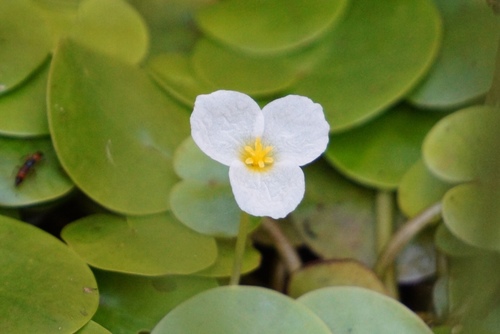
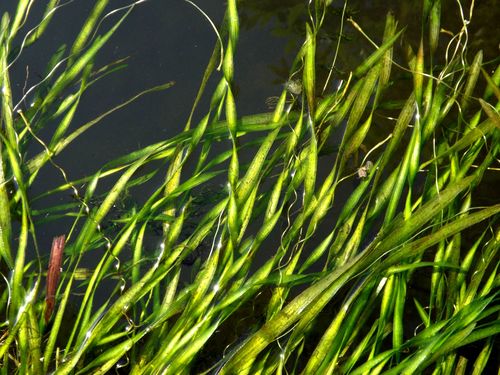
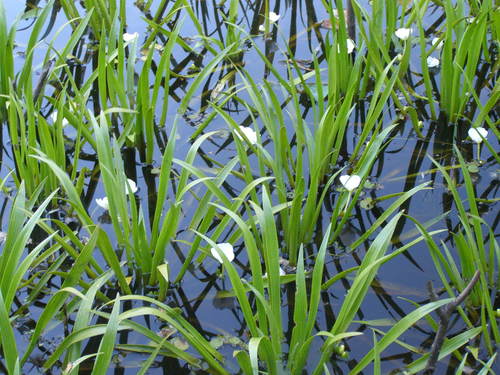
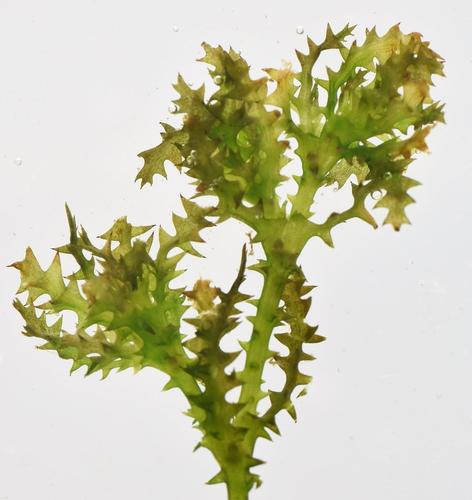
Least Water Nymph
najas minor
Also known as: ["Least Water Nymph","Dwarf Najas"]
Overview
A submerged aquatic plant with delicate, thread-like leaves, often found in freshwater habitats.
Benefits & Perks
["shade tolerant","wildlife attractant (bees, butterflies, birds)"]
Botanical Classification
| Phylum: | Magnoliophyta |
| Class: | Liliopsida |
| Order: | Alismatales |
| Family: | Hydrocharitaceae |
| Genus: | Najas |
| Botanical Name: | Najas minor |
Plant Characteristics
Basic Information
- Category: Leaf Plants
- Suitable Location: aquarium or pond
- Suitable For:
- Is Weed: No
- Allergenicity: low
Environmental Needs
- Climate: {"temperatureRange":"10–30°C"}
- Hardiness: {"zones":"6–11"}
- Misting: not applicable
- Drainage: Very fast-draining; must avoid waterlogging.
- Soil Type: Aquatic or semi-aquatic substrate with peat, sand, and perlite for drainage.
Maintenance Level
- Maintenance Level: moderate
- Toughness Level: moderate
- Pruning Frequency: As needed, typically every 2–4 weeks during active growth.
- Pruning Intensity: Light to moderate; focus on removing only damaged or overgrown parts.
Care Details
Ideal Sunlight Coverage:
Bright, indirect light for 6–8 hours daily. Tolerates lower light but may grow slower.
Sunlight Tolerance Tips:
Acclimate gradually to brighter light; avoid direct sunlight to prevent leaf burn; adjust placement based on seasonal light changes.
Care Requirements
Care Difficulty
moderatemoderate
Sunlight
partial to full shade
Rotate plant weekly; use sheer curtains to filter intense light; supplement with grow lights if needed.
Watering
daily in submerged aquatic environment
Maintain high humidity; avoid direct water flow on delicate leaves; water early in the day to prevent fungal growth.
Soil
not applicable, grows in water
pH: Slightly acidic to neutral (pH 6.0–7.0).
Use a mix designed for aquatic plants; avoid heavy garden soil; maintain consistent moisture.
Temperature
Prefers 18–28°C (64–82°F). Avoid temperatures below 15°C (59°F) or above 30°C (86°F).
Monitor room temperature; avoid drafts; use a thermometer to track fluctuations.
Fertilizing
rarely required in nutrient-rich water
Dilute fertilizer to prevent burn; fertilize after watering to avoid root shock; flush soil occasionally to prevent buildup.
Propagation
Methods
Stem cuttings or division of clumps.
Step-by-Step Propagation Guide
- Select healthy stems.
- Cut below a node.
- Remove lower leaves.
- Place in medium.
- Maintain moisture.
Best Time: Spring or early summer when growth is active.
Environment
High humidity (70–90%); warm temperatures (22–26°C); indirect light.
Medium
Sphagnum moss or fine-grained aquatic substrate with perlite.
Hormone
Optional, but rooting hormone can speed up the process.
Timeline
Roots develop in 2–4 weeks; new growth appears in 6–8 weeks.
Tools Needed
Sharp scissors, rooting hormone (optional), misting bottle, propagation tray.
Quick Tips
Use sterile tools; keep medium consistently moist; provide bottom heat if possible.
Pruning & Repotting
Pruning Guide
Method
Snip stems just above a node or junction; avoid cutting into healthy growth.
Pruning Plan
Remove dead or decaying stems to maintain plant health and appearance.
Tools
Fine-tipped scissors, pruning shears, sterilizing solution.
Checklist
Sterilize tools; prune during active growth; remove only necessary parts; clean debris afterward.
Repotting Guide
Best Season
Spring, before the main growing season begins.
Pot Size
Increase pot size by 2–3 cm (1–1.5 inches) in diameter.
Method
Gently remove plant; trim roots if necessary; place in new pot with fresh substrate; water lightly.
Suggestions
Repot every 1–2 years or when roots outgrow the container. Necessary to refresh substrate and provide space.
Checklist
Choose appropriate pot; prepare new soil; handle roots carefully; water after repotting.
Advanced Care Tips
Watering Mastery
Watering Checklist
Check soil moisture daily; water when top layer feels slightly dry; ensure no waterlogging.
How to Apply Water Properly
Apply water gently around the base, ensuring even coverage without disturbing the delicate stems. Use a fine mist or drip system to avoid damage.
Watering Schedule Tips
Water regularly, ensuring the substrate remains consistently moist but not waterlogged. Adjust frequency based on environmental conditions, reducing in cooler months or lower light.
Soil Improvement
Add perlite or coarse sand for aeration; incorporate peat moss for moisture retention; ensure no compacted layers.
Temperature Stress Management
Signs of Temperature Issues
Yellowing or browning leaves; stunted growth; wilting; leaf drop.
Cold Stress
Slows growth; may cause leaf discoloration; increases susceptibility to disease.
Solution: Move to a warmer location; use a space heater or heat mat; insulate pots if outdoors.
Hot Stress
Leaf scorch; wilting; reduced vigor; potential for heat-induced dormancy.
Solution: Increase humidity; provide shade; water more frequently but avoid waterlogging.
Fertilizing Guide
Fertilizing Checklist
Check fertilizer type; dilute correctly; apply during active growth; avoid dormant periods.
Fertilizing Method
Use a liquid fertilizer diluted to half strength every 4–6 weeks during growing season (spring/summer). Avoid fertilizing in winter.
Common Problems & Solutions
Toxicity Warning
Cats
Non-toxicNajas minor is not known to be toxic to cats under normal circumstances.
⚡ Toxic If:
not applicable
Dogs
Non-toxicNajas minor is not known to be toxic to dogs under normal circumstances.
⚡ Toxic If:
not applicable
Humans
Non-toxicNajas minor is not known to exhibit toxic properties to humans under normal circumstances.
⚡ Toxic If:
not applicable
Frequently Asked Questions
Q: Is Najas minor suitable for aquariums?
A: Yes, Najas minor is commonly used in aquariums as a decorative and oxygenating plant.
Q: How does Najas minor reproduce?
A: It reproduces through fragmentation and by producing seeds in aquatic environments.
Q: Does Najas minor require special care?
A: It requires moderate care, including clean water and sufficient light to thrive.
Quick Reference
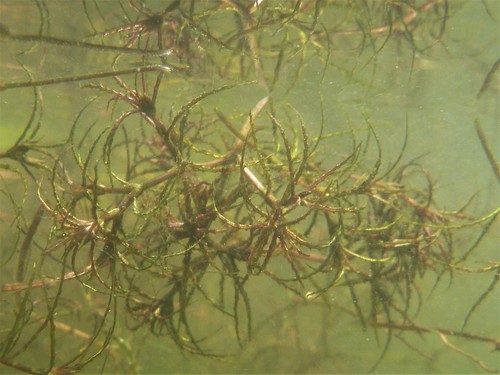
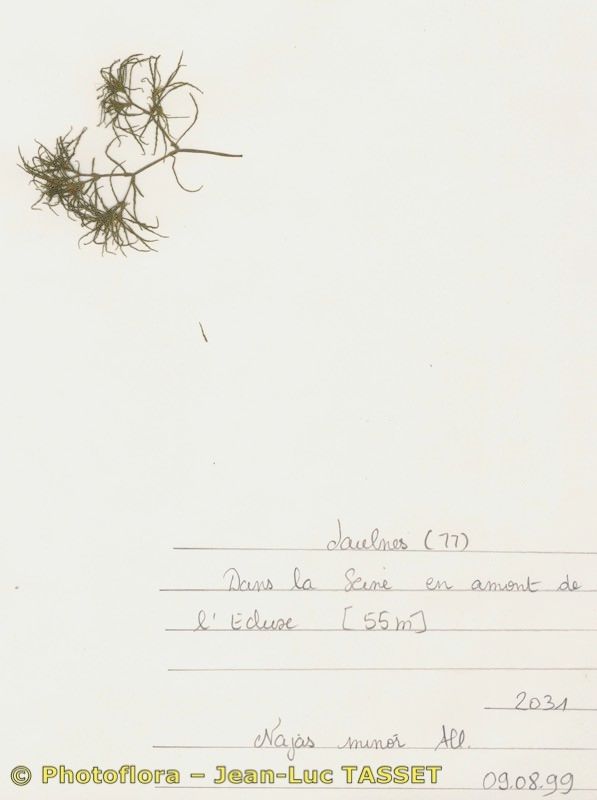
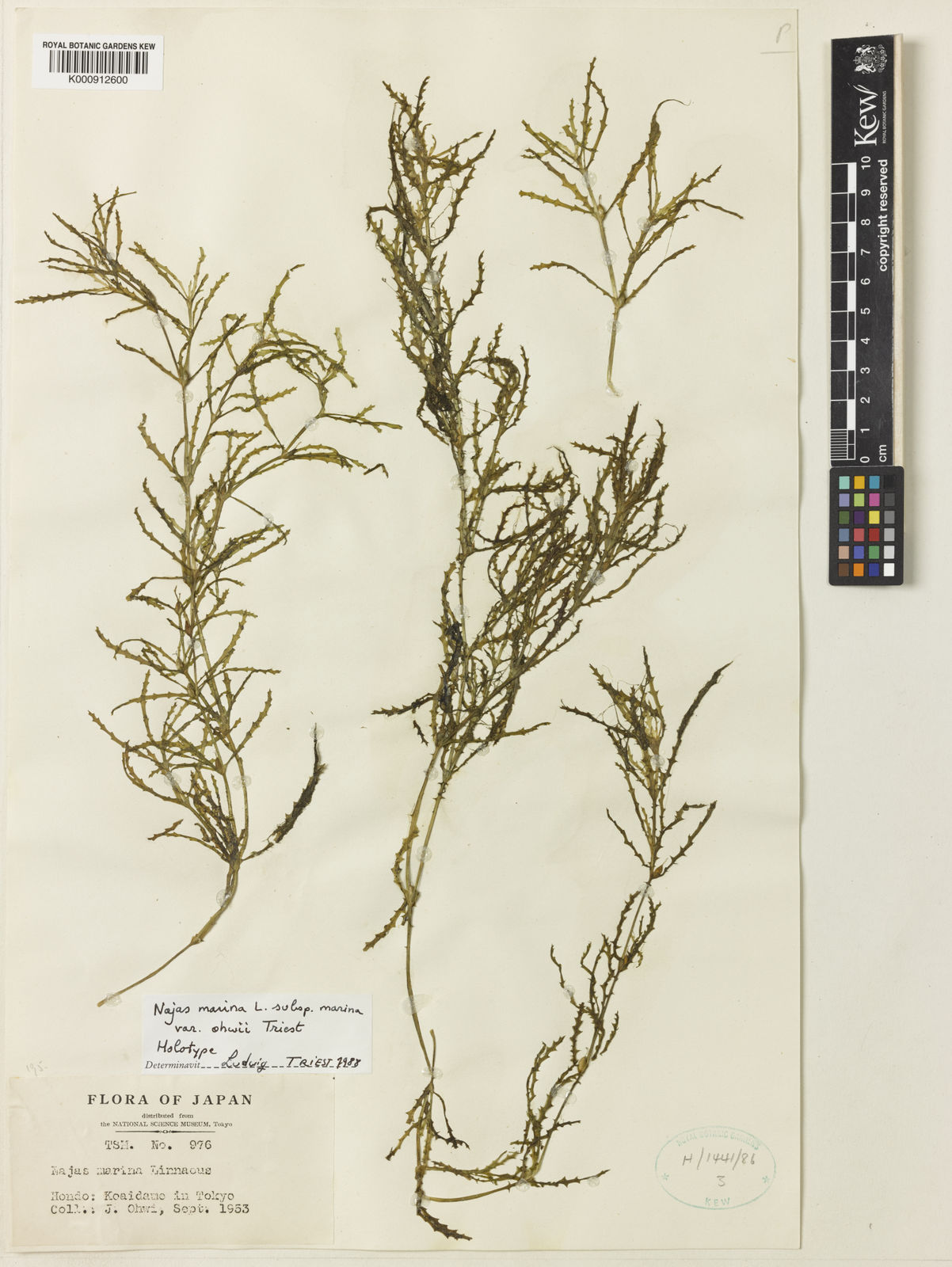
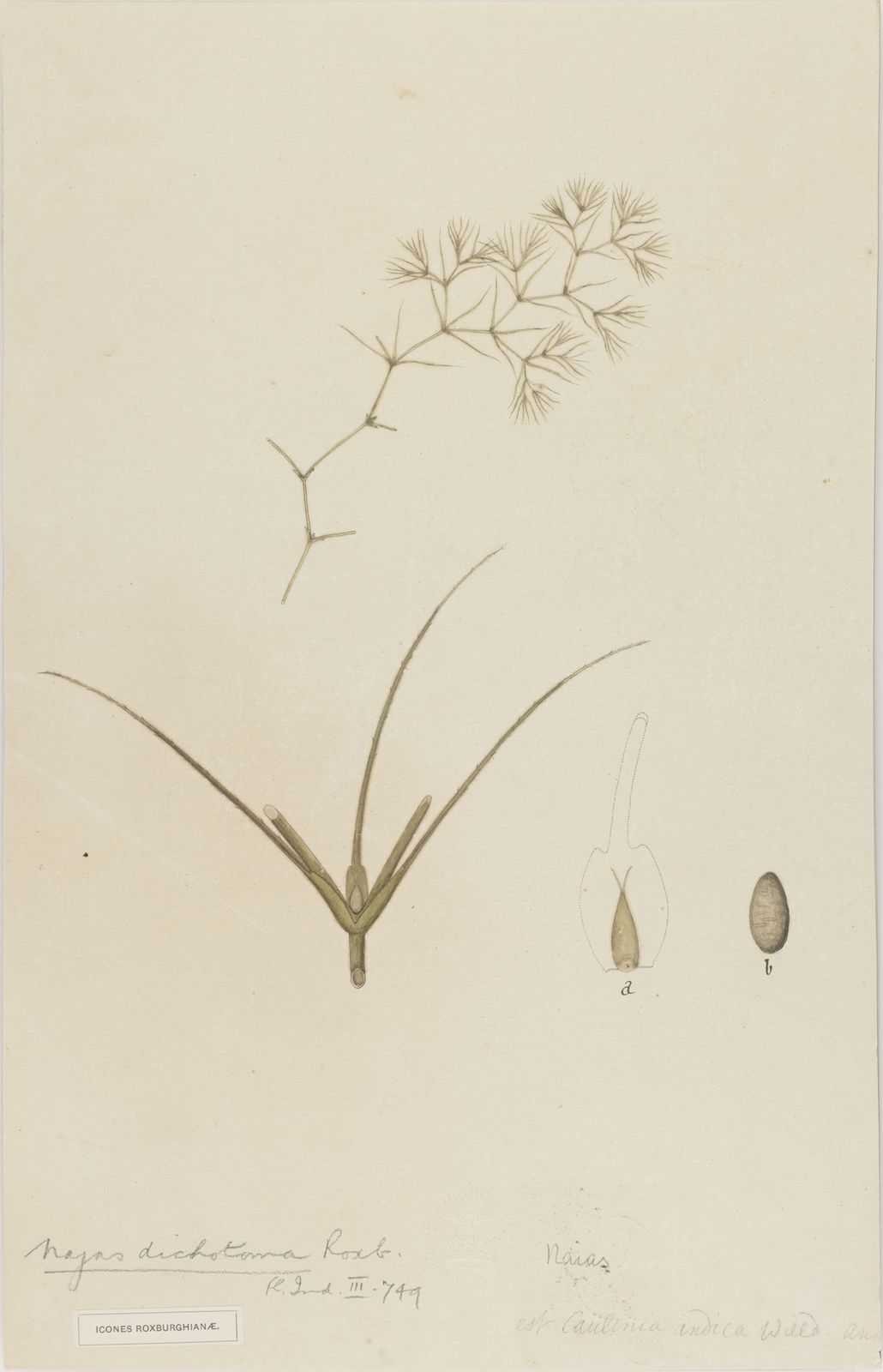
| Family: | Hydrocharitaceae |
| Care: | moderate |
| Light: | partial to full shade |
| Water: | daily in submerged aquatic env |
Get Expert Care Tips
Download the Plantious app for personalized care reminders and plant identification!
Google Play App Store