Frogbit
hydrocharis morsus-ranae
Also known as: ["European frogbit","water frogbit"]
Overview
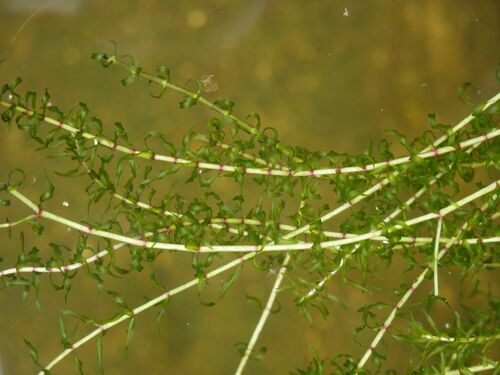
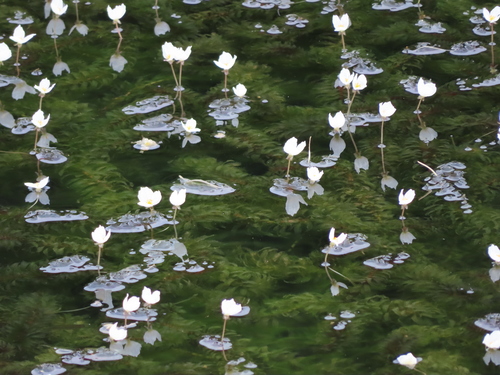
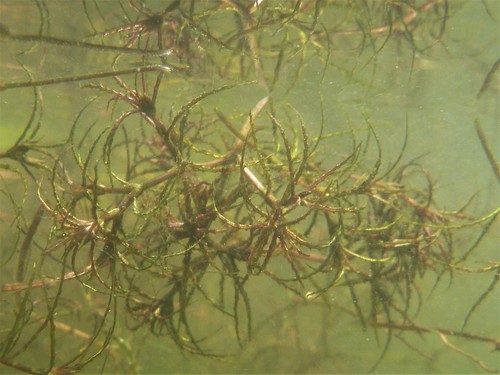
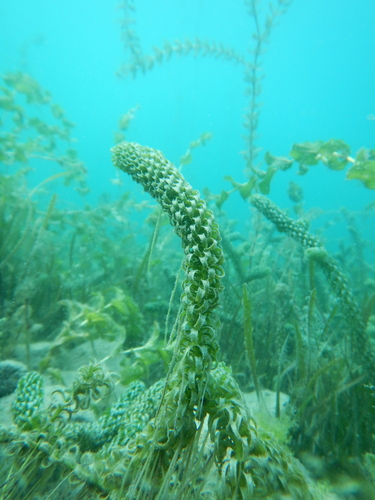
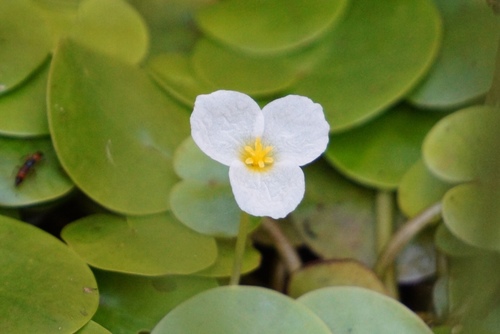
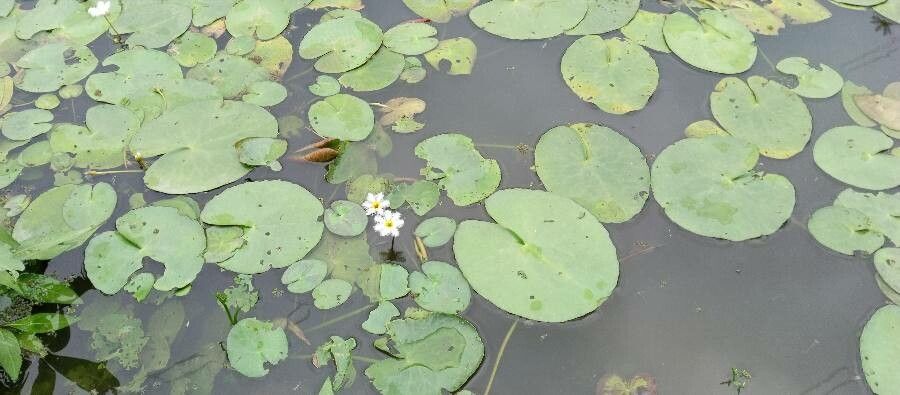
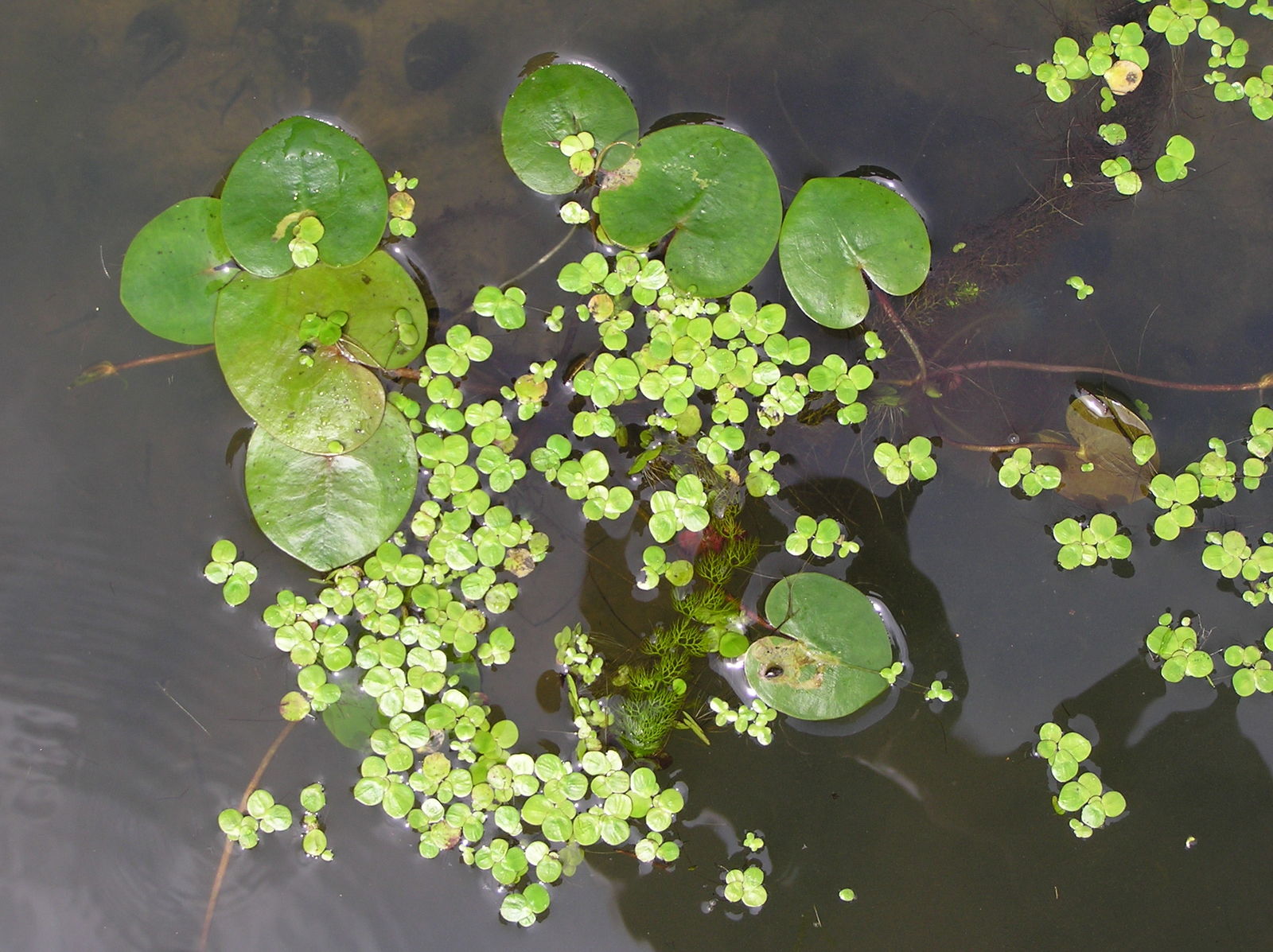
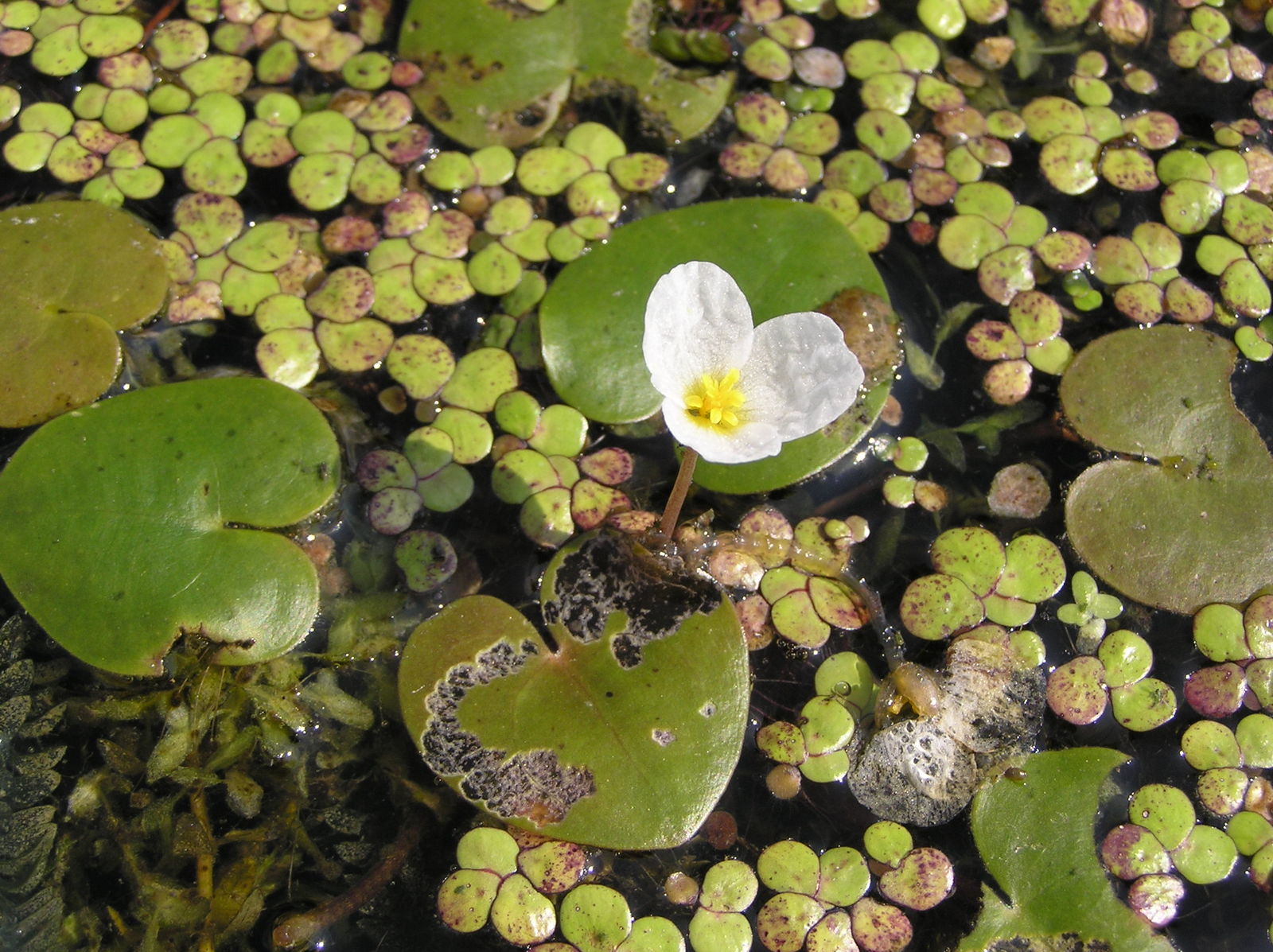
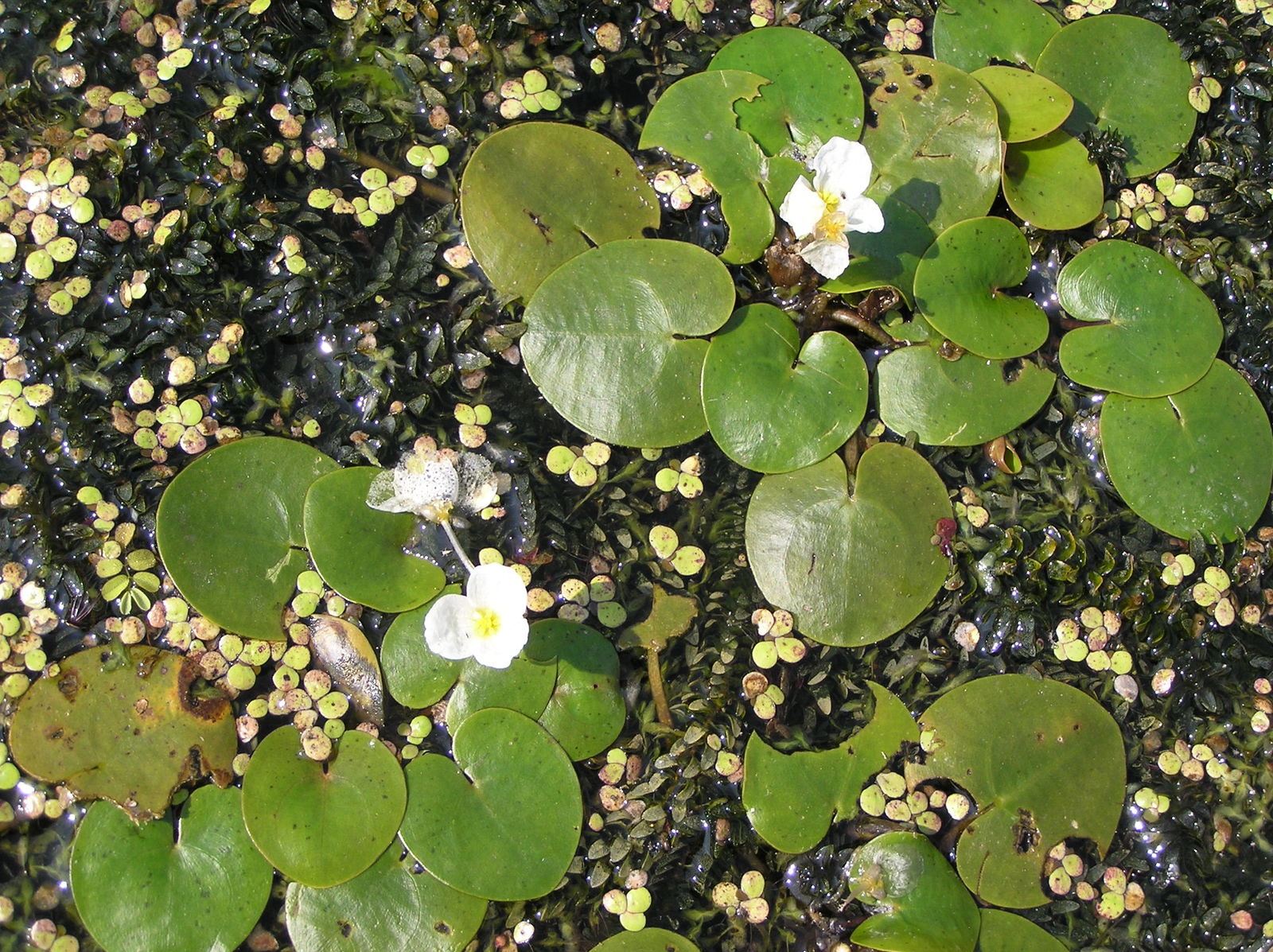
A small, floating aquatic plant with rounded leaves and small white flowers, native to temperate regions of Europe and North America.
Benefits & Perks
["shade tolerant","wildlife attractant (bees, butterflies, birds)","drought tolerant"]
Botanical Classification
| Phylum: | Magnoliophyta |
| Class: | Liliopsida |
| Order: | Alismatales |
| Family: | Hydrocharitaceae |
| Genus: | Hydrocharis |
| Botanical Name: | Hydrocharis morsus-ranae |
Plant Characteristics
Basic Information
- Category: Flowers
- Suitable Location: ponds, lakes, or slow-moving streams
- Suitable For:
- Is Weed: No
- Allergenicity: low
Environmental Needs
- Climate: {"temperatureRange":"10–30°C"}
- Hardiness: {"zones":"5–9"}
- Misting: rarely required, only if ambient humidity is very low
- Drainage: Very low drainage; the plant thrives in waterlogged conditions.
- Soil Type: Aquatic soil or a mix of heavy garden soil and sand for submerged roots. Avoid lightweight potting mixes that float.
Maintenance Level
- Maintenance Level: low
- Toughness Level: moderate
- Pruning Frequency: As needed, typically every 2–4 weeks during the growing season.
- Pruning Intensity: Light to moderate, focusing on removing only dead or damaged parts.
Care Details
Ideal Sunlight Coverage:
Bright indirect light for 4–6 hours per day. Can tolerate partial shade, especially in warmer months to prevent overheating.
Sunlight Tolerance Tips:
Acclimate gradually to direct sunlight if moving from shade; avoid intense midday sun which can scorch leaves; place in a location with dappled light for optimal growth.
Care Requirements
Care Difficulty
easyeasy
Sunlight
full sun to partial shade
Morning sun is ideal; provide shade during peak hours; rotate plant for even light exposure.
Watering
every 7–10 days during growing season, reduce in winter
Maintain water levels above the soil surface; avoid letting the plant dry out; ensure water quality is suitable for aquatic plants.
Soil
still or slow-moving freshwater, not suitable for typical potting soil
pH: Slightly acidic to neutral (pH 6.0–7.0).
Use heavy soil to prevent floating; avoid organic matter that decomposes quickly; maintain water clarity.
Temperature
Prefers temperatures between 15–25°C (59–77°F). Tolerates cooler temperatures down to 10°C (50°F) but thrives in warmer conditions during growing season.
Monitor temperature fluctuations; adjust water levels seasonally; protect from frost.
Fertilizing
every 4–6 weeks during active growth
Apply fertilizer directly to water; avoid over-fertilization which can harm aquatic ecosystems; flush system occasionally to prevent buildup.
Propagation
Methods
Stem cuttings or division of rhizomes. Stem cuttings are the most common method for home growers.
Step-by-Step Propagation Guide
- Select healthy stems.
- Cut below a node.
- Place in water or propagation medium.
- Change water regularly.
- Transplant once rooted.
Best Time: Spring or early summer when the plant is actively growing.
Environment
Warm, humid environment with indirect light. Maintain water levels to keep cuttings submerged or moist.
Medium
Water or a mixture of water and perlite for added stability.
Hormone
Not typically required for water propagation, but can be used for stem cuttings in soil.
Timeline
Roots typically develop within 2–4 weeks in water; establishment may take an additional 4–6 weeks.
Tools Needed
Sharp scissors, clean container, rooting hormone (optional), water.
Quick Tips
Use clean tools to prevent disease; change water every few days to prevent stagnation; ensure nodes are submerged.
Pruning & Repotting
Pruning Guide
Method
Snip off dead or yellowing leaves at the base. Trim back overgrown stems to encourage bushier growth.
Pruning Plan
Prune to remove dead or decaying leaves and maintain plant shape. This helps prevent water quality issues and promotes healthy growth.
Tools
Sharp scissors or pruning shears, gloves.
Checklist
Check for dead leaves; use clean tools; dispose of clippings properly to avoid water contamination.
Repotting Guide
Best Season
Spring, when the plant is entering its active growth phase.
Pot Size
Increase pot size by 2–3 cm (1–1.5 inches) in diameter.
Method
Carefully lift the plant; trim any dead roots; place in a new container with fresh aquatic soil or substrate; ensure the plant is at the correct water level.
Suggestions
Repot if the plant becomes overcrowded or if the container is too small. This is usually needed every 1–2 years.
Checklist
Prepare new container; trim roots if necessary; use appropriate soil; adjust water level after repotting.
Advanced Care Tips
Watering Mastery
Watering Checklist
Check water level daily; use appropriate water source; ensure proper circulation.
How to Apply Water Properly
Water directly into the water container or pond, ensuring the plant remains submerged or floating. Avoid splashing onto leaves to prevent fungal issues. Ensure water circulation is adequate to prevent stagnation.
Watering Schedule Tips
Hydrocharis morsus-ranae thrives in consistently moist to submerged conditions. Water daily or as needed to maintain water levels above the soil surface, especially during active growth in spring and summer. Reduce watering slightly in winter but ensure the plant remains in water.
Soil Improvement
Use heavy, clay-based soil for submerged roots; add sand or gravel to prevent soil from clouding the water.
Temperature Stress Management
Signs of Temperature Issues
Yellowing leaves, stunted growth, or leaf drop in extreme cold; wilting or browning leaves in excessive heat.
Cold Stress
Low temperatures slow metabolic processes, leading to reduced growth and potential leaf damage or dieback.
Solution: Move to a warmer location or provide insulation; avoid placing near drafty areas; use a water heater in extreme cold.
Hot Stress
Excessive heat can cause leaf scorch, wilting, and reduced vigor, especially if combined with low water levels.
Solution: Provide shade during peak heat; ensure water levels are maintained; increase humidity around the plant.
Fertilizing Guide
Fertilizing Checklist
Use diluted fertilizer; fertilize during growing season only; monitor plant response.
Fertilizing Method
Use a liquid aquatic plant fertilizer diluted to half strength every 2–4 weeks during the growing season. Avoid fertilizing in winter when growth slows.
Common Problems & Solutions
Toxicity Warning
Cats
Non-toxicHydrocharis morsus-ranae is not toxic to cats. It poses no known health risks upon ingestion or contact.
⚡ Toxic If:
not applicable
Dogs
Non-toxicFrogbit is not toxic to dogs. There are no known adverse effects from ingestion or contact with this plant.
⚡ Toxic If:
not applicable
Humans
Non-toxicHydrocharis morsus-ranae, commonly known as frogbit, is not considered toxic to humans. It is a floating aquatic plant often used in aquariums and water gardens for its aesthetic value.
⚡ Toxic If:
not applicable
Frequently Asked Questions
Q: How do I propagate Frogbit?
A: Frogbit propagates easily through runners that form new plants.
Q: Does Frogbit require soil?
A: No, Frogbit is a floating plant and does not require soil.
Q: Can Frogbit be grown indoors?
A: Frogbit is best suited for outdoor ponds or large indoor aquariums with sufficient light.
Quick Reference
| Family: | Hydrocharitaceae |
| Care: | easy |
| Light: | full sun to partial shade |
| Water: | every 7–10 days during growi |
Get Expert Care Tips
Download the Plantious app for personalized care reminders and plant identification!
Google Play App Store