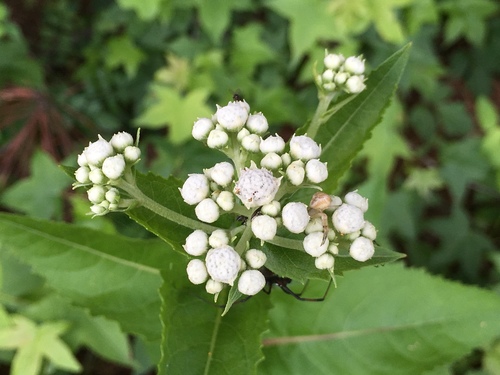
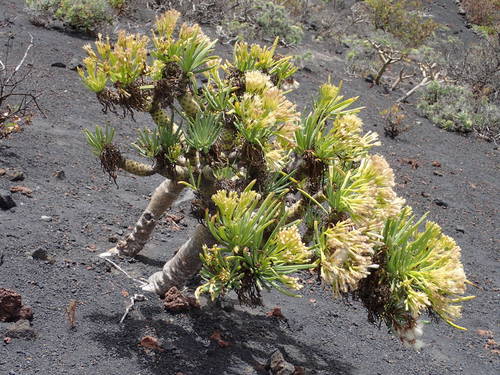
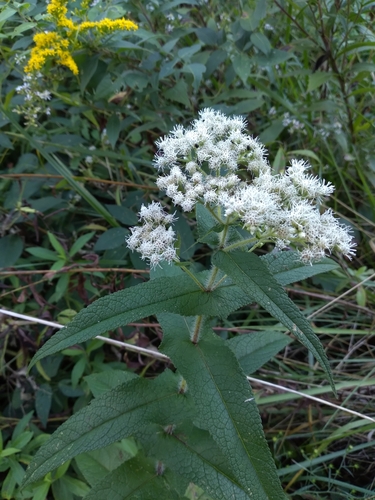
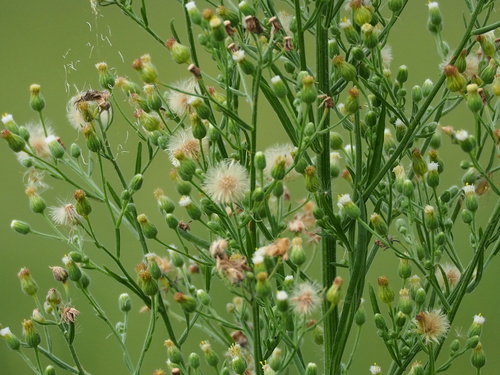
White Wood Aster
eurybia divaricata
Also known as: ["Aster divaricatus","White Wood Aster"]
Overview
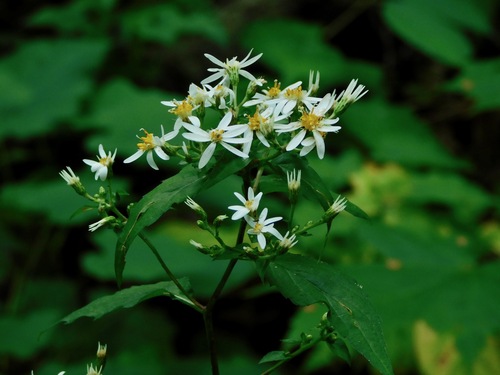
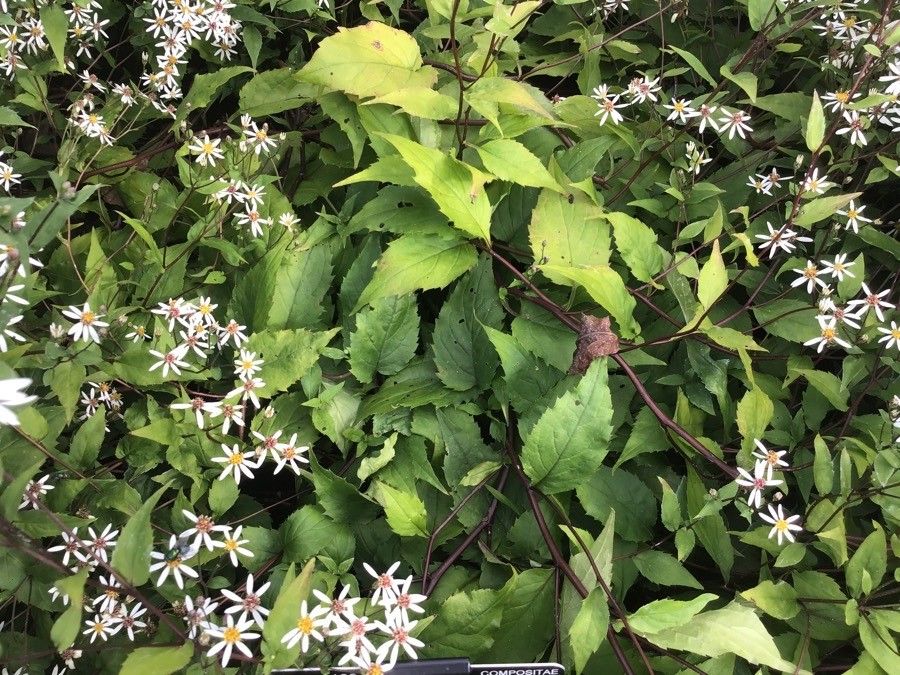
A perennial wildflower native to eastern North America, known for its delicate white flowers with yellow centers that bloom in late summer to fall.
Benefits & Perks
["long-flowering","wildlife attractant (bees, butterflies, birds)","shade tolerant"]
Botanical Classification
| Phylum: | Magnoliophyta |
| Class: | Magnoliopsida |
| Order: | Asterales |
| Family: | Asteraceae |
| Genus: | Eurybia |
| Botanical Name: | Eurybia divaricata |
Plant Characteristics
Basic Information
- Category: Flowers
- Suitable Location: woodland garden, shaded border, or naturalized area
- Suitable For:
- Is Weed: No
- Allergenicity: low
Environmental Needs
- Climate: {"temperatureRange":"0–35°C"}
- Hardiness: {"zones":"4–8"}
- Misting: rarely required, only if ambient humidity is very low
- Drainage: Moderately well-draining; can tolerate slightly moist conditions but not waterlogged soil.
- Soil Type: Rich, moist, well-draining soil with high organic matter; prefers loamy or woodland soil.
Maintenance Level
- Maintenance Level: low
- Toughness Level: moderate
- Pruning Frequency: Annually in late winter or early spring before new growth begins.
- Pruning Intensity: Light to moderate; remove no more than one-third of the plant at a time.
Care Details
Ideal Sunlight Coverage:
Partial shade to full shade; tolerates 2–4 hours of morning sun or dappled light; prefers protection from harsh afternoon sun.
Sunlight Tolerance Tips:
Acclimate gradually to brighter light if moving from deep shade; protect from direct midday sun to prevent leaf scorch; ideal for woodland or shaded garden beds.
Care Requirements
Care Difficulty
easymoderate
Sunlight
partial shade to full shade
Avoid direct afternoon sun; thrive in dappled light; adjust placement based on seasonal light intensity.
Watering
every 7–10 days during active growth, reduce in winter
Water thoroughly but infrequently; ensure soil dries slightly between waterings; prioritize deep watering over frequent shallow applications.
Soil
moist, well-draining, rich in organic matter
pH: Slightly acidic to neutral (pH 5.5–7.0).
Ensure consistent moisture; amend with organic matter; avoid compacted soil.
Temperature
Hardy in USDA zones 4–8; tolerates cold winters down to -30°F (-34°C); prefers cool summers; thrives in temperatures between 60–75°F (15–24°C).
Protect from extreme heat; mulch for winter insulation; adjust watering with temperature fluctuations.
Fertilizing
every 4–6 weeks during spring and summer
Fertilize sparingly; apply before new growth emerges; stop fertilizing in autumn to prepare for dormancy.
Propagation
Methods
Division or stem cuttings; division is the most reliable method for home growers.
Step-by-Step Propagation Guide
- Divide clumps by separating roots.
- For cuttings, take 4–6 inch stems, remove lower leaves, and plant in moist medium.
Best Time: Early spring or fall when the plant is not in active bloom.
Environment
Warm, humid conditions with indirect light; maintain consistent moisture for cuttings.
Medium
Rich, well-draining soil mix with added compost or peat moss.
Hormone
Optional, but rooting hormone can improve success rates for stem cuttings.
Timeline
Division: immediate establishment; stem cuttings: roots in 4–6 weeks, mature plant in 1–2 years.
Tools Needed
Sharp, sterile knife or shears, trowel, rooting hormone (optional), pots or trays.
Quick Tips
Divide every 3–4 years to maintain vigor; use clean tools to prevent disease; keep cuttings humid until rooted.
Pruning & Repotting
Pruning Guide
Method
Deadhead spent flowers after blooming; trim back leggy stems to encourage bushier growth.
Pruning Plan
Minimal pruning needed; focus on removing dead or damaged growth to maintain plant health and appearance.
Tools
Hand pruners, clean shears, gloves.
Checklist
Sterilize tools; prune dead or diseased stems; shape as needed; clean up debris afterward.
Repotting Guide
Best Season
Early spring before active growth starts.
Pot Size
For containers, choose a pot 1–2 inches larger in diameter; division is not size-dependent.
Method
For containers, use fresh soil mix and ensure good drainage; for division, carefully separate roots and replant immediately.
Suggestions
Not typically required unless grown in containers; division is preferred over repotting for ground-grown plants.
Checklist
Use fresh soil; check for root bound conditions; water thoroughly after repotting; provide shade for recovery.
Advanced Care Tips
Watering Mastery
Watering Checklist
Check soil moisture before watering; water early morning or late evening; ensure proper drainage; avoid overwatering.
How to Apply Water Properly
Water at the base of the plant, targeting the root zone; apply until water drains from the bottom of the container or soil is evenly moist; avoid wetting foliage to prevent fungal issues.
Watering Schedule Tips
Water deeply once a week during active growth; reduce frequency to every 2–3 weeks in winter or dormant periods. Adjust based on rainfall and soil moisture retention.
Soil Improvement
Add compost or well-rotted manure to enhance fertility; incorporate perlite or sand for better drainage if needed.
Temperature Stress Management
Signs of Temperature Issues
Leaf yellowing or browning in excessive heat; stunted growth or bud drop in extreme cold; wilting during heat stress.
Cold Stress
Leaves may wilt or turn black in prolonged freezing temperatures without protection; root systems can suffer frost damage in poorly insulated soil.
Solution: Mulch heavily around the base in fall; plant in sheltered locations; use frost cloth for extreme cold snaps; ensure well-drained soil to prevent root rot.
Hot Stress
Leaves may scorch, wilt, or drop in intense heat; flowering may be reduced; growth may slow significantly.
Solution: Provide shade during peak heat; increase watering frequency; improve air circulation; avoid fertilizing during heat waves.
Fertilizing Guide
Fertilizing Checklist
Use balanced fertilizer; apply in early spring; avoid over-fertilizing; cease in fall.
Fertilizing Method
Use a balanced, slow-release fertilizer in early spring; dilute liquid fertilizer to half-strength if needed; avoid fertilizing in late fall or winter.
Common Problems & Solutions
Toxicity Warning
Cats
Non-toxicEurybia divaricata is not known to be toxic to cats. It does not produce compounds that are harmful to felines.
🌿 Toxic Parts:
⚡ Toxic If:
if eaten
Dogs
Non-toxicEurybia divaricata is not known to be toxic to dogs. It does not produce compounds that are harmful to canines.
🌿 Toxic Parts:
⚡ Toxic If:
if eaten
Humans
Non-toxicEurybia divaricata is not known to exhibit toxic properties to humans. It is generally considered safe for consumption in moderate quantities.
🌿 Toxic Parts:
⚡ Toxic If:
if eaten
Frequently Asked Questions
Q: Does White Wood Aster attract pollinators?
A: Yes, it is highly attractive to bees, butterflies, and other pollinators.
Q: Can White Wood Aster grow in full sun?
A: It prefers partial shade but can tolerate some morning sun.
Q: Is White Wood Aster invasive?
A: No, it is not considered invasive and spreads moderately via rhizomes.
Quick Reference

| Family: | Asteraceae |
| Care: | easy |
| Light: | partial shade to full shade |
| Water: | every 7–10 days during activ |
Get Expert Care Tips
Download the Plantious app for personalized care reminders and plant identification!
Google Play App Store