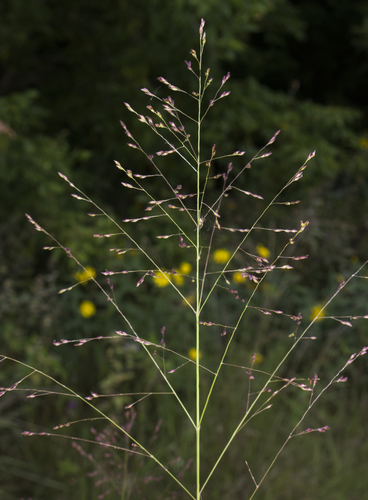
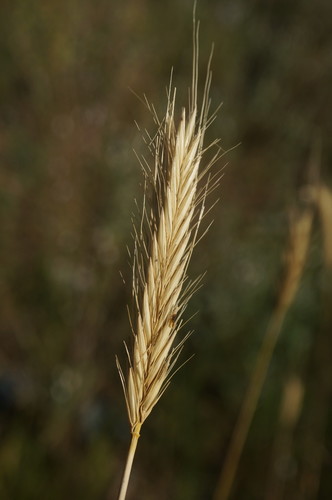
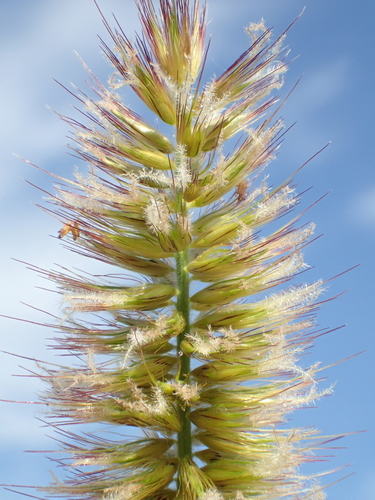
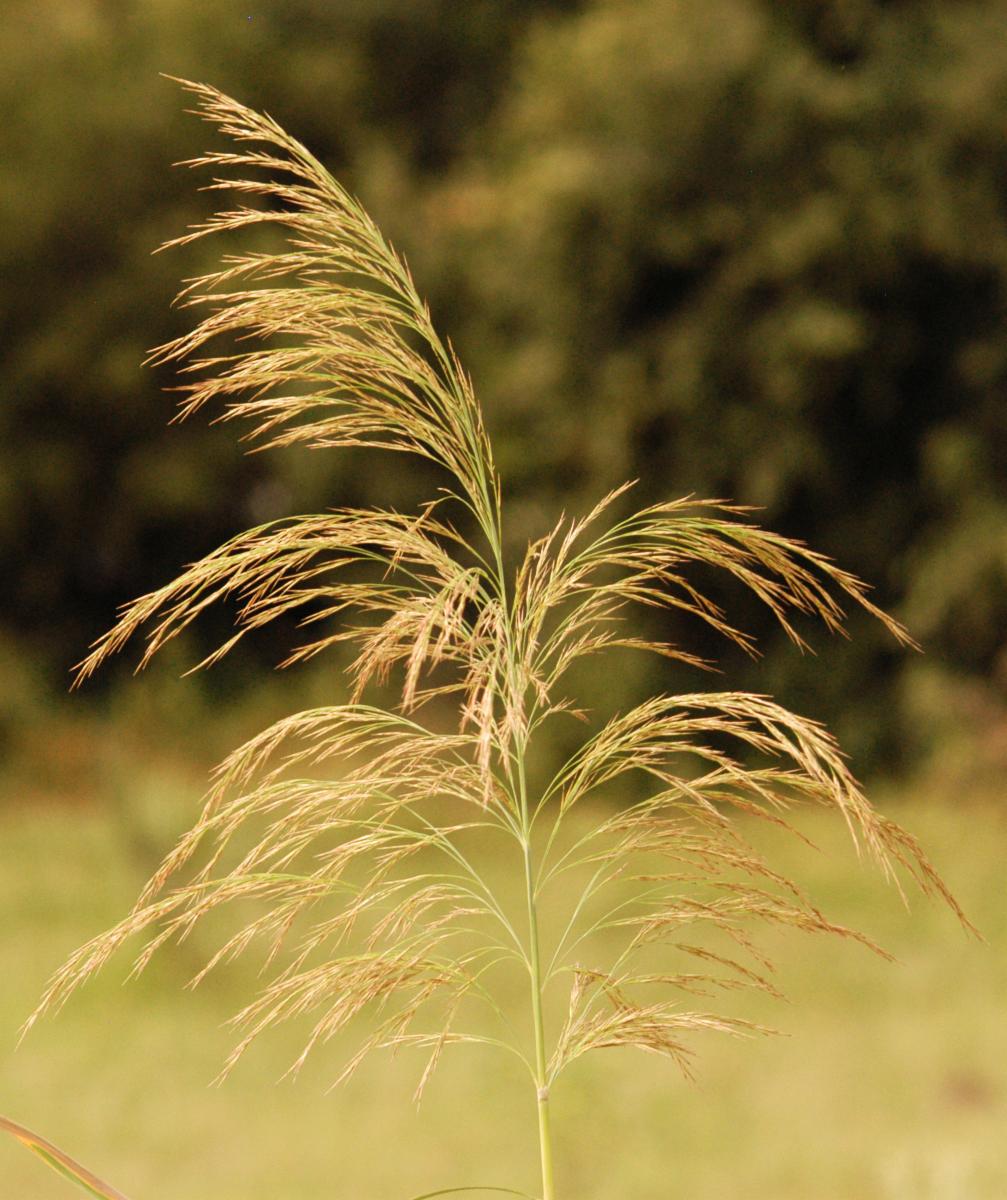
Common Reed
phragmites australis
Also known as: ["Common Reed","Australian Reed","Giant Reed"]
Overview
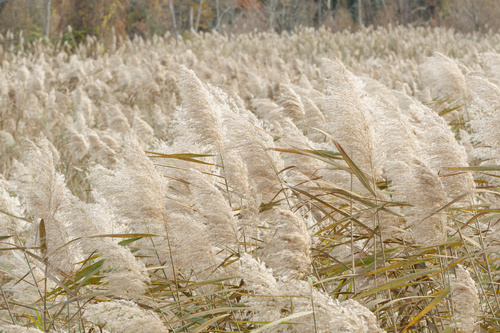
A tall, perennial grass species that forms dense stands in wetlands and along waterways.
Benefits & Perks
["wildlife attractant (bees, butterflies, birds)","drought tolerant","shade tolerant"]
Botanical Classification
| Phylum: | Magnoliophyta |
| Class: | Liliopsida |
| Order: | Poales |
| Family: | Poaceae |
| Genus: | Phragmites |
| Botanical Name: | Phragmites australis |
Plant Characteristics
Basic Information
- Category: Grasses
- Suitable Location: wetlands, marshes, or near water bodies
- Suitable For:
- Is Weed: No
- Allergenicity: low
Environmental Needs
- Climate: {"temperatureRange":"0–40°C"}
- Hardiness: {"zones":"3–11"}
- Misting: rarely required
- Drainage: Moderate drainage; prefers consistently moist but not waterlogged conditions.
- Soil Type: Rich, moist, loamy soil; tolerates clay and sandy soils if water is consistent.
Maintenance Level
- Maintenance Level: very low
- Toughness Level: very high
- Pruning Frequency: Annually in late winter or early spring before new growth begins.
- Pruning Intensity: Moderate; remove up to one-third of the oldest stems to rejuvenate growth.
Care Details
Ideal Sunlight Coverage:
Full sun (6–8 hours/day); tolerates partial shade but may become less vigorous.
Sunlight Tolerance Tips:
Acclimate plants gradually to full sun if moved from shade; protect from intense midday sun in hot climates; ensure adequate spacing for light penetration.
Care Requirements
Care Difficulty
very easymoderate
Sunlight
full sun to partial shade
Avoid sudden light changes; provide dappled shade in extreme heat; rotate plants for even growth.
Watering
every 7–10 days, or when top inch of soil is dry
Water thoroughly but allow soil to dry slightly between waterings; prioritize root zone moisture over foliage.
Soil
moist, rich loam or clay soil
pH: Adaptable pH range (6.0–8.0); tolerates slightly alkaline conditions.
Maintain consistent moisture; avoid waterlogging; enrich with compost annually.
Temperature
Hardy in USDA zones 2–11; tolerates temperatures from -30°C to 40°C; prefers moderate temperatures for optimal growth.
Protect from frost in early spring; avoid placing in drafty areas; monitor temperature extremes.
Fertilizing
every 2–3 months during growing season
Fertilize sparingly; apply to moist soil; avoid contact with foliage.
Propagation
Methods
Rhizome division or stem cuttings; rhizome division is more reliable.
Step-by-Step Propagation Guide
- Select healthy rhizome or stem.
- Cut into sections with buds.
- Plant in prepared medium.
- Keep moist and warm.
Best Time: Early spring or late summer when the plant is actively growing.
Environment
Warm, humid conditions with indirect light; maintain consistent moisture.
Medium
Moist, well-draining soil mix (e.g., peat moss and sand); can also root in water.
Hormone
Not typically required for rhizome division; optional for stem cuttings.
Timeline
Rhizome division establishes quickly (weeks); stem cuttings may take 4–8 weeks to root.
Tools Needed
Sharp knife, pruning shears, rooting hormone (optional), pots, moist soil mix.
Quick Tips
Use sharp, clean tools; ensure rhizome sections have buds; maintain humidity for cuttings.
Pruning & Repotting
Pruning Guide
Method
Cut stems at the base; trim back overgrown or dead foliage; thin dense clumps.
Pruning Plan
Remove dead or damaged stems to improve air circulation and aesthetics; control spread in contained spaces.
Tools
Hand pruners, loppers, gloves, rake.
Checklist
Wear gloves; sterilize tools; cut at the base; remove debris; compost pruned material.
Repotting Guide
Best Season
Early spring before active growth begins.
Pot Size
Increase pot size by 2–3 inches in diameter if repotting.
Method
Remove plant gently; trim roots if necessary; repot in fresh, well-draining soil with added organic matter.
Suggestions
Repot only if the plant becomes root-bound or outgrows its container; typically not necessary in the wild.
Checklist
Choose appropriate pot; prepare fresh soil; trim roots if needed; water after repotting.
Advanced Care Tips
Watering Mastery
Watering Checklist
Check soil moisture before watering; water deeply; ensure drainage; adjust frequency seasonally.
How to Apply Water Properly
Water at the base of the plant, ensuring even saturation of the root zone; allow excess water to drain freely to prevent root rot; water early in the morning to minimize evaporation.
Watering Schedule Tips
Water deeply once per week during active growth; reduce frequency in winter to prevent waterlogging.
Soil Improvement
Add organic matter (compost) to enhance fertility and structure; ensure consistent moisture retention.
Temperature Stress Management
Signs of Temperature Issues
Chlorosis or necrosis in extreme heat; stunted growth or browning in cold stress; wilting in sudden temperature fluctuations.
Cold Stress
Slows metabolic processes; may cause dieback of aerial parts in severe cold; rhizomes remain viable.
Solution: Mulch heavily around the base in winter; protect from drying winds; avoid overwatering during cold periods.
Hot Stress
Leaves may scorch or wilt; growth may slow; increased susceptibility to pests.
Solution: Provide partial shade during peak heat; increase watering frequency; ensure good air circulation.
Fertilizing Guide
Fertilizing Checklist
Use balanced fertilizer; apply in spring; water after fertilizing; avoid late-season feeding.
Fertilizing Method
Use a balanced, slow-release fertilizer in early spring; avoid high-nitrogen formulas; reduce or stop fertilizing in late summer/autumn.
Common Problems & Solutions
Toxicity Warning
Cats
Non-toxicPhragmites australis is not considered toxic to cats. The plant does not produce known toxins that would harm felines, though ingestion of large amounts may cause mild digestive upset.
⚠️ Symptoms:
🌿 Toxic Parts:
⚡ Toxic If:
if ingested
Dogs
Non-toxicPhragmites australis is not considered toxic to dogs. The plant is not known to cause adverse effects when ingested, though large quantities may lead to mild gastrointestinal upset due to indigestible fibers.
⚠️ Symptoms:
🌿 Toxic Parts:
⚡ Toxic If:
if ingested
Humans
Non-toxicPhragmites australis is generally considered non-toxic to humans. However, ingestion of large quantities of stems or roots may cause mild gastrointestinal discomfort due to high fiber content. No significant toxic effects have been documented.
⚠️ Symptoms:
🌿 Toxic Parts:
⚡ Toxic If:
if eaten in large quantities
Frequently Asked Questions
Q: Is Phragmites australis invasive?
A: Yes, it is considered invasive in many regions due to its rapid spread and ability to outcompete native vegetation.
Q: Can Phragmites australis be used for anything?
A: It has been used for thatching, basketry, and as a biofilter for wastewater treatment.
Q: Does Phragmites australis require much care?
A: No, it is very hardy and requires minimal maintenance once established.
Quick Reference



| Family: | Poaceae |
| Care: | very easy |
| Light: | full sun to partial shade |
| Water: | every 7–10 days, or when top |
Get Expert Care Tips
Download the Plantious app for personalized care reminders and plant identification!
Google Play App Store