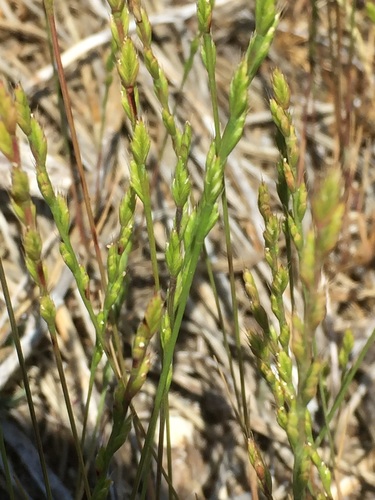
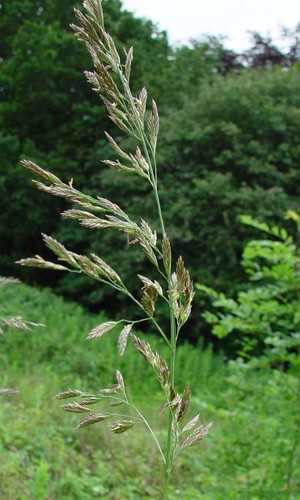
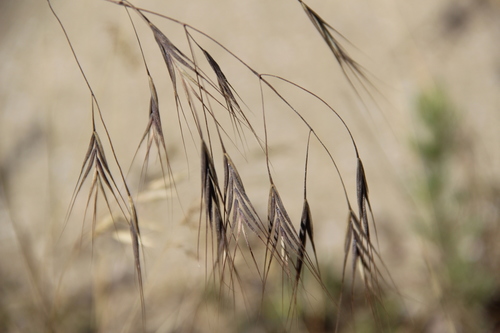
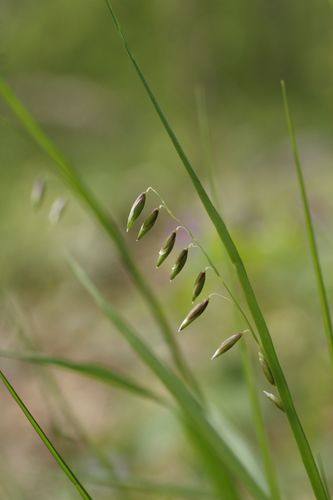
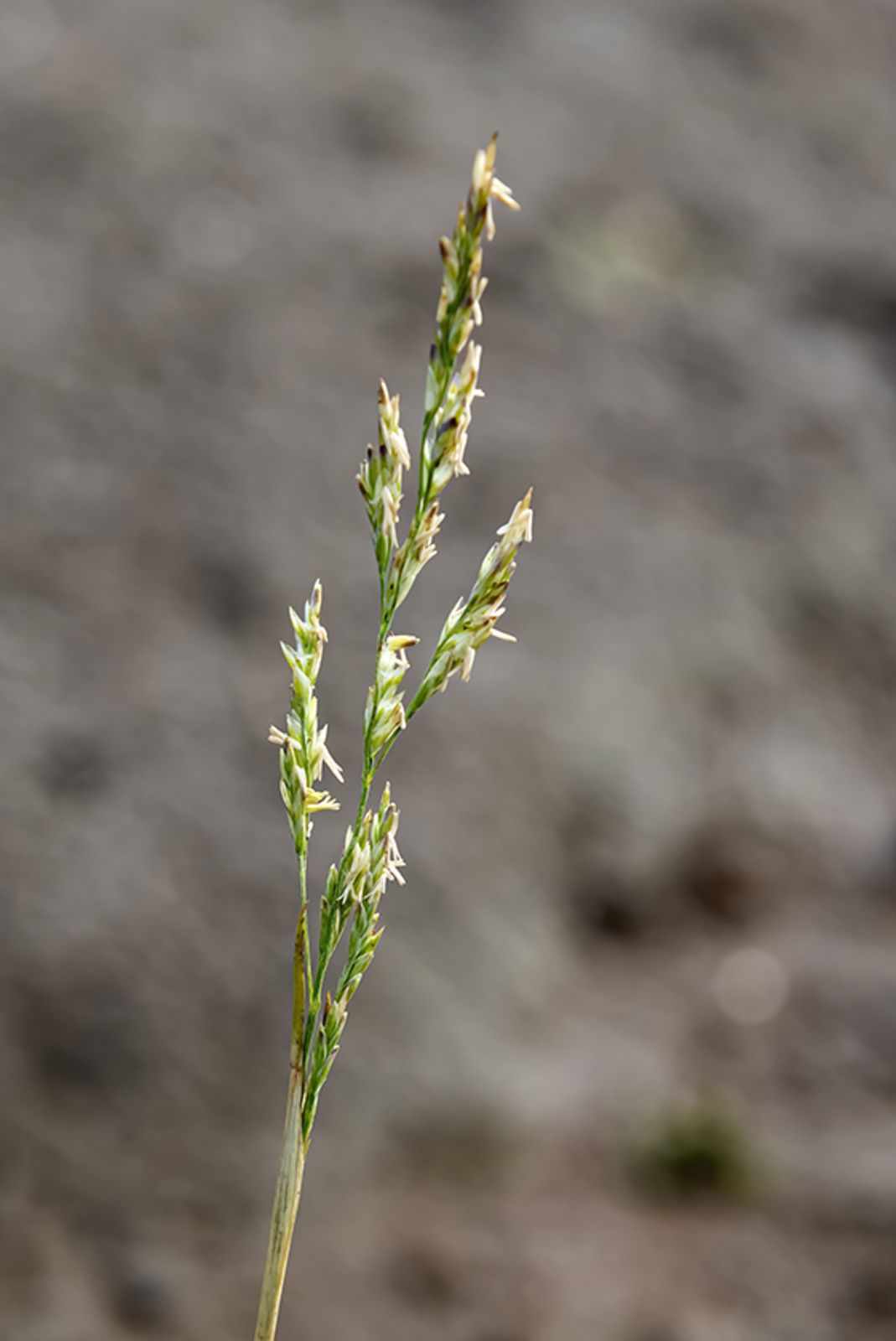
Common Saltmarsh Grass
puccinellia maritima
Also known as: ["Marsh Puccinellia","Saltmarsh Puccinellia"]
Overview
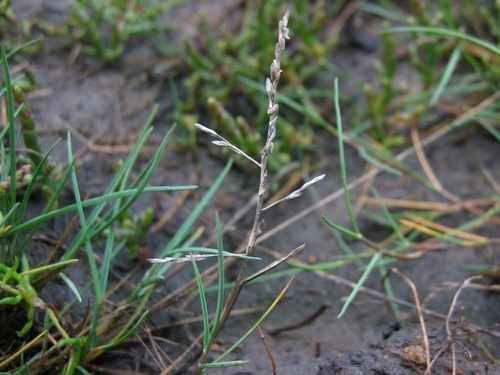
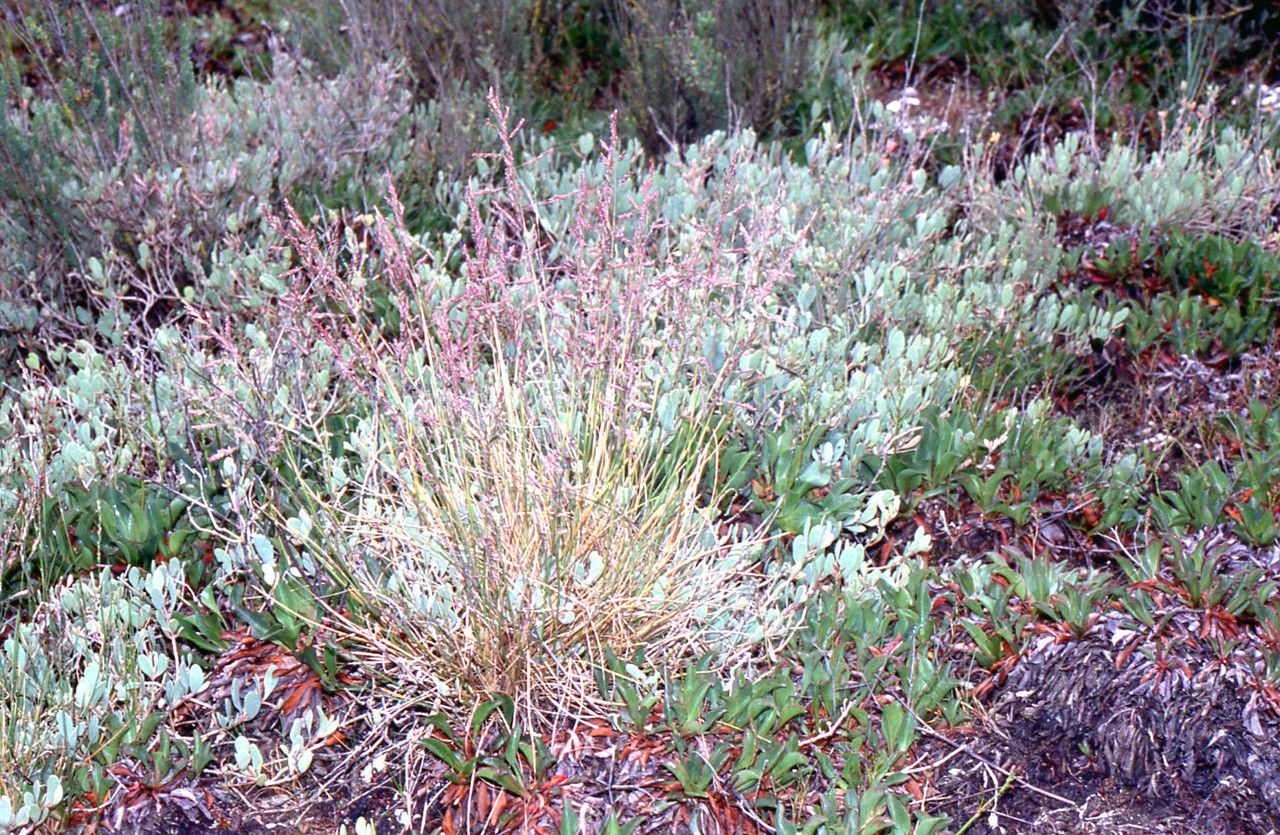
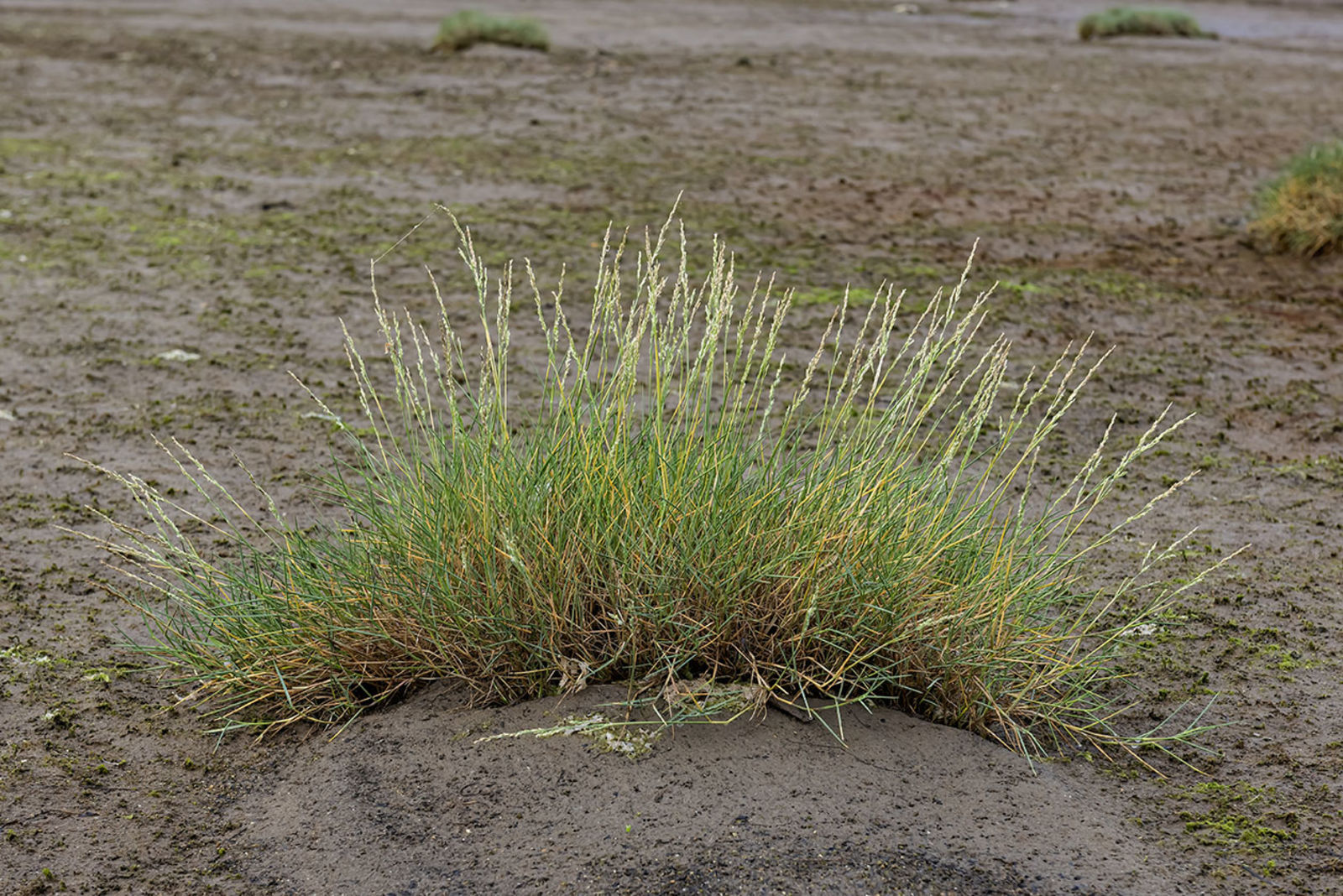
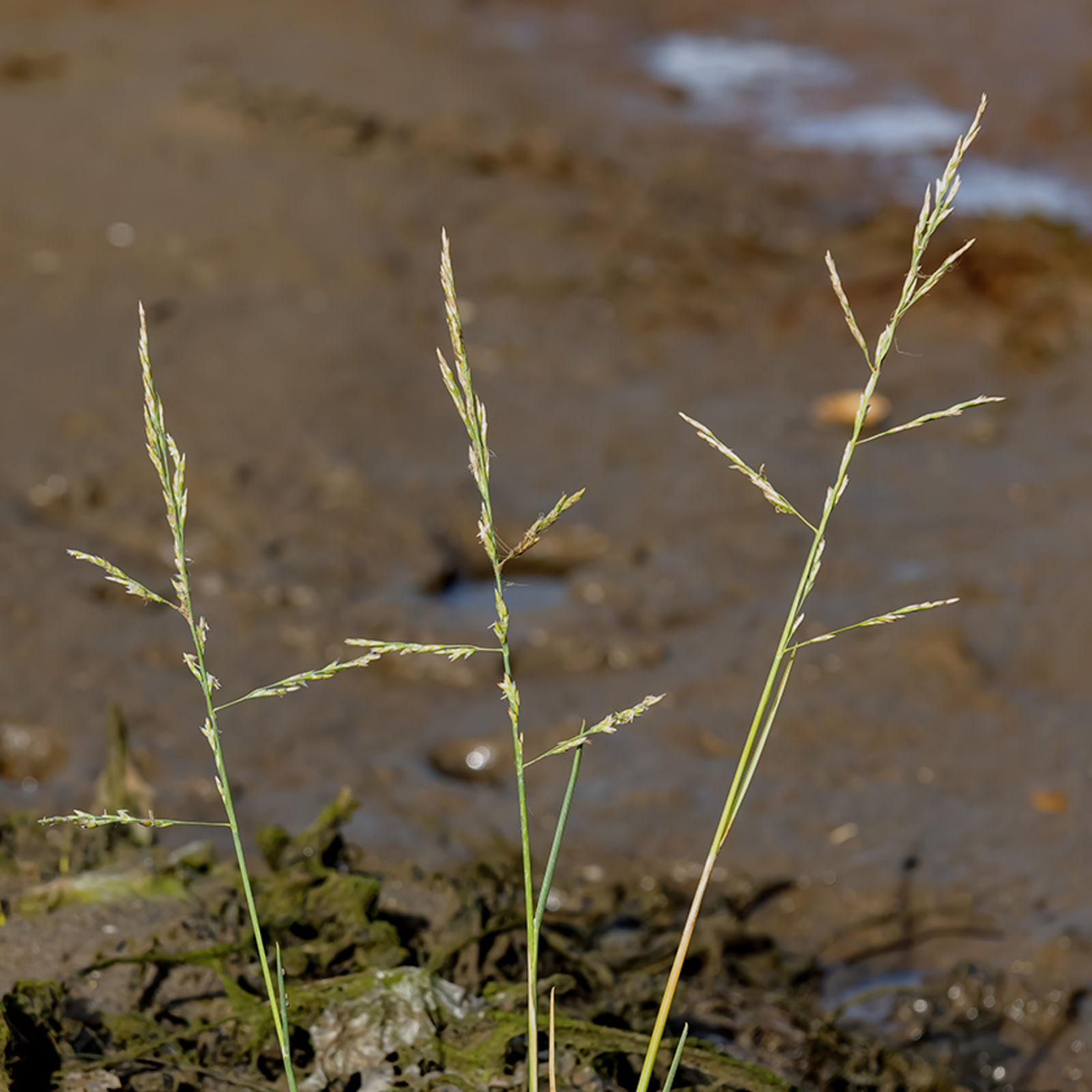
A perennial grass species adapted to saline coastal environments, forming dense tufts with fine, linear leaves and small, inconspicuous flowers.
Benefits & Perks
["drought tolerant","shade tolerant","wildlife attractant (bees, butterflies, birds)"]
Botanical Classification
| Phylum: | Magnoliophyta |
| Class: | Liliopsida |
| Order: | Poales |
| Family: | Poaceae |
| Genus: | Puccinellia |
| Botanical Name: | Puccinellia maritima |
Plant Characteristics
Basic Information
- Category: Grasses
- Suitable Location: coastal areas or saline environments, often in salt marshes or near tidal zones
- Suitable For:
- Is Weed: No
- Allergenicity: low
Environmental Needs
- Climate: {"temperatureRange":"0–25°C"}
- Hardiness: {"zones":"5–9"}
- Misting: rarely required
- Drainage: Fast-draining.
- Soil Type: Saline-tolerant, sandy or loamy soil with good drainage.
Maintenance Level
- Maintenance Level: very low
- Toughness Level: high
- Pruning Frequency: As needed, typically after flowering or in late winter.
- Pruning Intensity: Light pruning.
Care Details
Ideal Sunlight Coverage:
Full sun (6–8 hours/day). Tolerates coastal conditions with high light intensity.
Sunlight Tolerance Tips:
Acclimate gradually if moving from shade to full sun; protect from intense midday sun in hot climates; suitable for coastal or saline environments.
Care Requirements
Care Difficulty
easyeasy
Sunlight
full sun to partial shade
Full sun exposure; coastal tolerance; avoid deep shade.
Watering
every 7–10 days, allowing soil to dry slightly between waterings
Maintain even soil moisture; avoid letting soil dry out completely; ensure good drainage to prevent salinity buildup.
Soil
salty, sandy, or loamy soil with good drainage
pH: Slightly alkaline (pH 7.5–8.5).
Ensure good drainage; tolerate saline conditions; avoid waterlogged soil.
Temperature
Cool to moderate temperatures (10–25°C). Tolerates frost and coastal winds.
Protect from extreme heat; tolerate frost; coastal conditions preferred.
Fertilizing
every 2–3 months during active growth
Fertilize sparingly; use low-salt formulations; apply before active growth.
Propagation
Methods
Seed or division. Seeds germinate readily in saline conditions.
Step-by-Step Propagation Guide
- Collect seeds or divide clumps.
- Sow seeds or replant divisions.
- Keep moist.
- Provide light.
Best Time: Spring or early summer when temperatures are mild.
Environment
Warm, humid conditions with good air circulation.
Medium
Coarse sand or saline-tolerant soil mix with perlite.
Hormone
Not required for seeds; rooting hormone optional for division.
Timeline
Seeds germinate in 2–4 weeks; division establishes in 4–6 weeks.
Tools Needed
Hand trowel, seed trays, pruners.
Quick Tips
Use saline-tolerant medium; keep consistently moist; protect from extreme temperatures.
Pruning & Repotting
Pruning Guide
Method
Trim back dead stems; remove yellowing leaves.
Pruning Plan
Minimal pruning needed. Remove dead or damaged foliage to maintain appearance.
Tools
Hand pruners, scissors.
Checklist
Sanitize tools; remove dead growth; avoid over-pruning.
Repotting Guide
Best Season
Early spring before active growth.
Pot Size
One size up; ensure container has drainage holes.
Method
Use saline-tolerant soil mix; ensure good drainage; gently tease out roots if compacted.
Suggestions
Not typically required unless grown in containers. Repot every 2–3 years to refresh soil.
Checklist
Use appropriate soil; check drainage; handle roots gently; water after repotting.
Advanced Care Tips
Watering Mastery
Watering Checklist
Check soil moisture before watering; water deeply; ensure drainage; use appropriate water source.
How to Apply Water Properly
Water deeply at the root zone, allowing water to penetrate several inches. Water early in the day to minimize evaporation and salt accumulation on foliage.
Watering Schedule Tips
Water regularly, ensuring soil remains consistently moist but not waterlogged. Reduce frequency in winter to prevent root rot.
Soil Improvement
Add coarse sand or perlite to improve drainage; incorporate organic matter for structure.
Temperature Stress Management
Signs of Temperature Issues
Wilting in extreme heat; chlorosis or necrosis in excessive cold; stunted growth in unsuitable temperatures.
Cold Stress
Leaves may turn yellow or brown; growth slows; roots may become less efficient in nutrient uptake.
Solution: Provide wind protection; avoid overwatering in cold; use frost cloth if temperatures drop below freezing.
Hot Stress
Leaf scorch; wilting; reduced photosynthesis; salt accumulation in leaves.
Solution: Increase watering frequency; provide partial shade during peak heat; improve air circulation.
Fertilizing Guide
Fertilizing Checklist
Use balanced fertilizer; dilute to half strength; apply in spring; avoid high nitrogen.
Fertilizing Method
Low fertility needs. Apply a balanced, slow-release fertilizer in early spring at half strength. Avoid high-nitrogen fertilizers.
Common Problems & Solutions
Toxicity Warning
Cats
Non-toxicPuccinellia maritima is not known to be toxic to cats. It does not pose a significant risk if ingested or handled.
⚡ Toxic If:
None
Dogs
Non-toxicPuccinellia maritima is not known to be toxic to dogs. It does not pose a significant risk if ingested or handled.
⚡ Toxic If:
None
Humans
Non-toxicPuccinellia maritima is not known to exhibit toxic properties to humans. It is generally considered safe for consumption and handling.
⚡ Toxic If:
None
Frequently Asked Questions
Q: Is Puccinellia maritima suitable for garden planting?
A: It is best suited for coastal or saline environments and may not thrive in typical garden settings.
Q: Does this plant require special care?
A: It is highly tolerant of salt and requires minimal maintenance once established.
Q: Does it attract wildlife?
A: Yes, it provides habitat and food for coastal wildlife, including birds and insects.
Quick Reference
| Family: | Poaceae |
| Care: | easy |
| Light: | full sun to partial shade |
| Water: | every 7–10 days, allowing so |
Get Expert Care Tips
Download the Plantious app for personalized care reminders and plant identification!
Google Play App Store