Italian Garlic
allium pendulinum
Also known as: ["Garlic Allium","Pendulous Garlic"]
Overview
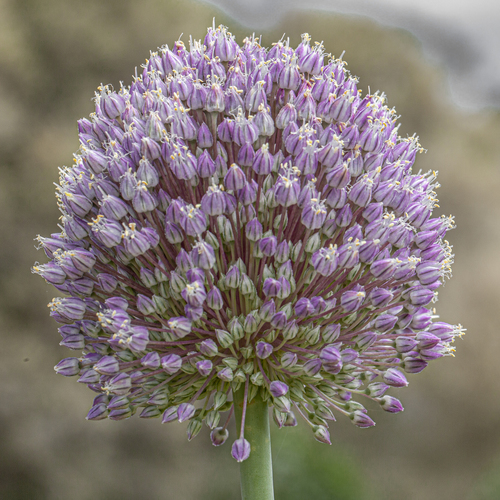
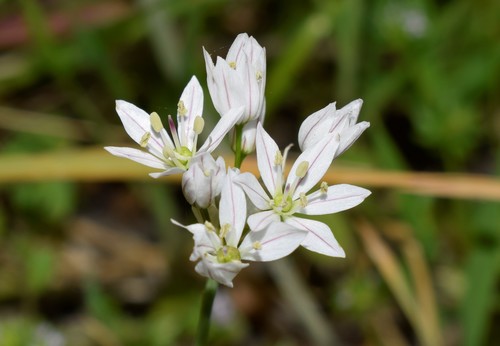
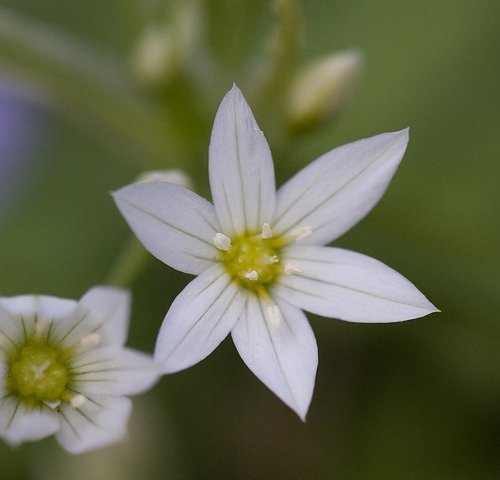
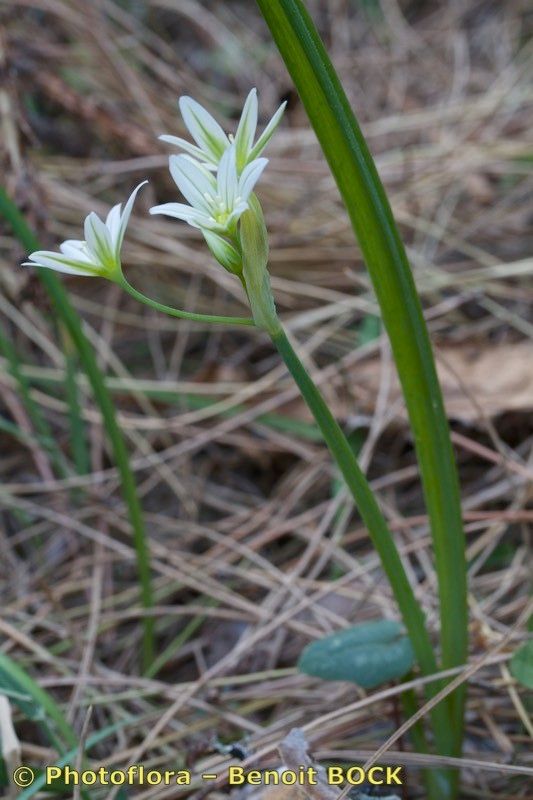
A bulbous perennial herb native to Italy, characterized by its pendulous, bell-shaped flowers and garlic-scented foliage.
Benefits & Perks
["fragrant flowers","wildlife attractant (bees, butterflies, birds)","drought tolerant"]
Botanical Classification
| Phylum: | Magnoliophyta |
| Class: | Liliopsida |
| Order: | Asparagales |
| Family: | Amaryllidaceae |
| Genus: | Allium |
| Botanical Name: | Allium pendulinum |
Plant Characteristics
Basic Information
- Category: Flowers
- Suitable Location: border plantings or rock gardens in temperate regions
- Suitable For:
- Is Weed: No
- Allergenicity: low
Environmental Needs
- Climate: {"temperatureRange":"0–30°C"}
- Hardiness: {"zones":"7–9"}
- Misting: rarely required, only if ambient humidity is very low
- Drainage: Fast-draining.
- Soil Type: Well-draining, loamy soil with added organic matter.
Maintenance Level
- Maintenance Level: low
- Toughness Level: moderate
- Pruning Frequency: As needed after flowering; clean up foliage in late fall.
- Pruning Intensity: Light pruning.
Care Details
Ideal Sunlight Coverage:
Full sun to partial shade (4–6 hours of direct sunlight daily); tolerates light shade in hotter climates.
Sunlight Tolerance Tips:
Acclimate plants gradually to full sun if moved from shade; protect from intense midday sun in hot regions; ensure good air circulation to prevent fungal issues.
Care Requirements
Care Difficulty
easymoderate
Sunlight
full sun to partial shade
Rotate pots for even growth; use shade cloth in extreme heat; avoid placing in drafty areas.
Watering
every 7–10 days during active growth, reduce in winter
Water deeply but infrequently to encourage deep root growth; allow soil to dry slightly between waterings; avoid overhead watering to prevent fungal issues.
Soil
well-drained, fertile, sandy loam
pH: Slightly acidic to neutral (pH 6.0–7.0).
Avoid heavy clay soils; ensure good aeration; mulch to retain moisture.
Temperature
Prefers cool to moderate temperatures (60–75°F or 15–24°C); tolerates mild frosts but avoid prolonged freezing.
Protect from frost; ensure good air circulation; adjust watering based on temperature fluctuations.
Fertilizing
every 4–6 weeks during spring and summer
Fertilize lightly at planting time; apply fertilizer before new growth emerges; water thoroughly after fertilizing.
Propagation
Methods
Seed propagation or division of bulbs.
Step-by-Step Propagation Guide
- Collect seeds or dig up bulbs.
- Prepare medium.
- Sow seeds or divide bulbs.
- Provide appropriate care.
- Transplant when established.
Best Time: Divide bulbs in late summer or early fall; sow seeds in autumn for overwintering.
Environment
Cool temperatures (50–60°F or 10–15°C) for seeds; warm, humid conditions for bulb division.
Medium
Well-draining soil mix with added perlite or sand for seeds; use bulb compost for division.
Hormone
Not necessary for bulb division; optional for seedlings to encourage root development.
Timeline
Seeds may take 1–2 years to germinate; bulbs can be divided and replanted in the same season.
Tools Needed
Garden trowel, pruners, seed trays, bulb dibber.
Quick Tips
Sow seeds shallowly; ensure bulbs are planted at the correct depth; protect young plants from pests.
Pruning & Repotting
Pruning Guide
Method
Snip flower stalks at the base; cut foliage back after it yellows and dies.
Pruning Plan
Minimal pruning required; remove spent flower stalks to encourage bulb development; trim dead foliage in fall.
Tools
Hand pruners, scissors.
Checklist
Remove dead or damaged foliage; cut flower stalks after blooming; clean tools after use.
Repotting Guide
Best Season
Late summer or early fall after dormancy ends.
Pot Size
Use a pot 1–2 inches larger in diameter than the previous one.
Method
Gently lift bulbs; remove old soil; replant at the same depth in fresh, well-draining soil.
Suggestions
Repot only when bulbs become crowded or every 2–3 years; avoid disturbing bulbs unnecessarily.
Checklist
Check for crowded bulbs; use fresh soil mix; ensure proper drainage; water lightly after repotting.
Advanced Care Tips
Watering Mastery
Watering Checklist
Check soil moisture before watering; water deeply at the base; ensure proper drainage; adjust frequency based on weather and growth stage.
How to Apply Water Properly
Water at the base of the plant, targeting the root zone; ensure water penetrates deeply to reach the bulb; water early in the day to minimize evaporation and fungal growth.
Watering Schedule Tips
Water moderately during active growth in spring; reduce watering in summer dormancy; keep soil consistently moist but not waterlogged in fall for bulb development.
Soil Improvement
Add perlite or coarse sand for drainage; incorporate compost for fertility; ensure soil is loose and airy.
Temperature Stress Management
Signs of Temperature Issues
Wilting, yellowing leaves, or stunted growth in excessive heat; leaf damage or bulb rot in cold stress.
Cold Stress
Low temperatures can damage foliage and inhibit bulb development; prolonged freezing may kill the bulb.
Solution: Mulch heavily around the base in winter; move potted plants to a sheltered location; avoid overwatering in cold conditions.
Hot Stress
Excessive heat can cause foliage to scorch, reduce flowering, and stress the bulb.
Solution: Provide afternoon shade; water deeply during dry spells; use mulch to retain soil moisture.
Fertilizing Guide
Fertilizing Checklist
Use balanced fertilizer; apply in early spring; avoid over-fertilizing; stop feeding in summer.
Fertilizing Method
Use a balanced, slow-release fertilizer in early spring; avoid high-nitrogen fertilizers; discontinue feeding during dormancy.
Common Problems & Solutions
Toxicity Warning
Cats
Slightly ToxicCats are particularly sensitive to Allium species, and ingestion of Allium pendulinum can cause oxidative damage to red blood cells, leading to hemolytic anemia. Even small amounts can be harmful.
⚠️ Symptoms:
🌿 Toxic Parts:
⚡ Toxic If:
if eaten
Dogs
Slightly ToxicIn dogs, ingestion of Allium pendulinum can lead to oxidative damage to red blood cells, potentially causing hemolytic anemia. The toxicity is generally mild but can be more severe in sensitive individuals.
⚠️ Symptoms:
🌿 Toxic Parts:
⚡ Toxic If:
if eaten
Humans
Slightly ToxicAllium pendulinum contains compounds that can cause mild gastrointestinal irritation upon ingestion. The plant's sulfur-containing compounds are responsible for its characteristic odor and potential toxicity.
⚠️ Symptoms:
🌿 Toxic Parts:
⚡ Toxic If:
if eaten
Frequently Asked Questions
Q: Is Allium pendulinum edible?
A: Yes, the bulbs and leaves are edible but should be consumed in moderation due to their pungent flavor and mild toxicity.
Q: How often should I water Allium pendulinum?
A: Water sparingly, allowing the soil to dry between waterings, as it is drought-tolerant.
Q: Does Allium pendulinum attract wildlife?
A: Yes, it attracts bees, butterflies, and birds due to its fragrant flowers.
Quick Reference
| Family: | Amaryllidaceae |
| Care: | easy |
| Light: | full sun to partial shade |
| Water: | every 7–10 days during activ |
Get Expert Care Tips
Download the Plantious app for personalized care reminders and plant identification!
Google Play App Store