German Garlic, Curly Onion
allium senescens
Also known as: ["Curly Leaved Garlic","Looping Onion"]
Overview
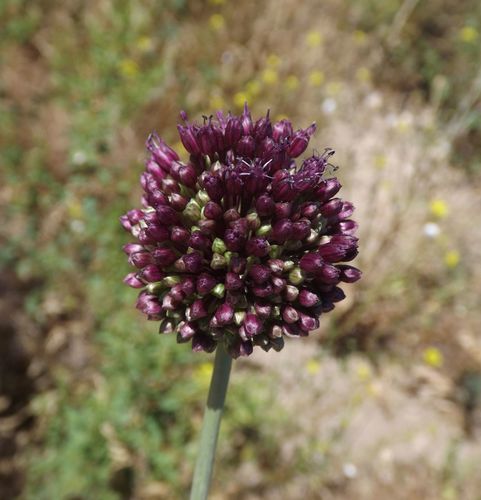
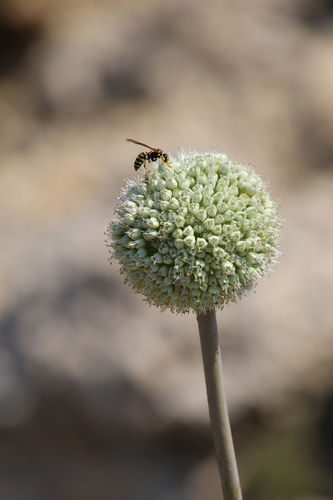
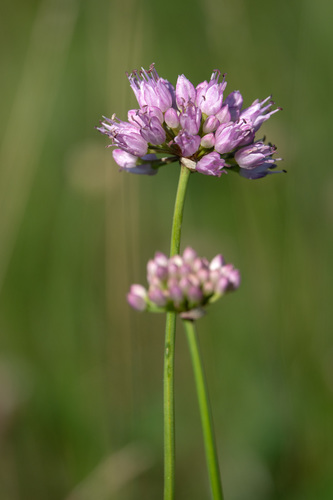
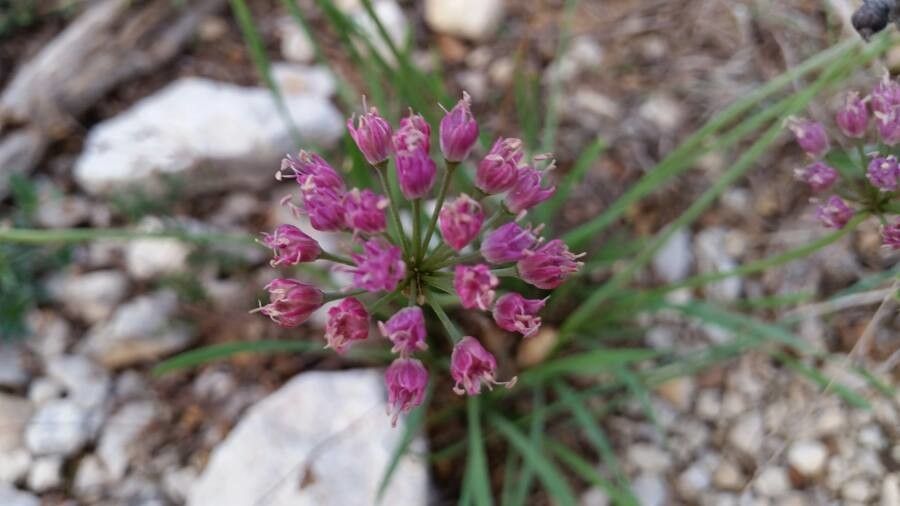
A perennial bulbous plant with unique, spiraling or curled leaves and lavender-pink flowers in summer.
Benefits & Perks
["drought tolerant","deer resistant","wildlife attractant (bees, butterflies, birds)","low maintenance","aesthetic foliage"]
Botanical Classification
| Phylum: | Magnoliophyta |
| Class: | Liliopsida |
| Order: | Asparagales |
| Family: | Amaryllidaceae |
| Genus: | Allium |
| Botanical Name: | Allium senescens |
Plant Characteristics
Basic Information
- Category: Flowers
- Suitable Location: border plantings, rock gardens, or raised beds
- Suitable For:
- Is Weed: No
- Allergenicity: low
Environmental Needs
- Climate: {"temperatureRange":"–30–30°C"}
- Hardiness: {"zones":"4–9"}
- Misting: rarely required
- Drainage: Fast-draining
- Soil Type: Loamy, sandy soil with good organic matter.
Maintenance Level
- Maintenance Level: low
- Toughness Level: high
- Pruning Frequency: After flowering; as needed to tidy foliage.
- Pruning Intensity: Light
Care Details
Ideal Sunlight Coverage:
Full sun (6–8 hours/day); tolerates partial shade in hot climates.
Sunlight Tolerance Tips:
Acclimate gradually to intense sun; protect from harsh afternoon sun in summer; ensure good air circulation.
Care Requirements
Care Difficulty
easymoderate
Sunlight
full sun to partial shade
Rotate pot for even growth; use sheer curtains in intense sun; avoid deep shade.
Watering
every 7–10 days during active growth, reduce in winter
Water at the base to avoid foliage; ensure soil dries slightly between waterings; avoid overwatering.
Soil
well-drained, sandy loam with moderate fertility
pH: Slightly acidic to neutral (pH 6.0–7.0).
Ensure soil dries between waterings; avoid heavy clay; amend with organic matter.
Temperature
Hardy in USDA zones 4–8; prefers cool summers; tolerates cold winters.
Protect from extreme heat; ensure winter drainage; adjust watering with temperature.
Fertilizing
every 4–6 weeks during spring and summer
Fertilize sparingly; avoid foliage burn; apply before active growth.
Propagation
Methods
Division of bulbs or root cuttings.
Step-by-Step Propagation Guide
- Dig up bulbs.
- Separate offsets.
- Replant at proper depth.
- Water lightly.
Best Time: Early spring or fall when plants are dormant.
Environment
Cool, shaded area with moderate humidity.
Medium
Well-draining soil mix with sand or perlite.
Hormone
Not typically required for bulb division.
Timeline
Bulbs establish in 1–2 months; flowering may take a season.
Tools Needed
Garden fork, clean knife, gloves.
Quick Tips
Divide every 3–4 years; replant bulbs at original depth; water sparingly until established.
Pruning & Repotting
Pruning Guide
Method
Snip flower stalks at base; remove yellowed leaves.
Pruning Plan
Minimal pruning needed; remove spent flower stalks to encourage bulb development.
Tools
Hand pruners, gloves.
Checklist
Remove deadheads; cut back only as needed; sanitize tools.
Repotting Guide
Best Season
Early spring before active growth.
Pot Size
One size larger pot; ensure good drainage holes.
Method
Gently lift bulbs; trim dead roots; replant in fresh, well-draining soil.
Suggestions
Repot only when bulbs become crowded or every 3–4 years.
Checklist
Check root health; use fresh soil; ensure proper depth; water lightly.
Advanced Care Tips
Watering Mastery
Watering Checklist
Check soil moisture; water deeply; ensure drainage; avoid wetting foliage.
How to Apply Water Properly
Water directly at the root zone until soil is moist but not waterlogged; ensure water penetrates the root ball; allow excess to drain away.
Watering Schedule Tips
Water deeply once a week during active growth; reduce frequency in winter; adjust based on rainfall and soil moisture.
Soil Improvement
Add sand or perlite for drainage; incorporate compost for fertility.
Temperature Stress Management
Signs of Temperature Issues
Leaf yellowing in excessive heat; stunted growth in cold; bulb rot in waterlogged cold soil.
Cold Stress
Slows growth; may cause foliage discoloration; bulbs can rot if soil is too wet.
Solution: Ensure well-draining soil; mulch bulbs in winter; avoid overwatering.
Hot Stress
Bulbs may fail to develop; foliage wilts; flowering diminishes.
Solution: Provide afternoon shade; water deeply but infrequently; use mulch to retain moisture.
Fertilizing Guide
Fertilizing Checklist
Use balanced fertilizer; apply in spring; avoid over-fertilization.
Fertilizing Method
Use balanced, slow-release fertilizer in early spring; avoid high-nitrogen formulas; discontinue in late summer.
Common Problems & Solutions
Toxicity Warning
Cats
ToxicCats are highly sensitive to the toxic compounds in Allium senescens, which can cause severe oxidative damage to red blood cells, leading to hemolytic anemia. Even small amounts can be harmful.
⚠️ Symptoms:
🌿 Toxic Parts:
⚡ Toxic If:
if eaten
Dogs
ToxicIn dogs, ingestion of Allium senescens can lead to oxidative damage to red blood cells, resulting in hemolytic anemia. The toxic compounds are similar to those in onions and garlic, which are known to be harmful to canines.
⚠️ Symptoms:
🌿 Toxic Parts:
⚡ Toxic If:
if eaten
Humans
ToxicAllium senescens contains compounds similar to those found in onions and garlic, which can cause oxidative damage to red blood cells, leading to hemolytic anemia. The toxicity is due to the presence of thiosulfates and organosulfur compounds.
⚠️ Symptoms:
🌿 Toxic Parts:
⚡ Toxic If:
if eaten
Frequently Asked Questions
Q: Is Allium senescens deer resistant?
A: Yes, it is generally deer resistant due to its onion-like scent.
Q: How should I care for Allium senescens?
A: Plant in full sun to partial shade with well-drained soil. Water moderately and reduce watering in winter.
Q: Does Allium senescens attract pollinators?
A: Yes, its flowers attract bees, butterflies, and other pollinators.
Quick Reference
| Family: | Amaryllidaceae |
| Care: | easy |
| Light: | full sun to partial shade |
| Water: | every 7–10 days during activ |
Get Expert Care Tips
Download the Plantious app for personalized care reminders and plant identification!
Google Play App Store