Husk Strawberry
fragaria moschata
Also known as: ["Alpine Strawberry","Husked Strawberry"]
Overview
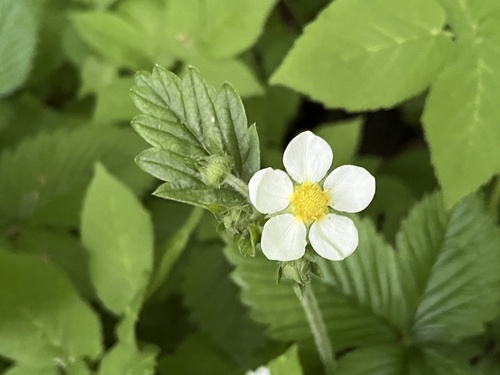
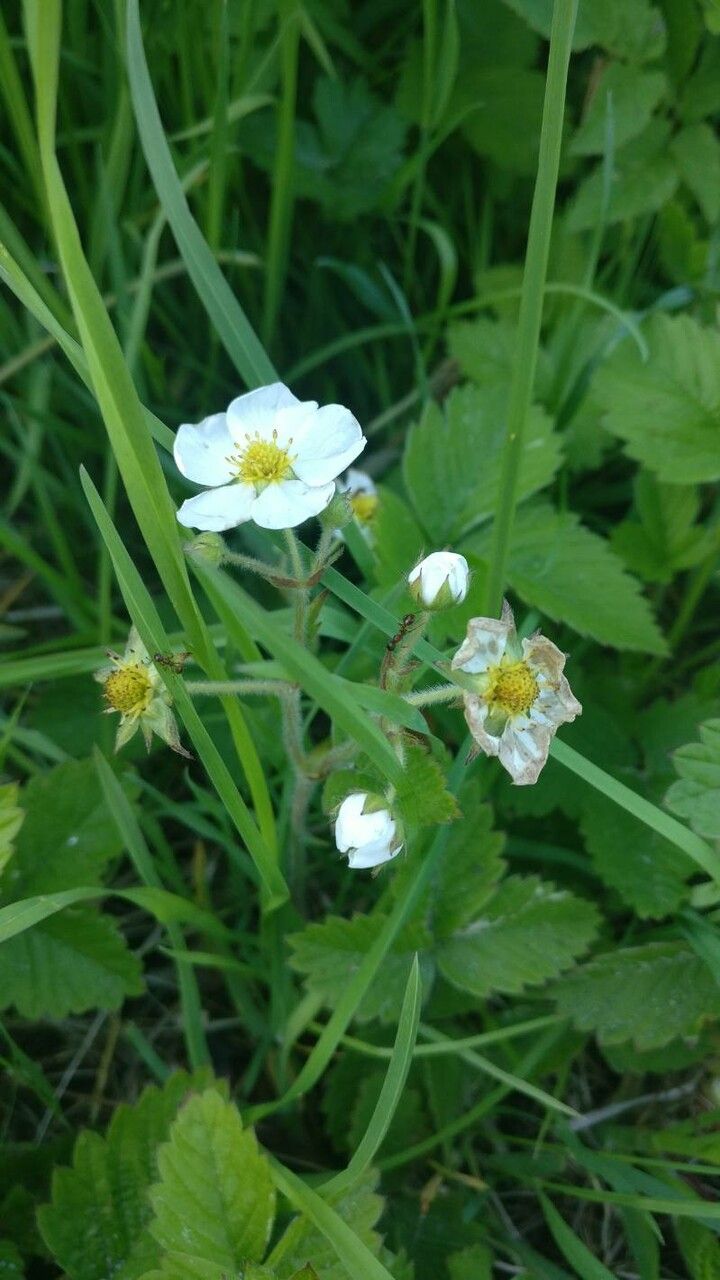
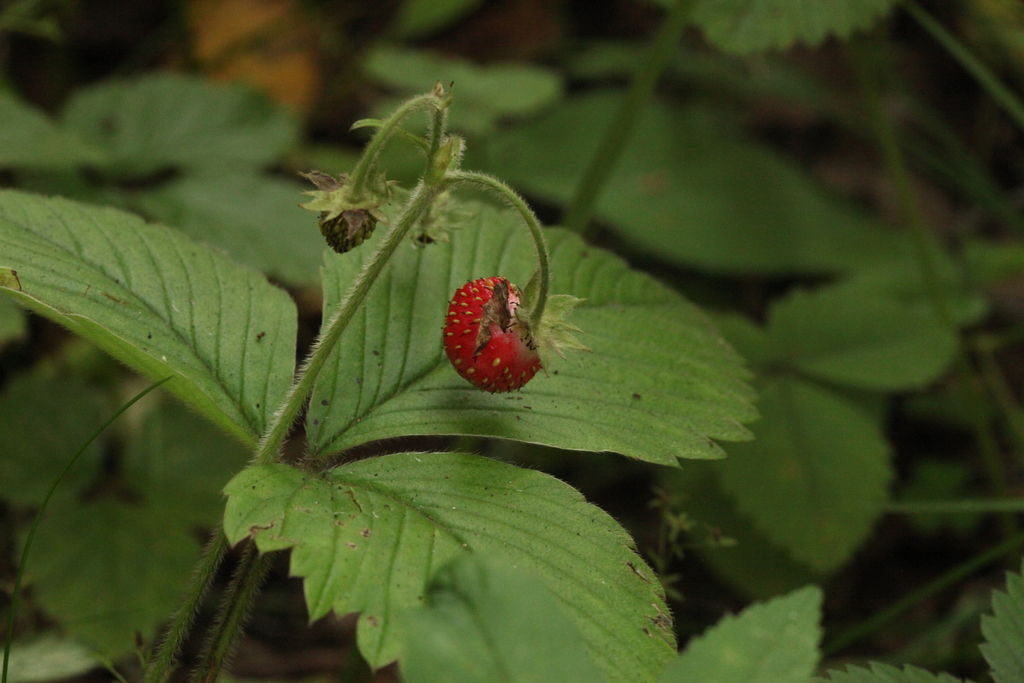
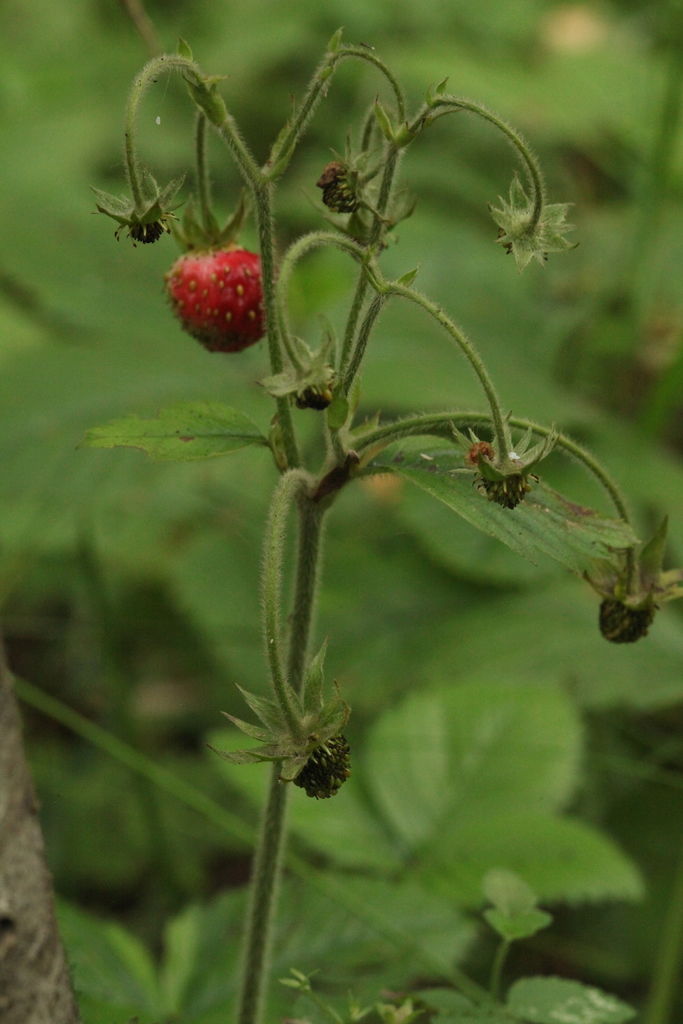
A species of strawberry native to Central Europe, known for its fragrant, small, and husk-enclosed fruits.
Benefits & Perks
["edible fruits","fragrant flowers","wildlife attractant (bees, butterflies, birds)"]
Botanical Classification
| Phylum: | Magnoliophyta |
| Class: | Magnoliopsida |
| Order: | Rosales |
| Family: | Rosaceae |
| Genus: | Fragaria |
| Botanical Name: | Fragaria moschata |
Plant Characteristics
Basic Information
- Category: Fruits
- Suitable Location: garden bed or container in a location with good air circulation
- Suitable For:
- Is Weed: No
- Allergenicity: low
Environmental Needs
- Climate: {"temperatureRange":"5–30°C"}
- Hardiness: {"zones":"5–8"}
- Misting: rarely required, only if ambient humidity is very low
- Drainage: Fast-draining to prevent root rot; avoid heavy clay soils unless amended with sand or perlite.
- Soil Type: Well-draining, loamy soil with added organic matter (compost or aged manure); slightly acidic to neutral pH.
Maintenance Level
- Maintenance Level: moderate
- Toughness Level: moderate
- Pruning Frequency: Annually after fruiting; light pruning can be done in early spring to remove dead or damaged canes.
- Pruning Intensity: Moderate; remove 1/3 to 1/2 of the oldest canes each year to maintain vigor and productivity.
Care Details
Ideal Sunlight Coverage:
Full sun (6–8 hours/day) in spring/summer; partial shade (4–6 hours/day) in hot summer afternoons; bright indirect light in winter if grown indoors.
Sunlight Tolerance Tips:
Acclimate plants gradually to full sun to prevent scorching; provide shade during peak summer heat; for indoor growth, place near a south-facing window with filtered light.
Care Requirements
Care Difficulty
easyeasy
Sunlight
full sun to partial shade
Rotate plants weekly for even growth; use shade cloth in intense summer heat; avoid direct afternoon sun in hottest months.
Watering
every 5–7 days during active growth, reduce in winter
Water at the base to avoid foliage wetting; ensure soil is moist but not waterlogged; adjust frequency based on weather and growth stage.
Soil
well-draining, fertile loam with added organic matter
pH: 6.0–6.5 (slightly acidic to neutral).
Ensure good drainage to prevent root rot; maintain consistent moisture levels; enrich soil with organic matter annually.
Temperature
Optimal range 60–75°F (15–24°C); tolerates cooler spring/autumn temperatures but requires warmth for fruiting; protect from extreme heat or frost.
Use frost protection in early spring/late fall; water early to avoid heat stress; adjust placement for seasonal temperature shifts.
Fertilizing
every 4–6 weeks during spring and summer with balanced liquid fertilizer
Fertilize before new growth emerges; avoid high-nitrogen formulas to prevent excessive foliage at the expense of fruit; water after fertilizing to distribute nutrients.
Propagation
Methods
Stolons (runners) are the primary method; division of crowns can also be done every 2–3 years.
Step-by-Step Propagation Guide
- Select healthy runner with visible roots.
- Sever from parent plant.
- Plant in prepared medium.
- Keep moist until established.
Best Time: Early spring or late summer when plants are actively growing but not under stress.
Environment
Warm (65–70°F), humid environment with indirect light; protect from strong winds or direct sun.
Medium
Well-draining soil mix with added perlite or sand; can also root runners directly in water or damp peat moss.
Hormone
Not typically required for stolons, but rooting hormone can speed up root development for crown division.
Timeline
Runners root in 4–6 weeks; crown division may take 6–8 weeks to establish.
Tools Needed
Sharp pruners, small pots, rooting medium, water spray bottle.
Quick Tips
Ensure runners have small roots before detaching; keep soil consistently moist but not waterlogged; provide gentle bottom heat if possible.
Pruning & Repotting
Pruning Guide
Method
Cut canes back to the crown level; remove any dead, diseased, or crossing stems; thin out dense growth to allow light and air flow.
Pruning Plan
Remove old, non-productive canes after fruiting to encourage new growth; thin crowded areas to improve air circulation and light penetration.
Tools
Sharp bypass pruners, gloves, clean pruning shears.
Checklist
Sanitize tools; remove old canes; thin dense growth; clean up debris; apply mulch after pruning.
Repotting Guide
Best Season
Early spring before new growth begins; avoid repotting during fruiting or dormancy.
Pot Size
Increase pot size by 2–3 inches in diameter; ensure the new pot has adequate drainage holes.
Method
Gently remove plant; trim any circling roots; place in a new pot with fresh soil mix; water thoroughly after repotting.
Suggestions
Repot every 2–3 years or when the plant becomes root-bound; overcrowding reduces fruit production.
Checklist
Choose appropriate pot size; prepare fresh soil mix; trim roots if necessary; water after repotting; place in appropriate light.
Advanced Care Tips
Watering Mastery
Watering Checklist
Check soil moisture; water at base; ensure drainage; adjust for season; monitor fruit development.
How to Apply Water Properly
Water slowly and deeply at the root zone until water begins to drain from the bottom, ensuring even moisture penetration without runoff. Water early in the morning to minimize evaporation and fungal issues.
Watering Schedule Tips
Water deeply once the top inch of soil feels dry, typically every 5–7 days in spring/summer, reducing frequency to every 10–14 days in fall/winter. Increase watering during fruiting periods.
Soil Improvement
Add compost or well-rotted manure to enhance fertility and structure; incorporate perlite or coarse sand for drainage; use mulch to retain moisture and suppress weeds.
Temperature Stress Management
Signs of Temperature Issues
Chlorosis or necrosis in leaves; stunted growth; bud drop; reduced fruit set; wilting despite adequate water.
Cold Stress
Low temperatures slow growth and can damage flowers/fruit; frost can kill tender tissues, leading to reduced yield or plant death.
Solution: Cover plants with frost cloth or row covers during cold snaps; plant in sheltered locations; avoid watering before freezing temperatures.
Hot Stress
Excessive heat causes leaf scorch, wilting, and reduced photosynthesis; can lead to flower/fruit drop and heat stress in roots.
Solution: Provide shade during peak heat; increase watering frequency; mulch to retain soil moisture; ensure good air circulation.
Fertilizing Guide
Fertilizing Checklist
Choose balanced fertilizer; apply in spring; side-dress during fruiting; avoid late-season feeding.
Fertilizing Method
Use balanced, slow-release fertilizer (10-10-10) in early spring; side-dress with compost or organic fertilizer during fruiting; reduce or stop fertilizing in late summer/fall.
Common Problems & Solutions
Toxicity Warning
Cats
Non-toxicFragaria moschata is non-toxic to cats. The plant is safe for feline consumption, with no known adverse effects from ingestion.
⚡ Toxic If:
None
Dogs
Non-toxicFragaria moschata is non-toxic to dogs. The fruit and other parts of the plant are safe for canine consumption, though excessive intake may cause mild gastrointestinal upset.
⚡ Toxic If:
None
Humans
Non-toxicFragaria moschata, commonly known as musk strawberry, is non-toxic to humans. It is a species of strawberry that is cultivated for its aromatic and flavorful fruit, which is safe for consumption.
⚡ Toxic If:
None
Frequently Asked Questions
Q: Is Fragaria moschata suitable for container gardening?
A: Yes, it can be grown in containers, provided it has adequate drainage and sufficient sunlight.
Q: How often should Fragaria moschata be watered?
A: Water when the top inch of soil feels dry, typically every 3-5 days depending on climate conditions.
Q: Does Fragaria moschata require full sun?
A: It thrives in full sun but can tolerate partial shade, especially in hotter climates.
Quick Reference
| Family: | Rosaceae |
| Care: | easy |
| Light: | full sun to partial shade |
| Water: | every 5–7 days during active |
Get Expert Care Tips
Download the Plantious app for personalized care reminders and plant identification!
Google Play App Store