Tiger Lotus
nymphaea lotus
Also known as: ["White Egyptian Lotus","White Lotus"]
Overview
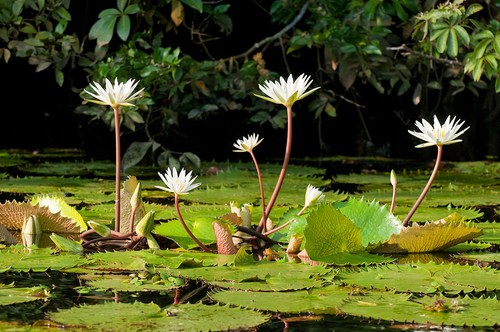
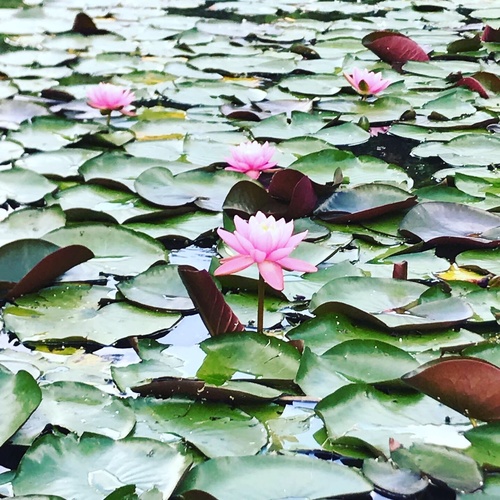
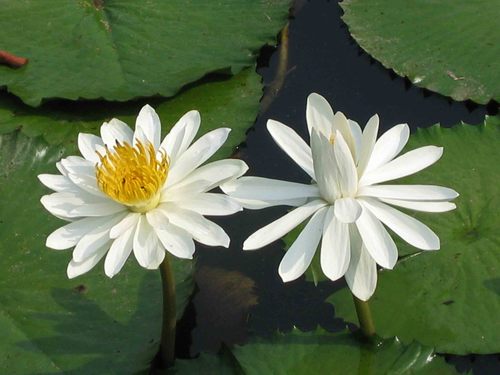
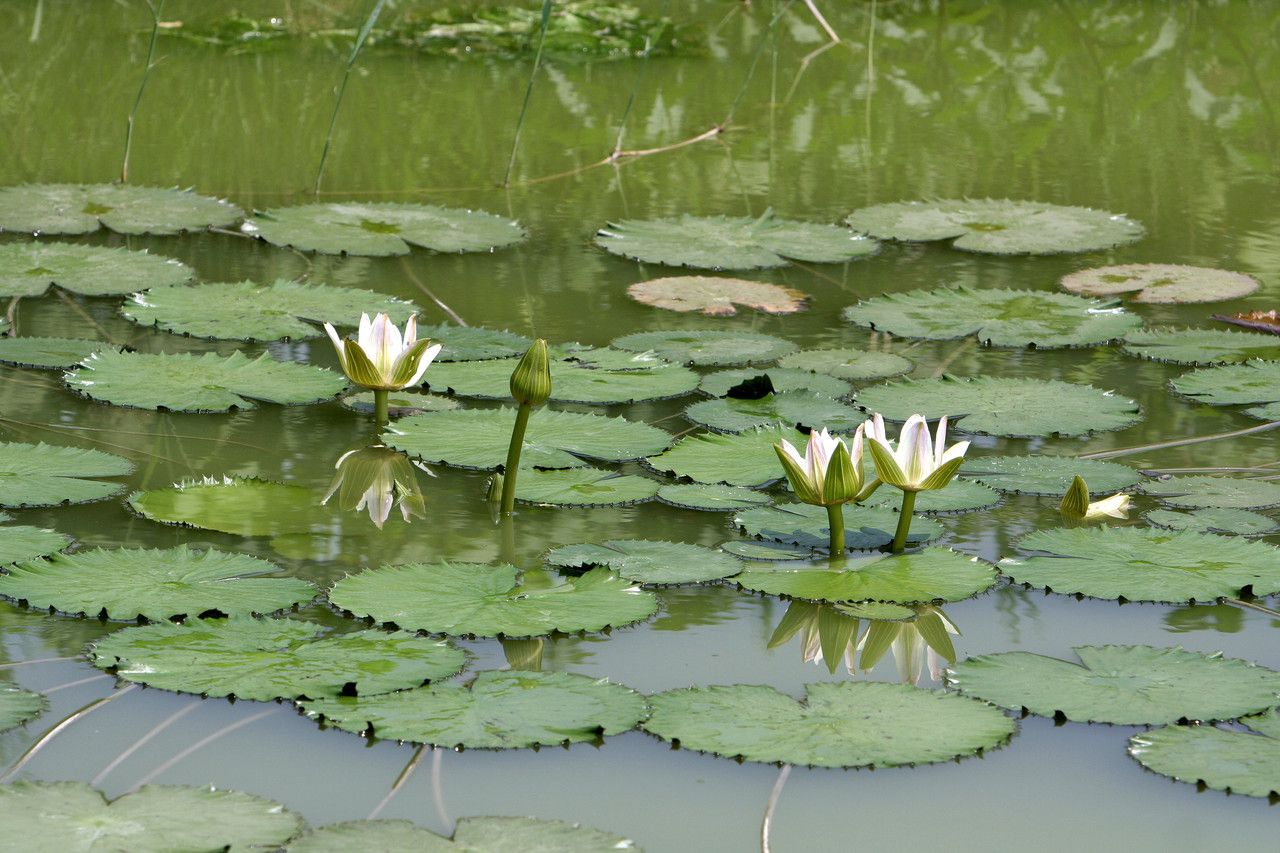
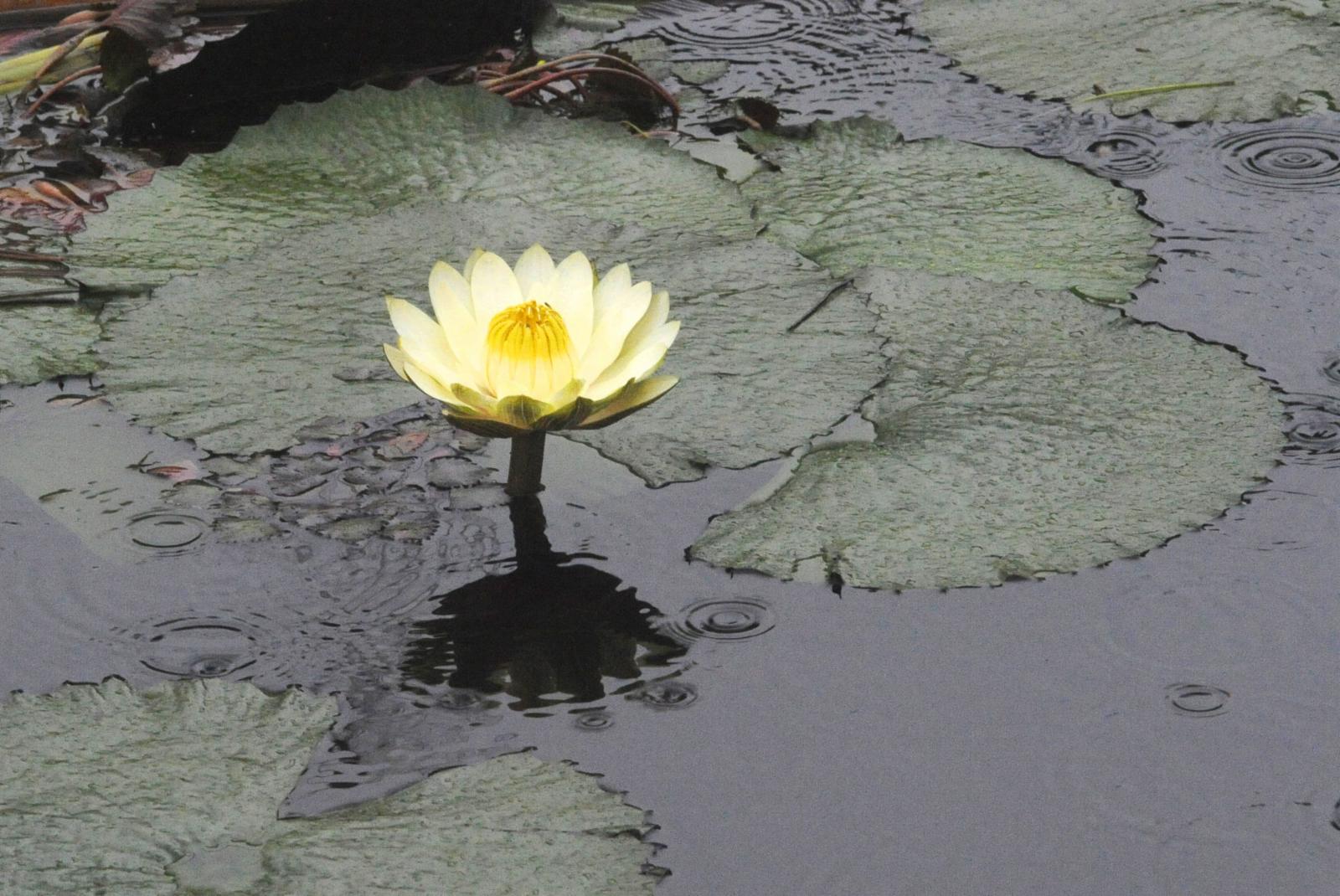
A species of water lily native to Africa, known for its nocturnal blooming and distinctive white flowers with pinkish hues.
Benefits & Perks
["long-flowering","fragrant flowers","wildlife attractant (bees, butterflies, birds)","shade tolerant"]
Botanical Classification
| Phylum: | Magnoliophyta |
| Class: | Magnoliopsida |
| Order: | Nymphaeales |
| Family: | Nymphaeaceae |
| Genus: | Nymphaea |
| Botanical Name: | Nymphaea lotus |
Plant Characteristics
Basic Information
- Category: Flowers
- Suitable Location: Pond or water garden with still or gently flowing water
- Suitable For:
- Is Weed: No
- Allergenicity: low
Environmental Needs
- Climate: {"temperatureRange":"22–30°C"}
- Hardiness: {"zones":"9–11"}
- Misting: Not required
- Drainage: Moderate to fast-draining to prevent waterlogging.
- Soil Type: Aquatic soil mix with sand or fine gravel for stability and drainage.
Maintenance Level
- Maintenance Level: moderate
- Toughness Level: moderate
- Pruning Frequency: As needed, typically every 1–2 months during growing season.
- Pruning Intensity: Light to moderate; focus on removing only dead or damaged parts.
Care Details
Ideal Sunlight Coverage:
Bright indirect light for 6–8 hours daily; adjust to full sun (4–6 hours) in warmer months for optimal blooming.
Sunlight Tolerance Tips:
Acclimate gradually to direct sun to prevent leaf burn; provide shade during peak midday hours; ensure adequate light for blooming but avoid overheating.
Care Requirements
Care Difficulty
moderatemoderate
Sunlight
Full sun to partial shade
Rotate container for even growth; use shade cloth in intense sun; clean leaves for better light absorption.
Watering
Maintain water level at 30–60 cm above rhizome, ensuring still or slow-moving water
Ensure water level covers the rhizome; avoid stagnant water; use dechlorinated water for sensitive species.
Soil
Aquatic planting medium or heavy loam
pH: Slightly acidic to neutral (6.0–7.5).
Use heavy soil to anchor rhizome; avoid lightweight potting mixes; top-dress with gravel for aesthetics.
Temperature
Warm water (75–82°F / 24–28°C) for optimal growth; cooler temperatures (65–70°F / 18–21°C) may slow growth but are tolerated.
Monitor water temperature regularly; use thermal covers in cold; mist foliage in extreme heat.
Fertilizing
Every 4–6 weeks during active growth with aquatic plant fertilizer tablets
Dilute fertilizer to half strength; apply directly to water column; avoid overfertilization to prevent algae blooms.
Propagation
Methods
Division of rhizomes or seed propagation (challenging for home growers).
Step-by-Step Propagation Guide
- Separate healthy rhizome sections with at least one bud.
- Plant in aquatic soil.
- Submerge in water.
- Maintain stable conditions.
Best Time: Spring or early summer when the plant is actively growing.
Environment
Warm, humid conditions with bright indirect light; stable water temperature.
Medium
Aquatic soil or sand-based substrate with added organic matter.
Hormone
Not typically required for rhizome division; optional for seeds.
Timeline
Rhizome division: immediate growth; seeds: 2–3 months to germinate, 6–12 months to mature.
Tools Needed
Sharp knife, aquatic soil, container, dechlorinated water.
Quick Tips
Ensure each division has a bud; use clean tools to prevent disease; maintain water clarity.
Pruning & Repotting
Pruning Guide
Method
Snip or cut away dead foliage at the base; trim overgrown leaves to maintain shape.
Pruning Plan
Remove dead or decaying leaves and flowers to maintain plant health and aesthetics; encourage new growth.
Tools
Aquatic pruning shears, gloves, net for debris removal.
Checklist
Use clean tools; remove yellowing or decaying leaves; trim spent flowers; check for pests.
Repotting Guide
Best Season
Spring or early summer before active growth begins.
Pot Size
Increase pot size by 2–3 inches in diameter; ensure depth allows rhizome to remain submerged.
Method
Lift rhizome carefully; trim roots if necessary; replant in fresh aquatic soil with adequate drainage; submerge to original water level.
Suggestions
Repot when rhizome outgrows container or every 2–3 years to refresh soil and promote growth.
Checklist
Prepare new container; clean rhizome; use fresh soil; maintain water level; acclimate slowly to new conditions.
Advanced Care Tips
Watering Mastery
Watering Checklist
Check water level daily; use dechlorinated water; ensure proper aeration; monitor for stagnation.
How to Apply Water Properly
Water directly into the pond or container, ensuring the rhizome remains submerged; avoid splashing foliage to prevent fungal issues; maintain water clarity for light penetration.
Watering Schedule Tips
Water consistently to maintain 6–12 inches of water above the rhizome; adjust based on evaporation rates and seasonal changes.
Soil Improvement
Add coarse sand or perlite for drainage; incorporate organic matter like peat moss for fertility.
Temperature Stress Management
Signs of Temperature Issues
Yellowing leaves, reduced blooming, stunted growth, or leaf necrosis in extreme conditions.
Cold Stress
Slows metabolic processes, inhibits nutrient uptake, and can lead to root rot in prolonged cold.
Solution: Use water heaters or insulated containers in cold climates; maintain stable water temperature; avoid placing in drafty areas.
Hot Stress
Accelerates water evaporation, causes leaf scorch, and may lead to wilting or premature flowering.
Solution: Provide shade during peak heat; increase water depth; use evaporative cooling methods if needed.
Fertilizing Guide
Fertilizing Checklist
Use aquatic-specific fertilizer; dilute properly; apply during active growth; monitor for algae growth.
Fertilizing Method
Use liquid fertilizer specifically for aquatic plants every 2–4 weeks during growing season; reduce or stop in winter.
Common Problems & Solutions
Toxicity Warning
Cats
Non-toxicNymphaea lotus is not considered toxic to cats. The plant is generally safe for feline consumption, though large quantities may cause mild gastrointestinal upset.
⚠️ Symptoms:
🌿 Toxic Parts:
⚡ Toxic If:
if eaten
Dogs
Non-toxicNymphaea lotus is not considered toxic to dogs. The plant is generally safe for canine consumption, though large quantities may cause mild gastrointestinal upset.
⚠️ Symptoms:
🌿 Toxic Parts:
⚡ Toxic If:
if eaten
Humans
Non-toxicNymphaea lotus, commonly known as the tiger lotus, is generally considered non-toxic to humans. The roots and rhizomes have been used in traditional medicine for their mild sedative and anti-inflammatory properties, but no significant toxic effects have been documented.
⚠️ Symptoms:
🌿 Toxic Parts:
⚡ Toxic If:
if eaten
Frequently Asked Questions
Q: How do I care for a Nymphaea lotus?
A: Provide full sun to partial shade, still or slow-moving water, and nutrient-rich soil. Maintain water temperature between 20-30°C for optimal growth.
Q: Does the Tiger Lotus flower at night?
A: Yes, Nymphaea lotus is a night-blooming water lily, opening its flowers in the evening and closing by morning.
Q: Is the Tiger Lotus edible?
A: While some parts of water lilies are edible, Nymphaea lotus is primarily cultivated for ornamental purposes, and its edibility is not widely documented or recommended.
Quick Reference


| Family: | Nymphaeaceae |
| Care: | moderate |
| Light: | Full sun to partial shade |
| Water: | Maintain water level at 30–6 |
Get Expert Care Tips
Download the Plantious app for personalized care reminders and plant identification!
Google Play App Store