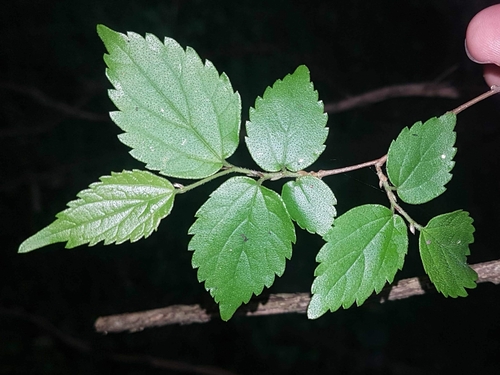
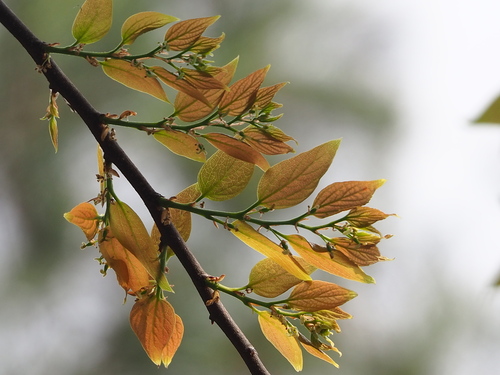
Hackberry
celtis occidentalis
Also known as: ["Common Hackberry","Nettle Tree","Bastard Elm"]
Overview
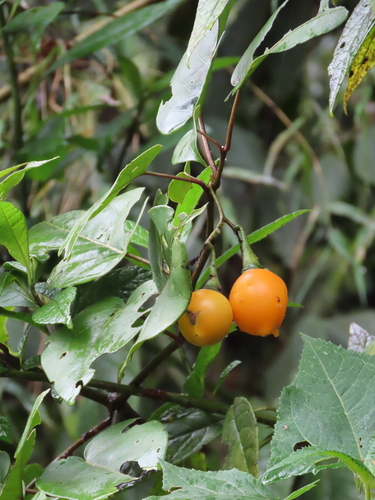
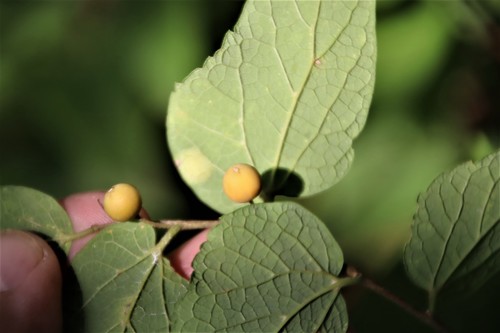
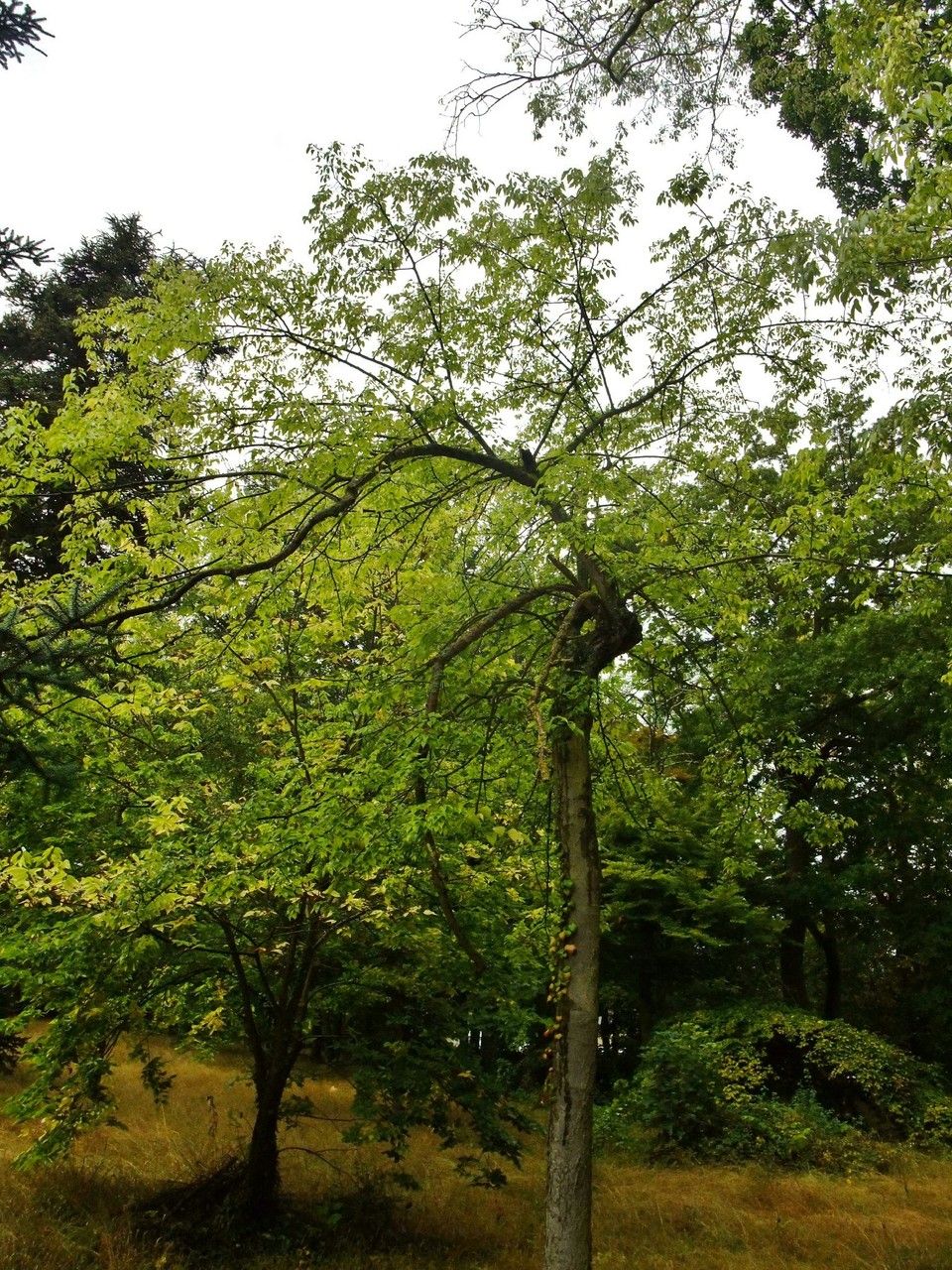
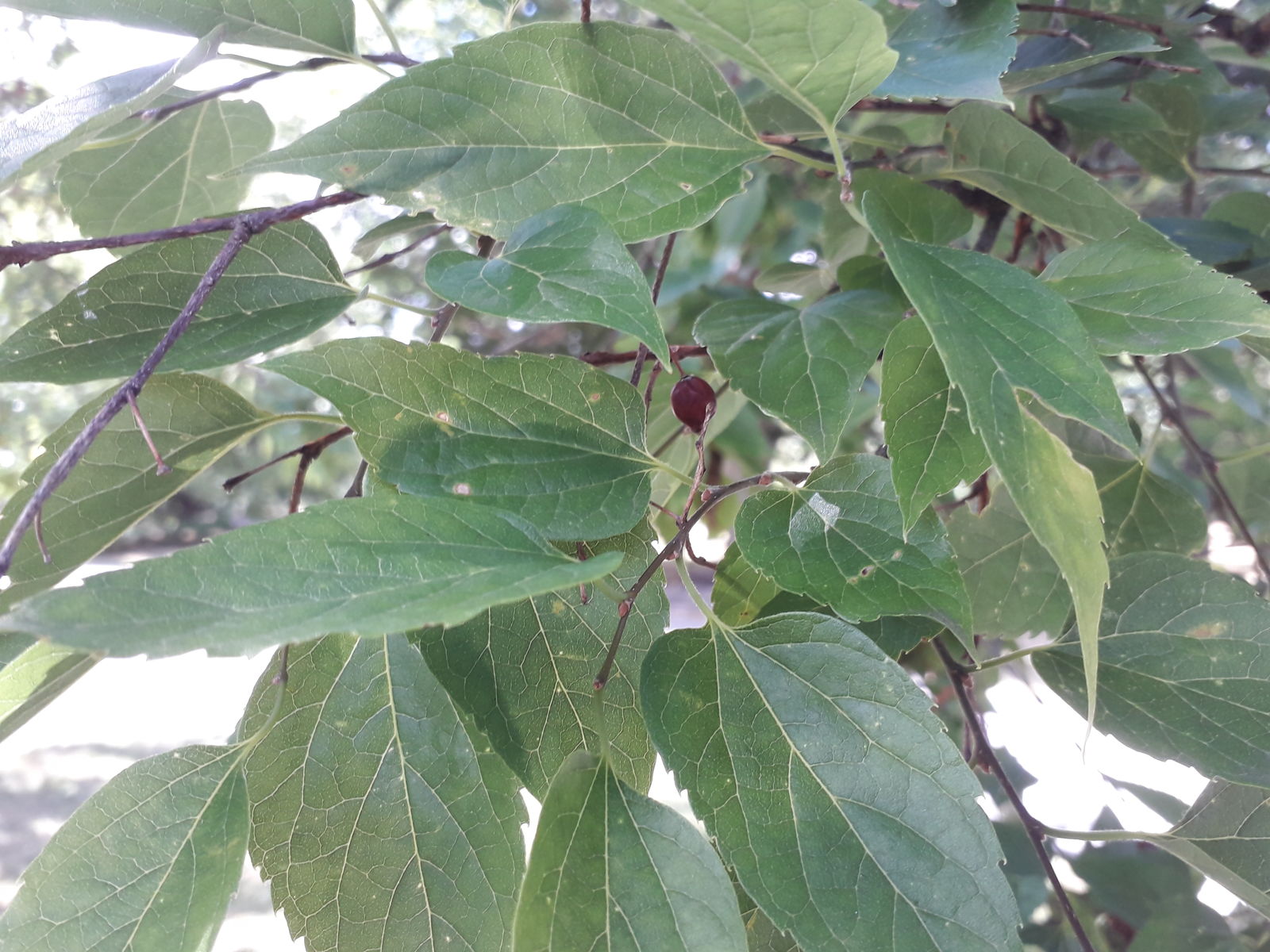
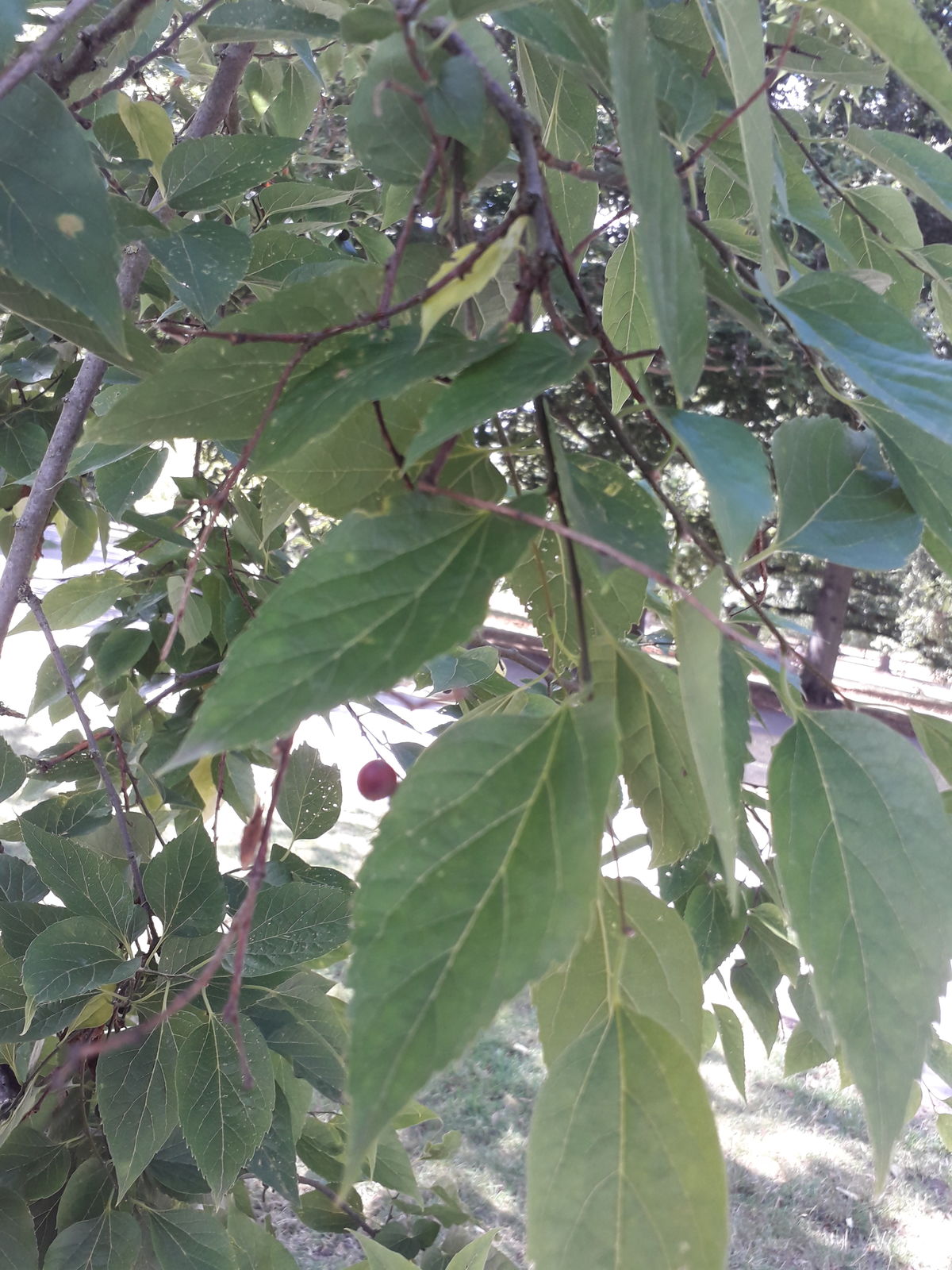
A deciduous tree native to North America, known for its corky bark and small, berry-like fruits.
Benefits & Perks
["wildlife attractant (bees, butterflies, birds)","shade tolerant","drought tolerant"]
Botanical Classification
| Phylum: | Magnoliophyta |
| Class: | Magnoliopsida |
| Order: | Rosales |
| Family: | Cannabaceae |
| Genus: | Celtis |
| Botanical Name: | Celtis occidentalis |
Plant Characteristics
Basic Information
- Category: Trees
- Suitable Location: outdoor landscape, adaptable to various soil types
- Suitable For:
- Is Weed: No
- Allergenicity: low
Environmental Needs
- Climate: {"temperatureRange":"–34–43°C"}
- Hardiness: {"zones":"3–9"}
- Misting: rarely required
- Drainage: Moderate to well-draining; tolerates occasional wet conditions but prefers not to sit in water.
- Soil Type: Adaptable to various soils, but prefers loamy, well-draining soil with organic matter.
Maintenance Level
- Maintenance Level: moderate
- Toughness Level: high
- Pruning Frequency: Annually in late winter or early spring; remove dead or damaged branches as needed.
- Pruning Intensity: Moderate; remove up to 25% of growth if necessary for shaping or health.
Care Details
Ideal Sunlight Coverage:
Full sun to partial shade; 6–8 hours of direct sunlight per day preferred, but can tolerate some shade.
Sunlight Tolerance Tips:
Acclimate gradually if moving from shade to sun; protect from intense midday sun in hot climates; adjust placement based on seasonal light changes.
Care Requirements
Care Difficulty
easymoderate
Sunlight
full sun to partial shade
Monitor leaf scorch; provide afternoon shade in hot regions; rotate tree for even growth.
Watering
every 7–10 days during dry periods, less frequently in cooler weather
Water deeply to encourage root growth; avoid frequent shallow watering; ensure proper drainage to prevent root rot.
Soil
deep, moist, well-drained loam
pH: Adaptable pH range, but prefers slightly acidic to neutral (6.0–7.5).
Ensure good drainage; amend with organic matter for fertility; avoid compacted soil.
Temperature
Hardy in USDA zones 3–9; tolerates wide temperature ranges, from -30°F to 100°F.
Protect from frost in early spring; water deeply before cold snaps; avoid planting in exposed, windy sites.
Fertilizing
annually in early spring with a balanced, slow-release fertilizer
Test soil before fertilizing; apply fertilizer evenly around the drip line; water after application.
Propagation
Methods
Seed or softwood cuttings; seeds may require stratification for germination.
Step-by-Step Propagation Guide
- Take cuttings in spring.
- Apply rooting hormone.
- Plant in medium.
- Maintain humidity.
- Transplant when rooted.
Best Time: Spring for cuttings; fall for seed stratification.
Environment
Warm, humid environment with indirect light for cuttings; consistent moisture for seeds.
Medium
Well-draining potting mix with perlite or sand for cuttings; moist sand or peat for seeds.
Hormone
Rooting hormone recommended for cuttings to improve success rate.
Timeline
Cuttings may root in 4–8 weeks; seeds may germinate in 1–3 months after stratification.
Tools Needed
Pruners, rooting hormone, pots, misting system, heating mat.
Quick Tips
Use healthy, disease-free cuttings; maintain high humidity for cuttings; be patient with seed germination.
Pruning & Repotting
Pruning Guide
Method
Use clean cuts just above a bud or branch collar; avoid topping the tree.
Pruning Plan
Prune to maintain shape, remove deadwood, and improve air circulation; focus on structural integrity.
Tools
Pruning shears, loppers, saw, disinfectant.
Checklist
Disinfect tools; prune during dormancy; remove dead or crossing branches; make clean cuts.
Repotting Guide
Best Season
Early spring before new growth begins.
Pot Size
Increase pot size by 2–3 inches in diameter for container-grown trees.
Method
Use well-draining soil; gently tease out roots if pot-bound; ensure proper drainage holes.
Suggestions
Generally not required for outdoor trees; container-grown trees may need repotting every 2–3 years.
Checklist
Prepare new pot with drainage; remove tree gently; trim roots if needed; repot with fresh soil.
Advanced Care Tips
Watering Mastery
Watering Checklist
Check soil moisture before watering; water deeply; ensure drainage; adjust for weather conditions.
How to Apply Water Properly
Water at the base of the tree, focusing on the root zone. Apply water slowly to allow deep penetration and avoid runoff. Ensure water reaches the root depth but does not pool.
Watering Schedule Tips
Water deeply once a week during the growing season, reducing frequency in winter. Adjust based on rainfall and soil moisture.
Soil Improvement
Add compost or organic matter to improve structure; use sand or perlite for drainage in heavy soils.
Temperature Stress Management
Signs of Temperature Issues
Leaf scorch in excessive heat; leaf drop or dieback in extreme cold; stunted growth in temperature stress.
Cold Stress
Leaves may drop or turn yellow; branches can die back in severe cold; root damage possible in prolonged freezing.
Solution: Mulch heavily around the base; protect young trees with wraps; choose a sheltered planting site.
Hot Stress
Wilting, leaf scorch, or premature leaf drop; reduced growth in prolonged heat.
Solution: Provide supplemental water during heatwaves; use shade cloth if necessary; ensure adequate soil moisture.
Fertilizing Guide
Fertilizing Checklist
Check soil pH; apply fertilizer in spring; water thoroughly after fertilizing.
Fertilizing Method
Use a balanced, slow-release fertilizer in early spring; avoid over-fertilizing, as Celtis occidentalis is not heavy feeder.
Common Problems & Solutions
Toxicity Warning
Cats
Non-toxicCeltis occidentalis is not considered toxic to cats. The plant does not contain known toxic substances that would adversely affect feline health upon ingestion or contact.
⚡ Toxic If:
Generally not toxic
Dogs
Non-toxicCeltis occidentalis is not considered toxic to dogs. There are no known toxic compounds in the plant that would pose a risk to canine health upon ingestion or contact.
⚡ Toxic If:
Generally not toxic
Humans
Non-toxicCeltis occidentalis, commonly known as the hackberry tree, is not considered toxic to humans. The plant does not produce any known toxic compounds that would cause adverse effects upon ingestion or contact.
⚡ Toxic If:
Generally not toxic
Frequently Asked Questions
Q: Is the Hackberry tree suitable for urban environments?
A: Yes, it is highly adaptable to urban conditions and can tolerate pollution and compacted soil.
Q: Does the Hackberry produce edible fruit?
A: The small, berry-like fruits are edible but have a mild, sweet taste and are often consumed by wildlife.
Q: How fast does the Hackberry grow?
A: It is a moderately fast-growing tree, typically gaining 1–2 feet in height per year.
Quick Reference

| Family: | Cannabaceae |
| Care: | easy |
| Light: | full sun to partial shade |
| Water: | every 7–10 days during dry p |
Get Expert Care Tips
Download the Plantious app for personalized care reminders and plant identification!
Google Play App Store