Marijuana, Hemp
cannabis sativa
Also known as: ["Marijuana","Hemp","Pot","Weed","Cannabis"]
Overview
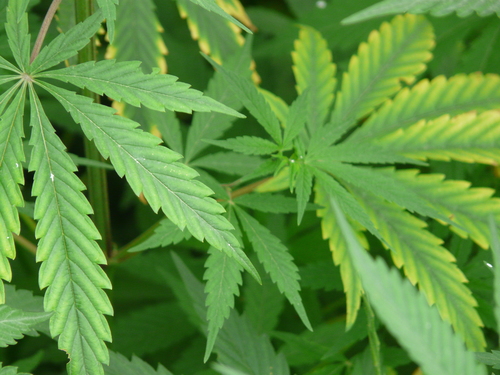
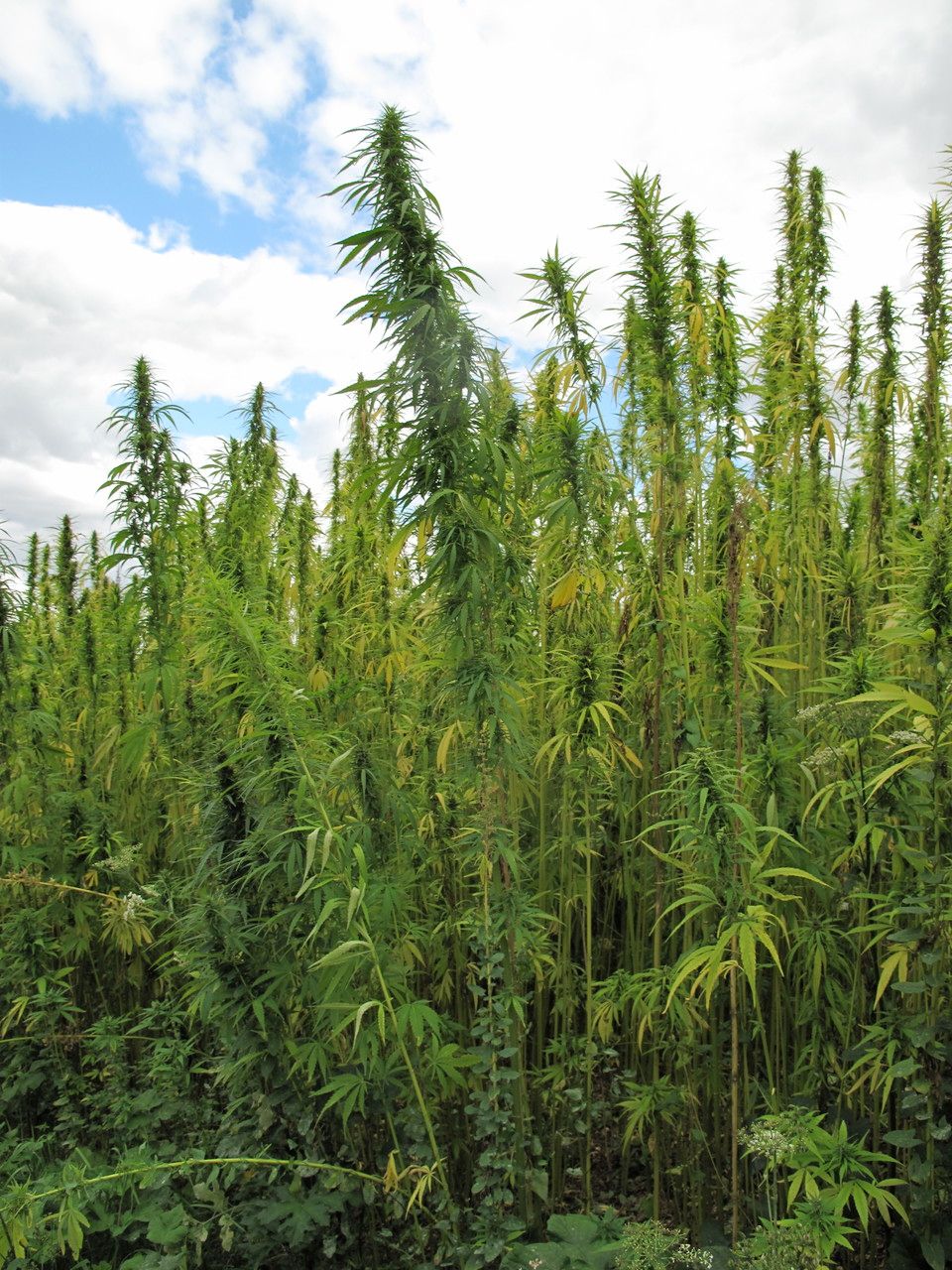
A species of Cannabis known for its psychoactive and industrial uses, with tall, fibrous stalks and distinctively scented flowers.
Benefits & Perks
["fast growing","fragrant flowers","medicinal use","culinary herb","wildlife attractant (bees, butterflies, birds)"]
Botanical Classification
| Phylum: | Magnoliophyta |
| Class: | Magnoliopsida |
| Order: | Rosales |
| Family: | Cannabaceae |
| Genus: | Cannabis |
| Botanical Name: | Cannabis sativa |
Plant Characteristics
Basic Information
- Category: Herbs & Weeds
- Suitable Location: outdoor garden in a sunny, sheltered spot or indoor grow room with controlled environment
- Suitable For:
- Is Weed: No
- Allergenicity: moderate
Environmental Needs
- Climate: {"temperatureRange":"10–30°C"}
- Hardiness: {"zones":"8–11"}
- Misting: rarely required, but beneficial during vegetative stage in dry environments
- Drainage: Fast-draining to prevent waterlogging and root rot.
- Soil Type: Well-draining mix with organic matter (e.g., coco coir, peat moss, compost) and perlite or sand for aeration.
Maintenance Level
- Maintenance Level: moderate
- Toughness Level: moderate
- Pruning Frequency: Every 2–4 weeks during vegetative growth; less frequently during flowering.
- Pruning Intensity: Moderate to heavy (e.g., topping, FIMing, LST) during vegetative stage; light during flowering.
Care Details
Ideal Sunlight Coverage:
Bright direct sunlight 6–12 hours/day; adjust for intensity (e.g., partial shade in peak summer to prevent scorching).
Sunlight Tolerance Tips:
Acclimate plants gradually to intense sunlight; provide shade during extreme heat; rotate plants for even light exposure.
Care Requirements
Care Difficulty
moderatemoderate
Sunlight
full sun to partial shade
Use shade cloth in high heat; monitor for leaf burn; adjust light exposure seasonally.
Watering
every 3–5 days, depending on soil moisture and environmental conditions
Water deeply to encourage root growth; ensure proper drainage to prevent root rot; water early in the day to minimize evaporation.
Soil
well-draining, loamy soil with high organic matter
pH: 6.0–7.0 for soil; 5.5–6.5 for hydroponics.
Test pH regularly, avoid compacted soil, ensure good aeration, amend as needed.
Temperature
Ideal range 20–30°C (68–86°F); cooler nights (10–16°C) can enhance resin production; adjust for flowering stages.
Use fans for airflow, monitor with thermometers, adjust for growth stage.
Fertilizing
every 2 weeks during active growth with a balanced, water-soluble fertilizer
Flush soil with plain water monthly to prevent salt buildup; match fertilizer to growth stage; avoid over-fertilization.
Propagation
Methods
Stem cuttings (clones) are most common; seeds are also viable for new genetics.
Step-by-Step Propagation Guide
- Take a 4–6 inch cutting below a node.
- Remove lower leaves.
- Dip in rooting hormone.
- Place in medium.
- Maintain humidity and warmth.
Best Time: Early vegetative stage (spring/summer) for optimal rooting and growth.
Environment
High humidity (70–90%), warm temperatures (22–26°C), and indirect light.
Medium
Coco coir or rockwool with added perlite for aeration; sterile soil mix is also suitable.
Hormone
Recommended (e.g., rooting powder or gel) to speed up root development.
Timeline
Roots develop in 1–3 weeks; plants can be transplanted after 2–4 weeks.
Tools Needed
Pruning shears, rooting hormone, propagation tray, humidity dome, grow lights.
Quick Tips
Use sterile tools to prevent disease; maintain consistent humidity; provide gentle bottom heat for faster rooting.
Pruning & Repotting
Pruning Guide
Method
Topping (cutting apical meristem), FIMing (incomplete topping), low-stress training (LST), defoliation (selective leaf removal).
Pruning Plan
Remove dead or damaged growth; shape plant for better light penetration; encourage bushier growth for higher yield.
Tools
Pruning shears, sharp scissors, gloves, disinfectant.
Checklist
Sanitize tools, prune during dry conditions, remove only necessary parts, avoid over-pruning, monitor recovery.
Repotting Guide
Best Season
Early vegetative stage (spring) for minimal stress and quick recovery.
Pot Size
Increase pot size by 2–5 inches in diameter; avoid oversized pots to prevent waterlogging.
Method
Gently remove plant, trim any circling roots, place in new pot with fresh soil, water lightly, and avoid direct sun for a few days.
Suggestions
Repot when roots outgrow the pot or when growth slows; typically every 6–12 months for indoor plants.
Checklist
Check root bound status, prepare new pot with drainage, trim roots if necessary, use fresh soil, water lightly, acclimate slowly.
Advanced Care Tips
Watering Mastery
Watering Checklist
Check soil moisture, water deeply, ensure drainage, avoid foliage wetting, adjust for season.
How to Apply Water Properly
Water directly at the root zone to avoid wetting foliage; apply until water drains from the bottom; ensure excess water exits the pot to prevent waterlogging.
Watering Schedule Tips
Water when the top 1–2 inches of soil are dry; adjust frequency based on season (less in winter, more in summer); avoid overwatering by letting soil dry between sessions.
Soil Improvement
Add perlite or sand for drainage; incorporate compost for nutrients; use mycorrhizal fungi for root health.
Temperature Stress Management
Signs of Temperature Issues
Chlorosis, wilting, bud drop, slowed growth, or mold growth in high humidity/heat.
Cold Stress
Slows metabolic processes, stunts growth, and can lead to root damage or death in prolonged cold.
Solution: Use heating mats or indoor grow lights; insulate pots; avoid placing plants near drafty windows or cold surfaces.
Hot Stress
Causes wilting, leaf burn, reduced photosynthesis, and increased water demand.
Solution: Provide shade, increase ventilation, mist foliage (if appropriate), and water more frequently.
Fertilizing Guide
Fertilizing Checklist
Check nutrient requirements, dilute correctly, apply at root zone, flush periodically, adjust for season.
Fertilizing Method
Use balanced NPK (e.g., 20-20-20) during vegetative growth; switch to higher P/K for flowering; dilute to half-strength and apply every 2–4 weeks during growing season; cease fertilizing in late flowering.
Common Problems & Solutions
Toxicity Warning
Cats
ToxicCats are also highly susceptible to THC toxicity, which can result in severe neurological and gastrointestinal effects. Their smaller size and unique metabolism make them particularly vulnerable to even small doses.
⚠️ Symptoms:
🌿 Toxic Parts:
⚡ Toxic If:
if ingested
Dogs
ToxicDogs are highly sensitive to THC, which can cause significant neurological and gastrointestinal distress. Even small amounts can lead to toxicity due to their lower body weight and metabolic differences.
⚠️ Symptoms:
🌿 Toxic Parts:
⚡ Toxic If:
if ingested
Humans
ToxicCannabis sativa contains psychoactive compounds, primarily tetrahydrocannabinol (THC), which can induce intoxication, altered perception, and impairment of cognitive and motor functions. Chronic use may lead to dependence and potential mental health issues.
⚠️ Symptoms:
🌿 Toxic Parts:
⚡ Toxic If:
if consumed
Frequently Asked Questions
Q: Is Cannabis sativa legal everywhere?
A: No, legality varies by jurisdiction, with some regions permitting medical or recreational use while others prohibit it entirely.
Q: Can Cannabis sativa be grown indoors?
A: Yes, it can be grown indoors with proper lighting, ventilation, and temperature control.
Q: What are the main uses of Cannabis sativa?
A: It is used for medicinal purposes, recreational effects, industrial hemp production, and as a source of fiber and seed oil.
Quick Reference
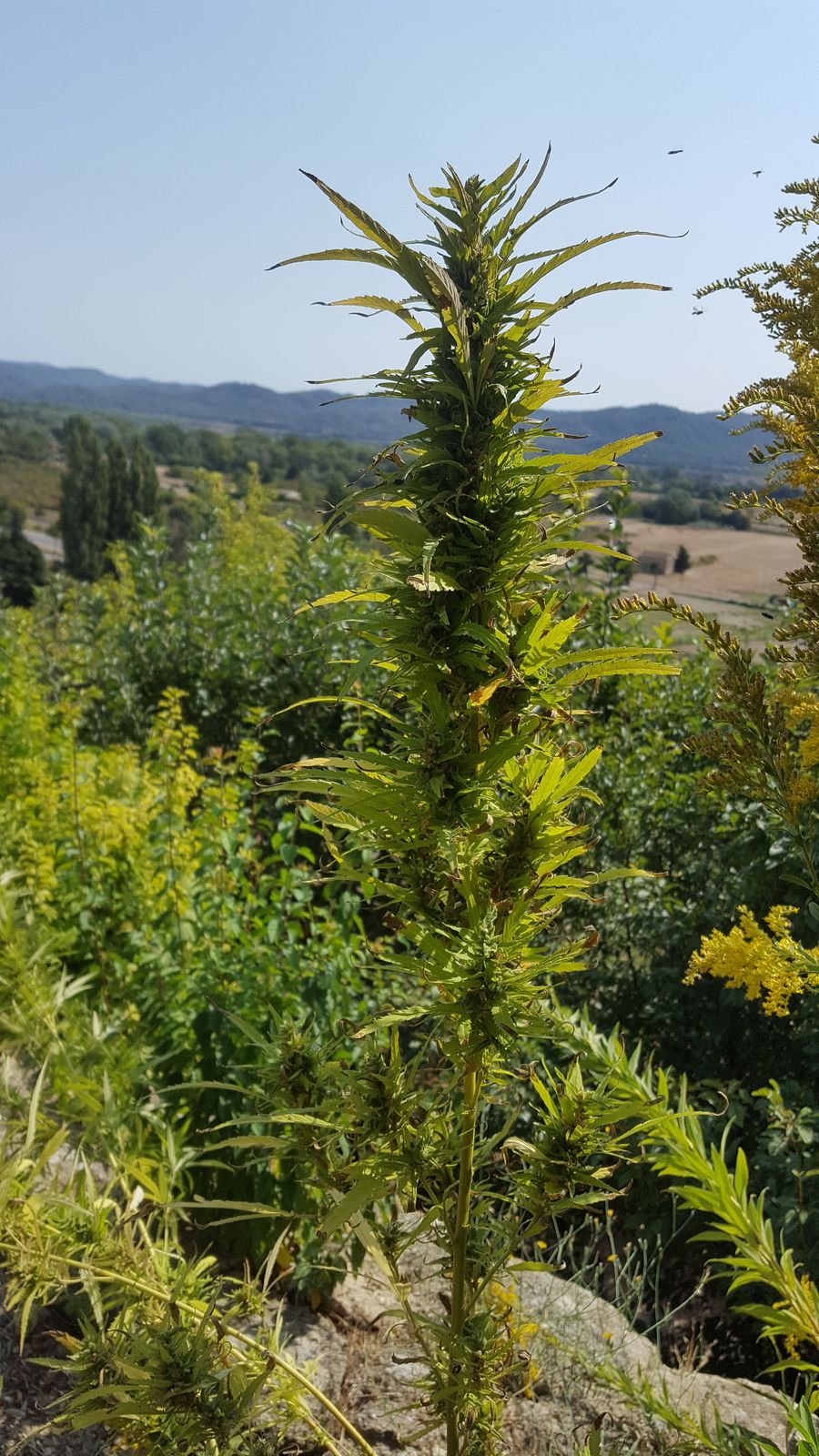
| Family: | Cannabaceae |
| Care: | moderate |
| Light: | full sun to partial shade |
| Water: | every 3–5 days, depending on |
Get Expert Care Tips
Download the Plantious app for personalized care reminders and plant identification!
Google Play App Store