Giant Bamboo
dendrocalamus giganteus
Also known as: ["Burmese Bamboo","Giant Thorny Bamboo"]
Overview
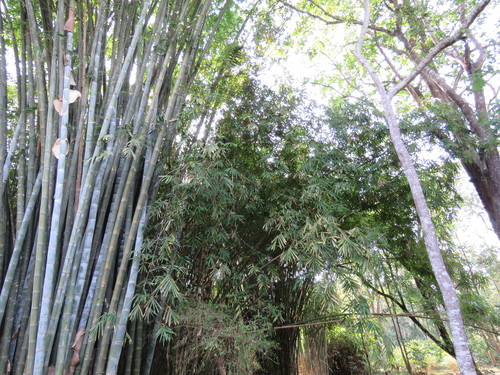
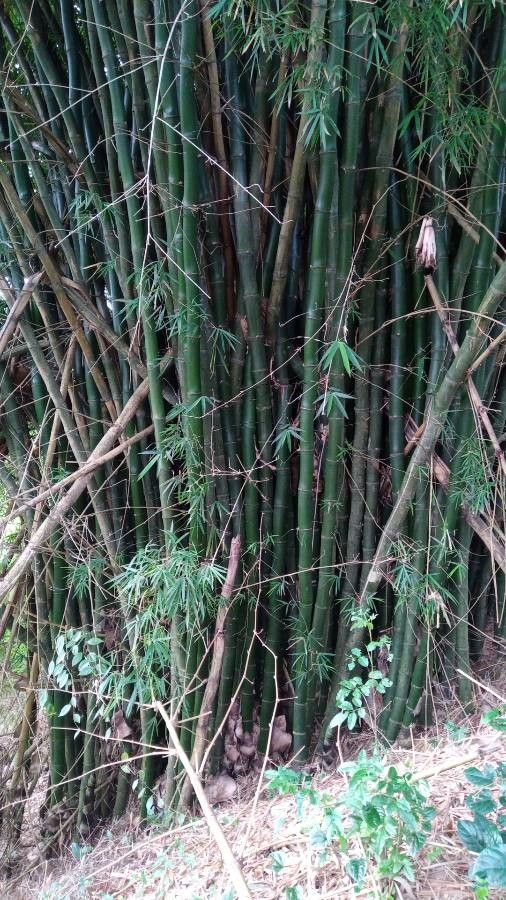
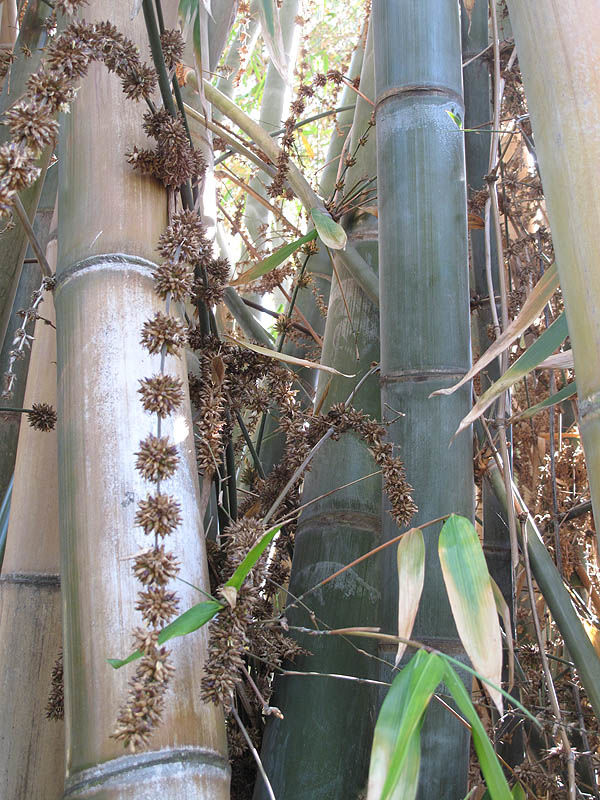
A towering bamboo species native to Southeast Asia, known for its massive height and thick culms.
Benefits & Perks
["fast growing","shade tolerant","wildlife attractant (bees, butterflies, birds)"]
Botanical Classification
| Phylum: | Magnoliophyta |
| Class: | Liliopsida |
| Order: | Poales |
| Family: | Poaceae |
| Genus: | Dendrocalamus |
| Botanical Name: | Dendrocalamus giganteus |
Plant Characteristics
Basic Information
- Category: Trees
- Suitable Location: tropical or subtropical garden, with ample space for growth
- Suitable For:
- Is Weed: No
- Allergenicity: low
Environmental Needs
- Climate: {"temperatureRange":"20–35°C"}
- Hardiness: {"zones":"9–11"}
- Misting: rarely required
- Drainage: Fast-draining to prevent waterlogging.
- Soil Type: Rich, loamy soil with good organic matter and sand for drainage.
Maintenance Level
- Maintenance Level: moderate
- Toughness Level: high
- Pruning Frequency: Annually or as needed; remove old culms after 2–3 years.
- Pruning Intensity: Moderate; selective removal of older culms.
Care Details
Ideal Sunlight Coverage:
Full sun (6–8 hours/day) with some afternoon shade in hot climates; adjust based on seasonal intensity.
Sunlight Tolerance Tips:
Acclimate gradually to intense sunlight; protect from harsh midday sun; ensure proper ventilation if grown indoors.
Care Requirements
Care Difficulty
moderatemoderate
Sunlight
full sun to partial shade
Avoid direct midday sun in summer; provide dappled shade in intense heat; rotate regularly for even growth.
Watering
every 7–10 days, more frequently in dry periods
Water thoroughly until runoff, ensure excellent drainage, and avoid waterlogging.
Soil
rich, well-draining soil with high organic matter
pH: Slightly acidic to neutral (pH 6.0–7.0).
Ensure good aeration; avoid compacted soil; amend with organic matter.
Temperature
Thrives in 20–30°C (68–86°F); tolerates brief dips to 10°C (50°F) but prefers warmth year-round.
Protect from frost; ensure good air flow in heat; adjust watering with temperature.
Fertilizing
every 2–3 months during growing season
Avoid over-fertilizing; apply evenly around base; flush soil occasionally to prevent salt buildup.
Propagation
Methods
Rhizome division or stem cuttings with nodes.
Step-by-Step Propagation Guide
- Select healthy rhizome or stem.
- Prepare medium.
- Apply hormone.
- Plant.
- Maintain humidity.
- Wait for roots.
Best Time: Spring or early summer when actively growing.
Environment
High humidity (70–80%), warm (25–30°C), partial shade.
Medium
Well-draining mix of peat, perlite, and sand.
Hormone
Rooting hormone recommended for stem cuttings.
Timeline
4–8 weeks for roots; 6–12 months to establish.
Tools Needed
Sharp knife, rooting hormone, pots, humidity dome.
Quick Tips
Use sharp, sterile tools; maintain consistent moisture; provide bottom heat if possible.
Pruning & Repotting
Pruning Guide
Method
Cut culms at ground level; use clean, sharp tools to avoid damage.
Pruning Plan
Remove dead or damaged culms to encourage new growth and maintain structure.
Tools
Pruning saw, loppers, gloves.
Checklist
Identify culms to remove; use sharp tools; clean cuts; dispose of debris.
Repotting Guide
Best Season
Spring before active growth begins.
Pot Size
Increase pot size by 2–5 cm (1–2 inches) in diameter.
Method
Use fast-draining soil; trim roots if necessary; ensure good drainage; water lightly after repotting.
Suggestions
Repot only if container-grown; typically every 2–3 years or when root-bound.
Checklist
Prepare new pot; trim roots; add fresh soil; water lightly; place in shade temporarily.
Advanced Care Tips
Watering Mastery
Watering Checklist
Check soil moisture; water deeply; ensure drainage; adjust seasonally.
How to Apply Water Properly
Water directly at the base, ensuring moisture reaches the root zone; water early morning or late evening to minimize evaporation; allow excess water to drain completely.
Watering Schedule Tips
Water deeply once per week during active growth; reduce frequency in winter to every 2–3 weeks, allowing soil to dry slightly between waterings.
Soil Improvement
Add compost, perlite, or coarse sand to enhance drainage and fertility.
Temperature Stress Management
Signs of Temperature Issues
Chlorosis, stunted growth, leaf drop, or browning leaf tips.
Cold Stress
Slows growth, causes leaf discoloration, and may lead to dieback in prolonged cold.
Solution: Provide frost protection, move to a warmer location, or cover with a frost cloth.
Hot Stress
Wilting, leaf scorch, or reduced vigor due to excessive heat and dryness.
Solution: Increase watering, provide shade, and improve air circulation.
Fertilizing Guide
Fertilizing Checklist
Use balanced fertilizer; apply during growing season; avoid winter feeding.
Fertilizing Method
Use balanced slow-release fertilizer in spring; liquid fertilizer monthly during growing season; reduce in winter.
Common Problems & Solutions
Toxicity Warning
Cats
Slightly ToxicThe raw shoots of Dendrocalamus giganteus pose a slight toxicity risk to cats due to the presence of cyanogenic glycosides. Ingestion of raw shoots may lead to mild to moderate toxicity, while cooked shoots are safe. The plant is otherwise non-toxic to cats when handled or grown nearby.
⚠️ Symptoms:
🌿 Toxic Parts:
⚡ Toxic If:
if eaten raw
Dogs
Slightly ToxicSimilar to humans, the raw shoots of Dendrocalamus giganteus contain cyanogenic glycosides, which can cause mild to moderate toxicity in dogs if ingested. Cooking the shoots renders them safe for canine consumption. The plant is otherwise non-toxic to dogs when handled or grown in proximity.
⚠️ Symptoms:
🌿 Toxic Parts:
⚡ Toxic If:
if eaten raw
Humans
Non-toxicThe raw shoots of Dendrocalamus giganteus contain cyanogenic glycosides, which can release cyanide upon ingestion, leading to toxicity. However, proper cooking neutralizes these compounds, making the cooked shoots safe for consumption. The plant itself does not pose significant toxicity risks when handled or grown.
⚠️ Symptoms:
🌿 Toxic Parts:
⚡ Toxic If:
if eaten raw
Frequently Asked Questions
Q: How tall does Giant Bamboo grow?
A: It can reach heights of up to 30 meters (100 feet) with culms up to 30 cm in diameter.
Q: Is Giant Bamboo suitable for indoor cultivation?
A: No, it is best suited for outdoor landscapes due to its large size.
Q: Does Giant Bamboo require a lot of water?
A: It prefers consistently moist soil but can tolerate some drought once established.
Quick Reference

| Family: | Poaceae |
| Care: | moderate |
| Light: | full sun to partial shade |
| Water: | every 7–10 days, more freque |
Get Expert Care Tips
Download the Plantious app for personalized care reminders and plant identification!
Google Play App Store