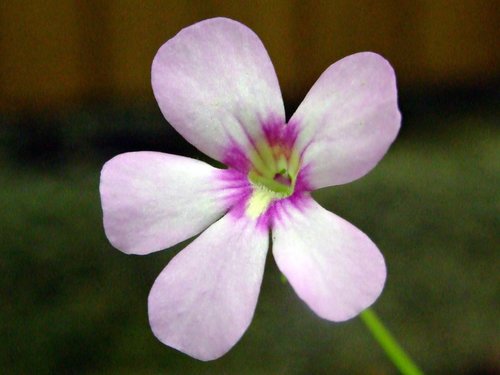
Alpine Butterwort
pinguicula alpina
Also known as: ["Alpine Pinguicula","Butterwort"]
Overview
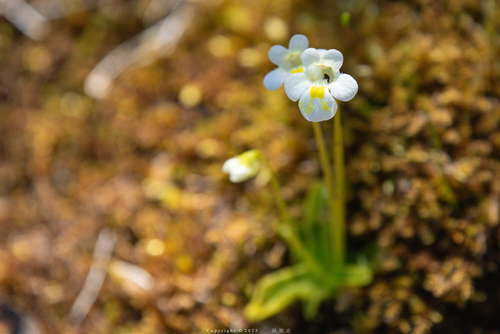
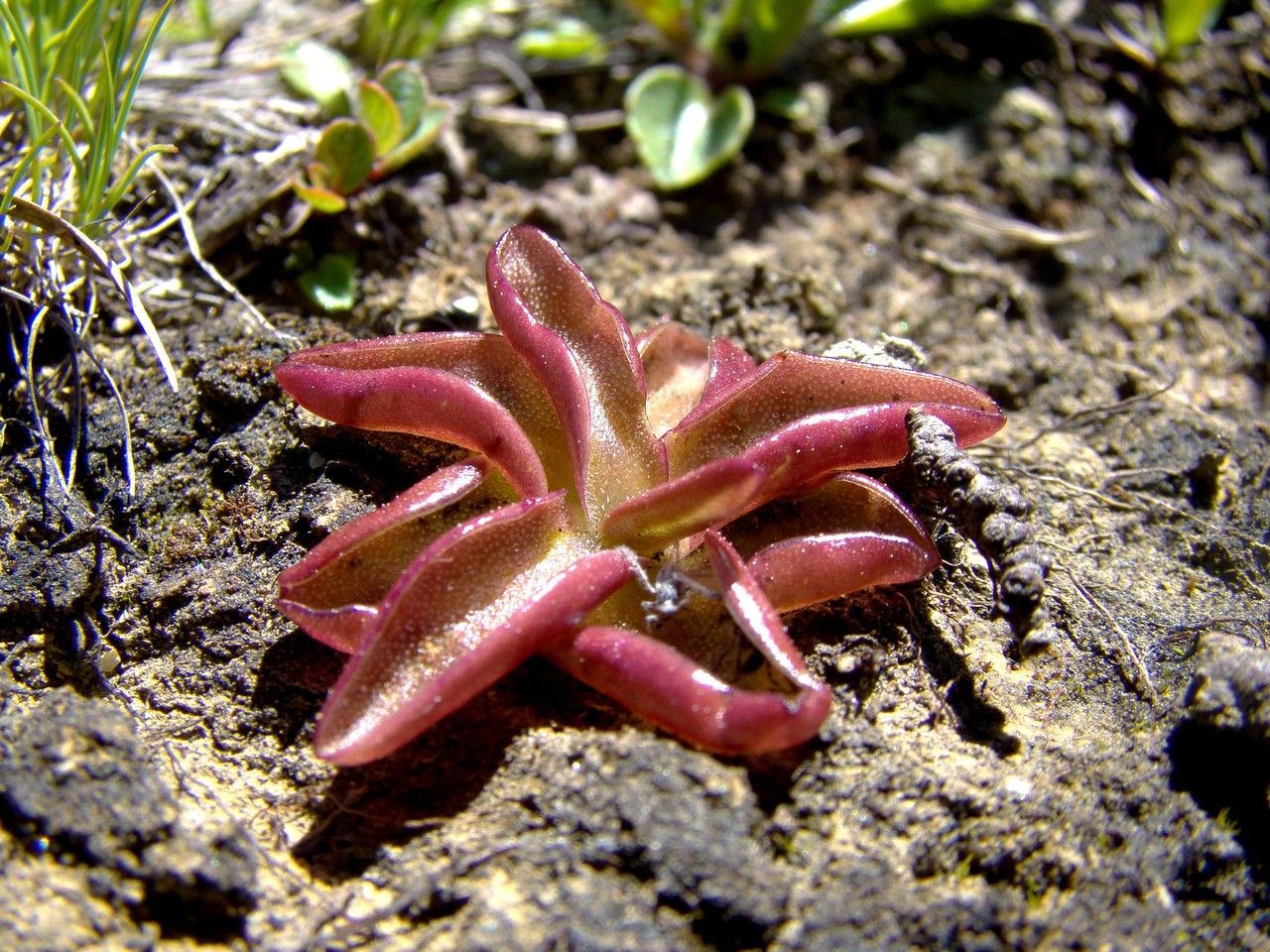
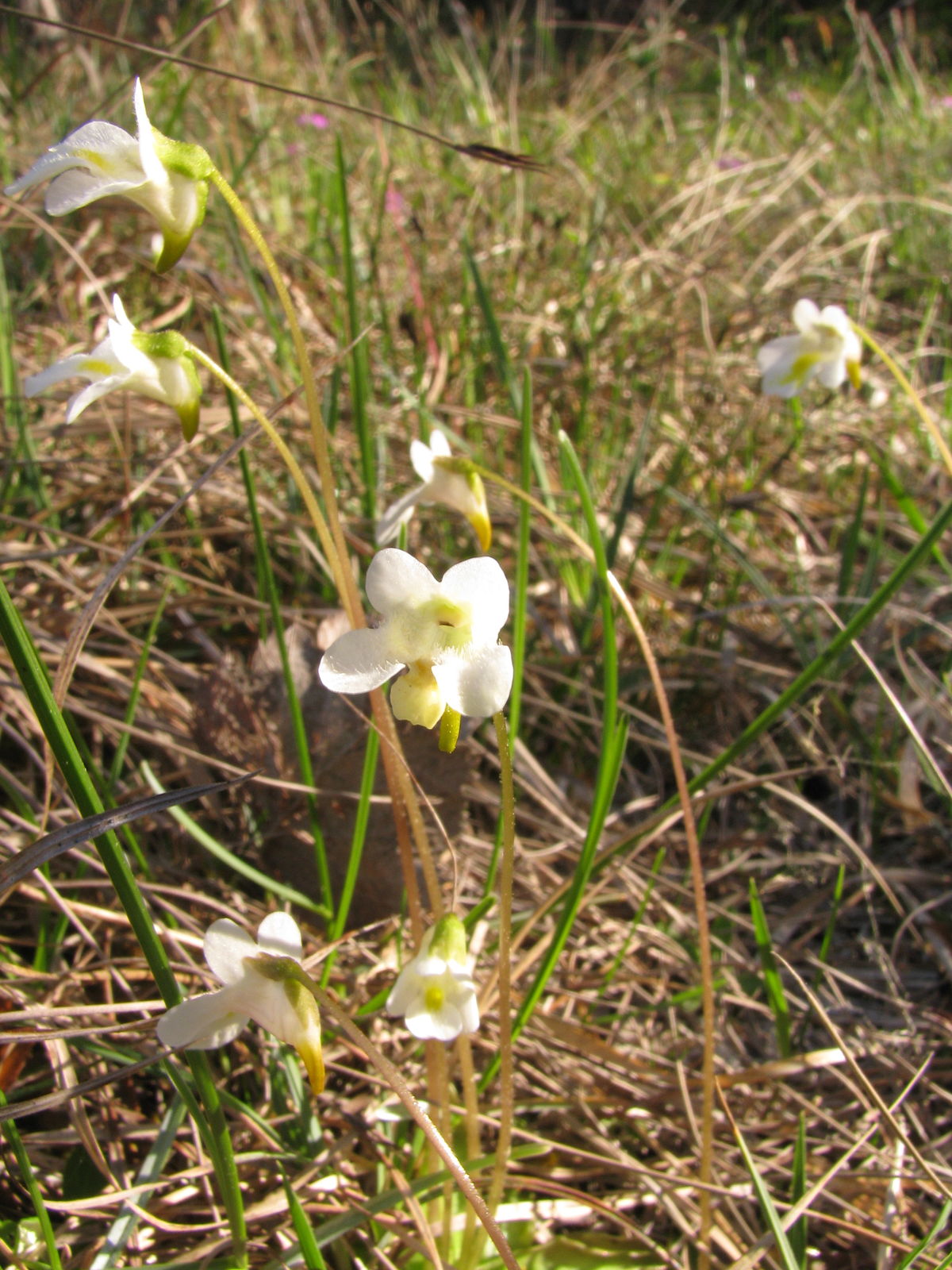
A small, carnivorous plant native to alpine regions, known for its sticky, insect-trapping leaves.
Benefits & Perks
["carnivorous","rare/collector’s item","wildlife attractant (bees, butterflies, birds)"]
Botanical Classification
| Phylum: | Magnoliophyta |
| Class: | Magnoliopsida |
| Order: | Caryophyllales |
| Family: | Lentibulariaceae |
| Genus: | Pinguicula |
| Botanical Name: | Pinguicula alpina |
Plant Characteristics
Basic Information
- Category: Flowers
- Suitable Location: rock gardens, alpine troughs, or shallow pots with excellent drainage
- Suitable For:
- Is Weed: No
- Allergenicity: low
Environmental Needs
- Climate: {"temperatureRange":"0–25°C"}
- Hardiness: {"zones":"4–8"}
- Misting: rarely required, only if ambient humidity is very low
- Drainage: Fast-draining to prevent waterlogging.
- Soil Type: Sphagnum moss-based mix with perlite or sand for drainage; can also use a mix of peat and sand (1:1).
Maintenance Level
- Maintenance Level: moderate
- Toughness Level: moderate
- Pruning Frequency: As needed, typically during spring or early summer when new growth begins.
- Pruning Intensity: Light pruning; only remove dead, yellowing, or damaged leaves.
Care Details
Ideal Sunlight Coverage:
Bright indirect light for 6–8 hours daily; can tolerate direct morning sun but avoid harsh afternoon sun, especially in summer.
Sunlight Tolerance Tips:
Acclimate gradually to direct sun to prevent leaf burn; provide shade during peak summer heat; for indoor plants, place near east-facing window or under grow lights with appropriate spectrum.
Care Requirements
Care Difficulty
challengingmoderate
Sunlight
full sun to partial shade
Morning sun preferred; shield from intense afternoon sun; adjust light based on season.
Watering
every 7–10 days, allowing soil to dry slightly between waterings
Use distilled or rainwater to avoid mineral buildup; ensure excellent drainage to prevent root rot; water from below or gently from above to avoid disturbing sticky leaf surfaces.
Soil
sandy, acidic, well-draining mix with peat moss and perlite
pH: Acidic, pH 4.5–6.0.
Use acidic soil; ensure excellent drainage; avoid regular potting soil.
Temperature
Cool temperatures ideal, 50–65°F (10–18°C) during active growth; tolerates cooler temperatures down to freezing but prefers not to exceed 70°F (21°C) for prolonged periods.
Keep cool in summer; protect from frost; avoid sudden temperature swings.
Fertilizing
rarely, only once every 3 months with diluted liquid fertilizer during active growth
Avoid fertilizing during dormancy; use only if plant shows signs of deficiency; never apply to leaves.
Propagation
Methods
Stem cuttings or division of rosettes during active growth.
Step-by-Step Propagation Guide
- Select healthy stem or rosette.
- Allow cut end to callus for a day.
- Plant in moist propagation medium.
- Maintain high humidity until rooted.
Best Time: Spring or early summer when the plant is actively growing.
Environment
High humidity (70–90%), warm temperatures (60–70°F or 15–21°C), and bright indirect light.
Medium
Sphagnum moss or a mix of peat and perlite (1:1) with excellent drainage.
Hormone
Not necessary but can be used sparingly to encourage rooting.
Timeline
Roots may appear in 2–4 weeks; new growth typically emerges within 1–2 months.
Tools Needed
Clean scissors or knife, rooting hormone (optional), propagation tray or container, humidity dome or plastic bag.
Quick Tips
Use sterile tools to prevent rot; maintain consistent moisture without waterlogging; provide gentle air circulation to prevent fungal issues.
Pruning & Repotting
Pruning Guide
Method
Carefully snip or pull off dead leaves at the base without disturbing healthy growth.
Pruning Plan
Minimal pruning required; focus on removing dead or damaged leaves to maintain plant health and appearance.
Tools
Clean, sharp scissors or small pruning shears.
Checklist
Use clean tools; remove only dead/damaged leaves; avoid cutting into healthy tissue.
Repotting Guide
Best Season
Spring, just before the active growing season begins.
Pot Size
One size larger pot (e.g., from 4-inch to 5-inch pot); ensure good drainage holes.
Method
Gently remove plant; trim any dead roots; place in a slightly larger pot with fresh carnivorous plant mix; water sparingly until established.
Suggestions
Repot every 2–3 years or when the plant outgrows its container; necessary to refresh soil and prevent root crowding.
Checklist
Use fresh soil mix; ensure proper drainage; handle roots gently; water lightly after repotting.
Advanced Care Tips
Watering Mastery
Watering Checklist
Use distilled/rainwater; ensure fast drainage; avoid leaf wetting; reduce winter watering.
How to Apply Water Properly
Water thoroughly until it drains from the bottom, ensuring even moisture reaches root zone without waterlogging; avoid wetting leaves to prevent leaf damage or decay; water early in the day to allow foliage to dry before night.
Watering Schedule Tips
Water sparingly during active growing season (spring/summer), allowing soil to dry slightly between waterings; reduce watering significantly in winter dormancy, providing only enough moisture to prevent complete desiccation.
Soil Improvement
Incorporate perlite or coarse sand to enhance drainage; use long-fiber sphagnum moss to retain moisture without staying waterlogged.
Temperature Stress Management
Signs of Temperature Issues
Wilting or drooping leaves in excessive heat; cessation of growth or leaf curling in overly cold conditions; darkening or necrosis of leaf tips.
Cold Stress
Slows metabolic processes, reducing growth and trapping prey; prolonged cold can lead to root damage or death if soil is too wet.
Solution: Ensure well-drained soil to prevent cold-induced root rot; provide a slight insulating layer of mulch (avoiding leaf contact); move indoors or to a protected location if temperatures drop below freezing.
Hot Stress
Can cause leaves to curl, wilt, or lose their sticky surface, reducing trapping efficiency; may lead to leaf scorch or dehydration.
Solution: Provide increased humidity and shade during hot periods; ensure adequate air circulation; water more frequently but carefully during heatwaves.
Fertilizing Guide
Fertilizing Checklist
Use diluted fertilizer; avoid leaf contact; fertilize only in growing season; apply sparingly.
Fertilizing Method
Generally not required due to carnivorous nature; if needed, use a very dilute (1/8 strength) balanced liquid fertilizer applied sparingly during active growth, avoiding contact with leaves.
Common Problems & Solutions
Toxicity Warning
Cats
Non-toxicPinguicula alpina is not toxic to cats. The plant's carnivorous mechanism is not harmful to felines, and no toxic compounds are known to be present that would affect cats negatively.
⚡ Toxic If:
if eaten
Dogs
Non-toxicPinguicula alpina is not toxic to dogs. The plant's carnivorous nature does not pose a threat to canines, and there are no known toxic substances produced by this species that would cause harm to dogs.
⚡ Toxic If:
if eaten
Humans
Non-toxicPinguicula alpina is not considered toxic to humans. The plant is carnivorous, trapping small insects on its sticky leaves, but it does not produce any known toxic compounds that would harm humans upon ingestion.
⚡ Toxic If:
if eaten
Frequently Asked Questions
Q: Is Pinguicula alpina easy to care for?
A: It is challenging to care for due to its specific alpine habitat requirements.
Q: Does Pinguicula alpina attract wildlife?
A: Yes, it attracts bees, butterflies, and birds.
Q: Is Pinguicula alpina toxic to pets?
A: No, it is non-toxic to dogs and cats.
Quick Reference


| Family: | Lentibulariaceae |
| Care: | challenging |
| Light: | full sun to partial shade |
| Water: | every 7–10 days, allowing so |
Get Expert Care Tips
Download the Plantious app for personalized care reminders and plant identification!
Google Play App Store